
10 Best Places to Visit in Portugal: From Coastal Gems to Historic Cities
Introduction
Portugal, a country renowned for its stunning coastline, rich culture, and historical significance, beckons travelers from all corners of the globe. From the golden sands of the Algarve to the vibrant streets of Lisbon, Portugal presents a diverse array of experiences for visitors. This captivating destination is the ideal blend of old-world charm and modern allure, offering something for everyone.
As one journeys through this beautiful nation, it becomes evident that Portugal’s appeal lies not only in its popular tourist attractions but also in its hidden gems waiting to be discovered. The picturesque towns and serene landscapes contrast sharply with the bustling urban centers, inviting exploration beyond the conventional paths. The essence of Portugal resides in its valleys, beaches, and villages, where visitors can immerse themselves in local culture and tradition.
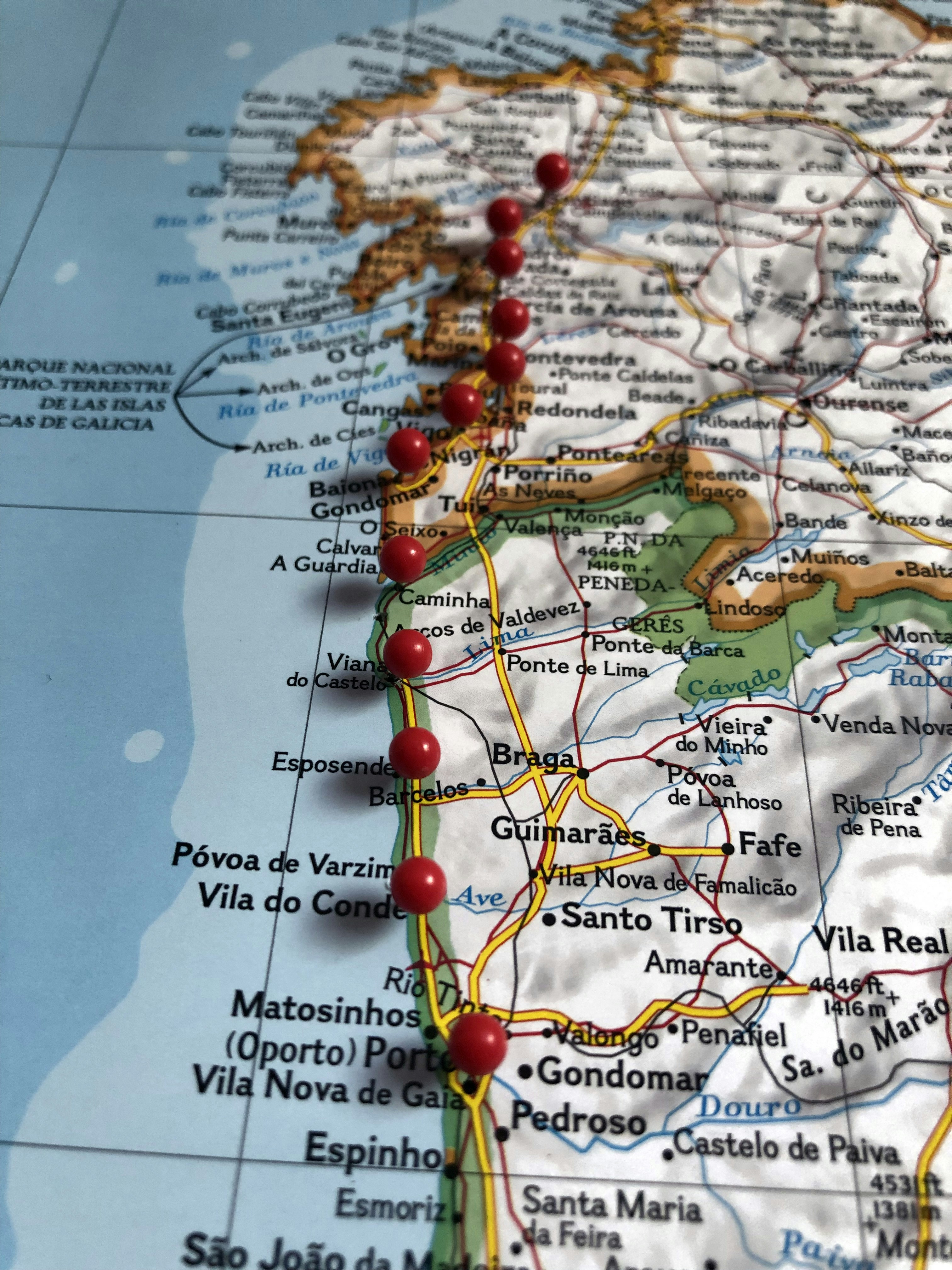
The historic cities of Porto and Coimbra are steeped in time-honored tales, while the echoes of the past can be felt in the ancient castles and palaces dotting the landscape. Furthermore, Portugal’s gastronomic delights—from traditional dishes like bacalhau to world-famous port wine—offer a journey for the palate that is equally enriching.
In addition to its natural beauty and cultural richness, one cannot overlook the warm hospitality of the Portuguese people, who take pride in sharing their heritage with visitors. Travel in Portugal is not merely about visiting landmarks; it is a chance to engage with the local way of life. Whether you take a leisurely stroll along a cobblestone street or indulge in the nightlife of Lisbon, every experience contributes to a memorable adventure.
Lisbon: The Vibrant Capital
Lisbon, the capital city of Portugal, is a captivating blend of tradition and modernity, making it a must-visit destination for travelers. The city’s topography features rolling hills overlooking the Tagus River, providing picturesque views at every turn. Among its unique neighborhoods, the historic Alfama district stands out, characterized by its narrow winding streets, traditional houses, and stunning viewpoints like Miradouro de Santa Luzia. Alfama is often considered the heart of Lisbon, where historical charm is palpable; it is also the birthplace of Fado music, Portugal’s soulful genre.
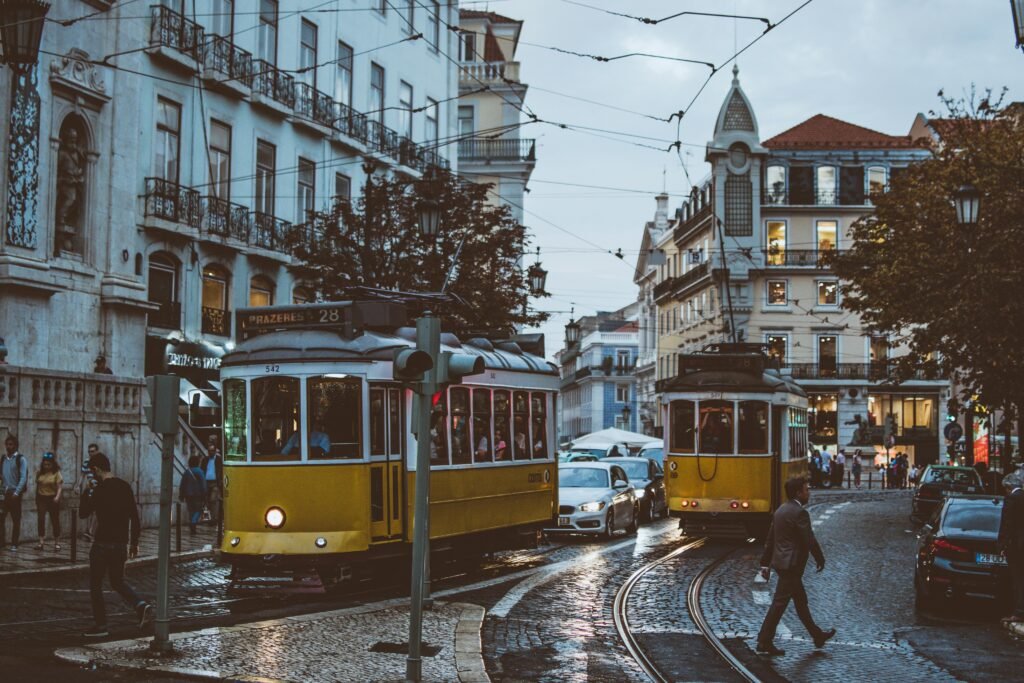
In contrast, the trendy Bairro Alto district showcases Lisbon’s vibrant nightlife and artistic culture. By day, the streets are filled with shops and cafes, and by night, they transform into a lively hub of bars and clubs offering music and entertainment for locals and visitors alike. This juxtaposition of neighborhoods illustrates Lisbon’s diverse character, catering to a variety of tastes and interests.
Iconic landmarks such as the Belém Tower and Jerónimos Monastery reflect the city’s rich maritime history and architectural beauty. These UNESCO World Heritage Sites are essential stops for those seeking to understand Lisbon’s historical significance. Additionally, the city’s street life is an attraction in itself, with vendors, performers, and local artists contributing to a vibrant atmosphere.
The best time to visit Lisbon is during spring (April to June) or early autumn (September to October) when the weather is mild, and crowds are manageable. Notably, local events such as Festas de Santo António in June bring an added festive spirit to the city. For an authentic cultural experience, be sure to visit a local Fado restaurant where you can enjoy traditional music while savoring Portuguese cuisine, making your trip to Lisbon memorable and unique.
Porto: Wine and Architecture
Porto, the second-largest city in Portugal, is celebrated for its stunning architecture and vibrant riverside. Nestled along the Douro River, the city boasts a rich cultural heritage, characterized by its historic Ribeira District, which is recognized as a UNESCO World Heritage Site. The narrow streets are lined with colorful buildings, cafes, and shops, creating an inviting atmosphere for both tourists and locals. A stroll through the winding alleyways reveals breathtaking views of the iconic Dom Luís I Bridge, a masterpiece of 19th-century engineering.

A notable highlight in Porto is the Livraria Lello, said to be one of the most beautiful bookstores in the world. Its neo-Gothic facade and ornate interior draw book lovers and architecture enthusiasts alike. The bookstore, boasting a famous wooden staircase and stained-glass skylight, inspired J.K. Rowling during her time in the city. Visiting Lello is a must for any literature aficionado.
In addition to its architectural wonders, Porto is globally renowned for its port wine. This fortified wine, produced in the nearby Douro Valley, is an integral part of the city’s identity. The wine cellars situated across the river in Vila Nova de Gaia offer the perfect opportunity for tastings, allowing visitors to experience the flavor of this renowned beverage first-hand. Many tourists overlook these cellars; however, they provide powerful insights into the wine-making process and the rich history behind port wine.
The ideal time to visit Porto is during the spring and fall, when the weather is mild, and there are fewer crowds. This season enhances the enjoyment of outdoor activities, such as wine tastings and riverfront explorations. Whether indulging in a glass of port or exploring its architectural gems, Porto ensures a memorable experience for all who visit.
Sintra: A Fairy Tale Escape
Sintra, a charming town located just a short drive from Lisbon, is often regarded as one of the most picturesque destinations in Portugal. It is famous for its stunning palaces and enchanting castles, giving visitors a feel of stepping into a fairy tale. At the heart of Sintra lies the iconic Pena Palace, a vibrant and eclectic architectural masterpiece perched atop a hill. Built in the 19th century, the palace showcases a mix of neo-Gothic, neo-Renaissance, and Manueline styles, with its striking colors and intricate details making it a must-visit landmark.
Another significant site is the Moorish Castle, which offers a glimpse into the region’s rich history. This medieval fortress invites tourists to explore its ancient walls, while providing a panoramic view of the surrounding landscape. The castle’s location allows one to appreciate the natural beauty of Sintra, making it a favorite spot for photography enthusiasts.
The best months to visit Sintra are typically from April to June and September to October. During these periods, the weather is mild, and the stunning views of the palaces are most pronounced, free from the haze often found during the hotter summer months. To experience a side of Sintra away from the usual tourist trails, visitors can embark on one of the numerous hiking paths in the surrounding woods. The lush greenery and serene atmosphere offer a unique perspective on the fairy tale landscape, further enhancing the magical allure of this captivating town.
Algarve: Stunning Beaches and Natural Wonders
The Algarve region, situated in the southern part of Portugal, is renowned for its breathtaking coastline and picturesque beaches. One of the standout locations in this area is Praia da Marinha, celebrated for its stunning cliffs, clear waters, and vibrant marine life. This beach is not only a perfect vacation spot, but it is also recognized as one of the most beautiful beaches in the world.
Outdoor enthusiasts will find a plethora of activities in Algarve, making it an ideal destination for those seeking adventure. Hiking along the cliff trails offers panoramic views of the Atlantic Ocean and the surrounding scenery. For surfers, the region caters to all skill levels, with numerous surf schools offering lessons in popular spots such as Amado Beach and Arrifana. Whether you are seeking a relaxing day by the shore or a thrilling ride on the waves, the Algarve has something to offer.
To experience the best of Algarve’s beaches, consider visiting during the late spring or early fall. These seasons provide optimal weather conditions, with temperatures typically ranging from 20 to 28 degrees Celsius, allowing for enjoyable beach days without the large crowds prevalent in the peak summer months. Visitors should also seek out the hidden coves and smaller beaches along the coastline, such as Praia do Camilo and Praia do Carvalho, where you can escape the hustle and bustle of the more popular areas while still enjoying the exquisite beauty of the region.


Évora: A UNESCO World Heritage Site
Évora is a captivating city located in the Alentejo region of Portugal, renowned for its rich history and stunning architecture. Designated as a UNESCO World Heritage Site, Évora is a treasure trove of medieval and Roman structures, making it an essential stop for history enthusiasts. At the heart of the city lies the remarkable Roman Temple, often referred to as the Temple of Diana, which showcases the exquisite craftsmanship of ancient Rome. This well-preserved monument stands as a lasting testament to the city’s historical significance, and it offers a glimpse into the architectural prowess of the time.
Aside from its Roman relics, Évora is also home to a variety of megalithic sites, including the Almendres Cromlech, believed to be one of the oldest structures in Portugal. These ancient stone formations highlight the city’s deep-rooted connection to prehistoric cultures. Visitors can explore these sites on guided tours, which often delve into the mysterious rituals and practices of the inhabitants from millennia ago.
The best time to visit Évora is during the summer months when its charming festivals come alive. Events such as Festas de São João and the Évora International Film Festival celebrate the city’s cultural heritage and draw visitors from near and far. For a truly authentic experience, it is advisable to visit the local markets, such as the Mercado Municipal, where one can indulge in a variety of Alentejan specialties. Sampling local delicacies such as ‘Açorda’ or ‘Migas’ not only satisfies the palate but also provides insight into the region’s culinary traditions. Évora’s amalgamation of historical allure, architectural beauty, and vibrant local culture makes it a distinctive gem in Portugal’s vast landscape.
Coimbra: The City of Students
Coimbra, a picturesque city located in the heart of Portugal, is famously recognized for its rich academic heritage and vibrant student life. As home to the University of Coimbra, one of the oldest universities in the world, this enchanting city attracts both scholars and tourists alike, eager to explore its historic campus and the cultural treasures surrounding it.
The University of Coimbra was founded in 1290 and is a UNESCO World Heritage Site. Visitors to the university are greeted by impressive architecture, including the stunning Joanina Library, renowned for its Baroque design and ornate interior. The library houses an extensive collection of rare books and manuscripts and is a perfect representation of the city’s storied intellectual legacy. A memorable experience is attending a live performance at the library, where classical music resonates through its grand halls, showcasing the talents of both local and international musicians.
The vibrant atmosphere of Coimbra is largely shaped by its student population, which contributes to a unique cultural experience. The best times to visit are during the academic year, particularly in May when various traditional festivities take place. The Queima das Fitas, held annually, is a week-long celebration marking the end of the academic year, featuring parades, parties, and cultural events that illustrate the spirited university life.
In addition to its academic charm, Coimbra offers various historical attractions, such as the Old Cathedral and the beautiful Botanical Garden, further enriching the visitor experience. Whether you are exploring the narrow cobblestone streets or enjoying local cuisine at a nearby restaurant, Coimbra presents a delightful blend of history, education, and contemporary culture, making it an essential destination in your travel itinerary through Portugal.
Douro Valley: Wine Country in Portugal
The Douro Valley, a UNESCO World Heritage Site, is renowned for its breathtaking terraced vineyards and stunning views of the Douro River. This enchanting region is celebrated not only for its natural beauty but also for its distinctive wine production, particularly port wine. The unique climate and geography of the valley create ideal conditions for growing grapes, resulting in wines that are characterized by their rich flavors and aromatic complexity.
The valley is an exemplary model of a wine-producing landscape, where generations of vintners have cultivated the steep slopes to optimize sunlight exposure and drainage. Visitors can explore various wine estates that offer tours and tastings, providing an insight into the traditional methods of winemaking that have persevered through centuries. The experience is further enhanced by the spectacular vistas of lush vineyards extending along the riverbanks.
For those seeking to visit the Douro Valley, the best time to explore this wine country is during the grape harvest season from late September to early October. This period not only showcases the vibrant colors of fall foliage but also offers visitors the opportunity to witness the exciting harvest activities. However, the valley’s charm can be appreciated year-round, with each season bringing its own unique beauty.
For an authentic glimpse of the Douro Valley, consider taking a traditional boat tour on the River Douro. These tours provide a unique perspective, allowing visitors to soak in the stunning scenery while learning about the history and culture of the region. Floating along the river, surrounded by the terraced vineyards, is an experience that captures the quintessence of the Douro Valley, making it a must-visit destination for any traveler in Portugal.
Braga: The Portuguese Rome
Braga, often referred to as the “Portuguese Rome,” stands out as a city of unparalleled religious significance and rich historical heritage. Its numerous stunning churches and sanctuaries are a testament to the city’s vibrant ecclesiastical tradition, making it a significant pilgrimage site in Portugal. Among its many landmarks, the Bom Jesus do Monte sanctuary is particularly noteworthy. This remarkable site features a striking baroque staircase adorned with impressive sculptures, leading visitors to a church that offers an extraordinary panoramic view of the surrounding landscapes.
The city’s religious architecture isn’t limited to Bom Jesus do Monte; the Sé de Braga, or the Braga Cathedral, showcases a blend of Romanesque, Gothic, and Baroque styles, reflecting the city’s long-standing history and diverse cultural influences. Visitors are often captivated by the intricate details and ornate altars that characterize these sacred spaces.
Braga also hosts several vibrant local festivals throughout the year, attracting both locals and tourists alike. One of the best times to experience the city’s rich cultural tapestry is during the Semana Santa (Holy Week), where processions and religious ceremonies illustrate the depth of devotion celebrated here. Equally captivating is the Feast of São João, held in late June, which incorporates lively street parties and unique local traditions that immerse participants in the authentic ambiance of the region.

For travelers seeking an even deeper connection with local customs, attending one of the numerous pilgrimages that take place in and around Braga is highly recommended. These events provide a unique perspective on the cultural and spiritual fabric of the city, showcasing the enthusiasm and dedication of the local residents.
Óbidos: A Charming Medieval Town
Óbidos is a picturesque medieval town located in the Oeste region of Portugal. Renowned for its well-preserved architecture and cobbled streets, this charming destination embodies the essence of Portugal’s rich history. Visitors to Óbidos will find themselves wandering through narrow lanes lined with whitewashed houses adorned with colorful flowers, creating a captivating atmosphere that feels like a step back in time.
One cannot mention Óbidos without highlighting its famous cherry liquor, Ginjinha, typically served in small chocolate cups. This delightful drink has become synonymous with the town and offers a unique taste experience that visitors are encouraged to try. The local bars and shops serve authentic Ginjinha, providing an excellent opportunity to experience a beloved Portuguese tradition.
The best time to visit Óbidos is during its annual medieval market festival, which usually takes place in July. During this vibrant event, the town transforms into a lively celebration of medieval culture, complete with musicians, artisans, and performers dressed in period costumes. The festival creates a magical ambiance, making it the perfect backdrop for visitors wishing to immerse themselves in the past.
Aside from the festivities, Óbidos boasts charming shops that offer unique local crafts, including handmade pottery, artisanal cheeses, and beautiful textiles. Strolling through these quaint boutiques allows visitors to connect with local artisans and find special souvenirs that reflect the town’s heritage. In short, Óbidos is not only a destination rich in history and flavor but also a haven for those looking for authentic Portuguese culture and craftsmanship.
Practical Travel Tips
When planning a trip to Portugal, a few practical travel tips can significantly enhance your experience. Firstly, transportation options are diverse and efficient. Major cities like Lisbon and Porto have extensive public transportation systems including buses, trams, and metro lines. For longer distances, consider using trains, which offer scenic routes connecting key destinations. Alternatively, renting a car provides flexibility, especially when exploring rural areas and coastal routes.
Accommodations in Portugal cater to a range of budgets. From luxury hotels and charming boutique options to budget-friendly hostels and guesthouses, securing your lodging in advance is advisable, especially during peak tourist seasons. Websites and platforms like Airbnb also offer unique stays, enhancing your experience further. Don’t forget to check for deals that may include meals or guided tours.
Understanding local customs can deepen your immersion into Portuguese culture. Greeting people with a friendly “Olá” (hello) and using manners such as saying “por favor” (please) and “obrigado” (thank you) are appreciated and reflect the local etiquette. Tipping is customary; rounding up the bill in restaurants or leaving a small percentage is appropriate.
When it comes to budgeting, Portugal is known for being relatively affordable compared to other Western European countries. Excellent cuisine can be sampled across various price points—from street food to fine dining. However, tourists should be cautious with tourist traps that often inflate prices. For safety, Portugal is considered one of the safest countries in Europe. Nonetheless, it is wise to remain vigilant, especially in crowded areas and when using public transportation. Maintaining copies of important documents and avoiding excessive use of valuables can also prevent unwanted incidents.


Conclusion
In conclusion, Portugal is a country that offers a rich tapestry of experiences, seamlessly blending its stunning coastal gems with intriguing historic cities. The diverse landscapes, from the breathtaking cliffs of the Algarve to the enchanting streets of Lisbon and Porto, provide something for every type of traveler. Visitors can engage in adventurous pursuits such as surfing along the golden beaches, exploring lush vineyards in the Douro Valley, or wandering through the charming alleys of towns like Sintra.
Moreover, Portugal’s unique culture is evident in its gastronomy, vibrant festivals, and warm hospitality. By venturing off the beaten path, travelers may uncover hidden gems that add depth to their journey, discovering local traditions and breathtaking views that are not as frequented by tourists. The blend of history, culture, and natural beauty makes every corner of Portugal a remarkable destination.
For those contemplating their next adventure, Portugal promises unforgettable memories and a wealth of experiences waiting to be discovered. Whether one is seeking the bustle of city life, the tranquility of nature, or the allure of the sea, Portugal’s variety ensures a rich experience for all. Embrace the opportunity and immerse yourself in the charm that this beautiful country has to offer. Truly, Portugal is a destination that should not be missed on any travel itinerary.