
10 Essential Travel Photography Tips for Beginners
Introduction to Travel Photography
Travel photography is a captivating genre that allows individuals to document their journeys and experiences, capturing the essence of cultures, landscapes, and moments in time. This form of photography is not merely about taking pictures; it embodies the ability to convey stories and emotions through visual imagery. As travelers explore diverse environments, they can create a rich tapestry of memories that can be revisited long after the journey has ended.
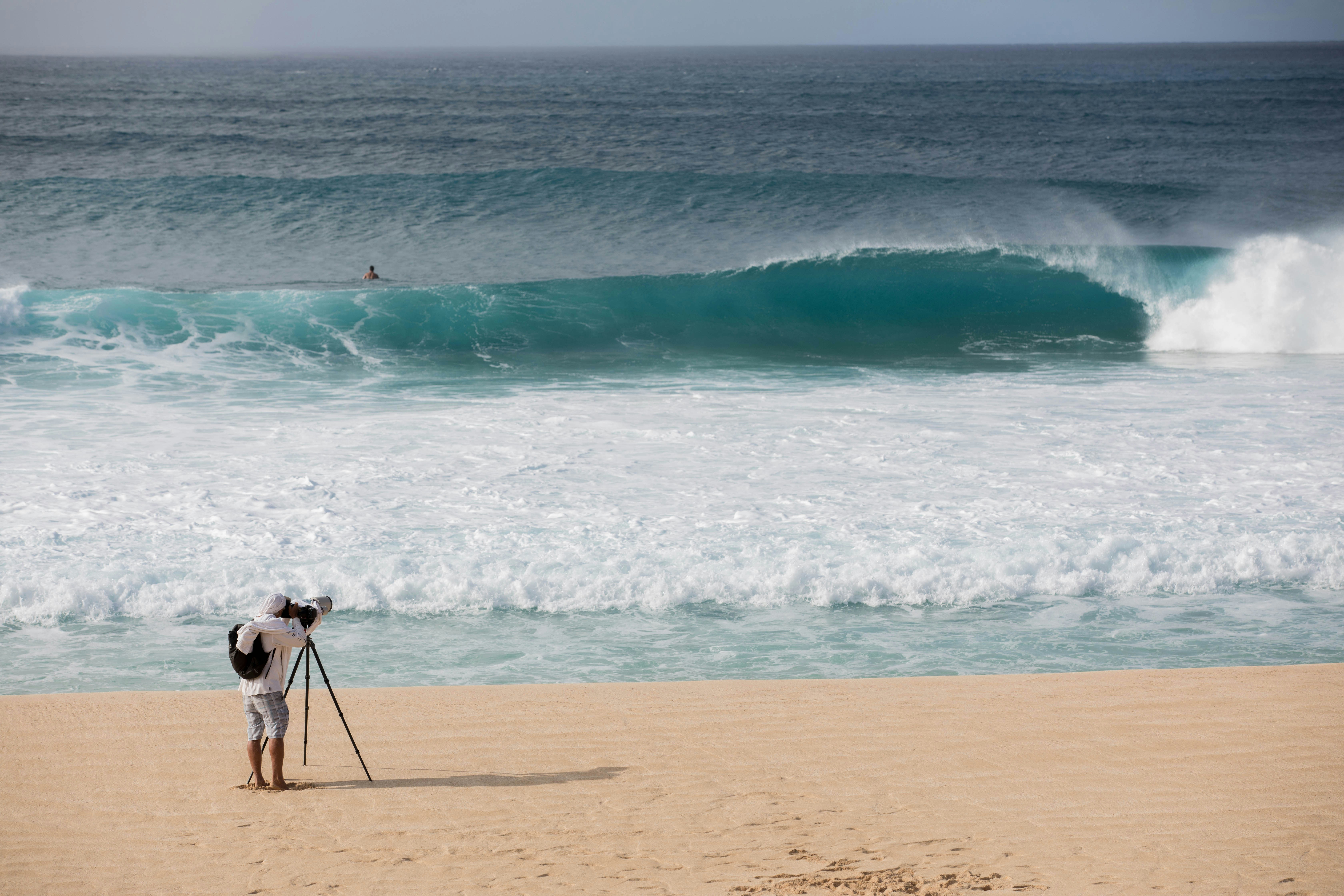
For beginners, understanding the significance of travel photography is paramount. It offers a unique opportunity to view the world from different perspectives, highlighting the beauty and intricacies of various locales. Travel photography goes beyond mere images; it serves as a visual diary that narrates personal adventures, helping to preserve experiences that might otherwise fade with time.
Focusing on mastering the basics of travel photography is crucial for those just embarking on this creative endeavor. By honing foundational skills such as composition, lighting, and subject selection, beginners can enhance their ability to capture compelling photographs. These fundamental techniques lay the groundwork for more advanced methods, allowing novice photographers to express their artistic vision effectively. Furthermore, learning to observe and interpret one’s surroundings can lead to more meaningful photography, transforming ordinary scenes into extraordinary visuals.
Moreover, travel photography encourages individuals to step out of their comfort zones and connect with the environments they explore. It invites photographers to engage with locals, immerse themselves in new cultures, and seek unique perspectives. As beginners delve into this art form, they cultivate not only technical skills but also a deeper appreciation for the diverse world around them. This section sets the stage for an enriching journey into effective travel photography techniques, emphasizing the importance of merging creativity with the art of storytelling.
Understanding Your Camera Settings
Mastering camera settings is crucial for any beginner in travel photography. The quality of your images can significantly depend on understanding and effectively using essential settings such as aperture, shutter speed, ISO, and white balance. Each of these elements plays a unique role in shaping the final outcome of your photographs.
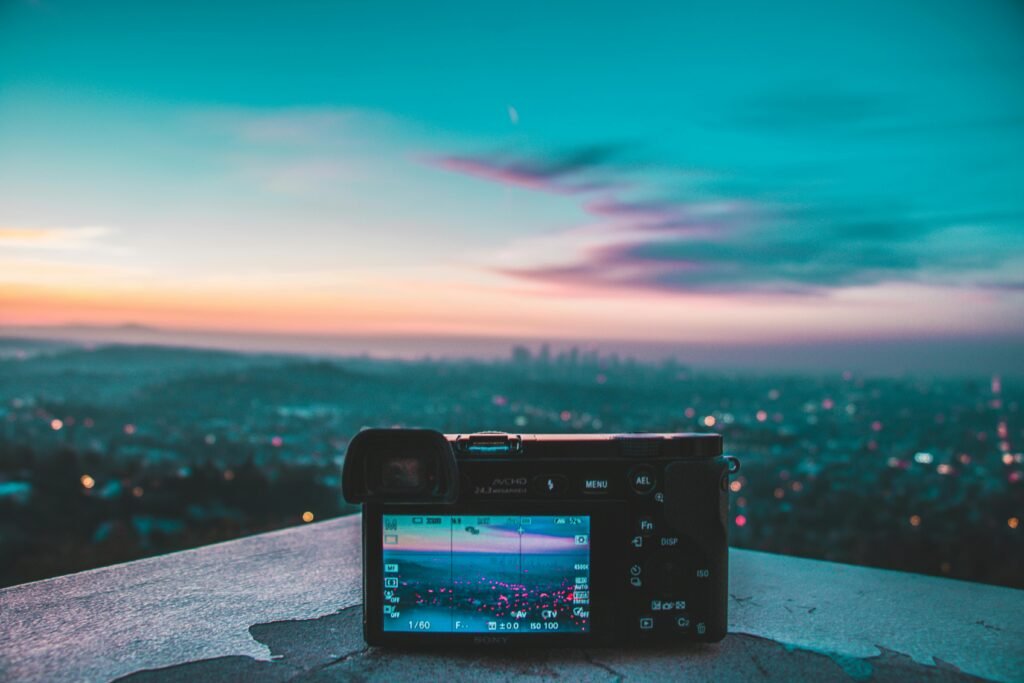
Aperture controls the amount of light entering the camera through the lens. Measured in f-stops, a lower f-stop number (e.g., f/2.8) allows more light, producing a shallow depth of field. This is particularly useful for blurring backgrounds and isolating subjects in travel scenes. Conversely, a higher f-stop number (e.g., f/16) will let in less light but provide a greater depth of field, making it ideal for landscape photography where details in both foreground and background are essential.
Shutter speed, on the other hand, determines how long the camera’s sensor is exposed to light. Fast shutter speeds (e.g., 1/1000 sec) are crucial for freezing fast-moving subjects, such as wildlife or crowded city scenes. Slower shutter speeds (e.g., 1/30 sec) can create motion blur, adding a dynamic aspect to images, for example, capturing flowing waterfalls. Understanding how to balance shutter speed with aperture is fundamental for achieving well-exposed images.
ISO is the sensitivity of your camera’s sensor to light. A lower ISO (e.g., 100) is best for brightly lit environments, while a higher ISO (e.g., 1600 or more) is advantageous in low-light conditions. However, increasing ISO can lead to unwanted noise, reducing image quality. Thus, finding the right ISO setting based on lighting conditions is vital for clear, crisp travel photos.
Lastly, white balance ensures that the colors in your photographs appear natural and true to life. Different lighting conditions can affect how colors are recorded, so adjusting white balance can help in achieving accurate hues, especially in diverse environments common in travel photography. Mastering these settings equips beginners with the tools to make informed choices, leading to improved travel imagery.
Mastering Composition Techniques
Composition is a fundamental aspect of photography that can greatly influence the visual appeal of an image. For beginners, understanding and applying various composition techniques can significantly enhance the quality of their travel photographs. One of the most popular techniques is the Rule of Thirds. This principle involves dividing the frame into a grid of nine equal parts by two horizontal and two vertical lines. Positioning key elements along these lines or at their intersections can create more balanced and captivating images. For instance, placing a horizon line along the top third of the frame helps emphasize the foreground and captures the essence of the landscape.
Another effective composition technique is the use of leading lines, which naturally draw the viewer’s eye into the photograph. These lines can be formed by roads, rivers, or pathways that lead to a focal point in the image. Incorporating leading lines helps to create depth and perspective, making the viewer feel more immersed in the scene. When photographing a picturesque location, try to find strong lines that direct attention to the subject, giving the image a sense of journey and discovery.
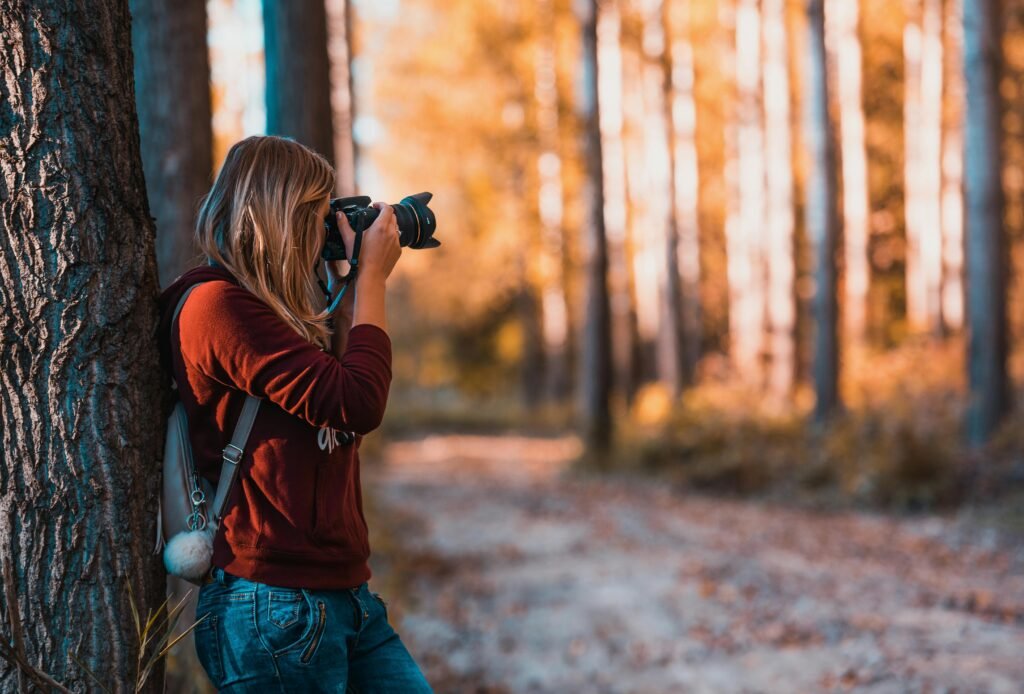
Framing is yet another valuable technique that can add context and focus to your photos. By using elements within the scene, such as trees, arches, or doorways, as a frame, you can create a natural vignette that isolates your subject. This approach draws the viewer’s attention and highlights the subject, all while adding depth to the photograph. Experimenting with different angles and viewpoints can yield surprising and delightful results, emphasizing the multifaceted nature of travel destinations.
Incorporating these composition techniques into your travel photography can lead to more visually compelling images, allowing you to share your experiences in a captivating manner. By mastering these fundamental skills, beginners will be on their way to producing stunning travel photographs that truly convey the beauty of the world around them.
Utilizing Natural Light to Your Advantage
Lighting plays a crucial role in photography, often determining the overall quality and mood of an image. For beginners, understanding how to effectively utilize natural light can elevate their travel photography significantly. Natural light changes throughout the day, and being aware of these variations can allow photographers to capture stunning images.
The golden hour, which occurs shortly after sunrise and just before sunset, is widely regarded as the best time for shooting outdoor photography. During this period, the sunlight has a soft, warm quality that creates flattering skin tones and enriches colors in landscapes. In addition, the long shadows produced during the golden hour can add depth and texture to photographs. Beginners should strive to schedule their outdoor shoots during these magical moments to take advantage of the favorable lighting conditions.
Besides the golden hour, it is vital to familiarize oneself with other times of day as well. Overcast days can produce diffused light, which is perfect for capturing details without harsh shadows. On the other hand, the midday sun often creates stark contrasts and can wash out colors. Learning how to adapt to different lighting conditions expands a photographer’s skill set and opens up new creative possibilities.
Moreover, manipulating natural light is a key aspect of improving travel photographs. Photographers can use reflectors to bounce light onto their subjects or position them in shaded areas to soften the light. Understanding how to use nearby objects, such as trees or buildings, can also create interesting shadows and highlights. By experimenting with these techniques, beginners can harness natural light to capture images that are visually compelling and rich in detail.
Embracing the Environment and Culture
Capturing the essence of a destination through photography involves more than just snapping pictures of iconic landmarks; it requires an understanding of the environment and culture. Engaging with the local surroundings and communities enriches your travel photography, allowing for a deeper representation of the spirit of a place.
To begin, take the time to immerse yourself in the destination. Spend a few hours exploring neighborhoods, markets, and social hubs. Conversations with locals not only provide insights into their daily lives but also enable you to understand culturally significant moments that can add depth to your photographs. Ask questions that encourage storytelling, such as their favorite local traditions or hidden spots in the area. This kind of engagement fosters trust and often results in more intimate, candid shots.
When photographing locals, it is imperative to seek permission first, respecting their privacy and customs. A friendly approach can open more doors; make an effort to introduce yourself and express your interest in their culture. Many cultures appreciate admiration and respect, and this can lead to opportunities for more personalized photos. Cultural festivals and community events are excellent occasions to capture vivid expressions of local traditions and celebrations.
Additionally, consider how the environment enhances your storytelling. Incorporating local architecture, natural landscapes, and urban scenes can provide context to your images. A photograph of a bustling street market, for instance, does not merely depict the vendors but narrates a tale of commerce and community life. Experiment with different angles and compositions that incorporate both subjects and their surroundings to evoke the atmosphere of a locale.
Ultimately, successful travel photography is about conveying the character and spirit of a destination through an authentic lens—one that embraces both its culture and environment, resulting in images that truly resonate with viewers.
Experimenting with Different Angles and Perspectives
One of the most effective ways to enhance travel photography is by experimenting with different angles and perspectives. Beginners often rely on conventional eye-level shots, which can result in dull and unexciting images. To create more dynamic and compelling travel photographs, it is important to explore various viewpoints that showcase subjects in an unconventional manner.
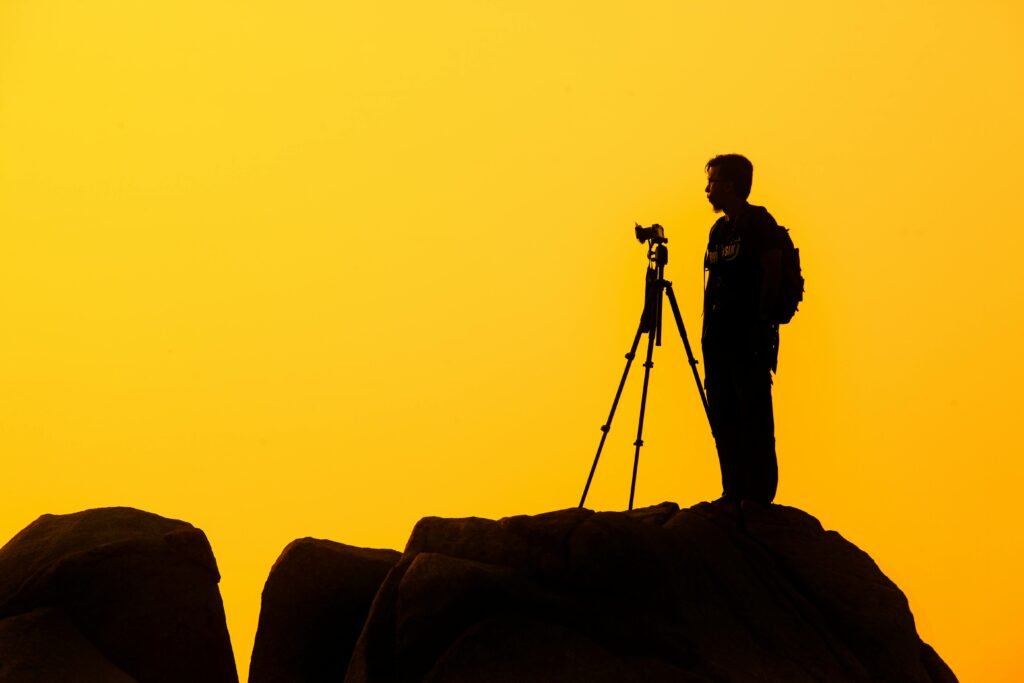
Start with altering your position when capturing a scene. Rather than simply standing in front of your subject, consider kneeling to shoot from a lower angle or finding a higher vantage point to capture an aerial perspective. This not only introduces uniqueness to your images but also emphasizes the scale and importance of your subject within the environment. Climbing a staircase, using a tripod on a hilltop, or finding a raised platform can effectively alter the viewer’s perception and draw them into the scene.
In addition to changing your physical location, try experimenting with different lenses and focal lengths. Wide-angle lenses can amplify the feeling of depth in landscape photography, making subjects appear more prominent against vast backdrops, while telephoto lenses can isolate subjects from their surroundings, providing a more intimate view of elements within a bustling city or serene countryside. Using a mix of equipment allows for an exciting range of creative possibilities.
Frame your subject with elements found in the environment, such as tree branches or doorways, giving the image a natural vignette effect. Additionally, play with reflections in water, glass, or mirrors to add depth and layers to your composition. By incorporating these techniques, your travel photographs can tell a richer story, capturing unique moments that resonate with your audience. Remember, the key to memorable photography resides in your willingness to break away from traditional perspectives and explore the world through a creative lens.


Post-Processing Your Travel Photos
Post-processing is a vital component of travel photography that can significantly enhance the quality and appeal of your images. After capturing your photos, the next step is to refine them using various editing software. This process allows photographers to correct imperfections and bring out the best features of their shots, ultimately transforming ordinary images into stunning representations of their travel experiences.
One of the fundamental editing techniques is cropping. Cropping helps in eliminating distractions from the edges of the image and allows you to focus on the subject matter. It can also strengthen compositions by adhering to the rule of thirds, making the final photograph more visually appealing. Many photographers find that they can achieve a clearer narrative in their travel photos by simply adjusting the framing during post-processing.
Color adjustment is another essential element of refining your travel images. Different lighting conditions can affect colors significantly, and utilizing editing software enables photographers to enhance saturation, contrast, and brightness. By adjusting these parameters, you can recreate the vibrant hues experienced during your travels, ensuring that the images remain true to the original moments. Additionally, exploring color balance—such as adjusting individual color channels—can help achieve a more harmonious final result.
Filtering is also a powerful tool in post-processing your travel photos. Filters can be applied to create a specific mood or atmosphere, allowing you to convey the essence of a location more effectively. Whether you aim for a vintage look, dramatic contrast, or a soft, dreamy effect, utilizing filters can elevate your images and engage viewers visually. While it is important to maintain the authenticity of your photographs, thoughtful application of filtering can enhance their overall storytelling potential.
In conclusion, post-processing is an indispensable step in travel photography, as it allows you to enhance and refine your images through various editing techniques such as cropping, color adjustment, and filtering. By mastering these skills, you can significantly improve the impact of your travel photos, creating captivating visuals that beautifully represent your adventures.
Creating a Travel Photography Portfolio
Developing a travel photography portfolio is an essential step for any aspiring photographer seeking to showcase their work. A well-curated portfolio can effectively display your unique perspective and style while attracting potential clients, galleries, or collaborators. The first step in creating your portfolio is to select your best works. This selection process involves not only choosing photographs that resonate with you but also those that represent your versatility as a travel photographer.
When selecting images, consider a combination of striking landscapes, candid portraits, and vibrant cultural scenes. Aim for diversity in your portfolio; displaying various techniques and styles can highlight your skills and adaptability. Additionally, it is advisable to include images that convey a sense of storytelling. Travel photography is not just about beautiful scenery; it often involves capturing moments that evoke emotion and tell a narrative about the places you visit and the people you meet.
Once you have curated your selection, consider the presentation of your travel photography portfolio. Utilize online platforms and social media effectively, as they are powerful tools for reaching a wider audience. Websites such as Adobe Portfolio or Squarespace allow you to create a customized online portfolio. Ensure that your website is visually appealing and user-friendly, making it easy for visitors to navigate through your collection.
Social media platforms like Instagram and Pinterest are also golden opportunities to showcase your travel photography. Utilize hashtags related to travel photography to increase visibility and engage with other photographers. Regularly update your profiles with fresh content, allowing followers to witness your journey and growth as a photographer. By strategically selecting, presenting, and promoting your travel photographs, you can create a portfolio that genuinely reflects your artistic vision and connects with others in the travel photography community.


Conclusion and Encouragement
As we conclude our exploration of essential travel photography tips for beginners, it is crucial to recognize that the journey into photography is as much about the experience as it is about the images you create. Travel photography presents a unique opportunity to not only capture the stunning sights around the world but also to document the emotions and stories that accompany those moments. Therefore, while techniques and equipment are significant, the heart of travel photography lies in the act of observation and capturing fleeting moments.
For those who are new to the craft, practice is your best ally. As you venture out with your camera, aim to take photos regularly, regardless of the setting. Each environment offers opportunities for creativity, allowing you to experiment with different angles, lighting, and compositions. Learning to operate your camera effectively will prove invaluable, so take the time to familiarize yourself with its settings. Through consistent practice, you will begin to develop your unique style and perspective, something that is vital for any aspiring photographer.
Additionally, don’t shy away from sharing your work. Whether through social media, a personal blog, or photography communities, engaging with others can provide feedback that is crucial for growth. Most importantly, make sure to enjoy the process. The joy of travel photography lies in the stories your photos tell and the memories they conjure. Embrace each moment, immerse yourself in your surroundings, and don’t hesitate to explore various photography genres. Your creative journey is just beginning, and every click of the shutter brings you one step closer to capturing extraordinary moments. So grab your camera and start your adventure today.