
6 Underrated Cities in Portugal You Should Visit
Introduction
Portugal, a country renowned for its breathtaking landscapes, rich history, and vibrant culture, offers a wealth of destinations beyond the well-trodden paths of Lisbon and Porto. While these two cities draw millions of visitors each year, there exists a myriad of underrated cities in Portugal waiting to be discovered. These lesser-known urban gems often showcase their own unique charm, history, and cultural heritage, offering travelers an authentic glimpse into the heart of Portugal.
Exploring underrated cities can provide numerous benefits for visitors. Firstly, these locales tend to be less congested, allowing for a more peaceful and enjoyable travel experience. Travelers can wander the streets without the constant hustle and bustle often found in more popular destinations. This tranquility presents a unique opportunity to truly immerse oneself in the local culture, interact with residents, and enjoy the slower pace of life.
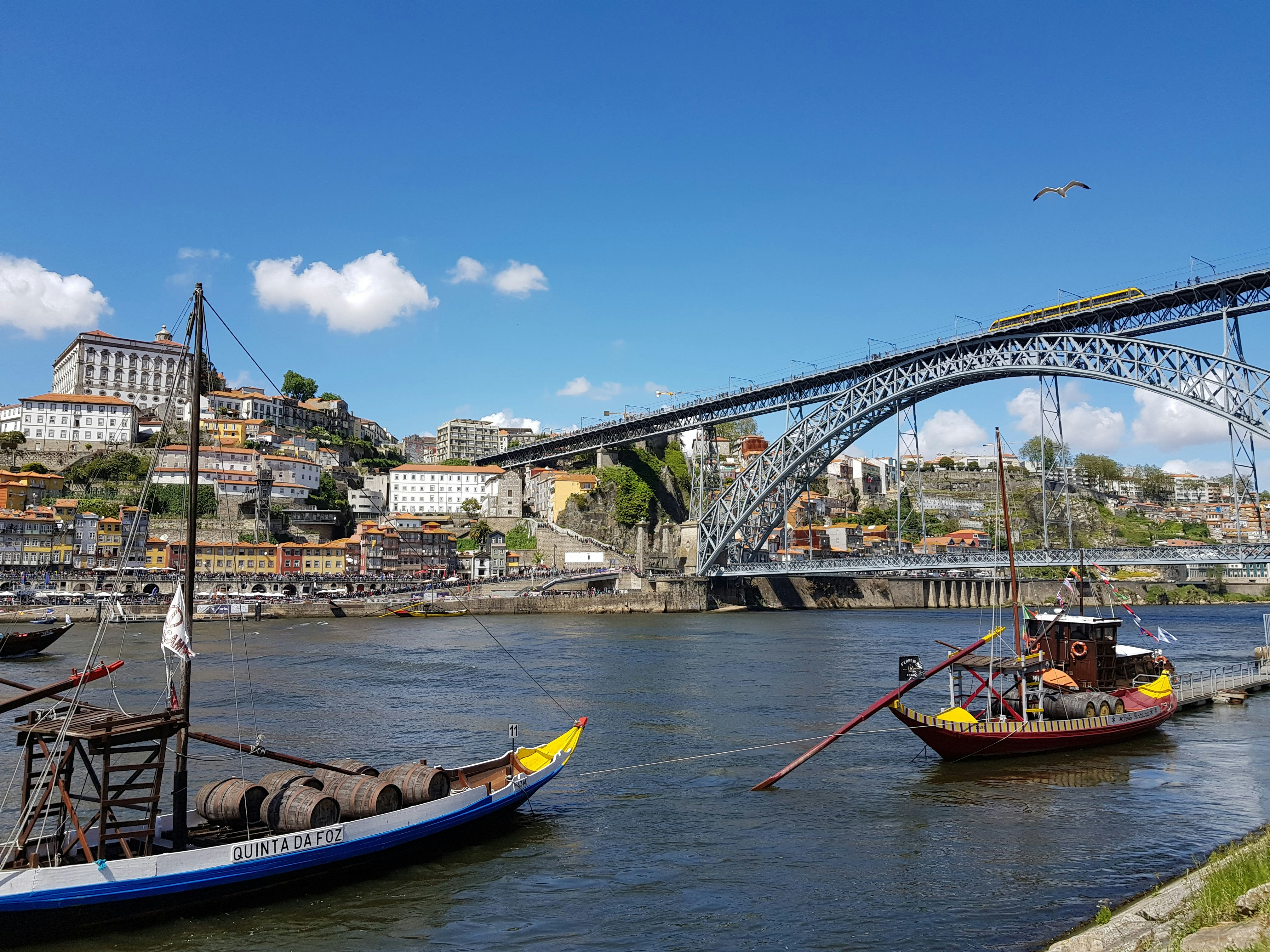
Moreover, these underrated cities frequently boast rich histories and distinctive traditions that may be overlooked by mainstream tourism. From ancient forts and quaint towns to thriving arts scenes and culinary delights, these locations have much to offer those willing to venture off the beaten path. Additionally, by visiting lesser-known cities, travelers contribute to local economies, helping to sustain communities and preserve their unique identities.
In exploring these hidden treasures, visitors can expand their understanding of Portuguese culture and history while forging genuine connections with the local community. This not only enriches the travel experience but also fosters a deeper appreciation for the diverse beauty that Portugal has to offer. As we delve into some of these underrated cities in Portugal, prepare to uncover unique stories and experiences that truly define this remarkable country.
Évora
Évora, a city located in the Alentejo region of Portugal, is often overshadowed by more prominent Portuguese destinations such as Lisbon and Porto. However, this UNESCO World Heritage site boasts a historical significance that is both rich and captivating. The city has been influenced by a myriad of cultures, most notably the Roman and Moorish civilizations, which have left an indelible mark on its architecture and cultural landscape.
One of the most iconic landmarks in Évora is the well-preserved Roman Temple, also known as the Temple of Diana. This stunning structure dates back to the 1st century AD and serves as a remarkable reminder of the city’s ancient roots. The temple’s Corinthian columns and intricate details offer a glimpse into the architectural prowess of the Romans and stand as a testament to the city’s historical importance.
In addition to its Roman heritage, Évora is also home to the Chapel of Bones, an extraordinary site that reflects the city’s unique blend of history and culture. This chapel, located within the Church of St. Francis, features walls adorned with human skulls and bones, designed to remind visitors of the transitory nature of life. The eerie yet fascinating atmosphere of the chapel draws in curious tourists and locals alike, further enhancing the city’s allure.
Despite its wealth of attractions, Évora remains underrated, perhaps overshadowed by the more popular tourist spots in Portugal. Yet, this city offers a vibrant culture, characterized by local cuisine, traditional crafts, and a friendly atmosphere. Visiting Évora allows for a deeper understanding of Portugal’s diverse history while enjoying a more tranquil experience away from the bustling crowds. Its unique blend of Roman and Moorish influences, accompanied by rich cultural experiences, makes Évora a must-visit destination for anyone seeking to explore the less-traveled paths of Portugal.
Braga: A Hidden Gem in Portugal
Braga, often referred to as the “Rome of Portugal,” is a city rich in religious architecture and vibrant traditions, making it one of the most underrated destinations in the country. Visitors to Braga can expect to discover stunning examples of Baroque churches, exemplified by the magnificent Bom Jesus do Monte sanctuary. This architectural masterpiece, perched atop a hill, is not just a pilgrimage site but also a stunning vantage point offering panoramic views of the surrounding landscape.


The heritage of Braga is deeply intertwined with its spiritual roots, and the city hosts numerous local festivals throughout the year, which reflect its rich traditions. One notable event is the Semana Santa (Holy Week), where locals come together to celebrate their faith through processions and various religious activities. These events not only highlight the city’s historical roots but also foster a sense of community among the residents, further enhancing Braga’s cultural appeal.
In addition to its notable landmarks and religious significance, Braga is infused with a youthful energy, primarily due to its sizable student population. The presence of institutions like the University of Minho contributes to a dynamic atmosphere filled with coffee shops, bookstores, and cultural discussions, making it an inviting place for young travelers and academics alike. This youthful vibe is often contrasted with the more historic and traditional aspects of the city, creating a unique juxtaposition that is both fascinating and engaging.
Despite its numerous attractions, Braga is often overshadowed by more popular Portuguese destinations such as Porto and Lisbon. However, for travelers seeking an authentic experience rich in history, architecture, and local culture, Braga remains an absolute must-visit. This hesitance to spotlight Braga fully, while understandable, only adds to its charm, allowing visitors to uncover its treasures free from the large tourist crowds that frequently descend upon other cities.
Aveiro: The Venice of Portugal
Aveiro, often referred to as the “Venice of Portugal,” is a charming city situated in the central part of the country, characterized by its numerous canals and unique architecture. This picturesque destination is well-known for its colorful buildings that line the waterways, creating a captivating atmosphere that draws visitors to explore its beauty. The intricate azulejos, or painted ceramic tiles, adorn many structures, giving the city a distinctive aesthetic that reflects its rich cultural heritage.
One of Aveiro’s most iconic features is the traditional moliceiro boats that glide elegantly through the canals. Originally used for seaweed harvesting, these vibrant boats have become a symbol of the city and offer visitors a unique perspective of Aveiro’s architectural splendor. A boat tour along the canals allows travelers to immerse themselves in the serene environment while appreciating the stunning views of the waterfront buildings. The slow-paced journey provides an ideal opportunity to take photographs and truly appreciate the local charm.
Aveiro is also celebrated for its delectable local culinary delights, especially the famous ovos moles pastry. This sweet treat, made from egg yolks and sugar, is encased in a delicate wafer shell and often shaped to resemble the local marine life. A visit to Aveiro is not complete without indulging in this delicacy, which can be found at various bakeries throughout the city.
The combination of its scenic canals, vibrant architecture, and culinary offerings makes Aveiro a hidden gem worthy of exploration. Travelers seeking an authentic experience in Portugal will find charm and allure in this underrated city, making it a must-visit on their travels.
Óbidos
Óbidos is a picturesque medieval town located in the Oeste region of Portugal, celebrated for its well-preserved architecture and charming cobblestone streets. The town is dominated by the impressive Óbidos Castle, a fortress that dates back to the Moorish occupation of the Iberian Peninsula. This castle not only offers a glimpse into the region’s storied past but also stunning panoramic views of the surrounding countryside that attract many visitors. Walking through the narrow streets, one can admire the whitewashed houses adorned with colorful bougainvillea, creating an enchanting atmosphere that feels as though it is straight out of a fairy tale.
Cultural significance is deeply rooted in Óbidos, particularly marked by events such as the annual Óbidos Literary Festival. This event transforms the town into a vibrant hub of literature and art, drawing famous authors and creatives from across the globe. During the festival, visitors can attend a series of workshops, book signings, and engaging readings, all set against the backdrop of the town’s historic ambiance. Óbidos also hosts the famous Ginjinha liquor, a sweet cherry liqueur typically served in a small chocolate cup. This local delicacy is a must-try for those seeking to experience the unique flavors of Portuguese cuisine.
Despite its charm and cultural richness, Óbidos is often overshadowed by larger Portuguese cities such as Lisbon and Porto. However, its captivating history, vibrant festivals, and culinary delights make it a destination that deserves more attention from travelers. Whether wandering through its historic streets or enjoying a glass of Ginjinha at one of the local taverns, visitors are sure to be captivated by the allure of Óbidos, making it a worthy stop on any Portuguese itinerary.
Guimarães: The Birthplace of Portugal
Guimarães, often referred to as the birthplace of Portugal, boasts a rich historical and cultural heritage that remains largely underrated compared to the country’s larger cities such as Lisbon and Porto. This city, located in the northern region of Portugal, is recognized for its medieval architecture and significant landmarks that reflect its influential role in shaping the nation’s history.
The historical center of Guimarães is a UNESCO World Heritage Site, characterized by its well-preserved buildings and narrow cobbled streets. The architecture spans several centuries, showcasing a harmonious blend of Gothic, Romanesque, and Baroque styles that encapsulate the essence of its medieval origins. Visitors can explore the famed Guimarães Castle, a formidable structure that dates back to the 10th century. This castle not only symbolizes the city’s medieval past but also played a crucial role in the foundation of the Portuguese kingdom.
The significance of Guimarães extends beyond its architectural marvels. The city is home to various historical sites, such as the Palace of the Dukes of Braganza, which reflects the royal history of Portugal and offers insights into the lifestyle of the nobility. Each corner of Guimarães tells a story, allowing tourists to immerse themselves in the city’s narrative of patriotism and cultural evolution.
Despite these striking attributes, Guimarães continues to be overshadowed by more populous cities. Its underrated status may be attributed to a lack of widespread promotion compared to other destinations. However, for travelers seeking a deep cultural and historical experience, Guimarães serves as a remarkable reminder of Portugal’s layered history and offers unparalleled insights into the country’s past.
Tomar: A Hidden Gem of Templar Heritage
Situated in the heart of Portugal, Tomar is a city that beautifully intertwines history and culture, boasting a rich narrative steeped in Templar lore. The city is perhaps best known for the iconic Convent of Christ, a UNESCO World Heritage site that stands as a testament to the architectural brilliance of the Knights Templar. This magnificent complex is a blend of diverse architectural styles, including Romanesque, Gothic, and Manueline, which collectively showcase the historical timeline of this important location.
The Convent of Christ was originally founded in the 12th century and has been a site of significant military, religious, and cultural activities. Visitors to the convent can explore its multifaceted history, from the stunning charola—an octagonal chapel akin to the Holy Sepulchre—to the cloisters adorned with intricate carvings. Each corner of the convent tells a unique story, offering a glimpse into the life of the Templars who once inhabited this prosperous region.
Beyond the walls of the convent, the scenic beauty of the surrounding area invites exploration. The city is encircled by lush landscapes, including the tranquil Nabão River and the rolling hills that serve as a backdrop for leisurely strolls and nature hikes. This picturesque terrain has played a significant role in the local culture, fostering a strong connection between the residents of Tomar and their natural environment.
Despite its rich history and stunning scenery, Tomar often remains overshadowed by more popular tourist destinations in Portugal such as Lisbon and Porto. This oversight presents a unique opportunity for travelers seeking to immerse themselves in an authentic Portuguese experience, away from the bustling crowds. The local culture is vibrant, with traditional fairs, culinary delights, and friendly residents eager to share their heritage, making Tomar a city deserving of recognition on any itinerary.
Conclusion
As we conclude our exploration of the six underrated cities in Portugal, it is clear that these destinations offer unique experiences that set them apart from the more frequented tourist spots. Often overshadowed by well-known cities like Lisbon and Porto, places such as Évora, Braga, and Guimarães are steeped in rich history, stunning architecture, and vibrant culture, waiting to be discovered by the intrepid traveler. By choosing to visit these lesser-known locales, you open yourself to the authentic essence of Portuguese life.
Venturing off the beaten path allows you to immerse yourself in the local culture, savor traditional cuisines, and embrace the enchanting traditions that define each city. The charm of small towns like Tomar or the picturesque beauty of Tavira can provide a refreshing alternative to the crowded city centers, offering a chance to connect more intimately with the Portuguese way of life. From exploring ancient castles to wandering through tranquil streets, the experiences in these cities are boundless.
For those considering a journey through Portugal, we encourage you to include these hidden gems in your travel itinerary. Their captivating stories, breathtaking landscapes, and welcoming atmospheres promise to enrich your travels. For more detailed planning, you may refer to our comprehensive Portugal itinerary article, which offers insights on how to seamlessly incorporate these cities into your travel plans. Embarking on this adventure will not only enrich your understanding of Portugal but also create memories that will last a lifetime.