
7 Best Places to Visit in Peru Beyond Machu Picchu
Introduction
Peru is renowned worldwide for its iconic landmark, Machu Picchu, a UNESCO World Heritage site that attracts millions of visitors each year. However, while this ancient citadel is undoubtedly a must-see, a growing trend among travelers is beginning to emphasize the exploration of Peru beyond this singular destination. Increasingly, adventurous souls seek to uncover the less-traveled paths that lead to authentic experiences, allowing them to engage more deeply with the country’s diverse cultures and breathtaking landscapes.
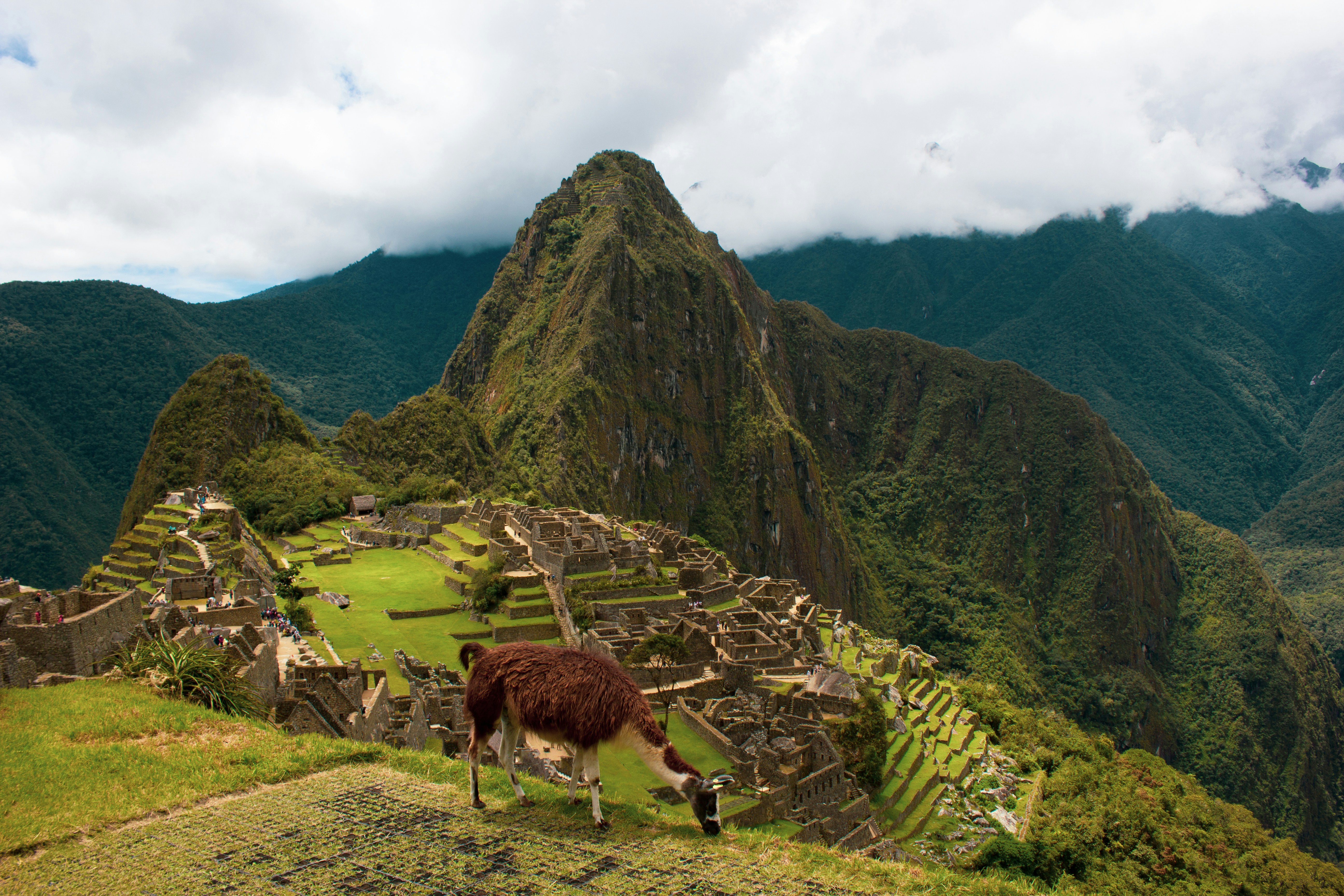
From the towering Andes to the vast Amazon rainforest, Peru boasts a remarkable variety of environments, each holding unique treasures waiting to be discovered. The allure of Peru extends far beyond its most famous attraction, leading visitors to explore its lesser-known cities, towns, and natural wonders. These hidden gems are not just picturesque in their uniqueness; they also offer invaluable insights into the fabric of Peruvian life and its rich heritage.
This article aims to highlight seven exceptional destinations that encapsulate the essence of Peru, offering alternatives to the traditional tourist trail. By venturing beyond Machu Picchu, travelers will have the opportunity to experience breathtaking landscapes, vibrant local customs, and the warm hospitality of the Peruvian people. We encourage you to broaden your horizons and delve into Peru’s diverse offerings, as they promise to be equally enchanting and memorable. These locations showcase the true spirit of Peru, inviting travelers to connect with the country in a meaningful way.
Arequipa – The White City
Arequipa, known as the “White City” due to its distinctive colonial architecture crafted from white volcanic rock, is a remarkable destination in Peru that should not be overlooked. Founded in 1540, the city carries a rich historical significance, showcasing a blend of indigenous and Spanish influences. It is nestled in the Southern Andes and surrounded by stunning landscapes, with the imposing El Misti volcano providing a breathtaking backdrop that enhances the city’s appeal.
The historical center of Arequipa is a UNESCO World Heritage Site, boasting numerous beautifully constructed buildings, plazas, and churches that highlight the remarkable mastery of sillar, the city’s characteristic volcanic stone. Among its prominent landmarks is the Santa Catalina Monastery, an expansive and colorful convent that dates back to the 16th century. This architectural marvel offers visitors a glimpse into the life of the nuns who lived there and features charming streets and vibrant murals, making it one of the city’s highlights.
In addition to its architectural wonders, Arequipa is renowned for its vibrant cultural scene. The city hosts various festivals throughout the year, including the famous Arequipa Festival, where visitors can immerse themselves in local traditions and customs. The culinary scene is equally enticing, with local specialties like rocoto relleno, a stuffed spicy pepper, and adobo, a hearty marinated meat dish, drawing food enthusiasts to sample its flavors. Arequipa is also known for its bustling markets, such as the San Camilo Market, where one can experience authentic Peruvian daily life.
The best time to visit Arequipa is during the dry season, which runs from May to September, presenting ideal conditions for exploring the city and its surroundings. Practical tips for exploring include acclimatizing to the altitude and engaging with local guides to uncover hidden gems. Arequipa is a city that beautifully blends history, culture, and natural beauty, promising an unforgettable experience for travelers seeking destinations beyond Machu Picchu.
Colca Canyon – A Natural Wonder
Colca Canyon, renowned as one of the deepest canyons in the world, presents a breathtaking landscape that has captivated travelers for generations. Located in southern Peru, this remarkable natural wonder is not just a feast for the eyes but also a hub for various outdoor activities, particularly trekking. Adventurers visiting Colca Canyon can engage in multi-day treks along scenic trails that reveal the region’s stunning flora and fauna, with routes offering views of terraced fields and traditional villages.

One of the canyon’s highlights is the opportunity to witness the majestic Andean condor in its natural habitat. These magnificent birds, with wingspans exceeding three meters, can often be seen soaring above the canyon, a sight that leaves many visitors in awe. The best times for condor sightings are typically early in the morning and late afternoon when thermals are optimal for soaring. This unparalleled experience of observing a condor in flight against the backdrop of the canyon’s impressive cliffs is truly unforgettable.
In addition to the breathtaking landscapes and wildlife, the Colca Canyon region is rich in indigenous culture. The local people, predominantly from the Collagua and Cabana ethnic groups, maintain traditions that have been passed down for centuries. Visitors can immerse themselves in local customs, sample authentic cuisine, and purchase handicrafts that reflect the area’s cultural heritage. For those planning a visit, the best seasons to explore Colca Canyon are from April to October when the weather is typically dry and ideal for outdoor activities. However, it is advisable to prepare adequately for the varying temperatures and to respect the cultural customs of the local populace.
Huascarán National Park – A Trekker’s Paradise
Huascarán National Park, a designated UNESCO World Heritage Site, is an exceptional destination for trekkers and nature enthusiasts alike. Located in the Ancash region of Peru, this expansive park is renowned for its dramatic landscapes, which include soaring snow-capped peaks, glacial lakes, and an array of unique ecosystems. Nestled within the Andes mountain range, it boasts the highest peak in Peru, Huascarán, which reaches an altitude of 6,768 meters. This remarkable variety contributes to the park’s rich biodiversity, making it a prime location for exploring the natural beauty of the Peruvian wilderness.
Visitors to Huascarán National Park can experience several popular trekking routes. The Santa Cruz trek is particularly well-loved for its breathtaking views, allowing adventurers to traverse through verdant valleys and alongside glacial rivers, ultimately reaching the Base Camp of Huascarán. Another outstanding route, the Laguna 69 trek, is celebrated for its turquoise waters and stunning mountainous backdrop. These trails range from moderate to challenging, catering to those with varying levels of trekking experience.
The best time to visit Huascarán National Park for trekking typically falls between May and September, during the dry season. This period offers optimal weather conditions, facilitating safe navigation through the park’s rugged terrain. It is crucial for trekkers to be well-prepared with essential gear, such as sturdy hiking boots, warm clothing, and ample hydration supplies. Additional items like trekking poles and a reliable backpack can enhance the trekking experience, ensuring safety and comfort as explorers immerse themselves in the natural splendor of this iconic destination.
Kuelap – The Ancient Fortress
Kuelap is an impressive pre-Incan fortress located in the northern highlands of Peru, often overlooked by travelers eager to visit the more famous Machu Picchu. This ancient site, built by the Chachapoya civilization between the 6th and 16th centuries, is renowned for its grandeur and significant historical relevance. The fortress sits at an elevation of approximately 3,000 meters and is surrounded by lush cloud forest, enhancing its majestic appearance.
Architecturally, Kuelap offers a unique contrast to Machu Picchu, showcasing its own distinctive style through massive stone walls, circular buildings, and intricate carvings. The fortress walls rise to heights of up to 20 meters and span nearly 600 meters in length, creating a breathtaking silhouette against the mountainous landscape. Visitors may marvel at the site’s complex structures, such as the Temple of the Sun, adding to the allure of exploring this ancient gem.
To reach Kuelap, travelers can embark on a journey from the nearby town of Chachapoyas, utilizing a combination of vehicle and cable car transport that provides stunning aerial views of the surrounding area. The best months to visit the fortress are from May to September when the weather is drier and more favorable for hiking and exploration. It is advisable to schedule visits during the weekdays, as weekends can draw larger crowds, detracting from the tranquil experience many seek.
For those wishing to experience Kuelap with fewer tourists, arriving early in the morning or later in the afternoon can provide a more intimate experience of the fortress’s profound history and breathtaking vistas. As visitors explore Kuelap, taking note of the intricate details and the vast scale of this site will certainly leave a lasting impression, highlighting why Kuelap deserves a spot on every traveler’s Peru itinerary.
The Sacred Valley – A Cultural Hub
The Sacred Valley of the Incas is a breathtaking region that stretches along the Urubamba River, showcasing stunning mountain vistas and vibrant agriculture. It serves as an essential cultural hub for visitors to Peru who seek to experience the rich indigenous history and the unique traditions of the inhabitants. The valley, located between Cusco and Machu Picchu, is home to numerous traditional villages, each offering a glimpse into the daily lives of the local communities.

One of the key attractions of the Sacred Valley is the bustling Pisac market, which is held every Sunday. This market not only provides a platform for local artisans to sell their handcrafted goods, such as textiles and pottery, but it also serves as a gathering point for communities across the valley. Visitors can immerse themselves in the lively atmosphere, where the colorful stalls and the sounds of traders create a truly enchanting experience. Moreover, Pisac also features impressive Inca ruins that overlook the valley, offering both historical insight and panoramic views.
Another notable site is Ollantaytambo, a beautifully preserved Inca town famous for its archaeological sites. The Ollantaytambo ruins are a testament to Inca engineering, featuring terraced hillsides and impressive stone structures. This site is particularly significant due to its historical role in the resistance against Spanish colonization. Exploring Ollantaytambo provides a unique perspective on Inca resilience and ingenuity.
The best times to explore the Sacred Valley are during the dry seasons from May to September, when the weather is mild, making for an enjoyable experience. Additionally, cultural experiences abound in this region, such as weaving workshops where visitors can learn traditional techniques passed down through generations. Engaging with local artisans not only enhances understanding of their crafts but also promotes the preservation of their heritage. The Sacred Valley, with its stunning scenery and rich cultural tapestry, undoubtedly stands as a highlight for anyone traveling to Peru.


Iquitos and the Amazon Rainforest – Wild Adventures
Iquitos, the largest city in the world that cannot be reached by road, serves as the gateway to the Amazon Rainforest in Peru. This vibrant hub embraces a unique blend of Amazonian culture and the diverse wildlife that characterizes the rainforest. Visitors to Iquitos can experience firsthand the rich biodiversity, including exotic species such as pink river dolphins, vibrant parrots, and a myriad of insects that reside within the jungle’s thick cover.
The region is steeped in indigenous culture, with several local communities residing along the riverside. Engaging with these communities provides insights into traditional practices, crafts, and the significance of the rainforest in their way of life. Travelers are encouraged to participate in cultural tours that promote understanding and respect for these indigenous groups while ensuring that the benefits reach local populations.
Eco-tourism activities abound, from guided jungle treks to canoeing expeditions and visits to wildlife rescue centers. These experiences not only showcase the natural beauty of the Amazon but also promote sustainable travel practices. It is advisable for tourists to consider local guides who possess in-depth knowledge of the area. These professionals ensure a safe and enriching journey while also contributing to grassroots conservation efforts.
The best time to visit the Amazon is during the dry season, from May to October, which offers optimal conditions for exploration. However, the wet season, from November to April, reveals a different side of the rainforest, with enhanced river levels and a lush, vibrant ecosystem. Regardless of the season, it is crucial for visitors to prioritize responsible travel practices, such as minimizing waste and respecting local customs.
Lake Titicaca – The Highest Navigable Lake
Lake Titicaca, renowned as the highest navigable lake in the world, is a breathtaking destination that straddles the border between Peru and Bolivia. Situated at an altitude of approximately 3,812 meters, this expansive body of water is not only significant geographically but also boasts rich cultural heritage. Its vibrant blue waters, surrounded by majestic mountains, provide a stunning backdrop for visitors seeking to immerse themselves in nature and local traditions.
One of the most unique experiences at Lake Titicaca is a visit to the floating Uros Islands. Constructed from totora reeds, these islands are home to the Uros people, who continue to maintain their traditional way of life. Visitors can take guided tours that allow them to interact with the locals, learn about their customs, and even experience a traditional boat ride on reed-made vessels.
Another highlight is Taquile Island, known for its breathtaking views and rich textile traditions. The Taquileños, the island’s inhabitants, are skilled artisans who weave intricate textiles using centuries-old techniques. Engaging with the community through visits to workshops enhances travelers’ understanding of their cultural significance. Hiking along the island’s terraced hillsides offers spectacular panoramic views of the lake, making it a photographer’s paradise.
When planning a trip to Lake Titicaca, the best time to visit is during the dry season, which runs from April to October. This period ensures clearer skies and more pleasant weather for outdoor activities. Accessing the lake can be easily done via Puno, a bustling city that serves as the main gateway. From here, various transportation options, including boats and organized tours, cater to different preferences, ensuring an unforgettable experience at this iconic location.



Conclusion and Travel Planning Advice
As you plan your journey to Peru, venturing beyond the renowned Machu Picchu can reveal a wealth of extraordinary experiences. Whether you are drawn to the scenic beauty of the Sacred Valley, the vibrant culture of Cusco, or the unique wildlife of the Amazon Rainforest, there are myriad opportunities for exploration. Crafting a well-structured itinerary is essential for making the most of your visit. It is advisable to allocate sufficient time to enjoy each destination fully, with at least two to three days set aside for major sites. Be sure to balance your adventures with moments of rest to acclimatize, especially when traveling to higher altitudes.
Transportation options within Peru are varied, ranging from domestic flights connecting major cities to bus services offering scenic routes through the countryside. Train travel remains popular for accessing specific locations, such as the Sacred Valley, ensuring convenience and comfort. However, it is vital to book these services in advance, especially during the peak tourist season.
When it comes to accommodations, Peru offers a wide array of choices, from luxury hotels to hostels that provide a more authentic local experience. Consider staying in eco-friendly lodges or locally-owned inns to support sustainable tourism practices while immersing yourself in the surrounding culture.
Lastly, as a responsible traveler, embrace local customs and engage with communities during your trip. Supporting local businesses not only enriches your experience but also helps preserve the rich cultural heritage of Peru. The lesser-known places offer equally breathtaking vistas and fascinating stories that will make your journey unforgettable.
With careful planning and an open mind, your adventure in Peru will transcend beyond Machu Picchu, unfolding into an enriching experience across this remarkable landscape.