
9 Travel Photography Mistakes to Avoid at All Costs
Introduction to Travel Photography
Travel photography serves as an essential medium for artists and enthusiasts alike to document their journeys and share unique experiences. Capturing beautiful imagery while traversing different landscapes, cultures, and moments allows travelers to create lasting memories that can evoke feelings of nostalgia and inspiration. In essence, stunning travel photos fulfill the human desire to tell stories through visuals, offering an authentic glimpse into a world often different from our own.

Furthermore, travel photography not only enriches personal memories but also serves as a bridge to connect with others. Engaging imagery can convey emotions, traditions, and the atmosphere of a destination, allowing viewers to experience those nuances vicariously. For aspiring photographers, the quality of photographs can significantly enhance storytelling, making each image not only a visual testament to their journey but also a captivating narrative of exploration and adventure.
However, embarking on a travel photography journey comes with its set of challenges. Photographers often find it difficult to navigate varying lighting conditions, manage composition effectively, and achieve technical proficiency with their equipment while on the move. Additionally, capturing the essence of a culture can be complex, as it requires sensitivity and an understanding of context. These hurdles can result in missed opportunities for exceptional photographs, leading to common mistakes that detract from the imaginative and artistic potential intended.
Recognizing these obstacles is the first step in enhancing one’s photographic skills. With careful attention and the right guidance, photographers can refine their techniques and avoid pitfalls that could hamper their creativity. By understanding the importance of avoiding these mistakes, individuals can not only improve their photography skills but also enhance the storytelling aspect of their travel experiences, ensuring that the memories they create are as vivid and impactful as the adventures themselves.
Mistake 1: Poor Framing
Framing is an essential component of effective travel photography, as it shapes the viewer’s perception of the subject and influences the overall impact of the image. When frames are poorly executed, the focal point can become lost among distracting elements, reducing the photograph’s emotional and visual appeal. This underscores the importance of understanding and mastering proper framing techniques in travel photography.
One widely recognized method for achieving an aesthetically pleasing composition is the rule of thirds. This technique suggests dividing an image into nine equal segments by two horizontal and two vertical lines. By positioning the primary subject along these lines or intersections, photographers can create a more engaging and balanced photograph. This simple adjustment can significantly elevate the quality of a photograph, drawing attention to the most compelling aspects of a scene.
Another effective approach involves the use of leading lines, which are natural lines present in a scene that guide the viewer’s eyes towards the main subject. These can include paths, roads, or even architectural elements. Incorporating leading lines not only provides depth and perspective but also creates a visual journey for the viewer, enhancing the storytelling aspect of travel photography.
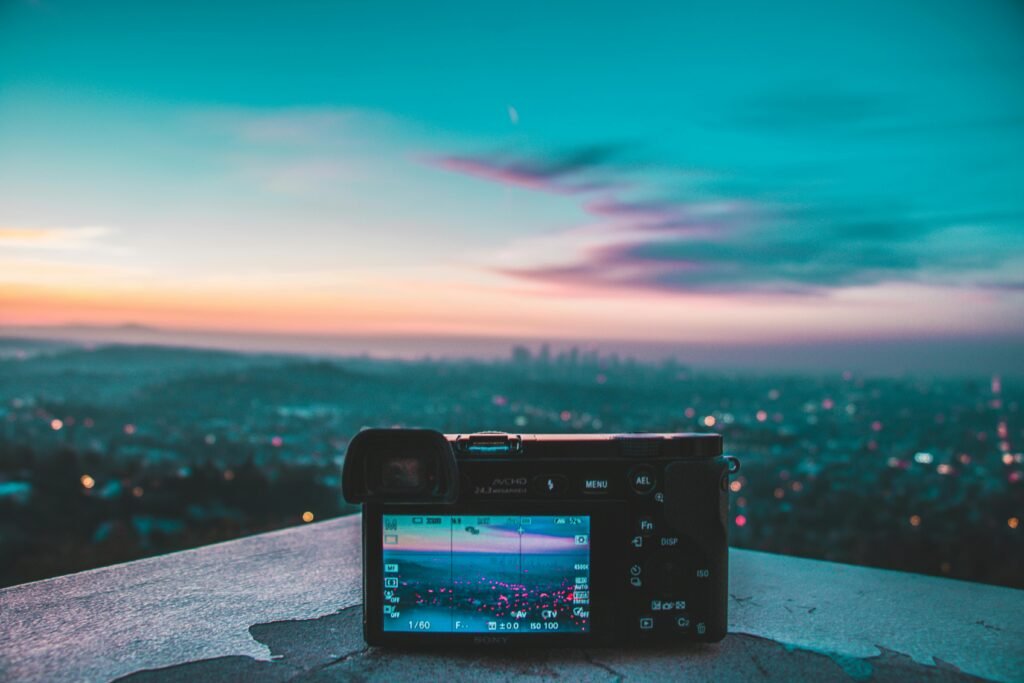
Furthermore, considering the background is crucial. A cluttered or visually distracting background can detract from the subject matter. Photographers should be vigilant in selecting backgrounds that complement, rather than compete with, the primary focus of the shot. Experimenting with different angles and vantage points can also help in achieving the best framing possible. This careful attention to framing can make the difference between an ordinary travel photograph and an extraordinary one that resonates with viewers.
Mistake 2: Over-Editing
In the realm of travel photography, achieving the perfect balance between editing and maintaining authenticity is crucial. Over-editing images can severely compromise the natural beauty of a scene, often resulting in unrealistic representations that detract from the viewer’s experience. Photographers may be tempted to apply excessive filters, dramatic color adjustments, or aggressive sharpening techniques in an effort to create eye-catching visuals. However, these tactics can lead to images that look more artificial than authentic, thus undermining the essence of the travel experience captured in the photograph.
One common pitfall of over-editing is the phenomenon known as ‘HDR-ing’. While high dynamic range photography can effectively enhance details in both highlights and shadows, excessive application can create surreal images that resemble paintings rather than photographs. The delicate balance of enhancing the intended aesthetic should always be prioritized over achieving an exaggerated effect. In this context, the goal of editing should be to accentuate a photo’s strengths while preserving its original charm. This approach allows for a more genuine representation of both the subject and the environment.
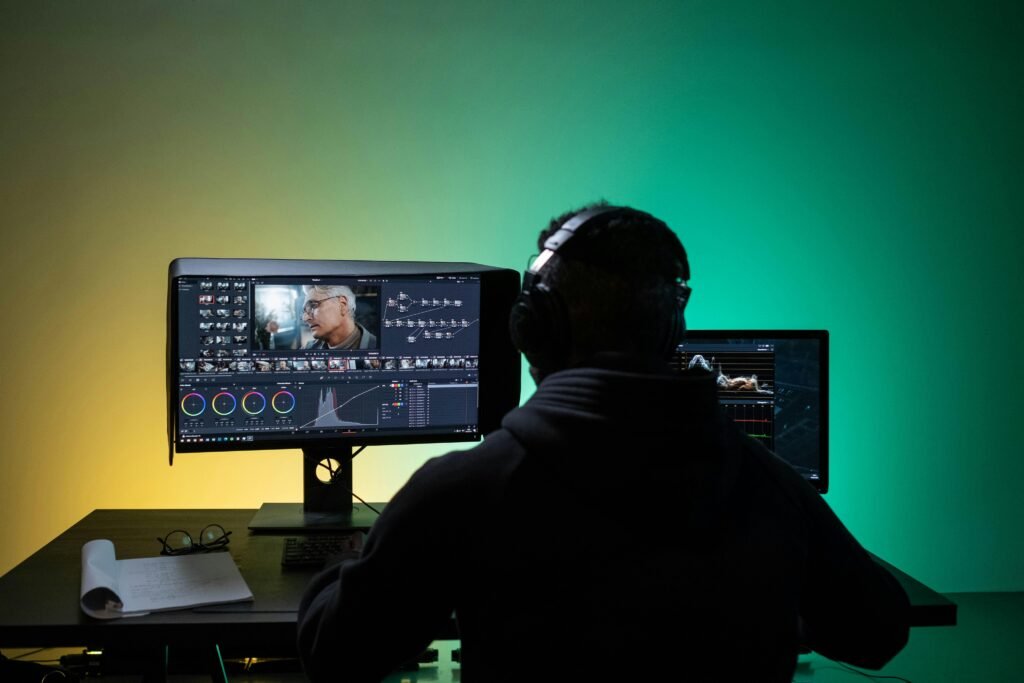
To maintain authenticity in your travel photography, consider employing editing tools that focus on subtle enhancements. Programs like Adobe Lightroom and Capture One offer a variety of options for fine-tuning exposure, contrast, and colors without radically altering the image. Techniques such as color grading or dodging and burning allow photographers to enhance their images in a controlled manner. Additionally, using presets responsibly can provide a consistent look while ensuring that the essence of the photo remains intact. Emphasizing natural beauty through thoughtful edits can lead to striking visuals that resonate with viewers, ultimately elevating the overall impact of your travel photography.
Mistake 3: Ignoring Lighting Conditions
One of the most crucial elements in travel photography is lighting. Poor lighting conditions can significantly detract from the quality of an image, leading to washed-out colors or overly dark shadows that obscure essential details. To elevate your travel photography, it is paramount to understand the importance of light and its impact on your subject. Moreover, harnessing natural light effectively can transform an ordinary photo into a captivating shot.
Shooting during the golden hour, which occurs shortly after sunrise and just before sunset, is one of the best practices for any photographer. During these times, the sunlight is soft and diffused, creating a warm glow that enhances the mood of your photos. Shadows are longer and less harsh, allowing for more dynamic compositions. A keen awareness of lighting conditions can help you capture the magnificence of diverse landscapes, from sunlit beaches to majestic mountains.
For those situations when optimal natural light is not available, various strategies can compensate for poor lighting. Utilizing reflectors can redirect natural light onto your subject, thereby illuminating features that would otherwise be shrouded in shadows. Similarly, the use of a flash can be beneficial when shooting indoors or in low-light environments, helping you achieve clarity and focus. However, it’s essential to use flash thoughtfully—overexposure can lead to unnatural looking photos that detract from the authenticity of a scene.
In conclusion, paying careful attention to lighting conditions is vital for successful travel photography. Proper management and utilization of light, especially during the golden hour, can dramatically enhance your images. By integrating these strategies, you can ensure that each shot is a true reflection of the beauty captured during your travels.
Mistake 4: Not Knowing Your Camera Settings
Understanding your camera settings is crucial for achieving high-quality travel photography. Many photographers, especially beginners, overlook the importance of mastering their camera’s fundamental functions such as ISO, aperture, and shutter speed. These settings directly influence the exposure and overall aesthetics of an image; therefore, unfamiliarity with them can lead to disappointing results.
Aperture controls the amount of light entering the camera and significantly affects depth of field. A wide aperture (lower f-number) allows more light in, which is beneficial in low-light situations and creates a blurred background effect that isolates the subject. Conversely, a narrow aperture (higher f-number) increases the depth of field, making it ideal for landscape shots where everything from the foreground to the background is in focus.
ISO ratings determine the camera’s sensitivity to light. A lower ISO is suitable for bright conditions, whereas a higher ISO can be used in dim environments. However, increasing the ISO too much can introduce noise, negatively affecting image quality. Therefore, understanding the optimal ISO settings relevant to your shooting conditions is essential for capturing clear and vibrant photographs.
The shutter speed dictates how long the camera’s shutter remains open during exposure, influencing motion capture. A fast shutter speed freezes motion, making it ideal for action shots, while a slow shutter speed can create a sense of movement, particularly important in capturing flowing water or bustling city scenes.
To improve your travel photography skills, it is beneficial to familiarize yourself with your camera’s functions and practice using manual mode. Experimenting with different settings in various environments will provide a solid foundation in understanding how these elements work together to produce visually compelling images. As you gain confidence and experience, you will be better equipped to take stunning travel photographs that reflect your unique perspective.
Mistake 5: Failing to Consider the Background
When capturing travel photography, the background is a crucial component that can significantly influence the overall impact of an image. A well-composed background can enhance the subject, while a distracting or cluttered background may detract from it. It is essential to be aware of the elements surrounding the main subject of the photograph to avoid potential pitfalls that could undermine the visual storytelling.
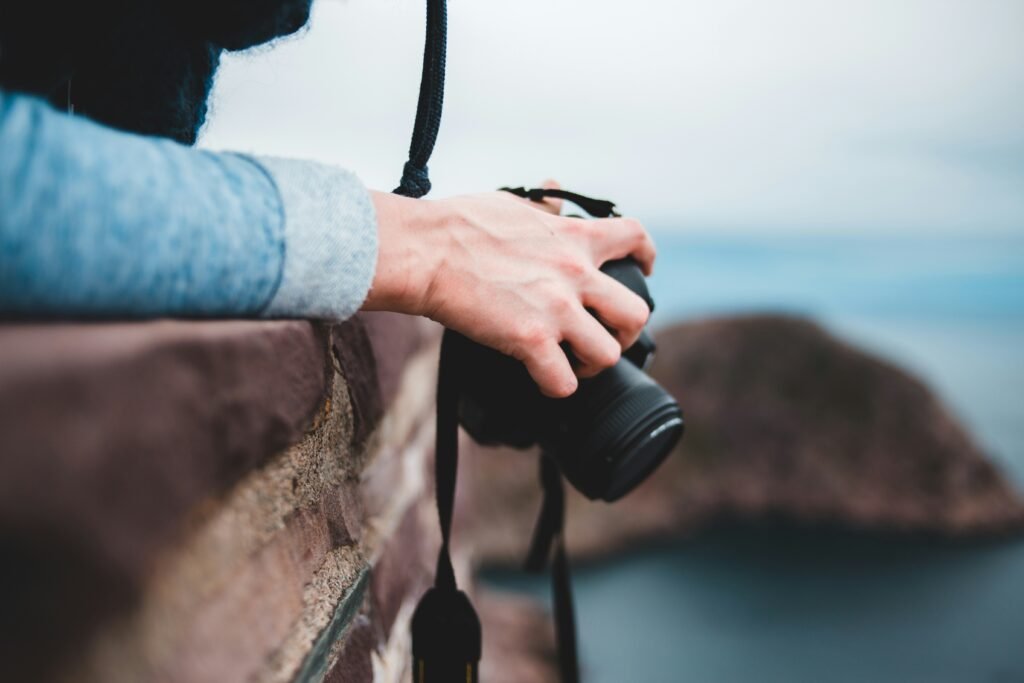
Common background distractions include busy scenes, unwanted objects, or elements that do not complement the subject. For instance, capturing a majestic monument against a backdrop filled with street signs or crowds can lead to a chaotic image. To mitigate these distractions, take the time to evaluate the background before pressing the shutter button. Consider whether any elements could draw attention away from the subject or confuse the viewer.
Opting for clean and complementary backgrounds greatly enhances the quality of travel photographs. Natural settings or simple textures can frame one’s subject beautifully, creating a more harmonious composition. Utilizing natural elements, such as foliage, can help integrate the subject with its environment while maintaining a pleasing aesthetic. The choice of backgrounds should be deliberate, ensuring they serve to highlight the traveler’s experience rather than undermine it.
Utilizing depth of field is another effective technique to isolate the subject from the background. By adjusting the aperture settings, photographers can create a blurred effect in the background, known as bokeh, which helps to separate the subject from distractions. This technique not only emphasizes the subject but also provides a sense of depth to the image, making it more inviting to viewers.
In conclusion, considering the background is essential to capturing high-quality travel photography. By consciously evaluating and selecting backgrounds, as well as applying techniques like depth of field, photographers can effectively convey their adventures while ensuring the subject remains the focal point of the image.
Mistake 6: Not Capturing Enough Variety
One of the most common pitfalls in travel photography is the tendency to capture only a narrow range of images. Many photographers focus predominantly on wide landscape shots or iconic landmarks, overlooking the myriad of other opportunities that come with travel. To create a well-rounded travel album, it is essential to capture a variety of images that reflect the diverse experiences encountered along the journey.
Incorporating different perspectives can significantly enhance your photography collection. While sweeping vistas certainly have their place, candid moments that showcase everyday life in the destination are equally valuable. These shots can include locals engaging in daily activities, children playing in the streets, or spontaneous interactions that highlight the culture. Such images provide depth and context, transforming a mere collection of pictures into a narrative that resonates with viewers.
Additionally, consider focusing on the intricate details that often go unnoticed. This might involve zooming in on local cuisine, unique architecture, or handcrafted goods at markets. Each of these elements tells a story about the place being visited. By diversifying your subjects—combining landscapes, candid shots, and detailed close-ups—you create a more engaging and comprehensive travel album that captures the essence of your experience.
To ensure variety in your photography, establish a mental checklist that encourages you to experiment with angles, compositions, and subjects. Take the time to explore lesser-known locations and engage with your surroundings. This will allow you to discover unexpected treasures that greatly enrich your portfolio. Ultimately, a well-rounded travel album leaves a lasting impression and vividly communicates the beauty and complexity of new worlds waiting to be explored.
Mistake 7: Overlooking Composition Techniques
When it comes to travel photography, the importance of composition cannot be overstated. Composition techniques serve as the backbone of compelling photographs, influencing how a viewer perceives the image. By mastering composition, photographers can transform ordinary snapshots into extraordinary visual narratives. A fundamental aspect of composition is symmetry, which often guides the viewer’s gaze. For instance, a perfectly symmetrical reflection of a mountain in a still lake can evoke a sense of harmony and balance, captivating the audience. Neglecting to incorporate such dynamics can lead to images that feel disorganized and fail to engage the viewer.
Framing is another powerful technique that can significantly enhance travel photographs. By using elements within the scene—such as doorways, trees, or arches—to encase the main subject, photographers can draw attention to specific aspects of their composition. For example, capturing a bustling market scene through an intricate gate not only adds context but also creates a sense of depth. Without employing framing techniques, a photograph may become less focused and the story it attempts to tell can weaken.
Balance is yet another crucial element of composition. A well-balanced photograph creates a sense of stability, encouraging the viewer to explore the entire image rather than just one part. This can be accomplished by distributing visual weight evenly across the frame, such as placing a colorful subject on one side with a less prominent background on the opposite side. Disregarding these essential composition principles could result in impactful images that lack structure and visual interest. When traveling, it is vital for photographers to remain aware of these techniques to elevate their work and effectively capture the essence of their experiences.
Mistake 8: Relying Too Heavily on Post-Processing
One of the most common mistakes in travel photography is the excessive reliance on post-processing to salvage images. While post-processing can undoubtedly enhance an image, it should not be viewed as a substitute for capturing the shot correctly in-camera. Relying too heavily on digital editing tools can hinder a photographer’s development, leading to missed opportunities for skill improvement and artistic growth.
Travel photography is about seizing the moment and presenting the world through your lens as authentically as possible. If your first inclination upon reviewing photos is to reach for editing software, it may indicate a lack of preparation or awareness when shooting. Understanding factors such as lighting, composition, and exposure is crucial to capture stunning images that require minimal post-processing.
When preparing for a photography session, take the time to analyze your surroundings. Look for the best angles, assess the lighting conditions, and experiment with settings on your camera to achieve the desired effect. Developing these skills ensures that the photographs you capture are compelling and impactful, thus reducing the necessity for extensive post-processing later. Aim to build a solid foundation by focusing on in-camera settings like aperture, shutter speed, and ISO. This approach will enhance the quality of your images, making post-processing simple and effective.
Moreover, it is essential to recognize that while post-processing allows for creative expression, its overuse can create a false representation of reality. Strive for authenticity in your travel photography, resonating with viewers through genuine scenes that evoke emotion and transport them to the captured destination. Remember, post-processing should be utilized to refine and enhance the beauty of your images, but the artistry truly lies in the moment you capture with your camera.
Conclusion: Learning from Mistakes
Travel photography is a captivating endeavor that allows individuals to capture and share their experiences in unique settings. However, as with any skill, photographers often encounter pitfalls along the way. Recognizing these travel photography mistakes is crucial to advancing one’s craft. The nine mistakes outlined—ranging from neglecting proper planning to overlooking the importance of light and composition—serve as valuable lessons for both novice and seasoned photographers alike.
Viewing mistakes as opportunities for growth can significantly enhance one’s photographic journey. Each misstep provides a unique insight into the intricacies of capturing stunning images that tell a story. Embracing experimentation is one of the most effective methods for honing photography skills. By stepping outside of comfort zones and trying new techniques—including different angles, settings, and lighting conditions—photographers can discover their distinct style while also improving their overall technique.
Moreover, a variety of resources are available for those seeking to enhance their travel photography skills. Online platforms offer tutorials, workshops, and forums where enthusiasts can exchange tips and experiences. Engaging with a community can foster learning and provide new perspectives that contribute to artistry. Books focusing on photography techniques and travel experiences can also be beneficial in refining one’s approach to capturing breathtaking moments.
In conclusion, learning from mistakes is an essential part of the travel photography process. By avoiding the common errors highlighted in this post, embracing experimentation, and utilizing available resources, photographers can significantly elevate their work. This journey not only enhances skills but also deepens appreciation for the art of photography, resulting in more memorable travel experiences.