
Mastering Sunset Photography: Capture Stunning Sunsets While Traveling
Introduction to Sunset Photography
Sunset photography is a captivating art form that allows photographers to capture the breathtaking transformation of color and light as the sun dips below the horizon. The enchanting palette of hues—from soft pinks to fiery oranges and reds—offers an ever-changing spectacle that delights both amateur and professional photographers. This fleeting moment has long been a favorite subject; it evokes emotions and sets the stage for stunning visuals that many strive to immortalize through their lenses.
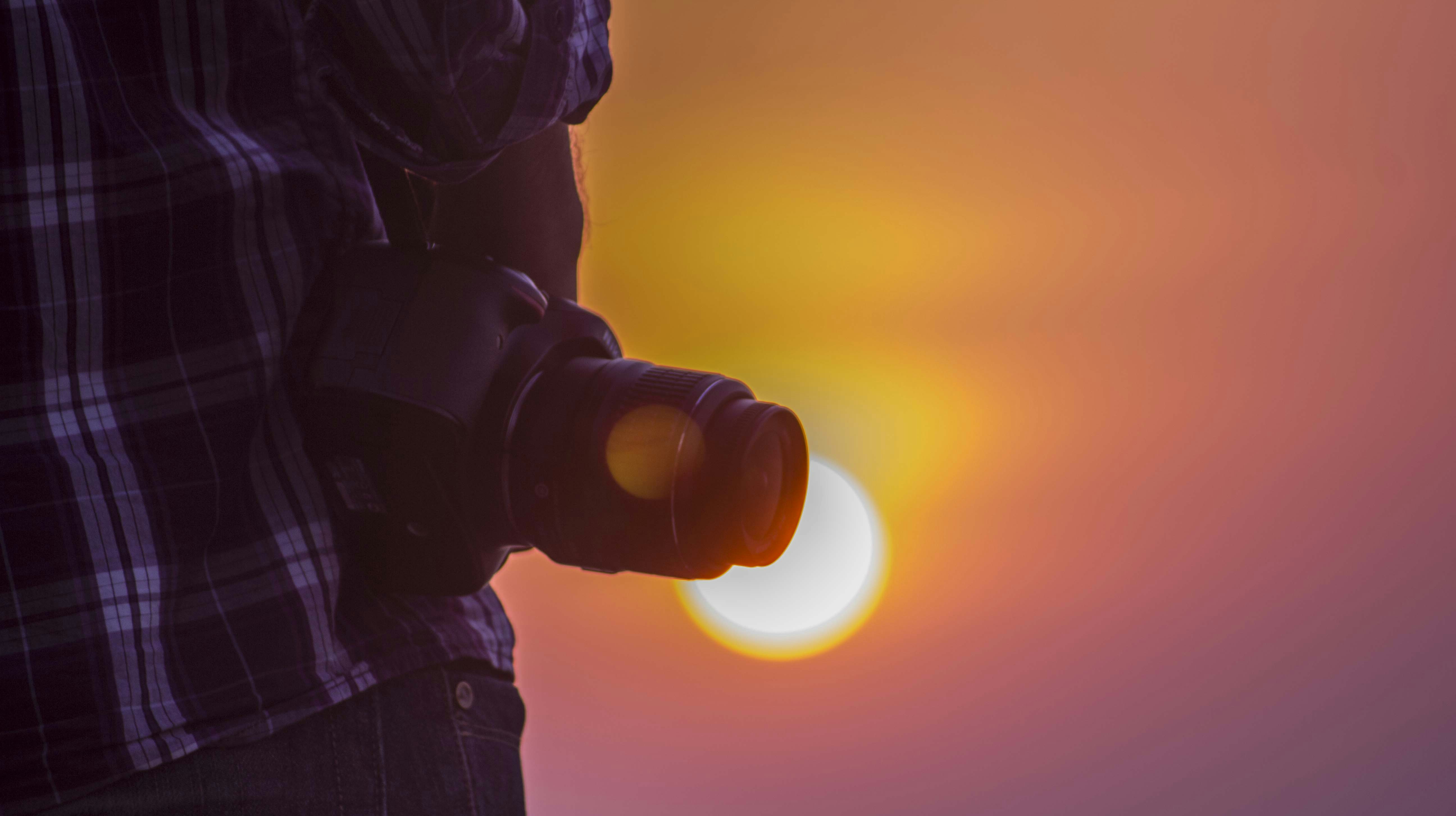
The unique characteristics of sunsets, including their unpredictable nature and diverse settings, provide endless opportunities for creativity. While the sun’s descent can vary drastically depending on the location and time of year, it is the interplay of light and cloud formations that often elevates a sunset photograph from an ordinary capture to an extraordinary one. Understanding this dynamic is essential for anyone interested in mastering the art of sunset photography.
Throughout this blog post, readers can expect to delve into vital techniques that can enhance their sunset captures. Timing, for instance, plays a crucial role; the Golden Hour, which occurs just before sunset, offers the most flattering light conditions. Moreover, the appropriate use of equipment, including selecting the right camera settings and lenses, will be explored to ensure that photographers can depict the captivating beauty of sunsets without compromising quality.
By honing these skills and embracing the magic of sunset photography, readers will learn how to appropriately compose their images, utilize foreground interest, and take advantage of the natural palette provided by nature. Whether you are on a journey to exotic locations or simply enjoying the view from your backyard, mastering sunset photography will enrich your experience and allow you to capture stunning memories that resonate with viewers long after the day has ended.
Understanding Lighting and Weather Conditions
Lighting plays a crucial role in sunset photography, as it directly influences the colors and intensity of the scene. Photographers must recognize that the quality of light changes significantly during sunset, transitioning from the harsh, direct light of midday to the soft, warm glow of the golden hour. This term refers to the period shortly after sunrise and before sunset when the sun’s position casts a golden hue on landscapes, enhancing their beauty and depth. For photographers, this time frame is essential for capturing striking images, as the colors become more vibrant and shadows soften.
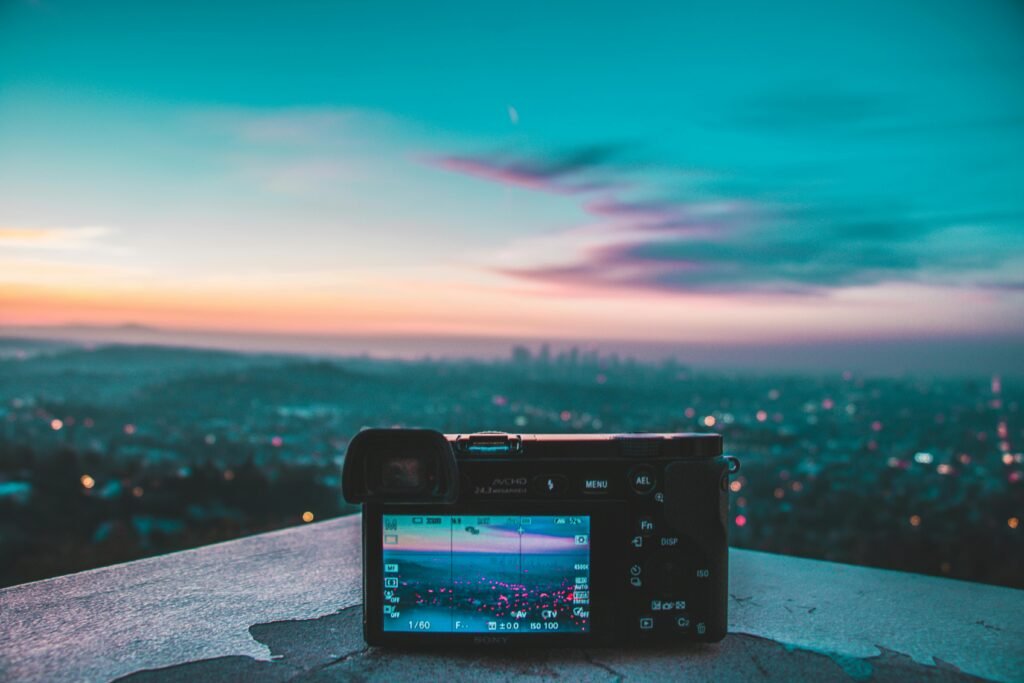
Weather conditions also have a profound impact on sunset photography. Clear skies often provide breathtaking views of the sun setting against expansive horizons. In contrast, cloudy or overcast skies may seem less favorable but can produce equally stunning results. For instance, clouds can filter sunlight, creating an ethereal quality that enhances the colors of the sunset. To optimize your sunset photography, checking weather forecasts beforehand is crucial. Look for instances where there is potential for clouds but also breaks that might allow sunlight to shine through. This combination can yield dramatic skies and interesting light patterns.
Additionally, understanding the dynamics of atmospheric conditions can help photographers make the most of their settings. Humidity and pollution can affect how light is scattered in the atmosphere, resulting in more vivid colors. For photographers facing unideal conditions, such as overcast skies, using techniques such as longer exposures or incorporating foreground elements can still produce captivating images. Emphasizing contrasts in your photography, even with diffused light, can yield powerful shots. By observing the interplay of light and weather, photographers can indeed capture stunning sunsets regardless of the prevailing conditions.
Essential Camera Settings for Sunset Photography
Capturing the beauty of a sunset requires a mastery of specific camera settings that will enhance the colors and details of the fading light. To achieve this, understanding ISO, aperture, and shutter speed is crucial, as these elements work together to create a balanced exposure.
ISO measures your camera’s sensitivity to light. For sunset photography, it is advisable to start with a lower ISO setting, such as 100 or 200, to avoid grainy images and maintain optimal image quality. As the sun dips below the horizon and natural light decreases, you may incrementally raise the ISO if needed, ensuring that your images remain sharp without compromising quality.
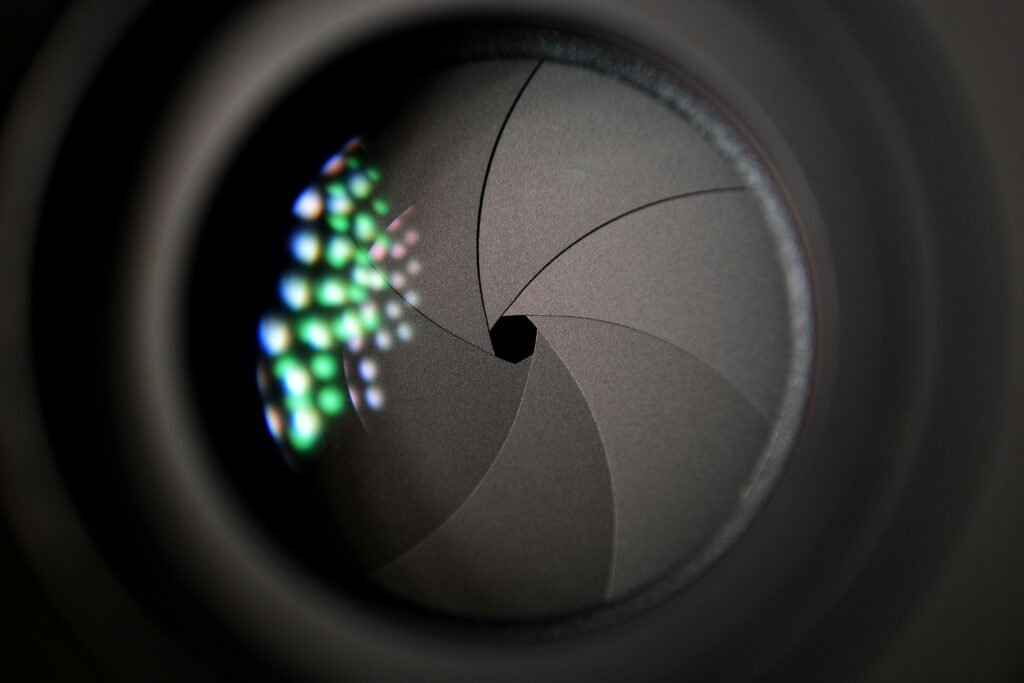
Aperture, denoted by f-stops, controls the depth of field and the amount of light entering the camera. A setting between f/8 and f/16 is often recommended for sunset photography as it allows for a wide depth of field, ensuring that both the foreground and background are in focus. This setting also contributes to the overall clarity of the image, highlighting the vibrant hues of the sunset sky.
Shutter speed is the final element in this triple combination, determining how long the camera’s sensor is exposed to light. During sunset, a slower shutter speed can be beneficial to capture the rich, dynamic colors. However, be cautious of overexposure in brighter areas of the sky, which can wash out details. Using a shutter speed of around 1/30 to 1/60 of a second is often effective, but this may vary depending on the specific sunlight conditions.
Utilizing manual mode gives photographers greater control over these settings, allowing for precise adjustments to achieve the desired exposure. By experimenting with these settings and avoiding common pitfalls such as overexposing brighter areas, you can elevate your sunset photography to new heights. Understanding and effectively balancing ISO, aperture, and shutter speed will enable you to create stunning images that truly capture the beauty of sunset scenes.
Choosing the Right Composition
When it comes to sunset photography, selecting the right composition is essential for capturing breathtaking images. One fundamental principle to consider is the rule of thirds. This technique involves dividing the frame into nine equal segments by two vertical and two horizontal lines. When you position the sunset along these lines or at their intersections, it creates a more balanced and engaging image. For instance, placing the horizon in the top third of the frame often emphasizes the vibrancy of the sky, while positioning it in the lower third can highlight reflective waters or interesting landforms.
In addition to the rule of thirds, leading lines can significantly enhance your sunset photographs. These lines can guide the viewer’s eye toward the sun or another focal point within the image. Natural elements such as roads, rivers, or trails can serve as excellent leading lines, directing attention to the sunset and creating a sense of depth. The viewer’s journey through the photograph can evoke emotion and draw them into the scene, making for a more captivating experience.
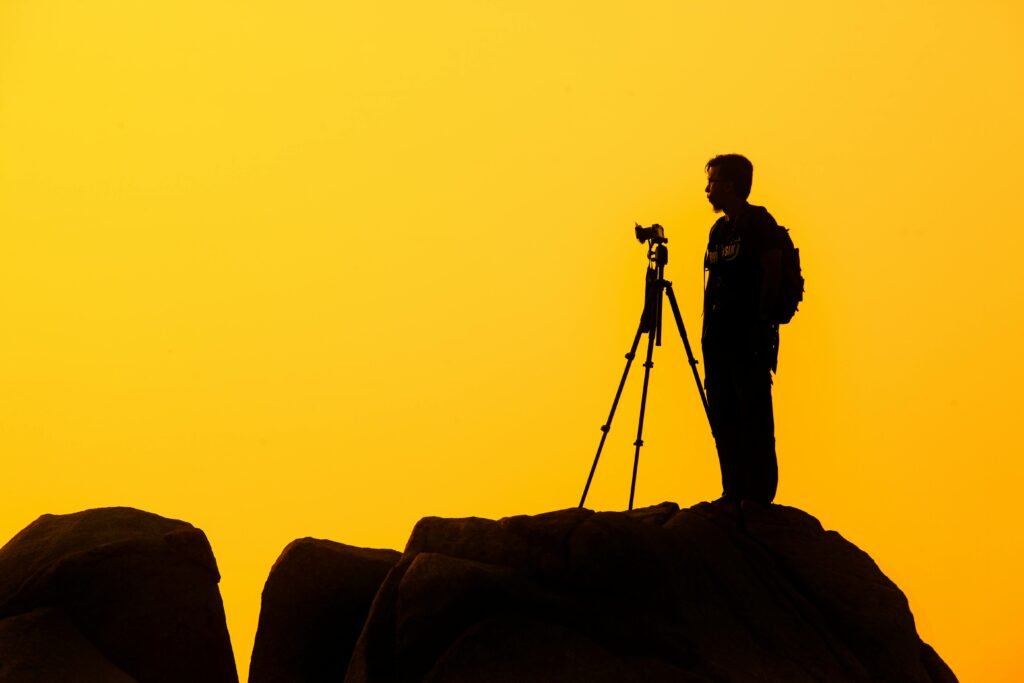
Furthermore, incorporating foreground elements is a vital technique to add dimension and context to sunset images. Elements like rocks, flowers, or silhouettes of trees can introduce layers into the composition, creating a three-dimensional feel. Subjects in the foreground not only draw the viewer’s eye but can also serve to frame the sunset, emphasizing its beauty. This approach allows for a richer storytelling aspect, inviting viewers to envisage themselves within the scene.
To master the art of composition in sunset photography, understanding these principles is crucial. By thoughtfully applying the rule of thirds, utilizing leading lines, and integrating foreground elements, photographers can create dynamic, memorable images that capture the essence of sunset experiences while traveling.
Using Filters for Enhanced Sunset Shots
Filters can play a significant role in achieving breathtaking sunset photography. Two of the most effective types are polarizing filters and graduated neutral density (ND) filters. Each serves a distinct purpose and can dramatically improve the overall quality of your sunset images.
Polarizing filters are essential for enhancing colors and reducing unwanted glare. When photographing sunsets, they help to saturate the vibrant hues of the sky, making oranges, pinks, and purples stand out more vividly. This effect is particularly beneficial when the sun is low on the horizon, as the polarization can eliminate reflections on water surfaces, allowing for a clearer view of the landscape and true color representation. To achieve the best results, simply rotate the polarizing filter while looking through the viewfinder until you see the desired effect on the colors in your image.
On the other hand, graduated neutral density filters are invaluable for managing exposure discrepancies between the bright sky and darker foregrounds, which is a common challenge in sunset photography. These filters come in various strengths, allowing photographers to select the level of density that best suits the scene. When using a graduated ND filter, position the darker portion over the sky, which will balance the overall exposure and bring out details in both the sky and the landscape below. This technique is particularly effective when the sun is just about to set, as it helps maintain the richness of colors without losing detail in the darker areas.
When it comes to using these filters, the optimal time often aligns with the golden hour leading into sunset. Experimentation is key; try different angles and positions to find what works best for your composition. By mastering their use, you can significantly enhance your sunset photography, making your travels memorable and your imagery truly stunning.
Timing Your Shots for the Perfect Sunset
One of the most critical aspects of sunset photography is timing. The moments leading up to and following the sunset are when the sky can transform into an array of colors, offering photographers the perfect opportunity to capture breathtaking images. To maximize your sunset photography, it is essential to understand the golden hour, which occurs approximately one hour before sunset and continues until the sun disappears below the horizon. This period is characterized by soft light, ideal for creating dramatic contrasts and rich textures in your photographs.
Calculating the exact timing of sunset is crucial for planning your shoot. The use of specialized apps and tools can significantly enhance your ability to track sunset times and other relevant conditions. For instance, applications like PhotoPills or The Photographer’s Ephemeris provide information about the sun’s position, allowing you to determine the best angles for your shots. These tools can also forecast the weather, helping you decide when and where to shoot for the most remarkable results.
As you approach the time of day when the sun is about to set, keep an eye on the sky to observe any changes in color. Depending on the weather conditions, the hues may shift from vibrant oranges and pinks to deep purples and blues. This transition offers several opportunities for unique compositions. Consider experimenting with different settings on your camera as the light diminishes rapidly after sunset. Additionally, don’t forget to capture the moments immediately following the sunset, as the twilight period often provides stunning visuals that are equally captivating as the sunset itself.
Ultimately, mastering sunset photography requires an understanding of timing. By taking full advantage of the golden hour and utilizing modern tools, photographers can ensure they are prepared to capture the stunning beauty that sunsets have to offer.
Post-Processing Techniques for Stunning Results
Post-processing is a crucial step in transforming your sunset photography into breathtaking images that capture the essence of your experience. By using various editing software options available, you can enhance the overall quality and impact of your photos. Popular software choices among photographers include Adobe Lightroom, Photoshop, and Capture One, all of which offer a range of tools to fine-tune your images. Lightroom, for instance, is particularly user-friendly and allows for non-destructive edits, making it ideal for beginners and seasoned photographers alike.
One of the first adjustments to consider is contrast. Increasing contrast can add depth to your images, making the colors of the sunset pop and enhancing the distinct features of the landscape. However, it is essential to strike a balance; excessive contrast can lead to loss of detail in both highlights and shadows. Aim for a natural-looking enhancement that brings out the beauty of the sunset without appearing artificially enhanced.
Another key area of focus is saturation. Adjusting the saturation can dramatically affect the vibrancy of sunset hues. While it can be tempting to push saturation levels to the maximum, it is often more effective to make subtle increases. This method helps maintain a natural look while ensuring the vivid colors of the sunset are seen in their true glory. Highlighting colors such as oranges, pinks, and purples will create a more alluring image.
Color grading is an essential post-processing technique that allows photographers to create a particular mood in their images. By shifting color tones, you can evoke feelings that resonate with the viewer. Consider using tools provided by your chosen software to achieve a complementary palette that enhances the sunset while maintaining a realistic appearance. With these editing techniques, you can refine your sunset photography and produce stunning visuals that resonate with the beauty of your travels.
Common Mistakes and How to Avoid Them
Sunset photography, while seemingly straightforward, involves several common pitfalls that can hinder the creation of stunning images. Understanding these errors and learning how to avoid them can significantly enhance your photography skills. One prevalent mistake is overexposure. The vibrant colors of a sunset can easily lead to areas of the image being too bright, resulting in lost detail in the highlights. To avoid this issue, consider using manual settings on your camera. Lowering the exposure compensation or switching to a smaller aperture can help retain the rich hues without sacrificing important details.
Another frequent error is neglecting foreground elements. A captivating sunset can often overshadow the importance of including interesting foreground objects. Foreground elements provide context and depth to the image. Therefore, before snapping the perfect sunset shot, take the time to scout for unique foreground objects, such as trees, rocks, or even silhouettes of people. These elements not only enhance the composition but also make your photograph more engaging to the viewer. Experimenting with different angles and perspectives can lead to unique compositions that truly capture the essence of the sunset.
Moreover, failing to scout locations in advance is a common oversight among photographers. Arriving at a location without prior research can result in missed opportunities. To ensure the best results, use resources such as online maps, sunset prediction apps, and social media to identify potential spots. Visiting the location beforehand allows you to plan your shot effectively and familiarize yourself with the surroundings, enabling you to anticipate how the light will change as the sun sets. By avoiding these common mistakes and applying these practical tips, photographers can significantly improve their chances of capturing stunning sunset images that convey the beauty of their travels.


Conclusion and Encouragement for Aspiring Photographers
As we reflect on the enchanting world of sunset photography, it becomes evident that capturing these breathtaking moments requires a blend of skill, creativity, and passion. The techniques discussed throughout this blog highlight the importance of understanding lighting, composition, and the tools available to photographers. It is essential to remember that the key to mastering sunset photography lies in patience. Waiting for the perfect moment when the sky transitions into a palette of vibrant hues can elevate your photography to new heights.
Moreover, experimenting with different angles, camera settings, and even post-processing techniques can greatly enhance the quality of your sunset images. Embracing these elements of creativity not only develops your skills but also ignites a deeper appreciation for nature’s wonders. The variety of settings and conditions under which sunsets occur presents a fantastic opportunity to explore various photographic styles, whether one prefers long exposures, silhouettes, or vibrant color captures.
As you embark on your own journey into sunset photography, allow yourself the freedom to explore and make mistakes. Each photograph taken adds to your learning experience, fostering growth in your technical abilities and artistic perspective. Surround yourself with like-minded individuals, join photography groups, or participate in online forums to gather insights, critique, and inspiration from others.
In conclusion, the art of capturing stunning sunsets is a rewarding endeavor for photographers at any level. With enthusiasm and determination, you can master the nuances of this genre. So, grab your camera, venture outdoors, and let the beauty of sunsets inspire you. Your journey into the world of sunset photography awaits, filled with endless possibilities and moments waiting to be captured.