
How to Build the Perfect Home Office Setup
Introduction to Home Office Setup
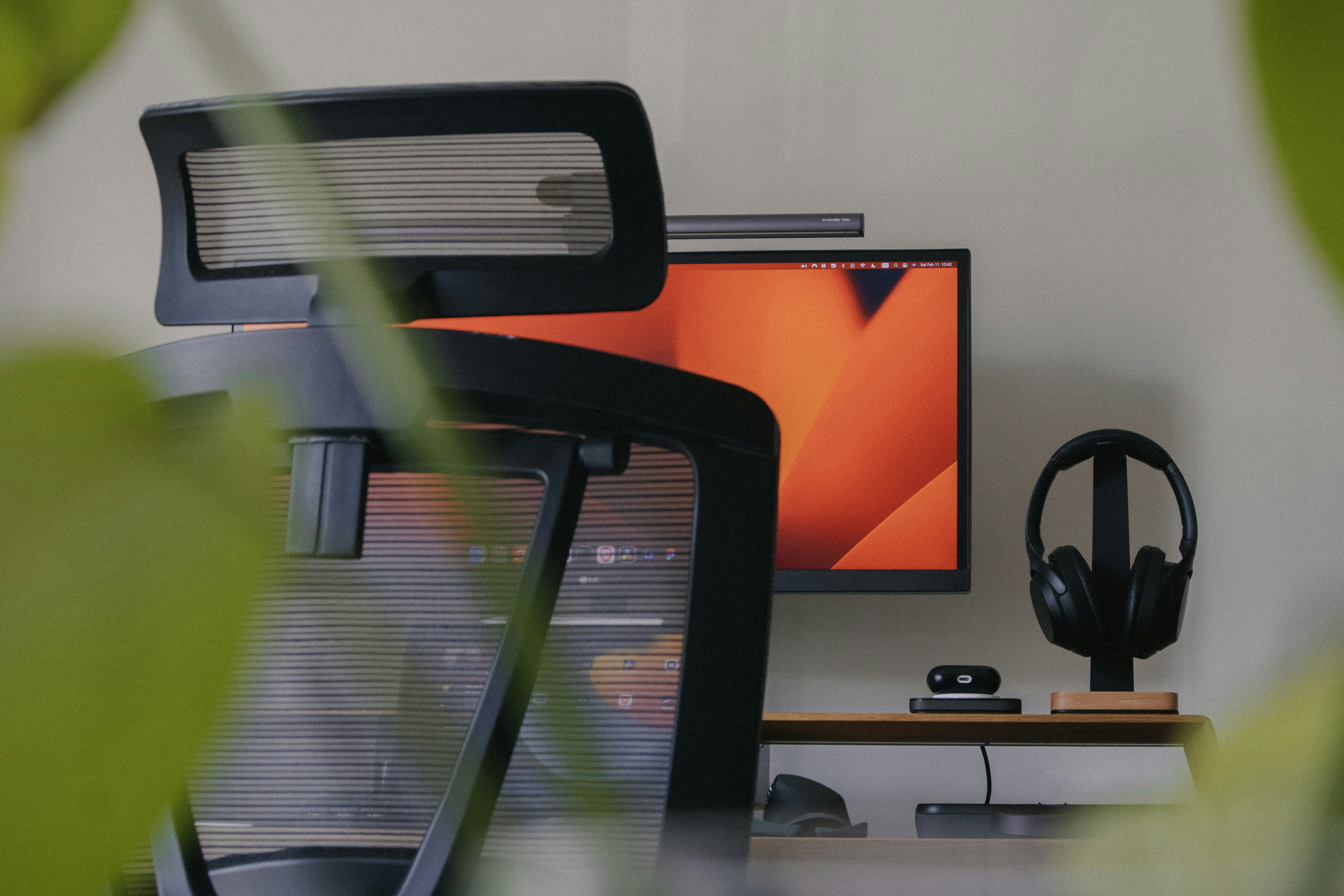
As remote work becomes increasingly prevalent, the significance of a well-designed home office setup cannot be overstated. Many professionals are now finding themselves transitioning from traditional office environments to remote work, highlighting the necessity of creating a conducive workspace at home. A thoughtfully arranged home office not only enhances productivity but also plays a vital role in fostering comfort and well-being during work hours.
A well-planned workspace facilitates improved focus, helping individuals minimize distractions commonly found in home environments. By designating a specific area for work, professionals can mentally separate their personal life from their professional responsibilities. This separation is crucial in maintaining a healthy work-life balance, which ultimately contributes to overall job satisfaction and productivity. A structured area that is specifically tailored for work can lead to more efficient time management and minimizes the risk of burnout.
Furthermore, investing time and resources into a suitable home office setup can have significant long-term benefits. Proper ergonomics in workspace design—such as using an appropriate chair, desk, and computer monitor—can prevent physical ailments often associated with prolonged sitting, such as back pain and eye strain. By choosing the right equipment and layout, individuals can create a workspace that caters to their specific needs, boosting not only their productivity but also their comfort and well-being.
In exploring the various elements that contribute to an ideal home office setup, it is essential to consider aspects such as lighting, organization, and technology. Each of these components plays a crucial role in enhancing the work experience, making it essential for individuals working remotely to curate a space that is both functional and inviting. As the trend of remote work solidifies, the pursuit of an optimal home office environment will become central to one’s professional life.
Choosing the Right Location
When establishing an effective home office setup, one of the most critical decisions you will face is selecting the ideal location. Several factors must be considered to ensure that your workspace is both functional and conducive to productivity. Firstly, lighting plays a pivotal role in your overall work environment. Natural light is known to have uplifting effects on mood and can enhance focus, so choosing a location with ample windows or access to daylight is highly advisable. However, ensure that the sunlight does not create glare on your computer screen, which can cause discomfort and reduce efficiency.
Another significant consideration is noise levels. A tranquil environment is essential for maintaining concentration; hence, selecting a location away from high-traffic areas within the home is preferable. If your home experiences frequent disruptions, such as loud conversations or TV noise, it may be prudent to invest in soundproofing strategies, such as installing carpets or using thick curtains. Alternatively, noise-canceling headphones can also help mitigate distractions.
Furthermore, it’s paramount to assess the proximity to household distractions. Limiting interruptions from family members or domestic obligations can greatly enhance your work productivity. Ideally, your home office should be located in a part of the house where you can enjoy a sense of separation from daily household activities. This delineation of space will not only foster a professional mindset but will also help to establish boundaries with family members regarding your working hours.
By carefully considering factors such as lighting, noise levels, and distractions, you can create a dedicated workspace that promotes efficiency and maintains your focus. A well-chosen location is an essential foundation for a successful home office setup, enabling you to work more effectively and enjoyably in your home environment.
Essential Furniture: Standing Desks and Ergonomic Chairs
Creating an effective home office setup requires significant attention to the furniture employed within the space. A particularly important consideration is the selection of standing desks and ergonomic chairs. Both pieces of furniture play a critical role in enhancing workplace comfort and fostering a productive environment.
Investing in a standing desk can lead to numerous benefits for individuals working long hours. Unlike traditional desks that confine users to a seated position, standing desks enable a more dynamic work posture. This encourages better circulation and reduces the risk of potential health issues associated with prolonged sitting, such as obesity and cardiovascular disease. Many models offer adjustable heights, allowing users to alternate between standing and sitting throughout the day, thus promoting better ergonomics and reducing fatigue.
Complementing a standing desk with an ergonomic chair is equally essential. Ergonomic chairs are designed to support the body’s natural posture, providing essential lumbar support that helps maintain spinal alignment. Features to consider include adjustable height, seat depth, and armrest positions, all aimed at minimizing strain on the back and neck muscles. The right ergonomic chair not only improves comfort but can also enhance concentration and focus by creating a more conducive work environment.
The synergy between a standing desk and an ergonomic chair creates an optimal home office setup that caters to the diverse needs of remote workers. By promoting movement and reducing discomfort, these furniture choices directly contribute to enhanced productivity. In a world where remote work is becoming standard, the importance of investing in high-quality furniture cannot be overstated. It is imperative that individuals evaluate their home workspaces and make informed choices that prioritize their health and efficiency.
Optimizing Your Desk Setup
Creating an efficient home office requires careful attention to the arrangement of your desk items. A well-organized desk setup can significantly enhance productivity and minimize distractions. To begin with, the placement of your computer monitor is crucial. Ideally, the top of the monitor screen should be at or just below eye level. This positioning helps reduce neck strain and encourages a more ergonomic posture, enabling you to work comfortably for extended periods.

In addition to the monitor, the keyboard and mouse should be positioned to facilitate natural hand movements. The keyboard should be placed at a level where your elbows are at a 90-degree angle. Positioning the keyboard slightly closer than the monitor will encourage a more relaxed arm position, while the mouse should be within easy reach. This arrangement not only enhances comfort but also aids in maintaining focus on your tasks, reducing the likelihood of unnecessary interruptions.
Furthermore, while optimizing your desk setup, consider the decluttering of your workspace. Limit the number of items on your desk to essentials only. This can include a notepad, pen, and any specific materials related to your current projects. Utilizing organizational tools such as desk organizers, cable management solutions, or even drawer systems can aid in keeping everything neatly arranged. A clutter-free environment promotes mental clarity, allowing you to concentrate on your work without the distraction of excessive items vying for your attention.
Lighting is another critical element in a well-organized desk setup. Position your desk near a window to take advantage of natural light, or invest in an adjustable desk lamp to provide adequate illumination without creating glare on your monitor. By focusing on these aspects, you will create a cohesive workspace that enhances efficiency and encourages a productive mindset.
The Importance of Proper Lighting
Lighting plays a critical role in establishing an effective home office setup. A well-lit workspace not only enhances productivity but also contributes to the overall well-being of individuals working from home. Adequate lighting helps to reduce eye strain, which is a common complaint for those who spend long hours in front of screens. It can also create a welcoming atmosphere that encourages focus and creativity.
One must prioritize different types of lighting solutions to achieve optimal illumination in a home office. Natural light is often regarded as the most beneficial. Exposure to sunlight not only boosts mood but also regulates the body’s circadian rhythms, improving energy levels throughout the day. Positioning the desk near a window can maximize the intake of natural light. However, it is essential to consider the time of day and seasonal changes, which can affect the amount of sunlight entering the space.
In addition to natural light, task lighting is another crucial element in a home office. Task lighting includes specific sources that focus light directly on a work area, such as desk lamps, under-cabinet lights, or adjustable floor lamps. Employing task lighting is particularly effective for activities that require concentration and precision, such as reading, writing, or detailed work. Moreover, adjustable lighting allows users to customize the brightness based on their individual preferences, thereby enhancing comfort.
Ultimately, finding the right balance between natural and task lighting will lead to a more functional and aesthetically pleasing home office. By prioritizing proper lighting, individuals can significantly improve their work environment, making it both efficient and enjoyable. This attention to light can transform a regular workspace into an inspiring haven for productivity.
Incorporating Technology: Monitor Light Bars and Gadgets
In today’s digital age, the right technology can significantly enhance your home office setup. When designing an ideal workspace, incorporating gadgets that promote efficiency and comfort is essential. One such tool gaining popularity among remote professionals is the monitor light bar. This device, often mounted at the top of your screen, provides direct illumination to your workspace without causing glare on your monitor. By reducing eye strain and enhancing visibility, monitor light bars become indispensable for those who spend long hours in front of screens.
In addition to light bars, noise-cancelling headphones are another practical gadget for a productive home office environment. These headphones effectively block out external noise, allowing you to immerse yourself in your work without distractions. Whether you’re in a busy household or a bustling neighborhood, noise-cancelling technology helps maintain focus and increases productivity. Many models also offer high-quality sound, making them suitable for calls, virtual meetings, or enjoying music while working.
Moreover, there are several other tech tools worth considering for your home office. A digital notepad, for instance, can streamline note-taking and organization. Utilizing software like task managers or time-tracking applications can also enhance your workflow. Cloud storage solutions provide a seamless way to access and share files, ensuring you can work efficiently from anywhere. Integrating these gadgets enhances not just the functionality of your workspace but also contributes to a healthier work-life balance by making your tasks more manageable.
Investing in these technologies can make your home office setup not only more efficient but also more comfortable, ultimately leading to increased productivity and satisfaction in your work environment.
Personalizing Your Space
The significance of personalizing your home office cannot be overstated, as a workspace that reflects your individuality can greatly enhance productivity and motivation. To begin, consider incorporating decorations that resonate with your personality. This can include artwork, framed photographs, or posters that inspire you. Selecting pieces that evoke positive emotions will create an atmosphere conducive to creativity and focus.
In addition to artwork, integrating natural elements such as plants can bring life to your home office. Studies have shown that greenery not only improves air quality but also boosts mood and productivity. Choose low-maintenance houseplants like succulents or snake plants, which can thrive in various lighting conditions and require minimal care. The presence of plants can serve as a refreshing reminder of nature, helping to reduce stress during long work hours.
Another effective way to personalize your workspace is by displaying motivational items. This can include quotes, vision boards, or any memorabilia that holds significance to you. For instance, a quote that resonates with your work ethic can serve as a daily reminder of your objectives. Alternatively, a vision board showcasing your goals and aspirations can offer clarity and inspire you to stay aligned with your ambitions. By curating these elements thoughtfully, you are creating a space that not only comforts but also challenges you to achieve your best work.
Ultimately, personalization transforms your home office into a sanctuary tailored to your preferences and aspirations. This space becomes more than just a place to work; it reflects who you are and fosters an environment that drives your creativity and efficiency. Embracing such personalization may pave the way for a more engaged and fulfilling work experience.
Establishing a Routine for Maximum Productivity
Establishing a daily routine is essential for maintaining productivity while working from home. A structured schedule can help create a clear distinction between work and personal life, which is vital in a home office setup. By implementing time management techniques, individuals can maximize their efficiency and ensure that work tasks are completed effectively.
One effective time management technique is the Pomodoro Technique. This method encourages individuals to work for a concentrated period, typically 25 minutes, followed by a short break of 5 minutes. After completing four such cycles, taking a longer break of 15 to 30 minutes is beneficial. This approach not only aids in maintaining focus but also combats fatigue, making it easier to sustain high levels of productivity throughout the day.
Additionally, creating specific work hours can help to establish boundaries. It is important to communicate these hours to colleagues and family members, thereby minimizing interruptions during work time. This clear delineation fosters a professional environment, even within the comfort of home. Moreover, incorporating breaks into the routine is crucial. Short breaks can refresh the mind and body, providing an opportunity to step away from the desk and recharge, ultimately enhancing productivity.
Furthermore, setting designated areas within the home for work can bolster this routine. Having a dedicated workspace reduces distractions and signals to oneself that it is time to focus. Personalizing this space with motivational quotes or elements of comfort can also contribute to a positive work atmosphere.
Incorporating these strategies into a daily routine can help individuals navigate the unique challenges posed by remote work, ultimately leading to increased productivity and a successful home office experience. Establishing boundaries and implementing time management techniques not only optimize performance but also promote a healthier work-life balance.
Conclusion: Bringing It All Together
Creating the perfect home office setup is essential for maximizing productivity and ensuring comfort during work hours. In this blog post, we explored various components that contribute to an effective workspace. From ergonomic furniture to appropriate lighting and technology, each element plays a crucial role in fostering a conducive work environment.
Ergonomics should be a top priority in your home office design. Investing in an adjustable desk and a supportive chair not only promotes better posture but also minimizes the risk of developing musculoskeletal issues. A collaborative work atmosphere can also be achieved by incorporating organizational tools, such as storage solutions and cable management, which help maintain a clutter-free workspace.
Furthermore, the importance of lighting in your home office cannot be overstated. Adequate natural light, complemented by adjustable artificial lighting, can significantly affect your mood and energy levels, making it easier to stay focused throughout the day. Incorporating elements like plants and decorative items can also bring a personal touch to your workspace, promoting a positive and inspiring atmosphere.
The integration of technology is another fundamental aspect to consider. Ensuring that your devices are up to date and that your internet connection is stable can prevent unnecessary disruptions during task execution. Additionally, investing in noise-canceling headphones or soundproofing can enhance concentration, especially in shared living spaces.
By implementing the strategies discussed, you can transform your home office into a space that not only meets your functional needs but also nurtures your well-being. Taking action to revamp your workspace will yield positive results, leading to increased satisfaction and productivity in your work. Embrace these tips and create a home office that enables you to thrive in your professional endeavors.