
The Hidden Beauty of Russia’s Golden Ring
Introduction to the Golden Ring
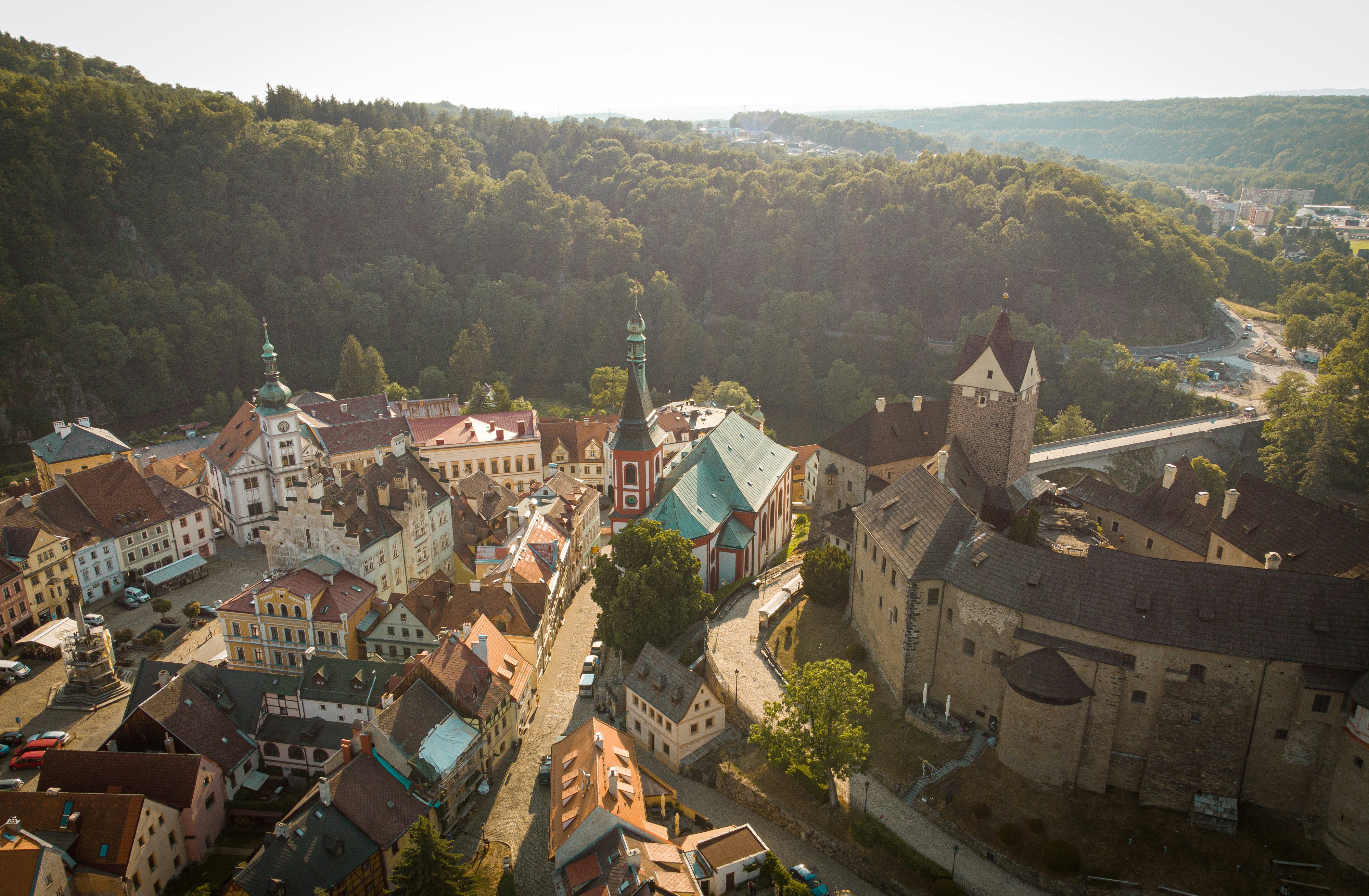
The Golden Ring is a renowned cultural and historical route that traverses a collection of ancient towns in Russia, situated northeast of Moscow. This iconic circuit, which encompasses cities such as Vladimir, Suzdal, Ivanovo, and Yaroslavl, offers a unique glimpse into the rich tapestry of Russian heritage, showcasing architectural marvels, religious sites, and traditional art forms that date back to the medieval period. The towns included in this route not only represent the beginnings of the Russian state but also serve as testaments to the country’s artistic and spiritual evolution.
Geographically, the Golden Ring is easily accessible from Moscow, making it an attractive destination for travelers seeking to explore Russia’s past. The relatively short distance between these towns allows visitors to experience multiple sites in a single journey, facilitating a deeper appreciation of the intricate history and cultural richness that characterize this region. As one traverses the Golden Ring, the breathtaking scenery, encompassing rolling hills, rivers, and historical structures, culminates in an unforgettable experience that embodies the soul of Russia. For these reasons, the Golden Ring remains one of the most captivating routes for those looking to immerse themselves in the country’s heritage.
Historical Significance and Origins
The Golden Ring comprises a series of historic cities that radiate from Moscow, each embodying the rich tapestry of Russia’s cultural heritage. These cities, including Vladimir, Suzdal, and Yaroslavl, date back to the medieval era and played a pivotal role in the early development of the Russian state. The origins of the Golden Ring can be traced to the 12th century, when these towns emerged as essential centers for trade, culture, and governance.
During this period, the cities within the Golden Ring served as crucial hubs along the trade routes connecting various civilizations. Merchants traversed these routes, bringing goods, ideas, and cultural practices that enriched the local populace. As a result, these towns not only facilitated economic exchanges but also became melting pots for diverse influences, enhancing their architectural styles, artistic expressions, and religious practices.
The historical significance of the Golden Ring extends beyond trade. The early Russian princes established their seats of power in these towns, making them important political centers. The cathedrals and fortresses constructed during this period stand as testaments to the architectural ingenuity of medieval Russia and its dedication to Orthodox Christianity. These structures were not merely places of worship; they were pivotal in shaping the religious landscape, fostering unity among disparate regions.
Moreover, the cultural exchange that occurred in the Golden Ring ushered in an era of artistic and intellectual flourishing. Icon painting, literature, and music thrived within these cities, laying the groundwork for Russia’s rich artistic heritage. The golden age of these towns reached its zenith by the 17th century, before the rise of Moscow as the preeminent capital, marking a transitional phase in Russian history.
Thus, the Golden Ring serves as a crucial foundation upon which modern Russia built its national identity, offering a glimpse into the complexities of its historical development. This region, steeped in rich traditions, continues to enchant visitors with its serene landscapes and captivating history.
Exploring the Towns of the Golden Ring
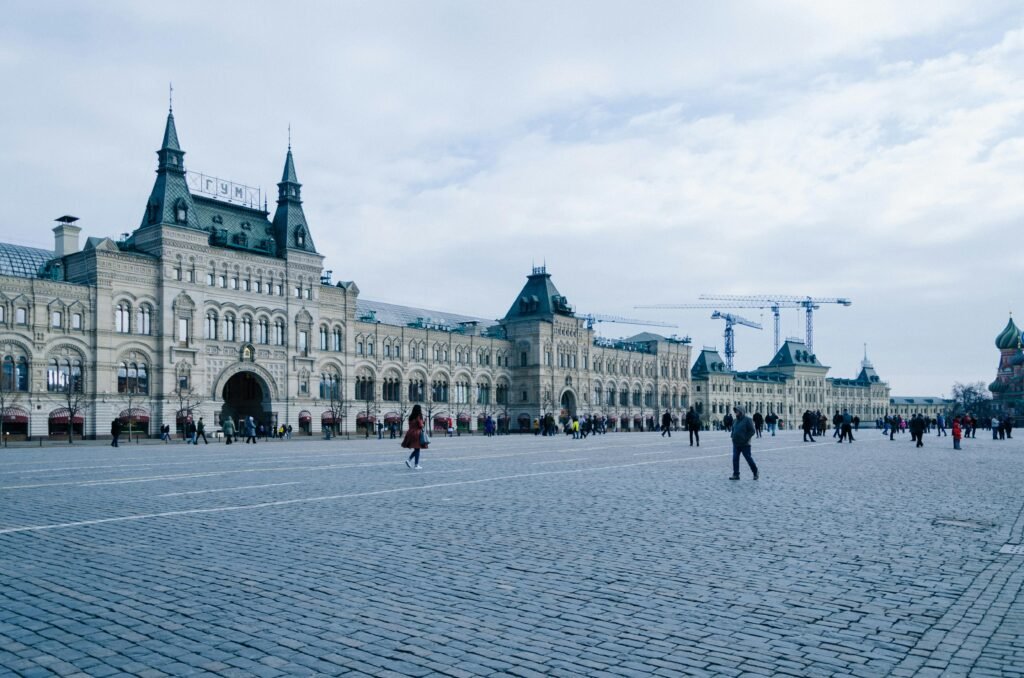
The Golden Ring, a collection of historically significant towns northeast of Moscow, captures the essence of Russia’s rich cultural heritage. Among the most prominent towns in this picturesque route are Vladimir, Suzdal, and Sergiev Posad, each possessing unique characteristics and landmarks that beckon exploration.
Vladimir, the administrative center of the region, is renowned for its remarkable white stone architecture, including the iconic Cathedral of Saint Demetrius—an exemplar of 12th-century Russian art. This cathedral, coupled with the Golden Gate, a monumental defensive construction, reflects the town’s historical importance as a former capital of the ancient Kievan Rus’. The blend of religious and military architecture provides a fascinating insight into the medieval history of Russia.
Further along the route lies Suzdal, often described as an open-air museum. With its charming wooden houses and numerous churches, such as the Saint Euthymius Monastery and the Nativity Cathedral, Suzdal showcases the traditional Russian way of life that has been preserved through the centuries. The idyllic scenery, characterized by tranquil rivers and vast green landscapes, makes it a popular destination for those seeking an escape from urban life. Here, visitors can experience various cultural festivals, which further illuminate the town’s vibrant heritage.
Lastly, Sergiev Posad, home to the Trinity Lavra of St. Sergius, serves as a significant spiritual center in the Russian Orthodox Church. This UNESCO World Heritage site is notable for its stunning architecture and immense historical significance, drawing both pilgrims and tourists alike. The dazzling blue and gold domes of the monastery against the backdrop of a clear sky create a scene that is simply breathtaking.
Collectively, these towns not only represent the artistic and historical narratives of Russia but also offer a roadmap for travelers seeking to uncover the hidden beauty within the Golden Ring.
Architectural Wonders: Churches and Cathedrals
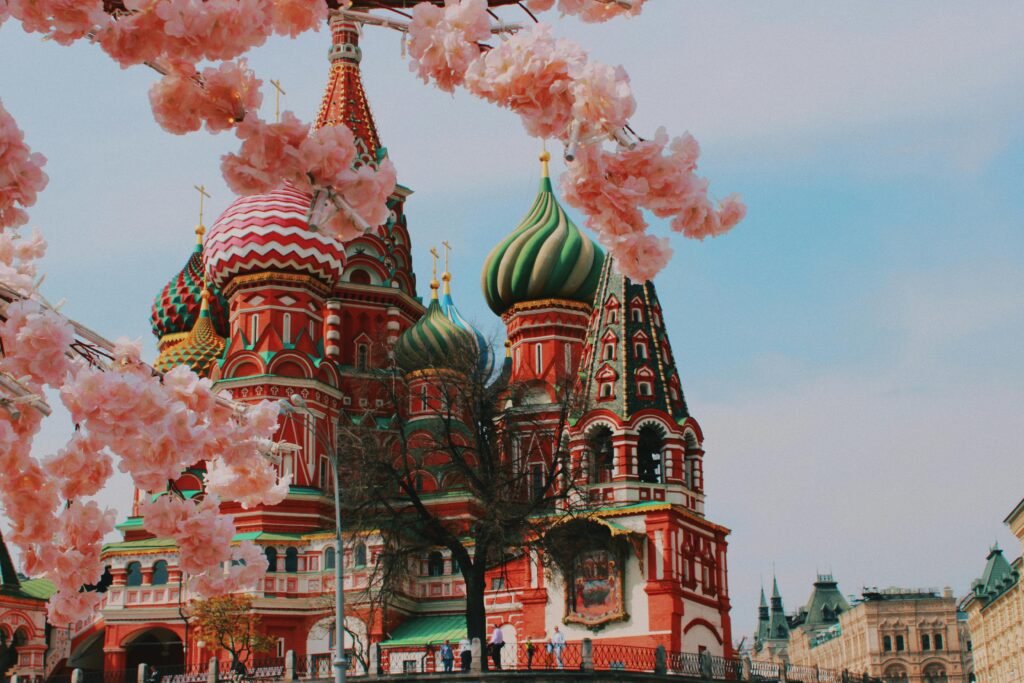
The Golden Ring of Russia is renowned for its architectural splendors, particularly its churches and cathedrals, which showcase breathtaking designs and vibrant colors. These structures are not merely religious sites; they are also cultural landmarks that reflect the artistic and historical evolution of the region. Characterized by their distinctive onion-shaped domes, many of these religious edifices, such as the celebrated Saint Basil’s Cathedral in Moscow and the intricate church of the Intercession on the Nerl, exemplify a unique Russian architectural style that blends Byzantine and local elements.
Each church and cathedral within the Golden Ring tells its own story through carefully considered designs. For instance, the vibrant blue and gold domes of the Church of the Transfiguration in Kizhi are not only visually striking but also symbolize the heavenly pathway. Similarly, wooden churches like those found in Kizhi Pogost represent the resourcefulness of local builders who crafted these structures from the abundant timber of the surrounding forests. This adaptation of materials showcases the harmonious relationship between the architecture and its environment.
The cultural significance of these churches and cathedrals extends beyond their aesthetic appeal. They have historically served as key sites for community gatherings, rituals, and celebrations, reinforcing local identity and traditions. Efforts to preserve these architectural wonders are ongoing, with various organizations and government bodies working diligently to ensure that these treasures remain intact for future generations. Restoration projects often employ skilled artisans who utilize traditional techniques to maintain authenticity while applying modern methods to reinforce structural integrity.
Ultimately, the churches and cathedrals of the Golden Ring stand as powerful testaments to Russia’s rich spiritual and artistic heritage. Through the dedication to their preservation, they continue to inspire wonder, providing insight into the country’s history, culture, and religious practices.
Natural Landscapes and Serenity
The Golden Ring of Russia is not only renowned for its historical towns and architectural wonders but also for its stunning natural landscapes that exude tranquility and beauty. Nestled amidst serene surroundings, this picturesque region offers a refreshing retreat from the bustling urban life many individuals experience. Visitors are often captivated by the peaceful ambiance created by a series of rivers, lush forests, and sprawling fields that characterize the area.
The several winding rivers that traverse the Golden Ring region contribute significantly to its serene environment. For instance, the magnificent Volga River, one of the longest rivers in the world, flows gracefully through towns such as Yaroslavl and Kostroma. Along its banks, one can find enchanting spots for leisurely strolls or tranquil picnics, providing an ideal escape for those seeking solace in nature. This delightful aquatic feature not only enhances the aesthetic appeal of the area but also supports a unique ecosystem enriched by biodiversity.
Amidst the endless expanses of forestlands, nature enthusiasts can explore remarkable flora and fauna. The expansive woodlands surrounding the towns serve as a haven for wildlife and an outdoor paradise for hikers and adventurers. These forests are often painted in vibrant colors during the changing seasons, inviting visitors to witness the natural transformations throughout the year. Additionally, the alluring meadows that blanket the region offer breathtaking views and peaceful spaces conducive for reflection and relaxation.
Overall, the natural beauty of the Golden Ring’s landscapes plays an essential role in establishing the tranquility that attracts countless visitors each year. The harmonious interplay between rivers, forests, and fields illustrates a perfect blend of nature and history, offering an enriching experience that leaves a lasting impression on those who choose to explore this remarkable area.
Cultural Heritage and Local Traditions
The Golden Ring of Russia encompasses a group of historic cities that are steeped in rich cultural heritage and vibrant local traditions. This region provides a fascinating insight into the lifestyle and spirit of ancient Russia, showcasing the enduring practices that have been maintained over centuries. From intricate handicrafts to colorful festivals, the cultural tapestry of the Golden Ring is both diverse and captivating.

One of the most remarkable features of the Golden Ring is its local crafts, which reflect the artistry and skills of generations past. Traditional folk art, such as the crafting of Khokhloma dishes and Gzhel ceramics, represents not only the aesthetic values of the region but also the techniques passed down through families. These crafts are often produced in local workshops, where artisans invite visitors to observe the painstaking processes involved in their creation. This not only preserves the knowledge of these crafts but also fosters local pride and contributes to the region’s economy.
In addition to handicrafts, the Golden Ring hosts numerous festivals that celebrate its rich heritage. Events such as Maslenitsa, a week-long festival marking the end of winter, and traditional harvest festivals showcase local customs, music, and cuisine. During these times, communities come together to engage in age-old performances, dance, and share homemade dishes that often use recipes passed down through generations. Visitors are encouraged to participate, creating a sense of connection and engagement with the local culture.
Moreover, the preservation of local customs and practices is evident in the architecture, folk legends, and religious traditions found in the cities of the Golden Ring. Churches, monasteries, and wooden houses reflect the unique history and spirituality of the area, drawing visitors who are eager to learn more about the values that have shaped this region. Exploring the Golden Ring offers a meaningful experience laden with deeper understanding of Russia’s cultural heritage.
Local Cuisine: A Taste of Tradition
The Golden Ring, a picturesque network of historic cities northeast of Moscow, is not only renowned for its architecture and culture but also for its rich culinary heritage. The local cuisine is steeped in tradition, featuring a variety of hearty dishes that reflect the region’s history and agricultural practices. Many of these specialties are prepared using seasonal ingredients that capture the essence of Russian culinary arts.
One of the most iconic dishes that one must try while traveling through the Golden Ring is borscht. This vibrant beet soup is often served with a dollop of sour cream and accompanied by dark rye bread. It is not only a staple in Russian households but also a dish showcasing the region’s agricultural bounty. Similarly, pelmeni, Russian dumplings filled with minced meat, are a beloved comfort food that varies from one locality to another, often seasoned with fresh herbs and spices from the surrounding countryside.
As visitors explore towns like Suzdal, Vladimir, and Kostroma, they will encounter a wealth of culinary delights. Local markets brim with seasonal produce—mushrooms, berries, and roots—that form the basis for many regional recipes. Ingredients like buckwheat and rye are commonly used in traditional dishes, providing not only nourishment but also a connection to the land. For those interested in a sweet treat, traditional honey cakes and pyrizhok, small baked pies filled with fruit or meat, are not to be missed.
The Golden Ring’s culinary offerings are best experienced in family-owned restaurants and local eateries, where recipes have been passed down through generations. Establishments such as the Tradition Restaurant in Vladimir and Varenichnaya in Suzdal pride themselves on serving dishes made from time-honored recipes, allowing guests to savor the flavors of history. These dining experiences immerse travelers in the culture while showcasing the hidden beauty of Russia’s diverse culinary landscape.
Travel Tips for Visiting the Golden Ring
The Golden Ring of Russia is a renowned tourist destination that offers a glimpse into the country’s rich history, art, and architecture. To ensure a rewarding travel experience, it is essential to consider several practical advice points. One of the best times to visit the Golden Ring is during the late spring (May to June) and early autumn (September to October). During these periods, the weather is milder, and the natural scenery is at its most vibrant, making it ideal for exploration.
When planning logistics, consider your transportation options. The Golden Ring encompasses various cities, including Vladimir, Suzdal, and Sergiev Posad. Those traveling from Moscow can take advantage of the express train services, which conveniently connect these historical towns and make the journey comfortable and efficient. Alternatively, renting a car provides the flexibility to explore at your own pace. It is important to familiarize yourself with local driving rules and regulations to ensure a safe experience.
For first-time visitors, a recommended itinerary could begin in Moscow, followed by a visit to Vladimir and then onto Suzdal, known for its well-preserved medieval architecture. Allowing two to three days at each location ensures that travelers can fully absorb the unique cultural and historical nuances of the region. Moreover, when visiting local churches and monasteries, standard etiquette dictates modest clothing and respectful behavior, especially in sacred spaces. Engaging with locals may also enrich the experience—basic knowledge of the Russian language can go a long way in making connections.
In conclusion, adequate preparation is vital for a fulfilling journey through Russia’s Golden Ring. By considering the best times to visit, transportation methods, well-planned itineraries, and adhering to local customs, travelers can create unforgettable memories while exploring this remarkable part of Russia.
Conclusion: The Charm of the Golden Ring
The Golden Ring of Russia represents more than just a collection of ancient towns; it embodies the rich tapestry of Russian history, culture, and architectural heritage. Stretching northeast of Moscow, this historical route showcases the profound stories of yesteryears through stunning landscapes and well-preserved monuments. Each town along the Golden Ring, from the bustling streets of Vladimir to the serene churches of Suzdal, offers a unique glimpse into the country’s past, evoking a sense of nostalgia and wonder.
One of the most compelling aspects of the Golden Ring is its ability to bridge the gap between modernity and tradition. Travelers can immerse themselves in the local culture while indulging in the exceptional craftsmanship of traditional Russian crafts, from intricate wooden carvings to delicate textiles. The authenticity of the experiences in towns like Kostroma and Yaroslavl enables visitors to appreciate not only the beauty of the region but also the resilience of its communities. Each destination provides a narrative that emphasizes the importance of preserving cultural identity amidst an ever-evolving contemporary landscape.
Moreover, the Golden Ring serves as an accessible gateway for tourists seeking to explore the hidden beauty of Russia. Unlike more mainstream tourist attractions, this less-traveled route reveals picturesque landscapes, gentle rivers, and quaint villages, allowing for a more intimate encounter with the local way of life. For those interested in history, art, or simply the allure of new experiences, the Golden Ring promises a journey that is rich in discovery and learning.
In summary, exploring the Golden Ring allows one to appreciate the depth of Russia’s historical significance and cultural charm. Its stunning architecture, vibrant communities, and picturesque scenery invite travelers to delve into the heart of Russian heritage while creating lasting memories in a region often overlooked by typical tourism routes.