
Riding the Trans-Siberian Railway: A Journey Across a Continent
Introduction to the Trans-Siberian Railway
The Trans-Siberian Railway is an iconic and historic railway network that stretches across the vast expanse of Russia, linking the western city of Moscow to the eastern port city of Vladivostok. Spanning approximately 9,289 kilometers (about 5,772 miles), this monumental train route is often celebrated as the longest in the world. Construction of the railway commenced in 1891, with the goal of connecting the diverse regions of Russia and facilitating the movement of people and goods across the country. The railway was completed in 1916, significantly altering the transportation landscape of Russia and paving the way for economic and social development.
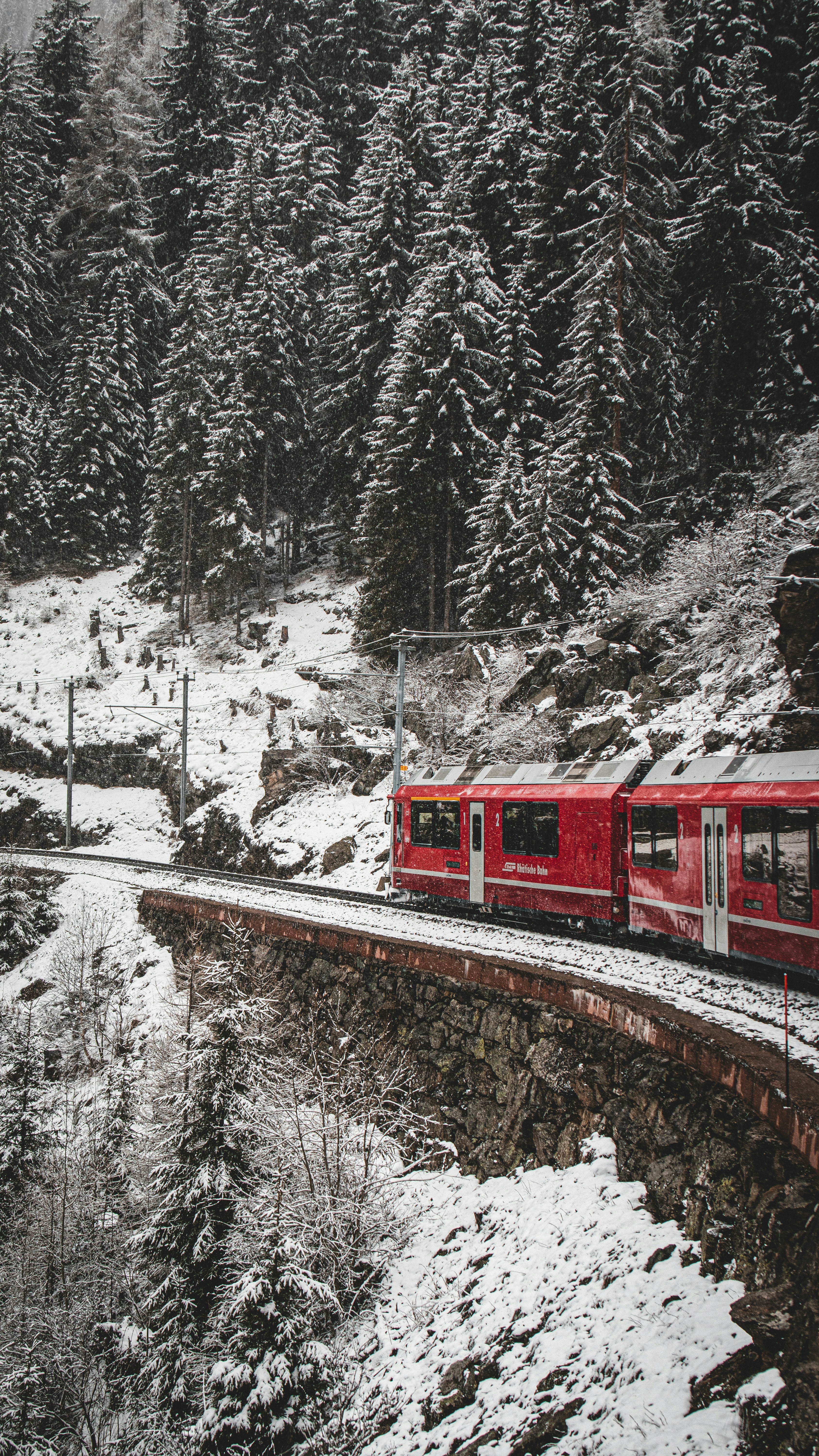
This remarkable engineering feat traverses a variety of landscapes, from the dense forests of Siberia to the vast steppes of Mongolia, encountering numerous rivers and mountain ranges along the way. The journey on the Trans-Siberian Railway is not only a passage through scenic vistas but also a trip through time, as it passes through a multitude of cultures, cities, and historical landmarks. Each stop offers travelers a unique opportunity to explore the rich heritage and traditions of the regions they visit.
Planning Your Journey
Embarking on a journey across the Trans-Siberian Railway requires careful planning to ensure a smooth and enjoyable experience. The best times to travel largely depend on personal preferences and weather conditions. The peak travel season typically runs from May to September, offering milder temperatures and vibrant landscapes. Conversely, traveling in winter, from December to March, presents a unique experience with snow-covered scenery, but may require additional preparedness due to colder weather.
When it comes to ticket booking, travelers can choose between several options. Tickets can be purchased online through various travel agencies or directly from the official railway websites. It is advisable to book in advance, especially for popular routes during peak season. The Trans-Siberian Railway offers routes ranging from the classic Moscow to Vladivostok journey to less traveled paths, allowing passengers to experience diverse cultures and breathtaking landscapes across Russia.
Travelers should also be aware of the different classes of service available on the train. First-class cabins provide more privacy and comfort, featuring two-person compartments with amenities. Second-class offers shared compartments, suitable for those seeking a balance between comfort and cost. Third-class, known as ‘platzkart’, is the most economical option, accommodating multiple passengers in an open-plan setting. Choosing the right class is crucial for ensuring a comfortable journey.
For first-time travelers, it’s essential to prepare for life on board the train. The journey can last several days, and passengers should pack essential items such as snacks, entertainment, and personal hygiene products. It is also beneficial to familiarize oneself with the dining options available on the train, which range from basic to relatively upscale dining experiences. Understanding the train’s schedule and stops will further enhance the overall travel experience.
The Changing Landscapes
The Trans-Siberian Railway offers an unparalleled opportunity to experience the varied and breathtaking landscapes of Russia. As the train traverses the vast expanse from Moscow to Vladivostok, passengers are treated to a visual feast that includes diverse terrains, from the imposing Ural Mountains to the serene shores of Lake Baikal. The journey begins with the gentle, rolling hills and dense forests of the western regions, gradually transforming into the rugged, majestic peaks of the Urals. This mountain range not only serves as a natural border between Europe and Asia but also presents a stunning backdrop for travelers, featuring dramatic cliffs and deep valleys.
As the train continues its journey eastward, the landscape shifts to the expansive Siberian taiga, characterized by vast coniferous forests. The trees stand tall and mighty, showcasing the resilience of nature in this formidable environment. Passengers can witness the seasonal changes in this region, with lush greenery in summer and snow-covered trees in winter, creating captivating contrasts. As the train approaches Lake Baikal, the world’s deepest freshwater lake, the scenery transforms again. The shimmering blue waters of Baikal, surrounded by snow-capped mountains, are a sight to behold, inviting travelers to capture its beauty.
For photography enthusiasts, these diverse landscapes present a wealth of opportunities to capture stunning images. Utilizing natural light is essential; the golden hour—just after sunrise and before sunset—offers softer, more flattering illumination. Framing the shot with elements such as trees or mountains can add depth and perspective to photographs. Additionally, experimenting with various angles can enhance the overall effect, showcasing the grandeur of the landscapes. Remember to also take time to simply absorb the views, as the dramatic scenery along the Trans-Siberian Railway creates memories that extend beyond the lens.
Cultural Encounters

Traveling on the Trans-Siberian Railway presents a unique opportunity for cultural encounters that enrich the experience of crossing this vast landscape. As the train snakes through Russia’s diverse regions, passengers are immersed in a tapestry of local customs, traditions, and lifestyles. Each stop along the route introduces travelers to distinct communities, allowing for firsthand interactions that foster cultural exchange.
The railway connects major cities and remote villages alike, providing a glimpse into the daily lives of the inhabitants. Many passengers take the chance to engage with local residents, learning about their history and customs. This interaction often extends to sampling regional cuisines, as the train passes through different landscapes, each with its own culinary specialties. For instance, one might find soothing bowls of borscht in the Central region, offering warmth against the Eurasian chill, while the Far East showcases fresh seafood and an array of flavors influenced by the proximity to the Pacific Ocean.
Festivals also play a significant role in the rich cultural experience along the Trans-Siberian route. Travelers may happen upon celebrated events that highlight the unique traditions of various ethnic groups. From traditional dance performances to lively markets, these festivals provide insight into the region’s heritage and current cultural dynamics. Such encounters not only enhance the travel experience but also create a deeper appreciation for the diverse cultural identities that exist across the continent.
Ultimately, the journey aboard the Trans-Siberian Railway is not solely about the breathtaking scenery but also about the connections forged with the vibrant cultures that inhabit this sprawling landscape. Each interaction serves as a vital part of understanding how geography, history, and society intertwine, making for lasting memories that travelers cherish long after their journey concludes.
Time Zone Crossings
The Trans-Siberian Railway operates across a staggering number of time zones, traversing eight distinct zones from Moscow, the starting point, to Vladivostok, the final destination. This extensive travel route measures approximately 9,289 kilometers and facilitates not only remarkable scenery but also significant temporal shifts for travelers. Each time zone presents unique adjustments that can influence schedules, experiences, and even perceptions of time.
As passengers embark on their journey, they will experience the transition from Moscow Time to various regional times as the train advances towards the eastern edge of Russia. This can often lead to confusion regarding meal times, sleep schedules, and coordinated activities. For instance, a traveler might wake up in the morning, unaware that their watches indicate a different hour, resulting in missed meals or sleepy explorations. To navigate this, many passengers adopt practical strategies such as gradually adjusting their schedules prior to departure or using smart devices programmed with local times to mitigate the disorientation that comes from multiple time zone crossings.
The experience is not merely about mechanical clock changes, as travelers often speak of their subjective sense of time altering throughout the journey. The vast expanses of Siberia, with its often monotonous landscape, can create an altered perception where time feels both elongated and fleeting. Stories abound of travelers forming new connections with fellow passengers during unnaturally long days and drawn-out nights, fostering camaraderie as they collectively adapt to the rhythms of this extensive adventure. Tales of spontaneous conversations, shared meals, and cultural exchanges are common, all amplified by the unique experience of traversing so many time zones.
Ultimately, the interplay of time zones aboard the Trans-Siberian Railway transforms more than just itineraries; it influences the entire experience of travel, shaping how individuals relate to time during a once-in-a-lifetime journey across a continent.
Experiencing Life on Board
Traveling aboard the Trans-Siberian Railway offers a unique glimpse into life on a train that traverses vast landscapes and transcends cultures. Accommodations are designed to cater to varying preferences and budgets, ranging from private luxurious cabins to more modest shared compartments. The three primary classes—First Class, Second Class, and Third Class—each provide distinctive experiences. First-Class compartments offer private amenities, while Second-Class provides shared cabins, striking a balance between comfort and sociability. Conversely, Third Class is the most economical, fostering a communal atmosphere that can lead to meaningful interactions among passengers.
Meal options on the train contribute significantly to the onboard experience. While travelers can bring their own food, the dining car serves a variety of Russian and regional dishes, allowing for a culinary journey parallel to the extensive route traveled. Meals are often served with warm bread and accompanied by traditional drinks, including kvass or tea from a samovar. This communal dining setting not only facilitates the sampling of local flavors but also encourages social interactions, creating a shared experience among diverse travelers.
As passengers settle into their journey, opportunities for social engagement abound. Many travelers engage in conversations with fellow passengers, sharing stories and exchanging cultural insights. The relaxed pace of the journey fosters camaraderie, as individuals from different backgrounds come together to embrace the experience collectively. Additionally, amenities such as onboard shops provide essentials and souvenirs, further enhancing the experience. In sum, life aboard the Trans-Siberian Railway is characterized by a blend of comfort, culture, and connection, making it a memorable aspect of this iconic journey across a continent.
Must-See Stops Along the Route
The Trans-Siberian Railway traverses some of the most fascinating landscapes and cities in Russia, offering travelers a rich tapestry of culture and history. Starting from Moscow, the journey begins in the heart of the nation. Visitors can explore the iconic Red Square, the Kremlin, and St. Basil’s Cathedral, each a symbol of Russian heritage. These landmarks not only showcase stunning architecture but also serve as vital components of Russia’s tumultuous past.
As the train proceeds eastward, a noteworthy stop is Yekaterinburg, known as the gateway to Siberia. This city holds immense historical significance as the location of the execution of the last Russian Tsar, Nicholas II, and his family. Travelers can visit the Church on the Blood and the nearby Ganina Yama monastery to reflect on this poignant chapter in Russian history.
Vladivostok, the final destination on the Trans-Siberian Railway, offers a striking contrast to Moscow. This port city is famous for its scenic harbor and the iconic Golden Horn Bridge. Visitors can wander through Vladivostok’s diverse neighborhoods, sample local cuisine, or enjoy the vibrant nightlife. The railway journey concludes with breathtaking views of the Pacific Ocean, blending the end of a vast expedition with the beauty of the maritime landscape.
Each of these stops provides a unique lens through which to experience Russia’s diverse heritage, landscapes, and cultures. Travelers embarking on the Trans-Siberian Railway can look forward to an enriching experience filled with remarkable sights and experiences.
Safety and Travel Tips
Traveling on the Trans-Siberian Railway presents a unique opportunity to experience one of the longest journeys in the world. However, it is essential to prioritize safety and be prepared for various travel challenges that may arise. As you embark on this adventure, consider the following tips to ensure a pleasant and secure experience.
Currency handling is a critical aspect of traveling across Russia. The primary currency is the Russian Ruble (RUB). It is advisable to exchange a small amount of money before departure, and it is preferable to use official exchange services upon arrival to avoid unfavorable rates. Additionally, keep some cash on hand for smaller purchases, as not all establishments accept credit cards. Additionally, notify your bank of your travel plans to prevent any card issues while abroad.
Communication with locals can enhance your travel experience; however, language barriers may pose challenges. While major cities often have English speakers, many rural areas may not. Consider learning a few basic Russian phrases or utilizing translation apps to facilitate communication. Carrying a pocket phrasebook could also prove beneficial in situations where technology is unavailable.
An essential aspect of staying healthy during your journey is ensuring adequate hydration and nutrition. Drink plenty of water, and take advantage of dining car services that offer local cuisine. Moreover, packing a small first-aid kit with essentials such as pain relievers, antiseptics, and any personal medications can be invaluable should unexpected situations arise.
When packing for your journey, focus on practicality and comfort. Layered clothing is recommended, as temperatures can vary significantly between regions. Comfortable shoes are also essential, as you’ll likely spend extended periods walking between train cars and exploring stations. Other useful items include a travel pillow, eye mask, and portable charger to enhance your comfort during long rides.
Reflections on the Journey: A Personal Account
As I settled into my seat on the Trans-Siberian Railway, I felt a mix of excitement and anticipation wash over me. The rhythmic clatter of the train as it moved across the vast Siberian landscape awakened a sense of wanderlust that seemed to echo through my very being. The journey, spanning approximately seven days, became not just a travel experience but a reflective passage through time and self-discovery.
Throughout the journey, countless moments unfolded that left an indelible mark on my soul. One such moment occurred as we traversed the remote terrains of Siberia; I gazed out of the large window as the golden hues of sunset flooded the sky. In that instant, I realized how small we all are in the grand tapestry of life. Nature’s beauty appeared boundless, and I felt a deep connection with the world around me. Engaging with fellow travelers, sharing stories, and laughter over meals created a tapestry of friendships that transcended language barriers, reminding me of the universality of human experience.
Each stop offered an opportunity to delve into the culture and history of the regions we passed. Whether it was indulging in local cuisine or exploring quaint villages, the interactions with locals sparked reflections on the contrasts between our lives. The warmth and hospitality encountered in each town were reminders of the kindness that can be found in the most unexpected places.
In conclusion, embarking on the Trans-Siberian Railway journey not only imbued me with unforgettable memories but also imparted profound life lessons about appreciation, connection, and the importance of pursuing adventure. This journey is indeed an adventure of a lifetime, offering travelers a unique lens to view the world and themselves anew. I wholeheartedly encourage anyone contemplating this remarkable expedition to seize the opportunity. It promises not just a spectacular voyage across a continent, but an inner journey that will resonate with you long after the final destination has been reached.