
Exploring the Arctic: A Guide to Experiencing the Northern Lights, Wildlife, and Polar Adventures
Introduction to the Arctic Experience
The Arctic, a remote and captivating region situated at the northernmost part of the Earth, offers a unique geographical and climatic environment unlike any other. Renowned for its expansive icefields, intricate fjords, and breathtaking landscapes, the Arctic is a destination that promises awe and adventure. With long summer days illuminated by the midnight sun and winters cloaked in darkness, the stark contrasts in light create an enchanting atmosphere that captivates visitors. The region’s distinctive environment not only shapes its geological features but also influences its flora and fauna, fostering an array of wildlife that thrives in these extreme conditions.
One of the most compelling reasons to visit the Arctic is the chance to witness the ethereal Northern Lights, or Aurora Borealis. This natural phenomenon graces the skies with vibrant colors, transforming the night into a mesmerizing spectacle. As solar winds collide with the Earth’s magnetic field, the result is a breathtaking display that attracts travelers from across the globe. The experience of viewing the Northern Lights is not only visually stimulating but profoundly spiritual, providing a connection to the natural world that many find transformative.
Moreover, the Arctic is home to an incredible variety of wildlife, including polar bears, seals, walruses, and migratory birds. The opportunity to observe these majestic creatures in their natural habitats is a highlight of any polar adventure. Such encounters allow visitors to appreciate the delicate balance of Arctic ecosystems while understanding the challenges these species face due to climate change and human impact.
With its unspoiled landscapes, unique climate, and rich wildlife, the Arctic entices adventurers seeking unforgettable experiences. Immersing oneself in this region offers an unparalleled opportunity to explore the beauty and mysteries of our planet’s most remote wildernesses.
Understanding the Northern Lights: Science and Lore
The Northern Lights, scientifically referred to as the Aurora Borealis, are one of nature’s most captivating spectacles, created by the interaction between solar wind and the Earth’s magnetic field. When charged particles emitted by the sun collide with gas molecules in the Earth’s atmosphere, they produce vibrant displays of light, which often manifest as green, pink, red, yellow, blue, or violet hues. This mesmerizing phenomenon is predominantly visible in high-latitude regions around the Arctic and Antarctic, particularly during the winter months when the nights are longest and skies are typically clearer. The best locations for observing this natural light show include areas in Norway, Sweden, Finland, Canada, and Alaska.
From a scientific perspective, the Northern Lights arise from a complex series of events following solar flare activities. When the sun releases bursts of solar wind, these particles travel towards Earth, where they encounter the planet’s magnetosphere. As these particles move along the magnetic field lines toward the polar regions, they collide with oxygen and nitrogen atoms at high altitudes, releasing energy in the form of light. The varying altitudes and types of gas involved in these collisions contribute to the diverse palette of colors observed.
Beyond scientific explanations, the Northern Lights have long been a source of inspiration and intrigue across different cultures. Various Arctic communities have woven lore surrounding this spectacular event into their traditions. For example, the Sámi people of Scandinavia believe that the lights are the spirits of their ancestors dancing in the sky, while Inuit legends often depict them as celestial wolves or a manifestation of the souls of the deceased. These cultural narratives enrich the experience of witnessing the Aurora Borealis, adding layers of meaning to this breathtaking natural event.
Best Locations to Witness the Northern Lights
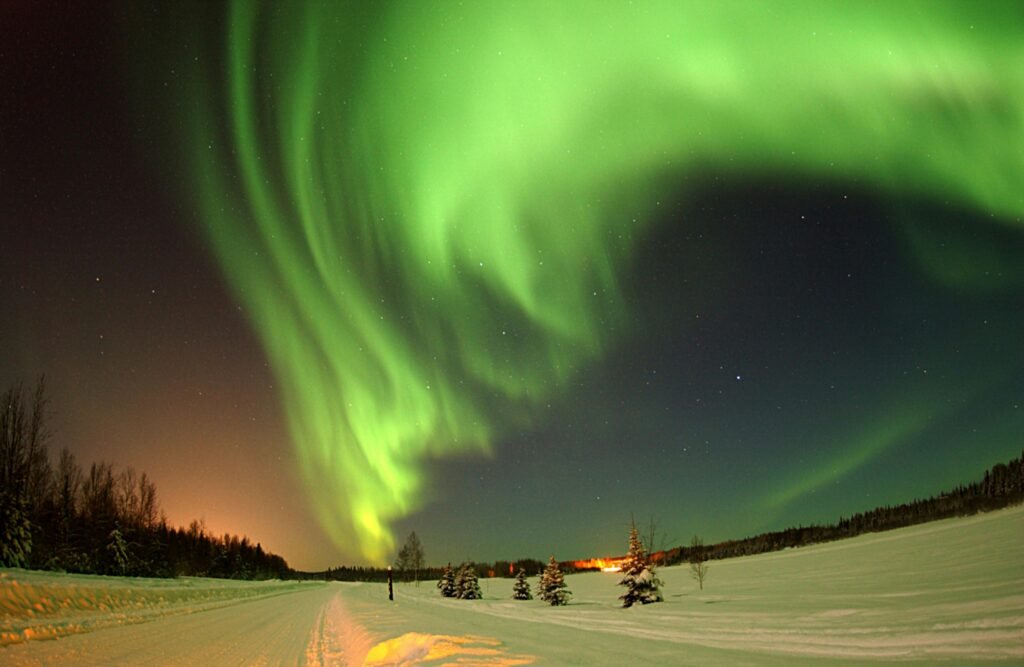
The Northern Lights, or Aurora Borealis, are a breathtaking natural phenomenon that many travelers aspire to witness. The Arctic region offers several prime locations known for providing optimal conditions for viewing this spectacular display. Among these, Tromsø, Svalbard, and Fairbanks stand out as top destinations.
Tromsø, located in Norway, is often referred to as the “Gateway to the Arctic.” This city is well accessible, thanks to its international airport and good transportation links. Visitors can enjoy a vibrant city atmosphere while being surrounded by stunning nature. The best time to visit Tromsø for Northern Lights viewing is between late September and early April, when the nights are long and dark. In addition to the natural light show, travelers can indulge in various amenities, including guided tours, local restaurants, and accommodations ranging from cozy cabins to luxury hotels.
Another exceptional location is Svalbard, an archipelago situated halfway between Norway and the North Pole. Svalbard offers a unique polar experience, with the chance to witness the Northern Lights while surrounded by breathtaking glaciers and wildlife. Accessibility may be limited due to its remote location; however, it is an unforgettable adventure for those willing to make the journey. Generally, the Northern Lights can be observed from late October through February, and visitors can choose from a variety of organized excursions to enhance their experience. The local infrastructure provides sufficient amenities, including lodges and dining options that embrace the Arctic ambiance.
Lastly, Fairbanks, Alaska, is another renowned place for observing the Northern Lights. Easily reachable via direct flights from various cities in the United States, Fairbanks provides both convenience and comfort. The optimal months for viewing are December through March, when the skies are often clear and the chances of seeing the lights are high. Fairbanks also boasts a range of services for visitors, such as guided tours, hot springs, and cultural experiences that complement the natural wonders.
Encountering Arctic Wildlife: What to Expect
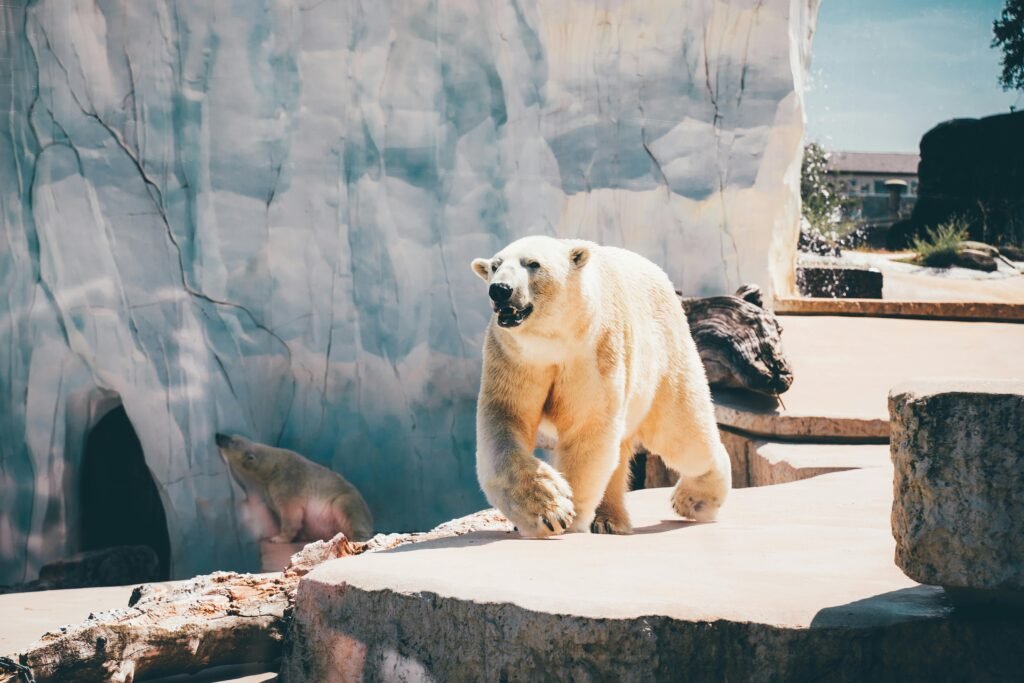
The Arctic is home to a myriad of fascinating wildlife, each uniquely adapted to thrive in one of the planet’s harshest environments. Among the most iconic of these species are polar bears, seals, and various migratory birds. Polar bears, often referred to as the “lords of the Arctic,” have become symbolic of this region. Spotting a polar bear in its natural habitat typically occurs along the coastlines and sea ice where they hunt for seals. The best time to observe these magnificent creatures is during the spring months when they are most active.
Seals also play a crucial role in the Arctic ecosystem, serving as a food source for polar bears and other predators. Species such as the ringed seal and the bearded seal can be found across the icy waters. The late winter and early spring seasons are ideal for seal watching, as they haul out onto ice floes or emerge from breathing holes in the ice. Guided tours often include opportunities to see these seals and learn about their importance within the food chain.
Moreover, the Arctic is a vital habitat for numerous migratory birds, including the majestic snowy owl and various species of geese. These birds typically arrive in the Arctic during the summer months to breed, making late spring to early summer the pinnacle time for birdwatching. Many regions, such as National Parks, offer vantage points optimal for observing these avian visitors.
When engaging in wildlife observation, it is paramount to practice responsible viewing techniques. Keeping a safe distance, minimizing noise, and avoiding feeding the animals are essential practices to ensure their well-being and conservation. Following these guidelines not only enhances the experience for visitors but also helps protect the delicate balance of the Arctic wildlife ecosystem.
Polar Exploration: Adventures on Ice
The Arctic offers a range of thrilling and serene polar adventures that cater to diverse interests and preferences. From the adrenaline seekers to those who appreciate the tranquility of nature, there is something for everyone in this icy wilderness. Among the most popular activities are dog sledding, ice hiking, and snowmobiling, each providing a unique way to experience the beauty of the polar regions.
Dog sledding stands out as a quintessential Arctic experience. Visitors can traverse the stunning landscapes pulled by a team of enthusiastic huskies. This form of transport has deep-rooted historical significance, originally employed by indigenous peoples for hunting and travel. Today, guided dog sledding tours allow adventurers to immerse themselves in the serene ambiance of the snow-covered terrain, evoking a sense of connection to the region’s rich heritage. Whether partaking in a short ride or embarking on a multi-day journey, participants can appreciate the strength and loyalty of these remarkable dogs.
For those who prefer a more active experience, ice hiking provides an excellent opportunity to explore the stunning glacial formations and frozen landscapes up close. Guided tours often employ specialized gear to ensure safety while navigating through challenging terrains. Ice hikes allow individuals to discover breathtaking ice caves, towering glaciers, and unique geological features, enriching the experience with educational insights into the region’s ecology and geology.
Snowmobiling, on the other hand, caters to thrill-seekers yearning for a faster-paced adventure. This exhilarating activity enables participants to cover vast distances and explore remote areas of the Arctic, encountering stunning vistas along the way. Tours are typically suitable for various skill levels, ensuring that both novices and experienced riders can savor the excitement of zooming across the pristine, powdery snow.
When selecting polar adventures, consider personal interests—whether it is the thrill of high-speed snowmobiling, the peaceful connection through dog sledding, or the breathtaking scenery of ice hiking. Matching individual preferences to these polar activities ensures a memorable experience that captures the essence of Arctic exploration.
Cultural Encounters: Meeting Indigenous Communities
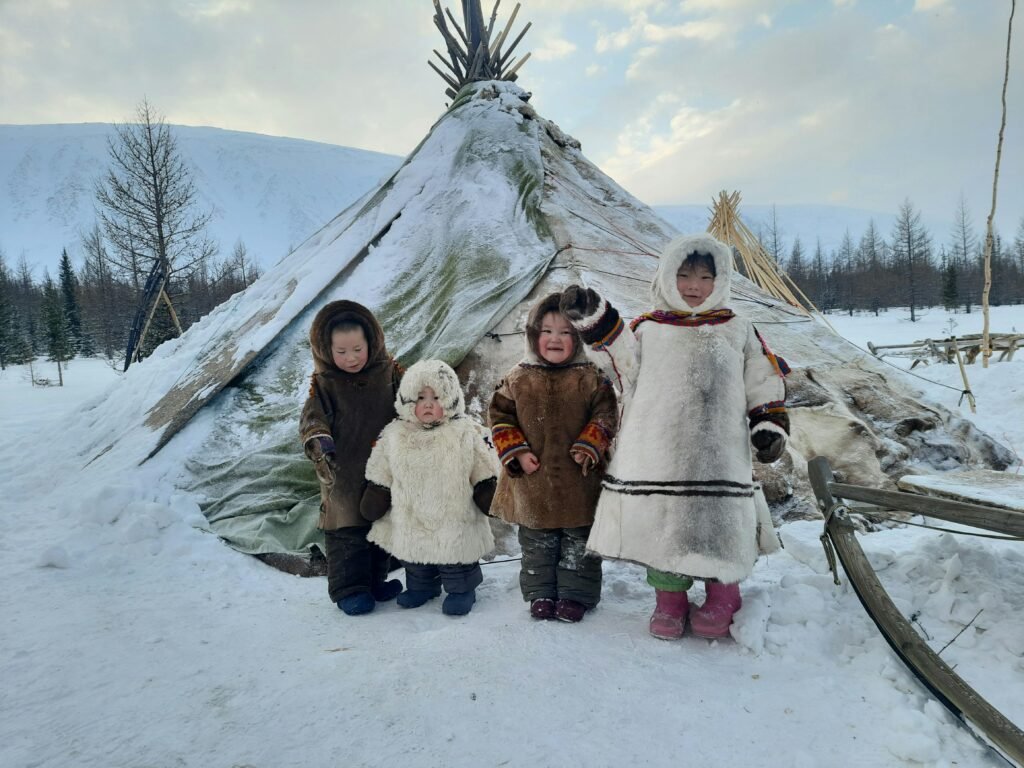
The Arctic is not only known for its stunning landscapes and natural phenomena, such as the Northern Lights, but also for its rich tapestry of Indigenous cultures. Among the prominent groups are the Inuit and Sámi peoples, whose traditional practices and lifestyles offer profound insights into the region’s heritage. Travelers seeking to experience the Arctic should take the opportunity to engage with these communities in a meaningful and respectful manner.
The Inuit, primarily residing in Canada, Greenland, and Alaska, boast a unique culture deeply tied to their environment. Their traditional practices include hunting, fishing, and gathering, activities that are essential for subsistence living. The Inuit language, Inuktitut, reflects their knowledge of the land and sea, featuring numerous words that describe ice formations and animal behaviors. Engaging with the Inuit often involves learning about their rich storytelling traditions, which transmit knowledge across generations and reinforce community ties.
On the other hand, the Sámi people inhabit parts of northern Norway, Sweden, Finland, and Russia. Known for their nomadic reindeer herding, Sámi culture emphasizes a sustainable relationship with the environment. Their language and folklore are integral components of their identity, showcasing a deep connection to their natural surroundings. Visitors may have the opportunity to interact with reindeer herders, participate in traditional crafts, or attend cultural festivals that celebrate Sámi heritage.
It is essential for travelers to approach these encounters with respect and sensitivity. Understanding the historical context of Indigenous communities in the Arctic, including the impact of colonization and globalization, can foster deeper appreciation and engagement. By supporting local initiatives and respecting cultural protocols, visitors not only gain authentic experiences but also contribute to the preservation of these vibrant cultures. Engaging with the Inuit and Sámi ensures that their voices are heard and their traditions continue to flourish amidst the challenges of modern life.
Planning Your Arctic Expedition: Travel Tips & Essentials
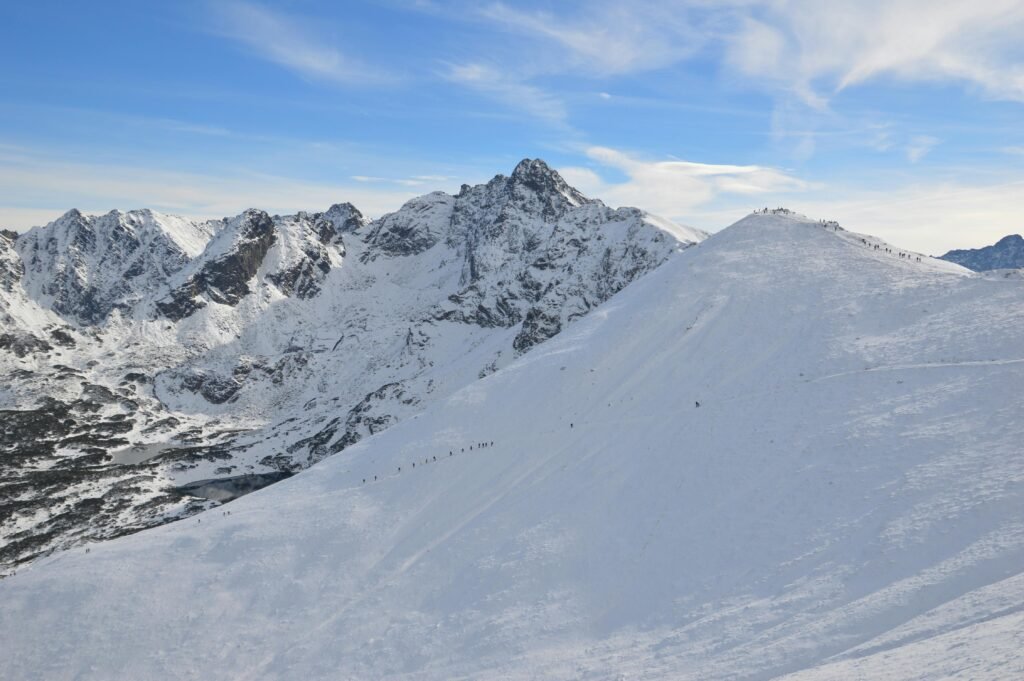
Embarking on an Arctic expedition requires meticulous planning to ensure safety and enjoyment during your adventure. To start, choosing the best time to visit is crucial. The Arctic region experiences extreme weather conditions that vary significantly across seasons. The months from late September to early April are ideal for witnessing the mesmerizing Northern Lights, while summer months, from late June to early August, are best for wildlife enthusiasts keen on observing animals in their natural habitat, including polar bears and migratory birds.
When it comes to gear, investing in high-quality winter clothing is essential. Layering is key in Arctic climates; thermal base layers, insulated mid-layers, and waterproof outer layers will help you stay warm and dry. Accessories such as insulated gloves, hats, and sturdy, insulated boots are also necessary. Polar temperatures can plummet, so ensure that your equipment is suitable for sub-zero conditions. Opt for durable and weather-resistant backpacks to protect your belongings during excursions.
Travel logistics are another element to consider. Research and book local guides or tour companies experienced in Arctic tourism, as they can provide valuable insights and enhance your safety while navigating this pristine environment. Be mindful of the travel routes, as many areas are only accessible during specific seasons. International flights to major hubs such as Reykjavik (Iceland) or Tromsø (Norway) often serve as good starting points for Arctic travel.
Lastly, it is imperative to consider the environmental impact of your expedition. Opt for eco-friendly travel practices, such as minimizing waste and respecting wildlife habitats. Personal safety should also be a priority; familiarize yourself with the region’s wildlife and heed safety guidelines to ensure a secure experience. Careful planning will help you make the most of your Arctic journey while preserving its natural beauty for future generations.
Responsible Travel in the Arctic: Sustainability and Conservation
As interest in Arctic tourism continues to rise, the necessity for sustainable practices becomes increasingly vital. Responsible travel in this unique environment not only ensures the preservation of its delicate ecosystems but also promotes a harmonious relationship between visitors and local communities. Sustainable tourism in the Arctic focuses on minimizing ecological footprints, fostering conservation efforts, and supporting the indigenous ways of life.
Prioritizing eco-friendly practices plays a significant role in reducing the environmental impact of tourism. Travelers can make conscious choices, such as minimizing water usage, reducing waste, and choosing eco-friendly accommodations. Selecting travel options that involve small group tours significantly limits the strain on local wildlife and natural habitats. Tour operators dedicated to sustainable practices often limit the number of visitors in sensitive areas, ensuring that natural ecosystems can thrive without excessive disturbance.
Moreover, conservation organizations and ethical travel companies actively engage in initiatives aimed at educating tourists about the fragile Arctic environment. These organizations often provide guidelines for responsible interaction with wildlife, emphasizing the importance of observing animals from a safe distance and avoiding feeding them or encroaching on their habitats. By fostering a sense of environmental stewardship, tourists can contribute to the protection of these precious ecosystems while enjoying their experience.
Lastly, responsible travel in the Arctic extends to supporting local communities. Engaging with indigenous cultures and purchasing locally-made goods contribute to the economic stability of these regions, and helps maintain their cultural heritage. By choosing to travel responsibly, visitors can make an impactful difference, ensuring that the beauty and integrity of the Arctic region are preserved for future generations. Sustainable tourism is not merely a trend but an essential approach that aligns with the principles of conservation and respect for the environment.
Conclusion: Embracing the Arctic Adventure
In reflecting on the Arctic adventure, one can appreciate the myriad of experiences that await those who venture into this remarkable region. The Northern Lights, with their mesmerizing auroras dancing across the sky, provide a natural light show that captivates the soul and inspires awe. Witnessing this phenomenon is not just a visual experience; it is a profound moment of connection to nature that remains etched in memory.
Moreover, encounters with the diverse wildlife inhabiting the Arctic add another layer of wonder to the journey. From majestic polar bears to elegant Arctic foxes and migrating whales, the opportunity to observe these creatures in their natural habitat deepens our understanding of the ecological balance that sustains this fragile environment. Each encounter serves as a reminder of the need to protect these species and their habitats, thus enriching one’s appreciation for wildlife conservation efforts.
Cultural interactions with Indigenous communities further enhance the Arctic experience. Engaging with local traditions, stories, and practices fosters a deeper understanding of how the people of the Arctic have adapted to their environment over countless generations. This cultural exchange cultivates mutual respect and appreciation for the rich heritage that shapes life in the Arctic.
Ultimately, an adventure in the Arctic is transformative. It encourages personal growth through the challenges of navigating its rugged landscapes while offering moments of reflection amid its serene beauty. Embracing this journey opens up a world of discovery that is both thrilling and humbling. Whether you aim to witness the Northern Lights, encounter wildlife, or immerse yourself in the rich cultures, the Arctic promises an unforgettable experience that resonates long after the journey concludes.