
How to Keep Your Devices Charged Anywhere: A Traveler’s Guide
Introduction
In our increasingly digital world, maintaining a charged electronic device during travel has become imperative. Whether embarking on a long journey, exploring remote destinations, or navigating through unfamiliar terrain, the importance of staying powered up cannot be overstated. Modern travelers rely heavily on their devices for various essential tasks, including communication, navigation, and entertainment. From keeping in touch with loved ones to accessing maps and travel apps, a charged device ensures that you remain connected and well-informed.
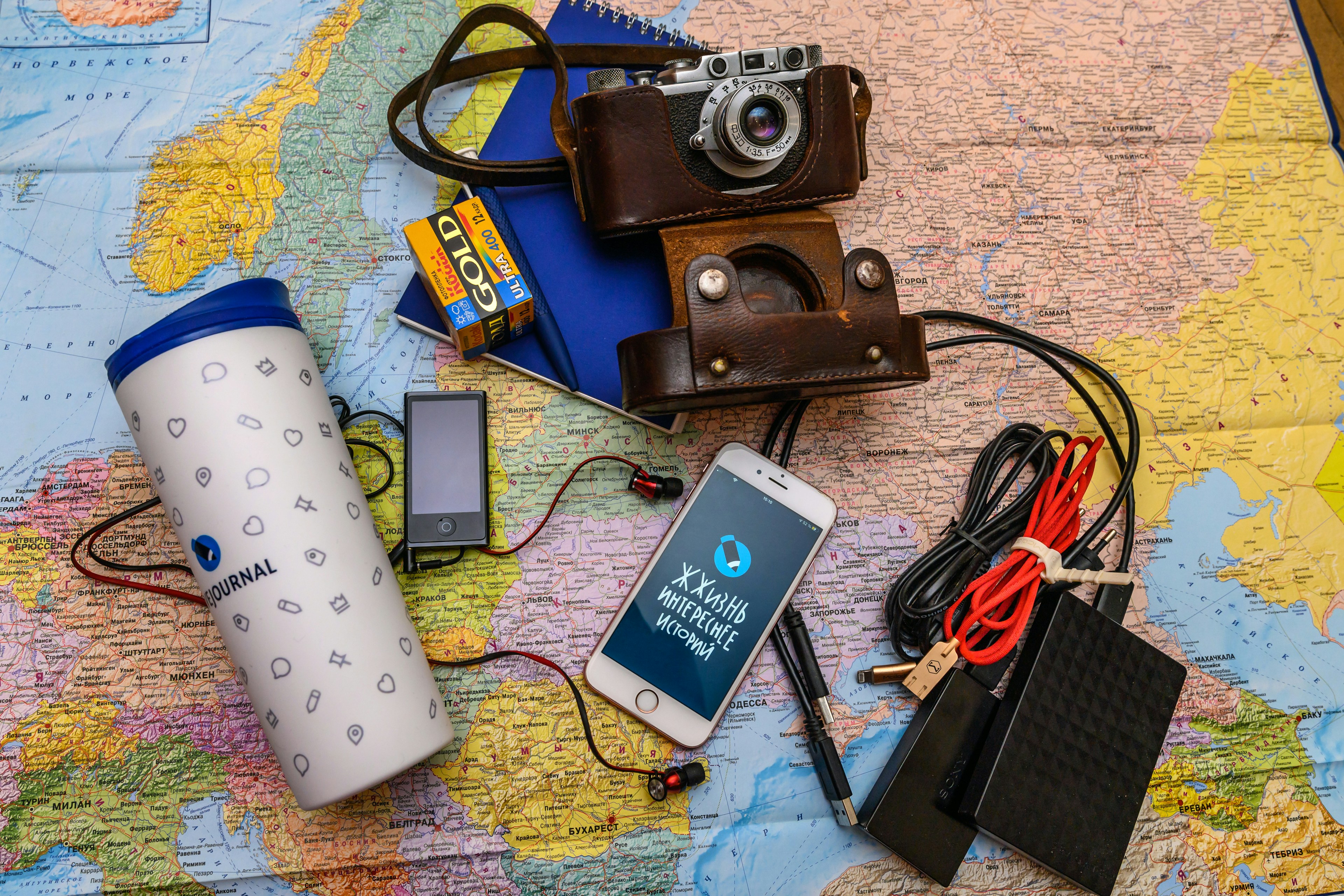
Moreover, in today’s landscape, emergencies can arise unexpectedly. A fully charged smartphone can be a lifeline, enabling you to call for help, provide your location, or access important information swiftly. Additionally, engaging in travel entertainment, such as streaming music or movies, can enhance your journey, making long hours in transit more enjoyable. As the reliance on technology increases, the need for sustainable power solutions grows exponentially, especially in areas where traditional charging options may be limited.
This blog post aims to address this pressing concern by exploring various strategies and innovative solutions that can help keep your devices charged regardless of your location. We will examine portable chargers, solar chargers, power banks, and other helpful tools that ensure your gadgets remain functional during your travels. Furthermore, we will outline best practices for conserving battery life while on the go. As we delve deeper into each of these strategies, you will discover how to effectively equip yourself for a seamless travel experience, allowing you to focus on enjoying your journey rather than worrying about your device’s battery life.
Understanding Your Power Needs
As modern travelers increasingly rely on a range of electronic devices, understanding your power needs has become essential for seamless journeys. Typically, travelers carry a variety of gadgets including smartphones, tablets, laptops, and sometimes portable gaming devices. Each of these devices comes with its own battery life expectations, influenced by usage habits. For instance, while a smartphone may comfortably endure a full day on a single charge with moderate use, a laptop may require more frequent charging, especially when used for intensive tasks like video editing or running heavy applications.
To estimate daily power consumption, it is important to consider how much time you will spend using each device daily. Common patterns arise from travelers; for example, a traveler might use a smartphone for navigation and communication, while a tablet is often utilized for reading and leisure activities during downtime. Laptops, however, may not need to be used daily if light tasks can be accomplished through a tablet or smartphone. This makes it crucial to assess not only battery life capabilities but also how often you intend to use each device throughout your travels.
In order to prioritize your devices based on necessity, create a list of your essential gadgets. Identify which devices are non-negotiable and which can be temporarily set aside if battery life becomes a concern. A good rule of thumb is to ensure that your smartphone remains charged at all times, as it often serves multiple purposes — from communication to navigation. Tablets and laptops can follow in importance based on the nature of your tasks. Additionally, try to limit the use of devices in low-power modes when unnecessary, to conserve energy for when you truly need it. The key lies in assessment and prioritization, ensuring that you can maintain productivity and connectivity throughout your journeys.
Top Amazon Products for Charging on the Go
Traveling often presents challenges, particularly when it comes to keeping electronic devices powered and ready for use. Thankfully, a variety of innovative products are available on Amazon that address these challenges and are specifically designed for travelers. Below are some essential charging tools every traveler should consider to ensure their devices remain charged, irrespective of location.
One popular option is solar power banks, which harness energy from the sun to recharge devices. These power banks typically come equipped with high-capacity batteries and foldable solar panels that are both lightweight and portable. They are particularly beneficial for outdoor enthusiasts, allowing users to charge smartphones, tablets, or cameras without the need for conventional power sources. Some solar chargers even offer dual or multiple charging ports, enabling simultaneous charging of several devices, thus serving as an invaluable resource during extended adventures.
Another essential product is multi-device charging cables, which streamline the charging process by accommodating various device brands and models. These cables often feature interchangeable tips or connectors, making them compatible with smartphones, tablets, and laptops alike. By carrying just one multi-device cable instead of separate chargers for each gadget, travelers can significantly reduce clutter in their bags while ensuring they always have an appropriate charging solution on hand.
Lastly, portable power stations present a powerful charging option for those traveling with multiple devices, such as laptops, drones, and other equipment. These compact power stations come with multiple AC, USB, and DC outlets, allowing users to charge several devices at once. Ideal for longer trips or locations where electricity is scarce, a portable power station can prove invaluable for maintaining connectivity and ensuring essential tools remain operational throughout the journey.
Solar Power Banks: Harnessing the Sun’s Energy
As technology advances, the necessity for portable power supply solutions has grown, particularly for travelers embarking on remote adventures where traditional power sources may be unavailable. Solar power banks offer an innovative way to harness sunlight, converting solar energy into electrical energy to recharge electronic devices such as smartphones, tablets, and cameras. Understanding how these devices operate and their advantages can significantly benefit those looking to maintain charge while exploring the great outdoors.
Solar power banks are equipped with photovoltaic panels that capture sunlight and convert it into usable energy. This energy is then stored in an internal battery, allowing users to recharge their electronic gadgets anytime there is sunlight. Their portability and ability to operate independently from grid power make them an essential companion for anyone traveling to off-grid locations, camping, or engaging in outdoor activities long enough to drain standard power banks.
When selecting a solar power bank, travelers should consider several factors. The capacity of the power bank, typically measured in milliampere-hours (mAh), indicates how much energy it can store. A higher mAh value is crucial for multiple charges of heavier devices. Weight is another critical consideration; while larger capacity banks can be heavier, choosing one that balances weight and storage is key, especially when packing for long hikes.
Charging speed is also a vital aspect of choosing a solar power bank. Many devices will have dual charging capabilities, allowing you to recharge via a wall outlet through conventional methods or directly via solar energy. For optimal charging, placement matters; ensure that the solar panels are exposed to direct sunlight, free from obstructions. Positioning the power bank at an angle can enhance its ability to absorb sunlight quickly and efficiently.
Multi-Device Charging Cables: Simplifying Your Charging Needs
In today’s fast-paced and digitally driven environment, travelers must manage multiple electronic devices. This often requires a variety of charging cables, which can complicate travel logistics. Multi-device charging cables have emerged as a practical solution, combining several functionalities into one streamlined design. By using these versatile cables, travelers can significantly reduce the amount of luggage they carry while ensuring all their devices remain fully charged.
Multi-device charging cables are engineered to be compatible with various gadgets, including smartphones, tablets, laptops, cameras, and more. They typically feature multiple connectors, such as USB-C, Micro USB, and Lightning, allowing users to charge a wide array of devices without the need for multiple cables. This adaptability not only saves space in luggage but also minimizes the risk of forgetting or losing individual cables during travel.
When selecting a multi-device charging cable, it is essential to consider factors such as durability and charging speed. High-quality cables are often constructed from robust materials, ensuring longevity even after extensive use. Look for options that support fast charging technology, enabling quicker power replenishment for your devices while on the go. Additionally, cables that are tangle-free or have retractable designs can provide further convenience during travel.
Some highly recommended multi-device charging cables include the Anker Powerline series, which is known for its speed and durability, and the Apple USB-C to Lightning Cable for Apple device users. Another option is the Aukey 3-in-1 Charging Cable, designed to tackle the most common charge types. By integrating a multi-device charging cable into your travel kit, you can streamline your charging needs, thereby enhancing your overall travel experience. Ultimately, having the right charging solution can alleviate the stress of managing multiple devices while traveling.
Portable Power Stations: For High-Powered Devices
In today’s digital era, staying connected while traveling is paramount, particularly for those who rely on high-powered devices such as laptops, cameras, and drones. Portable power stations serve as indispensable solutions for charging these devices, providing travelers with a reliable source of energy when traditional outlets are unavailable. These multifunctional units can store significant amounts of energy, allowing users to recharge their gadgets multiple times without needing to be plugged into an external power source.
Typically, portable power stations come equipped with a variety of output options, including AC outlets, USB ports, and sometimes even solar panel compatibility. This versatility means that they can accommodate a range of devices, from smartphones to larger electronics, with ease. Capacity is a key consideration when selecting a portable power station; most models offer capacities ranging from 200Wh to over 1000Wh. This capacity directly impacts how many times and how quickly a device can be charged. For instance, a power station with at least 500Wh is often recommended for extensive trips, as it can generally power a laptop for several charges while also providing enough juice for smaller devices.
When evaluating portable power stations, it’s crucial to consider the specific use case. For example, adventurers often prefer lighter models that are easy to carry, while professional photographers may require units with higher wattage to efficiently charge multiple camera batteries. Additionally, investing in a power station with advanced safety features such as surge protection and temperature control can provide peace of mind during usage. In essence, portable power stations represent a critical accessory for modern travelers, ensuring that power is always within reach regardless of location.
Creative Charging Solutions for On-the-Go

When traveling, keeping your devices charged can often be a challenge, particularly in remote locations where power sources are scarce. Fortunately, a variety of innovative charging solutions are available, ensuring that your devices remain functional regardless of where your journey takes you. One effective method is utilizing the power available in vehicles. Most modern cars come equipped with USB ports to facilitate charging. Additionally, using a car charger that connects to the vehicle’s lighter socket can offer a reliable power source for multiple devices simultaneously, making them essential tools for road trips.
Public charging stations have gained popularity in recent years, serving as convenient points to recharge your devices. Many cities now offer charging benches or kiosks in parks, airports, and transit stations. This not only allows travelers to power their devices but also provides an opportunity to rest and recharge both physically and electronically. Utilizing apps that locate the nearest charging stations can greatly enhance your charging capabilities during your travels.
For the eco-conscious traveler, alternative charging solutions such as portable solar chargers are an excellent option. These devices convert sunlight into electricity, enabling users to charge their gadgets while exploring outdoor environments. Additionally, biking enthusiasts can consider using pedal-powered generators, which harness kinetic energy to produce electricity for device charging during rides. This unique solution not only provides a source of power but also promotes an active lifestyle, appealing to travelers who enjoy physical activity.
Ultimately, thinking creatively about charging solutions can significantly enhance your travel experience. Sharing user experiences, techniques, and insights can inspire others to adopt these innovative charging practices. By embracing inventive methods, travelers can ensure that they remain connected and powered up during their adventures.
Best Practices for Conserving Battery Life When Traveling
Traveling often brings about the challenge of ensuring that your devices remain charged throughout your journey. Proper battery conservation is essential for maintaining functionality and connectivity when power sources may be limited. By implementing several effective strategies, travelers can maximize battery lifespan and enhance their overall experience.
One of the most impactful methods to conserve battery life is by adjusting your device settings. Lowering screen brightness is a straightforward way to extend battery longevity, as the display typically consumes the most power. Additionally, turning on “Auto-brightness” allows the device to adapt to surrounding light conditions, further optimizing energy usage. Another critical adjustment involves managing background apps, which can drain power without the user’s awareness. Close unused applications and limit background data for infrequently used apps.
Utilizing battery saver modes is another effective strategy. Most modern devices come equipped with built-in battery saver features that can be activated to limit background processes and notifications, ensuring essential functions remain operational while conserving energy. Travelers should familiarize themselves with these settings before embarking on their journey, as activating these modes can lead to significant increases in battery longevity.
Advance planning based on the length of the journey and availability of power sources can also contribute to better battery management. Travelers should consider how long they will be away from charging opportunities and prioritize the applications they plan to use. By scheduling media consumption, such as downloading movies or playlists ahead of time for offline use, individuals can minimize the need for constant wireless connectivity, ultimately preserving battery life. By implementing these best practices, travelers can ensure their devices remain functional throughout their adventures.
Final Thoughts: Staying Empowered While Wandering
In today’s digital age, maintaining the charge on devices while traveling has become increasingly vital. The ability to stay connected not only enhances communication but also enriches the overall travel experience. From navigating unfamiliar cities to sharing moments on social media, devices serve as essential tools for travelers, making it crucial to ensure they remain powered throughout any journey.
As highlighted throughout this guide, there are various strategies and tools available to help travelers keep their devices charged. Portable chargers, solar-powered options, and charging stations can significantly alleviate the anxiety of battery depletion while on the go. It is advisable for travelers to carefully assess their charging solutions based on individual needs and travel itineraries. For instance, urban travelers might rely more heavily on power banks, whereas those exploring remote areas might benefit from solar chargers that can provide a reliable power source away from conventional outlets.
Encouraging readers to think critically about their charging habits is essential. Reflecting on past experiences can lead to the identification of what worked well and what did not, enabling travelers to make informed decisions for future excursions. Investing in quality charging products not only enhances convenience but also contributes to peace of mind. Having a reliable charging strategy ensures that essential devices remain operational, meaning one can confidently explore new places without the fear of losing touch.
Ultimately, being well-equipped can significantly elevate travel experiences. Reliable connectivity as a result of effective charging solutions allows for shared moments and immediate access to information, blending modern technology with the adventure of travel. By prioritizing device charging while wandering, travelers can focus on what truly matters: the journey itself.