
Airport Hacks You’ll Wish You Knew Sooner
Introduction to Airport Hacks
In today’s fast-paced world, air travel remains one of the most efficient means of transportation. However, airports can often present a range of challenges that can detract from the overall experience. These challenges include long lines at check-in and security, delays in baggage claim, and the ubiquitous stress of navigating crowded terminals. This is where airport hacks come into play; these strategies and tips can significantly enhance the travel experience by making procedures more efficient and enjoyable.
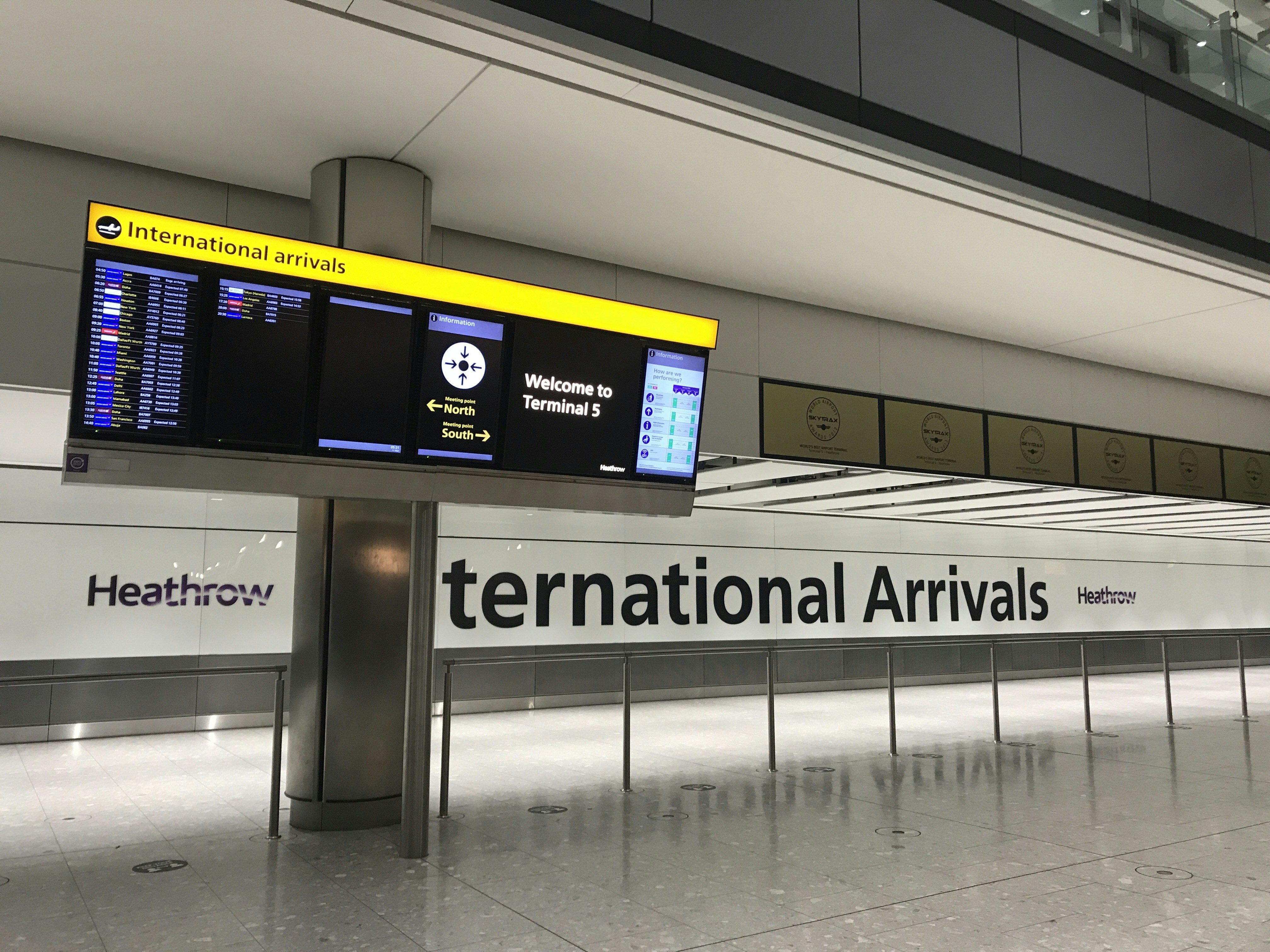
Airport hacks refer to a collection of tricks and insights that savvy travelers employ to circumvent common inconveniences. By leveraging these hacks, individuals can minimize wait times, secure better seating arrangements, and effectively manage luggage issues. For example, one common issue faced by travelers is the long wait times at security checkpoints. Knowing the best times to travel or understanding how to prepare one’s carry-on can help mitigate this problem. Another frequent concern is the potential for lost luggage; using distinctive labels or employing tracking devices can help safeguard one’s belongings during transit.
Moreover, airport hacks are not just practical; they can also lead to significant savings. From knowing how to book flights at the most opportune times to access frequent flyer points effectively, these tips can contribute to a more cost-effective travel experience. This guide aims to reveal essential airport hacks that every traveler should be aware of, providing insights that will allow for smoother, less stressful journeys through the world’s airports.
Arrive Early: The Power of Time
In the realm of air travel, the significance of arriving at the airport well ahead of your scheduled flight cannot be overstated. Traveling can be an unpredictable experience, and the extra time afforded by early arrival can serve as a buffer against potential hiccups. For domestic flights, it is generally recommended that passengers arrive at least two hours in advance. This timeframe allows sufficient opportunity for various activities, including check-in, security procedures, and unforeseen challenges such as traffic delays or long lines.
When it comes to international flights, the stakes are higher, and consequently, the recommended arrival time increases to three hours prior to departure. This additional time is critical not only because of the heightened security measures often associated with international travel but also due to the complexities involved with customs and immigration procedures. Arriving early serves multiple purposes, such as ensuring that you have ample time to resolve any issues that may arise, such as lost documents or ticket discrepancies.
Moreover, an early arrival can significantly reduce travel-related stress. Navigating through busy terminals, finding your gate, and potentially grabbing a quick bite to eat can quickly elevate anxiety levels. By providing yourself with extra time, you can approach these tasks without haste, ensuring a smoother and more enjoyable experience. Furthermore, arriving early offers the opportunity to relax, potentially enjoy amenities such as lounges or shops, and mentally prepare for the journey ahead. In essence, the power of time in relation to airport travel is an invaluable tool that contributes to a more enjoyable and stress-free experience.
Utilizing Airport Apps and Websites

In this digital age, travelers can significantly enhance their airport experience by utilizing various airport apps and websites. These tools provide an abundance of useful information that helps in navigating terminals, monitoring flight statuses, and streamlining travel planning. One of the most effective ways to start is by downloading official airport apps or using their websites. Most major airports have developed their apps, which can deliver real-time updates on flights, gate changes, and even allow passengers to navigate the terminal with interactive maps.
For instance, apps like FlightAware and FlightRadar24 offer tracking of flights in real time, giving travelers insights into delays or early arrivals. They can be especially beneficial for individuals who want to stay informed about their flight status before reaching the airport. Additionally, many airports, such as those in San Francisco or Denver, have comprehensive mobile applications dedicated to providing information on dining, shopping, and transportation options within the airport, ensuring travelers can make the most of their time before boarding.
Furthermore, services like GateGuru consolidate information from various sources to present travelers with a complete picture of their airport experience. This can include amenities, wait times at security checkpoints, and directions to points of interest. Utilizing such airport apps and websites not only enhances convenience but also empowers travelers with knowledge about what to expect during their journey. Ultimately, the strategic use of these tools can help mitigate stress and ensure a smoother transition through the often chaotic airport environment.
Security Checkpoint Strategies

Navigating airport security checkpoints can often feel daunting, but with the right strategies, travelers can significantly expedite the process. One effective approach is to dress appropriately for the journey. Opt for slip-on shoes, as these can be easily removed, avoiding unnecessary delays at the metal detector. Moreover, keeping clothing simple, such as avoiding overly layered outfits, can simplify the process of screening. Ensuring that you limit the number of accessories like belts, large jewelry, or complex outerwear can prevent your passage through security from becoming a lengthy affair.
Another essential aspect to consider is packing. Familiarizing oneself with the Transportation Security Administration (TSA) regulations plays a crucial role in minimizing delays. Items that are prohibited or require declaration, such as liquids over the allowed limit or sharp objects, should be stored in checked luggage instead of carry-on bags. Understanding the rules concerning electronics can also save time; for example, larger electronic devices typically need to be placed in separate bins for scanning. Keeping a checklist of what items can and cannot be brought into the cabin can make the security procedure streamlined and straightforward.
Additionally, arriving at the airport with ample time allows for unforeseen circumstances, such as longer-than-expected wait times at security. Utilizing shorter lines, which can often be found during off-peak travel hours, is another tactic that can enhance efficiency. Many travelers also find it beneficial to enroll in programs like TSA PreCheck, which offers expedited screening, allowing travelers to leave on shoes and belts and keep laptops and compliant liquids stored in their bags.
By implementing these practical strategies, individuals can navigate airport security with greater ease and timeliness, enhancing their overall travel experience. Taking the time to prepare ahead, understanding TSA regulations, and making well-informed packing choices are key elements that contribute to a smooth transition through security checkpoints.
Finding the Best Airport Lounges
Airport lounges have become synonymous with comfort and luxury while traveling. They offer a serene environment away from the hustle and bustle of crowded terminals, presenting a much-needed respite during layovers or delays. Travelers can access these lounges through various means, including credit card benefits, annual memberships, or purchasing one-time passes. Understanding these access points can enhance your travel experience significantly.
Many premium credit cards provide complimentary access to select airport lounges as part of their rewards programs. Cards from issuers like American Express, Chase, and Citi often include lounge access privileges that can substantially elevate the comfort level of your travels. These lounges frequently feature amenities such as complimentary food and beverages, Wi-Fi, and even shower facilities—allowing passengers to freshen up before their next flight. Moreover, some lounges include business centers and meeting rooms, making them ideal workspaces for business travelers.
For those who do not possess credit cards with such benefits, there are still options available. Several lounges offer day passes, allowing travelers to enjoy the amenities for a nominal fee. Websites and apps dedicated to travel often list available lounges and their access requirements at various airports, making it easier to plan ahead. Additionally, loyalty programs of airlines frequently allow premium members lounge entry, highlighting the advantages of frequent flying.
In addition to providing relaxation and comfort, airport lounges play a pivotal role in optimizing your travel experience. By offering a tranquil space with various amenities, they can significantly reduce the stress commonly associated with waiting for flights. Whether accessed through memberships, credit cards, or day passes, leveraging airport lounges can transform the wait into a pleasant experience. By considering these options, travelers can make informed decisions about how to enhance their airport experience.
Staying Charged with Portable Power Banks
In today’s technology-driven world, the reliance on mobile devices during travel has become increasingly prominent. Whether for entertainment, navigation, or communication, a charged device is essential. This necessity emphasizes the importance of portable power banks, which serve as a convenient solution to ensure your devices remain charged throughout your journey. These compact power sources allow travelers to recharge their smartphones, tablets, and other electronics without the hassle of locating a wall outlet.
When selecting a portable power bank, it is crucial to consider factors such as capacity, weight, and charging speed. A power bank with a higher capacity (measured in milliampere-hours, or mAh) will provide multiple recharges for your devices, making it a worthwhile investment for frequent travelers. Additionally, consider the power bank’s weight and size, as a lightweight and compact design can significantly enhance portability. Charging speed is also an essential factor; fast-charging power banks reduce the time spent tethered to an outlet, thereby allowing for a more efficient travel experience.
While portable power banks are invaluable, there may be times when they are left behind or out of power. In such situations, it is helpful to be aware of available charging stations at airports. Many modern airports are equipped with charging kiosks and power stations strategically located near waiting areas. Apps and websites dedicated to airport information can guide you to these charging facilities, ensuring that you remain connected even when your portable power bank is unavailable. With some advance planning and a reliable power bank, you can enjoy a stress-free travel experience, fully confident that your devices will be charged when you need them most.
Packing Smart: The Essential Travel Gear
Packing efficiently is crucial for any traveler looking to maximize space and minimize the risk of losing important items. Implementing strategic packing techniques can not only save valuable luggage space but also significantly reduce the stress associated with travel. One notable method involves the use of packing cubes, which help organize clothing and accessories while allowing for easier access to belongings. Rolling clothes instead of folding can also help to minimize wrinkles and optimize available space.
Another essential component of smart packing is choosing the right travel gear. The Travelon Anti-Theft Classic Sling Bag stands out as an ideal option for ensuring both organization and security during your journey. This bag is designed with the traveler in mind, featuring multiple compartments that allow for effective organization of personal items, such as passports, electronics, and other valuables.
The sling bag’s anti-theft properties are a key feature, incorporating lockable zippers and RFID-blocking technology that protects personal information stored on credit cards and passports. This functionality provides peace of mind, allowing you to focus on enjoying your trip without the constant worry of theft. Additionally, the adjustable strap can be worn across the body, keeping your possessions close and secure.
In opting for the Travelon Anti-Theft Classic Sling Bag, travelers can benefit from its lightweight design and durability, making it suitable for day-to-day use during travel. Its sleek appearance ensures that it remains stylish while also serving as a practical solution for carrying essentials. By utilizing such travel gear, individuals can streamline their packing process and enhance their overall travel experience, maintaining order and security as they navigate airports and explore new destinations.
Navigating Food Options at Airports
Traveling through airports can often present challenges, particularly when it comes to finding nutritious and affordable food options. Airports are notorious for overpriced, low-quality meals that can leave travelers feeling unsatisfied or unhealthy. However, with a strategic approach, one can discover better dining options that cater to both health and budget.
To start, it is crucial to research airport dining options ahead of time. Many airports provide online maps and lists of restaurants, cafes, and food stalls available. Familiarizing oneself with these options before arrival can save time and make it easier to find healthier choices. Additionally, various mobile applications offer menu previews and user reviews, which can guide travelers toward reputable establishments.
When navigating food choices at airports, travelers should prioritize establishments that serve fresh ingredients and wholesome meals. Look for restaurants that focus on healthier options, such as salads, grain bowls, or grilled proteins. Many modern airports feature farm-to-table restaurants or establishments that highlight local cuisine, which often provides fresher alternatives compared to typical fast-food outlets.
Another effective strategy is to carry snacks from home or purchase healthier options in the terminal. Many travelers overlook the abundance of snack shops that offer dried fruits, nuts, and protein bars. These can provide much-needed nourishment during long layovers without breaking the bank or compromising health standards.
Avoiding busy meal times can also make a significant difference. Traveling during off-peak hours often means shorter lines and a more relaxed dining experience, allowing for better food selection. Furthermore, being flexible with meal times and indulging in a light meal during less crowded times can help avoid the pressure of choosing quickly at peak hours.
By employing these strategies, air travelers can enhance their airport dining experience, ensuring they find healthier, delicious options that align with their dietary needs without overspending. This proactive approach can transform the usual airport food hunting process into an enjoyable part of the journey.
Conclusion and Final Tips
As emphasized throughout this blog post, travel can often be associated with stress and inconvenience, particularly in the airport environment. However, the airport hacks we have discussed can significantly streamline your travel experience, making it more enjoyable and efficient. Implementing these strategies allows travelers to navigate the complexities of airport logistics, from security procedures to boarding practices, with greater ease.
For instance, utilizing apps to monitor gate changes and flight statuses can save time and prevent unnecessary anxiety. Arriving early, while commonly advised, takes on extra importance when combined with the knowledge of available amenities. Travelers can take advantage of airport lounges, which often provide a quieter environment, refreshments, and comfortable seating, before their flights. Another essential tip is to pack strategically—choosing a versatile wardrobe and essential items can make a world of difference in ensuring a smooth journey.
Consider also the value of knowing the layout of your departure airport, as this can reduce transit time between terminals and security checks. As airports can vary widely in size and complexity, a little research prior to your trip can go a long way. Additionally, travelers should be aware of options for expedited security screening, which can minimize wait times significantly.
Finally, it is highly beneficial to engage with fellow travelers and share your own airport hacks. Each traveler brings unique experiences, and their tips can enhance our collective knowledge. Encourage others to contribute their insights, creating a community of savvy travelers who are well-prepared for their journeys.
By adopting these airport hacks, you can transform your next travel experience into a more organized and pleasant adventure, ultimately enhancing your journey from takeoff to landing.