
Exploring Krakow: A Historical Walking Tour and the Best Shoes for Your Journey
Introduction to Krakow’s Rich History
Krakow, one of Poland’s oldest cities, stands as a testament to centuries of rich history and vibrant culture. Founded in the 7th century, this magnificent city has been a central figure in the political, cultural, and spiritual life of Poland. Its historical significance is profound, having served as the royal capital until the late 16th century. This legacy is vividly reflected in its architecture, which showcases a harmonious blend of Gothic, Renaissance, and Baroque styles.
The city’s historical evolution can be traced through its numerous landmarks. The Wawel Castle, perched on the banks of the Vistula River, not only served as a royal residence but is also a pivotal symbol of Polish national identity. The castle complex, along with the exceptional St. Mary’s Basilica and the charming Main Market Square, encapsulates the grandeur that characterizes Krakow’s architectural landscape. This array of historical sites offers visitors insightful glimpses into the lives of past inhabitants.
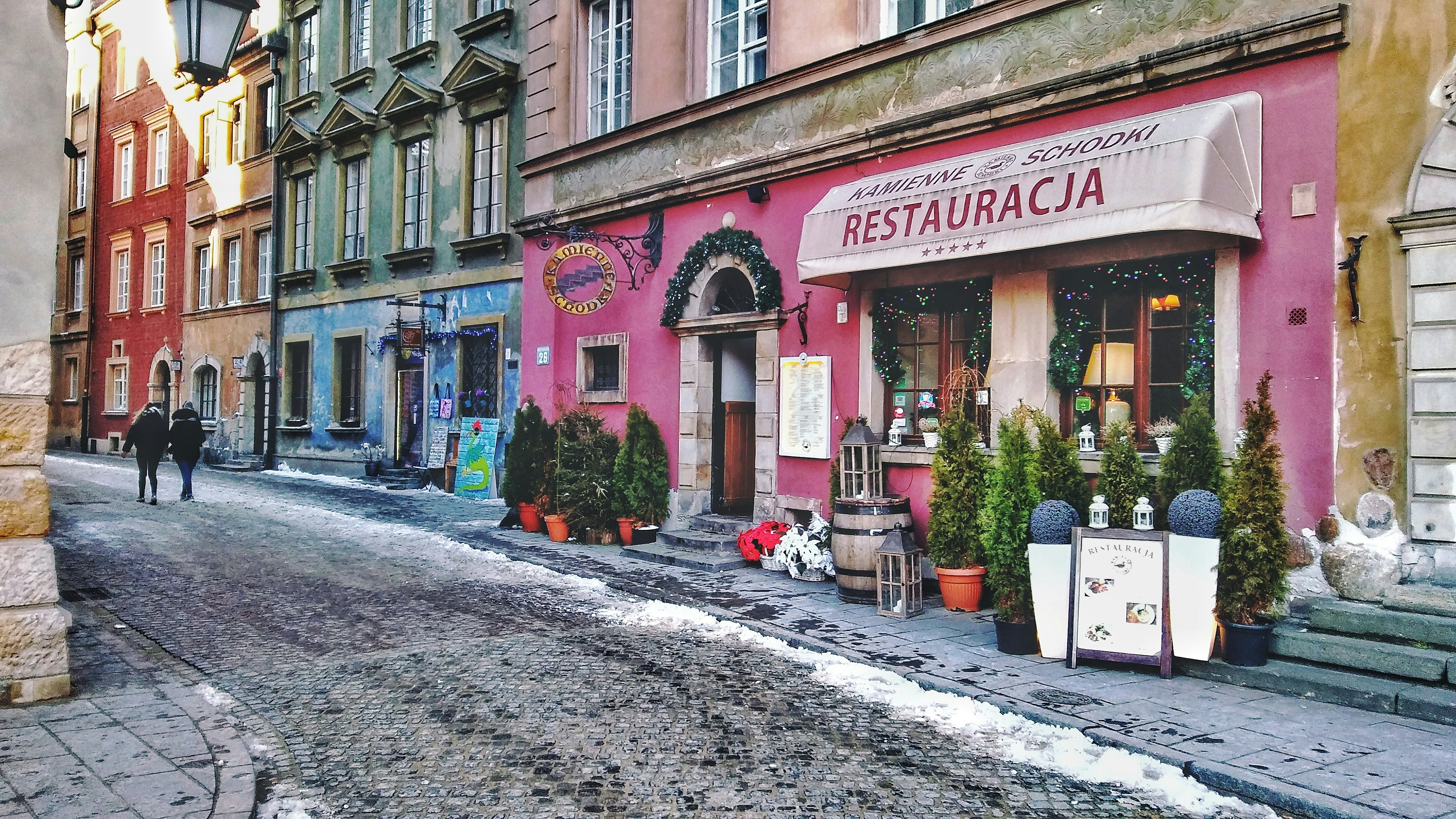
As you embark on a walking tour through this enchanting city, you will undoubtedly be captivated by the stories that linger in the cobblestone streets and the impressive architecture. The blend of history, culture, and resilience in Krakow offers an unforgettable experience, beautifully setting the stage for a journey that is both educational and inspiring.
Wawel Castle: A Symbol of Polish National Identity
Wawel Castle, perched majestically on Wawel Hill, stands as an enduring symbol of Polish national identity and heritage. Designated as a UNESCO World Heritage site, this architectural marvel boasts a rich history that dates back to the 11th century. Initially serving as a residence for Polish kings, the castle has witnessed numerous historical events that shaped the nation’s identity.
The castle’s design showcases various architectural styles, including Romanesque, Gothic, and Renaissance, reflecting the evolutionary timeline of Poland’s history. Its impressive structure not only contributes to the skyline of Krakow but also resonates with the stories of the Polish monarchy. Wawel Castle was the site of royal coronations and funerals, embodying the cultural and political significance of the nation.
Among the many attractions within Wawel Castle, the Royal Chambers stand out for their rich furnishings and art collections, offering visitors a glimpse into the opulence enjoyed by Polish royalty. Another must-see attraction is the Dragon’s Den, a cave steeped in legend that adds an element of folklore to the experience. Visitors will find that the tale of the Wawel Dragon, who once terrorized the city, is a poignant reminder of Krakow’s rich tapestry of myths and legends.
As one explores the castle grounds, the picturesque gardens and courtyards evoke a sense of serenity, providing a stark contrast to the lively streets of Krakow below. Wawel Castle serves not only as a historical site but also as a cultural hub, hosting various events and exhibitions that celebrate Polish art and history. For anyone embarking on a walking tour of Krakow, Wawel Castle remains an essential stop, illustrating the deep connections between the past and present that define Poland’s national identity.
The Jewish Quarter: A Journey Through Time
The Kazimierz district, widely recognized as Krakow’s Jewish Quarter, is a vibrant area steeped in history and cultural significance. Established in the 14th century, Kazimierz thrived as a bustling center of Jewish life, characterized by its unique blend of architecture and communal spirit. The district is home to numerous synagogues, some of which date back to the Renaissance and Baroque periods, exemplifying the architectural diversity that reflects centuries of Jewish heritage.
During World War II, the Jewish population of Kazimierz was tragically affected by the Holocaust, resulting in the near destruction of a once-thriving community. The historic significance of this area is evident in the poignant memorials and museums dedicated to preserving the memories of those who lived there. Among the notable sites is the Remuh Synagogue, a testament to the resilience of the Jewish community, and the adjacent cemetery, which serves as a solemn reminder of the lost lives during the wartime atrocities.
The Jewish Museum in Krakow further enriches the visitor’s experience, offering insights into the culture, traditions, and history of Polish Jewry. The museum features extensive exhibitions that explore both the secular and religious aspects of Jewish life over the centuries. Additionally, Kazimierz hosts various cultural events throughout the year, celebrating Jewish traditions through music, art, and cuisine. These events not only attract locals but also international visitors, helping to foster a renewed interest in the area and its rich Jewish heritage.
Ultimately, exploring the Jewish Quarter of Krakow offers a profound journey through time, allowing visitors to appreciate the historical significance of Kazimierz while providing an opportunity to reflect on the resilience and vibrancy of Jewish culture that continues to this day.
Auschwitz-Birkenau: Remembering the Past
Visiting the Auschwitz-Birkenau memorial and museum is a profound experience that allows individuals to reflect on one of history’s darkest chapters. Established in 1940 by the Nazis, this complex became the largest extermination camp during the Holocaust, where approximately 1.1 million men, women, and children lost their lives. Today, Auschwitz-Birkenau serves not only as a memorial for the victims but also as a powerful reminder of the consequences of hatred and intolerance.

The significance of this site extends beyond its historical context; it embodies the collective memory of the Holocaust and underscores the importance of remembrance. It is essential for visitors to approach their visit with sensitivity and respect, acknowledging the suffering endured by countless individuals. The grounds of Auschwitz are somber, with remnants of barracks, gas chambers, and personal belongings serving as stark reminders of the lives that were irrevocably altered or extinguished. As visitors walk through the camp, they are encouraged to contemplate the gravity of what occurred here and to honor the memory of those who perished.
When planning a visit to Auschwitz-Birkenau, preparation is crucial for an emotional journey. Wearing comfortable yet respectful footwear is advised, as the tour involves considerable walking. Typical visits last around three and a half hours, encompassing both the Auschwitz I and Auschwitz II-Birkenau sites. It is also a good practice to reserve tickets in advance, especially during peak tourist seasons, and to consider joining a guided tour, which can provide crucial context and facilitate a deeper understanding of the numerous exhibits displayed throughout the memorial.
Ultimately, a visit to Auschwitz-Birkenau is not just about exploring a historical site; it is about participating in a collective act of remembrance and ensuring that the lessons of history remain alive for future generations.
Planning Your Walking Tour: What to Expect
When embarking on a historical walking tour of Krakow, proper planning can enhance your experience significantly. The city boasts a rich tapestry of history and culture, making it crucial to choose the right time to visit. Spring and early autumn typically offer the most pleasant weather, allowing for enjoyable exploration without the extremes of winter cold or the summer tourist influx. Visiting during these shoulder seasons also means fewer crowds at popular sites, enabling a more intimate experience of the city’s history.
Navigating through Krakow’s historical sites is straightforward, thanks to its compact layout and extensive pedestrian pathways. Most of the major attractions, such as the Wawel Castle, St. Mary’s Basilica, and the Main Market Square, are within walking distance of one another. Investing in a good map or downloading a navigation app can also be beneficial. Ensuring that you have a clear plan for the day will allow you to maximize your time, as some sites may require advance booking or have limited opening hours.
To enrich your walking tour, consider following one of the recommended walking routes that include the main attractions and hidden gems alike. A popular itinerary includes starting from the iconic Main Market Square, wandering through the historic Jewish Quarter of Kazimierz, and concluding at the poignant Schindler’s Factory Museum. This path not only showcases Krakow’s architectural beauty but also provides insightful glimpses into its turbulent history.
Additionally, it’s essential to wear appropriate footwear for your journey. Comfortable walking shoes with good traction are vital, as cobblestones and uneven surfaces can pose challenges. Investing in quality shoes will allow you to explore the city comfortably, ensuring that your focus remains on experiencing the rich history and breathtaking sights that Krakow has to offer.
Choosing the Right Walking Shoes for Your Tour
When embarking on a historical walking tour, particularly in a city as rich in culture and history as Krakow, selecting the appropriate walking shoes is paramount. Given the extensive hours often spent on foot, it is crucial to ensure that your footwear provides the necessary comfort, durability, and support. Each of these attributes is integral to enhancing your overall experience while minimizing discomfort and fatigue.

First and foremost, comfort should be a top priority when choosing travel walking shoes. Opt for shoes that boast ample cushioning, as this will help to absorb the impact of walking on hard surfaces. Features such as padded insoles and breathable materials can significantly enhance comfort levels, allowing you to enjoy your exploration without the distraction of sore feet. Additionally, it is advisable to choose shoes that offer a relaxed fit. Tight footwear can lead to blisters and other foot ailments, which are best avoided for long days of touring.
Durability is another essential factor to consider. Walking tours often involve traversing various terrains, including cobblestone streets and uneven surfaces. Therefore, selecting shoes made from high-quality, robust materials can contribute to their longevity. Look for shoes with reinforced seams and sturdy soles to endure the rigors of travel. Waterproof options can also be beneficial, especially in inclement weather, ensuring that your feet remain dry and comfortable.
Lastly, support is critical when on a historical walking tour. Shoes with good arch support and ample ankle stability can help prevent strain and injury during prolonged excursions. Features such as heel cushioning and shock-absorbing soles can further assist in maintaining comfort and support throughout your journey. In conclusion, investing in the right walking shoes is a fundamental aspect of enjoying your walking tour in Krakow, enabling you to immerse yourself in the rich history and stunning architecture without the burden of discomfort.
Brand Comparison: Walking Shoes for Explorers
When embarking on a historical walking tour in Krakow, selecting the right footwear is crucial for comfort and endurance. Two prominent options on Amazon that cater to tourists are the Merrell Moab 2 Waterproof Hiking Shoe and the SALOMON X Ultra 3 GTX Hiking Shoes. Each shoe presents distinct advantages and considerations that merit comparison.
The Merrell Moab 2 Waterproof Hiking Shoe is highly regarded for its excellent traction and comfort. Featuring a waterproof membrane, these shoes ensure dry feet even in rainy conditions, which is particularly beneficial for tourists traversing multiple terrains. Customers frequently highlight the breathability of the material, making them suitable for extended walking durations. However, some reviews mention that the sizing may run slightly larger, which could necessitate trying on different sizes before committing to a purchase. Priced around $100, they represent a balance of quality and affordability, appealing to budget-conscious travelers.



On the other hand, the SALOMON X Ultra 3 GTX Hiking Shoes offer a more modern aesthetic and are designed for agility and lightweight performance. Users praise their supportive fit and responsiveness, which can be essential for navigating the cobblestone streets of Krakow. The Gore-Tex lining provides waterproof protection, but some find that, while initially comfortable, the shoes require a break-in period. Priced slightly higher at approximately $140, the SALOMON shoes attract those willing to invest a bit more for enhanced features.
In terms of suitability for extended walking tours, both shoes excel, but the choice ultimately comes down to individual preferences regarding fit, style, and specific use cases. Both options have proven effective based on customer reviews, making them worthy contenders for your next adventure through Krakow.
Packing Tips for Your Krakow Adventure
Packing for a walking tour in Krakow can significantly enhance your experience while exploring the city’s rich historical heritage. To begin with, consider the local climate. Krakow experiences a temperate climate, featuring four distinct seasons. If you are planning your visit during the summer months, lightweight clothing is essential, as temperatures can soar. Conversely, the winter months can be quite cold; thus, layering becomes crucial, with thermal underwear and insulated outerwear being strong recommendations.
Comfortable footwear plays a pivotal role in your trip as Krakow’s cobblestone streets can be challenging to navigate. Opt for sturdy walking shoes that provide ample support, particularly if your itinerary includes extensive walking through historical sites such as Wawel Castle or the Main Market Square. In addition, pack a pair of sandals or flip-flops for downtime or casual outings.
Weather can be unpredictable; therefore, incorporating a lightweight, waterproof jacket is advisable, even during the summer. Compact and portable umbrellas can offer additional protection against sudden downpours. Additionally, consider packing a reusable water bottle to stay hydrated during your explorations. It is worth noting that many cafes and restaurants will refill your bottle, reducing plastic waste and minimizing expenses.
Lastly, functionality shouldn’t be sacrificed for style when it comes to your daypack. A small backpack or a crossbody bag can hold your essentials like your camera, snacks, and a portable charger for your devices. Don’t forget essential documents such as your passport, travel insurance, and any pre-purchased tickets. By following these packing tips, you will ensure a comfortable and enjoyable experience while walking through the remarkable historical landscape of Krakow.
Conclusion: Embracing the Story of Krakow
As our journey through Krakow comes to a close, it is essential to reflect on the intricate tapestry of stories, culture, and history that this remarkable city offers. From its medieval architecture and vibrant squares to its poignant historical sites, each corner of Krakow presents an opportunity to connect with the past. This walking tour has illuminated the city’s many facets, showcasing its resilience and evolution over centuries.

Visitors to Krakow should take advantage of its rich history and engage with the local culture. Whether wandering through the cobbled streets of the Old Town or exploring the haunting reminders of World War II, each step taken can deepen one’s understanding of the city. Experiencing these historical sites firsthand allows for a more profound appreciation of Krakow’s heritage. Additionally, sharing personal experiences and insights with fellow travelers enriches the journey, fostering a sense of community that extends beyond individual exploration.
In terms of preparation, selecting appropriate footwear is vital to ensuring a comfortable and enjoyable walk through this historical landscape. A good pair of shoes not only enhances the overall experience but also supports the body as one navigates the varied terrains of Krakow. From the bustling energy of the Main Market Square to the contemplative atmosphere surrounding Wawel Castle, comfortable shoes can make the journey more memorable.
Ultimately, embracing the stories of Krakow means immersing oneself in its past and present. This city invites each visitor to uncover its hidden treasures and weave personal narratives into the broader historical context. Through exploration, reflection, and connection, Krakow becomes not just a place visited but a story embraced.