
Ultimate Travel Guide to the Swiss Alps: Spring and Autumn Adventures
Introduction to the Swiss Alps
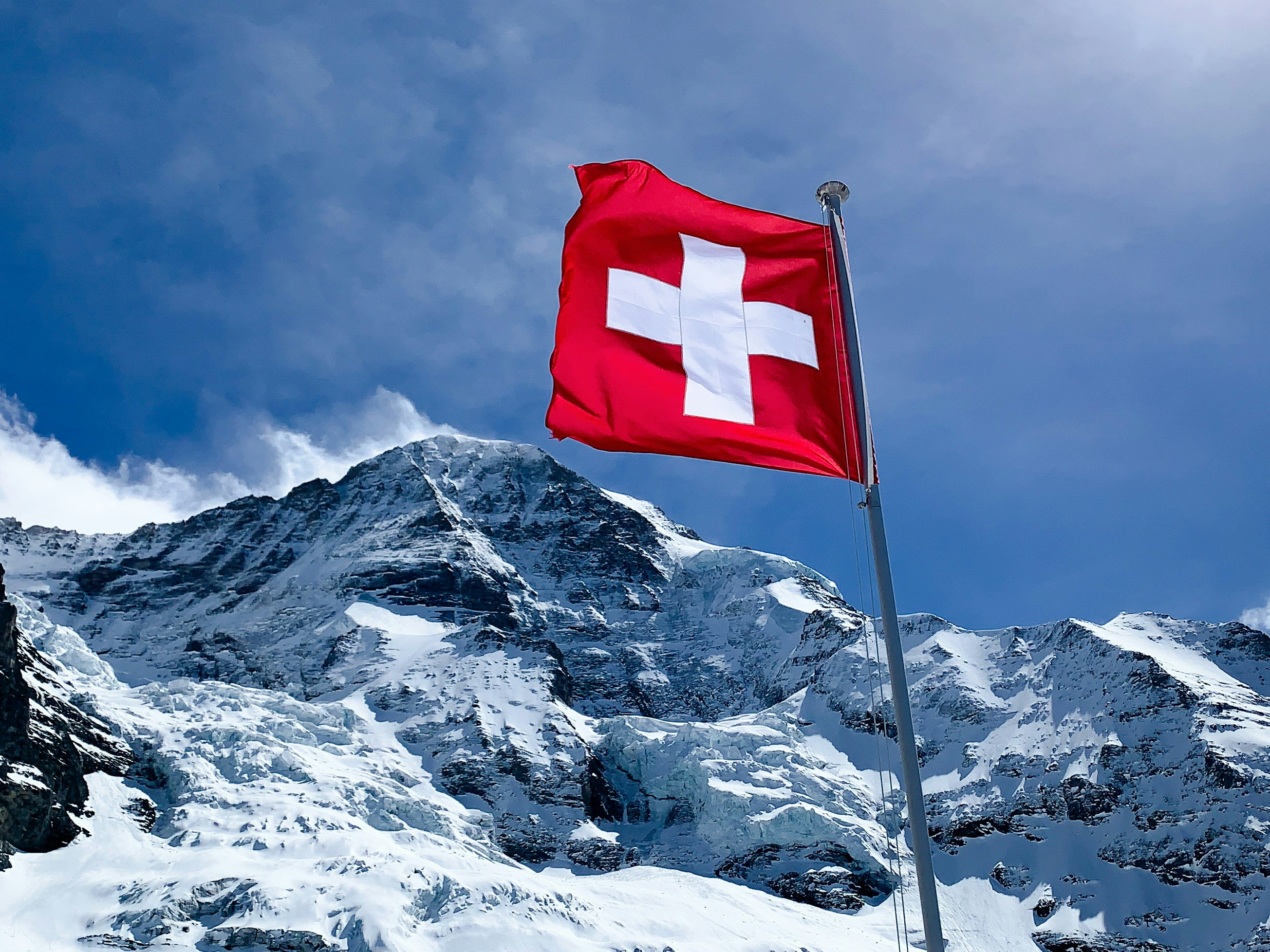
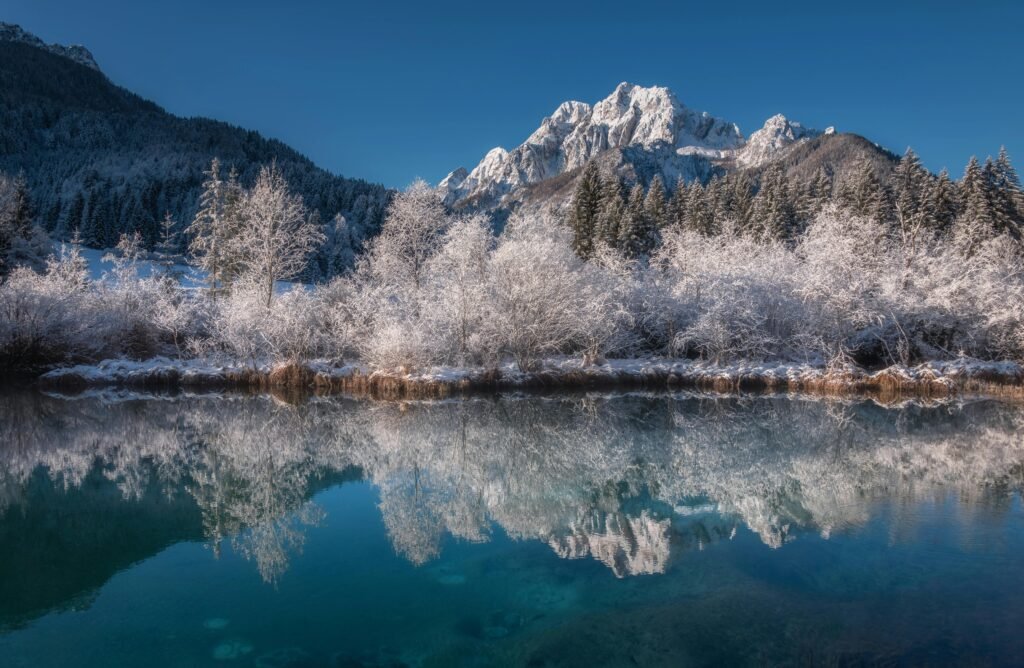
The Swiss Alps, a majestic mountain range located in Switzerland, are renowned as one of the most spectacular travel destinations worldwide. This iconic region is characterized by its breathtaking landscapes, characterized by snow-capped peaks, lush valleys, and pristine lakes, making it a favored spot for adventure enthusiasts and nature lovers alike. The enchanting beauty of the Swiss Alps captivates visitors year-round, but the seasons of spring and autumn offer unique experiences that highlight the alps’ charm while evading the tourist crowds typical of peak summer months.
Spring in the Swiss Alps is a time of rebirth and transformation, where the lingering snow gradually melts to unveil vibrant meadows adorned with blooming wildflowers. The milder weather allows for a plethora of outdoor activities such as hiking, mountain biking, and paragliding. As the alpine flora awakens, the landscape becomes a tapestry of colorful hues, enticing visitors to explore new trails and enjoy the serene atmosphere. Likewise, autumn reveals a different kind of beauty as the leaves change color, casting a golden and reddish glow across the mountains. This seasonal spectacle not only provides a stunning backdrop for photography but also promotes activities such as leaf-peeping and the harvest of local produce.
The allure of visiting the Swiss Alps during these transitional seasons lies in the balance of pleasant weather and fewer tourists. Travelers can relish in the peace of the serene landscapes, allowing for a more intimate connection with the natural surroundings. Furthermore, both spring and autumn offer exciting cultural events and festivals that showcase the rich heritage and traditions of this region, enriching the overall travel experience. Thus, the Swiss Alps stand out as a top choice for those seeking both adventure and tranquility in an idyllic setting.
Weather Expectations in Spring and Autumn
When planning a trip to the Swiss Alps, understanding the weather conditions during spring and autumn is essential for a successful adventure. Both seasons offer unique climatic experiences that significantly influence travel activities.
In spring, which typically spans from March to May, the weather in the Swiss Alps can be quite variable. Early spring often witnesses the tail end of winter, characterized by lingering snow at higher elevations. Daytime temperatures generally range from 5°C to 15°C (41°F to 59°F), while nights can still be quite chilly, hovering around freezing. As the season progresses, visitors can expect increasing warmth, with May temperatures often reaching up to 20°C (68°F). However, spring also brings a fair amount of precipitation. Statistically, the region experiences rainfall averaging between 70 to 100 mm each month, enhancing the lushness of the landscape. It’s common for rain showers to occur, particularly at lower altitudes, providing a refreshingly vibrant atmosphere.
Autumn, from September to November, presents a contrasting climate with its own appeal. During early autumn, travelers can marvel at the stunning fall foliage transforming the mountains into a canvas of warm colors. Daytime temperatures range from 10°C to 20°C (50°F to 68°F), gradually cooling as winter approaches. By November, temperatures can drop to around 0°C (32°F) at higher altitudes. Rainfall during autumn can vary, with September often being the wettest month, while October and November tend to be drier, averaging around 60 to 80 mm. As autumn progresses, snow begins to adorn the peaks, especially later in the season, indicating the onset of winter.
Overall, the distinct weather patterns in the Swiss Alps during spring and autumn provide travelers with unique experiences, whether it’s enjoying the lingering snow in early spring or the breathtaking hues of fall leaves. By understanding these conditions, visitors can better prepare for their adventures in this stunning alpine region.


Must-See Destinations in the Swiss Alps
The Swiss Alps are renowned for their breathtaking scenery and offer a multitude of destinations that appeal to travelers in both spring and autumn. One of the premier locations to visit is Zermatt. Nestled at the base of the iconic Matterhorn, Zermatt is a charming village that serves as an excellent starting point for numerous hiking trails. In spring, visitors can enjoy the blooming wildflowers along the paths up to Gornergrat, which boasts stunning panoramic views of the surrounding peaks. In autumn, the landscape transforms, providing vibrant foliage and the opportunity for panoramic photography.
Another key destination is Interlaken, which acts as a gateway to numerous outdoor adventures. This town, situated between Lake Thun and Lake Brienz, offers activities such as paragliding and hiking in the surrounding mountains, including the iconic Eiger. Visitors during spring can partake in serene boat rides on Lake Thun, while autumn brings the chance to witness striking fall colors reflected in the lake’s waters. An itinerary that combines Zermatt and Interlaken creates a delightful experience, showcasing both the tranquility of the lakes and the majesty of the mountains.
Lucerne is also an essential stop in the Swiss Alps, known for its well-preserved medieval architecture and stunning lake views. In spring, the scenic boat cruises on Lake Lucerne offer an unparalleled vantage point of the surrounding peaks. Meanwhile, in autumn, the nearby Mount Pilatus and Rigi are ideal for hiking and enjoying seasonal panoramas. Planning a trip that includes Lucerne, Zermatt, and Interlaken allows travelers to experience diverse attractions, from the enchanting lakes to towering mountains, ensuring a memorable Swiss Alps adventure.
Outdoor Activities for Spring and Autumn Travelers
The Swiss Alps are renowned for their breathtaking landscapes and a plethora of outdoor activities that cater to both adventure enthusiasts and casual travelers alike. In spring, as the snow begins to melt and the flora starts to bloom, hiking becomes a favored pastime. Numerous trails emerge from beneath the snow, offering routes that range in difficulty, ensuring that both novices and seasoned hikers can enjoy the stunning views of lush valleys and alpine wildflowers. The invigorating air and vibrant scenery make springtime hiking an extraordinary experience.
Mountain biking is another exhilarating option that sees a rise in popularity during the warmer months. With an extensive network of bike trails crisscrossing the region, cyclists are spoiled for choice. Many local rental shops offer high-quality bikes and gear suitable for riders of all skill levels. Additionally, guided tours are often available, providing visitors not only the necessary equipment but also the opportunity to explore off-the-beaten-path trails with experienced guides who can enhance the adventure with local insights.
As autumn approaches, the Swiss Alps transform again. The cooler temperatures offer a refreshing change, and the changing foliage paints the landscape with stunning reds and golds. Although hiking remains a favored activity, travelers can even partake in early-season skiing in select areas where higher elevations retain snow longer. Ski enthusiasts will find that the crisp air and fewer crowds make for an ideal skiing experience, particularly late in the season when the trails are less congested.
For those seeking guided tours or rental opportunities, a myriad of local companies provides services tailored to different skill levels, ensuring that every traveler can find their perfect match for an outdoor adventure. Whether you choose hiking, mountain biking, or skiing, the Swiss Alps promise an unforgettable experience every season.
Packing Essentials for Your Trip
When preparing for a trip to the Swiss Alps during spring or autumn, careful consideration of your packing list is crucial due to the varying weather conditions in these seasons. The key to enjoying your adventure lies in wearing the right clothing and using appropriate gear that can adapt to unpredictable weather shifts, such as sudden rain or temperature changes.
Layering is essential in both spring and autumn, as temperatures can fluctuate significantly throughout the day. Start with a moisture-wicking base layer that keeps you dry while engaging in physical activities. Follow this with an insulating mid-layer, such as a fleece or lightweight jacket, to retain body heat. Finally, an outer layer should be both waterproof and windproof to protect you from the elements. This combination ensures comfort and warmth, enabling you to fully enjoy the scenic beauty of the Swiss Alps.
In addition to clothing, a checklist of must-have items can enhance your experience. A sturdy pair of walking shoes is essential, providing the support needed for hiking along trails. Pack a refillable water bottle to stay hydrated while exploring, as the alpine landscape often offers picturesque natural springs. Don’t forget accessories like gloves, a warm hat, and a neck gaiter to shield against cold winds.
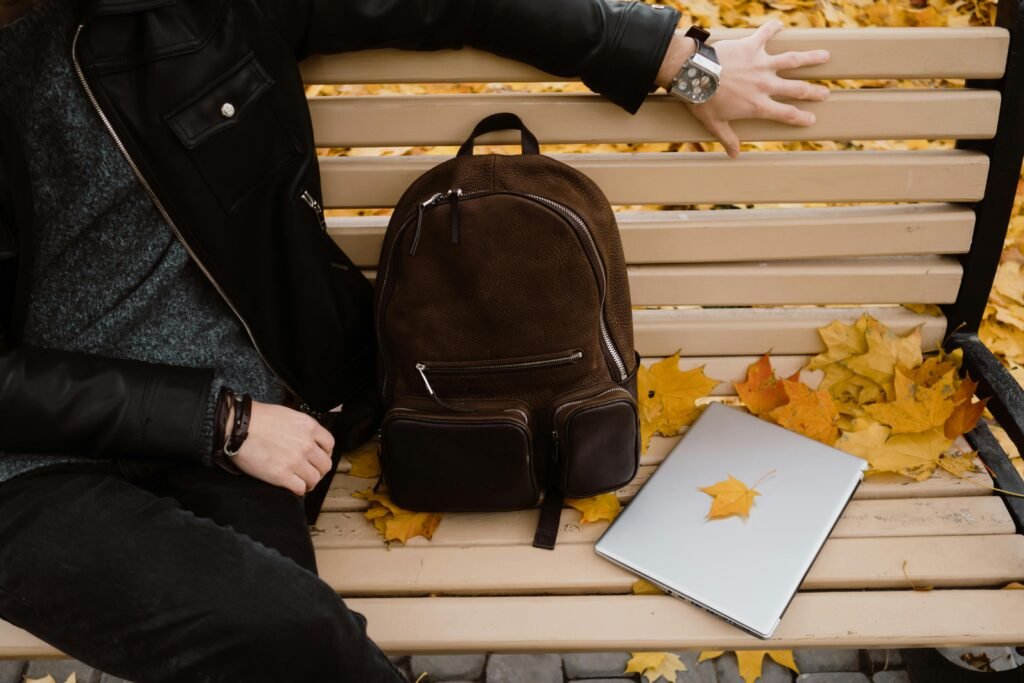
Furthermore, it is advisable to bring a compact backpack to carry your essentials while on the go. Other helpful items include a portable charger for your devices, a travel umbrella, and a lightweight rain jacket. By packing thoughtfully and including these essentials, you can ensure a successful and enjoyable adventure in the stunning Swiss Alps.
Comparing Packable Waterproof Jackets
When planning outdoor adventures in the Swiss Alps, having a reliable waterproof jacket is essential. Weather conditions can change rapidly, and being prepared with proper gear can make a significant difference in comfort and safety. Among the many options available, two popular packable waterproof jackets stand out: the Columbia Watertight II Jacket and the Marmot PreCip Jacket. Both provide excellent protection against rain and are designed for easy portability.
The Columbia Watertight II Jacket is made from a nylon shell featuring Omni-Tech technology, which is both waterproof and breathable. Weighing approximately 15 ounces, it is lightweight and can be easily packed into its own pocket, making it an ideal companion for travelers seeking convenience. Its adjustable hood and cuffs add to its functionality, ensuring a snug fit during adverse weather conditions. Priced around $60, it offers a good balance between quality and affordability.

In contrast, the Marmot PreCip Jacket utilizes a slightly heavier nylon material equipped with NanoPro technology for enhanced waterproofing and breathability. At about 13 ounces, it is marginally lighter than the Columbia option. This jacket includes pit zips for increased ventilation during high-intensity activities like hiking or climbing, which can be essential in the variable climate of the Alps. With a price point of approximately $100, it is considered a premium option but may well justify the investment for more serious outdoor enthusiasts.
In terms of suitability, the Columbia Watertight II is recommended for casual travelers engaging in moderate activities where price and portability are key. Conversely, the Marmot PreCip may appeal more to avid adventurers looking for superior performance and additional features, especially in extreme conditions. Evaluating individual needs and intended activities is crucial for selecting the right packable waterproof jacket for an excursion in the Swiss Alps.
Tips for Travelers on a Budget
Exploring the Swiss Alps can be a thrilling experience, even for those on a tight budget. With careful planning and resourceful strategies, travelers can enjoy the stunning landscapes and vibrant culture without overspending. Here are several practical tips that can help maximize your experience while minimizing expenses.
Firstly, consider your accommodation options. Hostels and guesthouses often provide more affordable rates compared to hotels. Websites like Hostelworld or Airbnb offer various budget-friendly choices that allow travelers to stay in local homes or shared spaces, providing both comfort and a taste of local life. Additionally, camping is a viable option during warmer months, with numerous campsites spread across the valley, making it an ideal choice for outdoor enthusiasts.
Transportation is another critical aspect of budget traveling in the Swiss Alps. Utilizing public transportation, such as trains and buses, is not only cost-effective but also offers breathtaking views of the scenic landscapes. The Swiss Travel Pass can be a valuable investment for extended trips, granting unlimited travel on trains, buses, and boats throughout the region. Moreover, many towns offer bike rentals, which can be an enjoyable and low-cost way to explore the area.
When it comes to activities, the Swiss Alps provide an array of free or low-cost adventures. Hiking trails abound, offering varying levels of difficulty, which are accessible year-round. Additionally, free walking tours in major cities and towns provide insightful information about local history and culture without the hefty price tag. For those interested in experiencing local gastronomy on a budget, consider dining at small eateries or purchasing fresh produce at local markets to prepare meals.
Lastly, timing your visit can significantly impact your budget. Spring and autumn are excellent seasons to find discounts on accommodations and activities, as these periods typically attract fewer tourists. Planning your trip during shoulder seasons could result in substantial savings, allowing you to enjoy the enchanting Swiss Alps without breaking the bank.
Cultural Experiences and Local Cuisine
The Swiss Alps are not only a haven for adventure enthusiasts but also a rich tapestry of culture and heritage that reflects the unique alpine lifestyle. Each region of the Swiss Alps boasts its own traditions, festivals, and art forms, often showcasing the deep-rooted connection that the locals have with their stunning environment. Travelers can immerse themselves in the cultural experiences through local festivals that celebrate the changing seasons, including the vibrant Fête de l’Ascension or the enchanting Christmas markets scattered across various towns. These events often feature traditional music and dance performances, allowing visitors to appreciate the region’s artistic expressions fully.
Artisans in the Swiss Alps are known for their craftsmanship, producing everything from intricate wooden carvings to stunning textiles. Exploring local galleries or artisan workshops provides an opportunity to meet the makers and witness the age-old techniques passed down through generations. Additionally, many villages host regular artisan markets where local goods can be purchased, offering visitors an authentic slice of alpine culture.
Culinary traditions in the Swiss Alps are equally noteworthy, with local dishes that highlight the region’s agricultural bounty. Fondue, a beloved communal dish made from melted cheese, is a must-try. Originating from the Valais region, this dish is best enjoyed in cozy mountain chalets, where you can indulge in the warm, melted delicacies surrounded by breathtaking views. Another staple is raclette, a semi-hard cheese that is melted and scraped onto boiled potatoes, served with gherkins and pickled onions, often found in rustic dining establishments.
Rösti, a hearty potato dish that resembles a thick pancake, is also a local favorite, typically enjoyed as a side with breakfast or as a main course topped with various ingredients. For the best culinary experiences, visitors can head to local restaurants, often run by families who take pride in sharing their heritage through food, ensuring that every meal is an exploration of the region’s rich culture and flavors. Engaging with these unique cultural experiences and indulging in the local cuisine makes for an unforgettable experience in the Swiss Alps.
Final Thoughts and Travel Recommendations
Exploring the Swiss Alps during the spring and autumn seasons can provide travelers with an experience that is both breathtaking and diverse. These seasons offer a unique perspective on the stunning landscapes, vibrant wildlife, and rich cultural heritage that the Alps are renowned for. While adventure abounds, it is crucial to emphasize the importance of meticulous planning and awareness of the changing weather patterns typical of the region.
For a successful trip, travelers should prioritize creating a flexible itinerary that allows for adjustments based on weather conditions and personal preferences. The unpredictability of mountain weather can lead to sudden changes, making it wise to monitor forecasts regularly. Being prepared for sudden rain showers or temperature fluctuations will enhance the overall experience. Moreover, one should consider starting your day early to make the most of daylight hours, especially in the months when days are shorter.
Furthermore, understand that transportation options vary throughout these seasons. Some mountain passes and trails may be closed due to snow, particularly in spring, whereas autumn may see fewer crowds, granting a more serene exploration of the area. Hence, it is advisable to research the availability of trails and public transportation in advance of your visit.
In addition to adventure activities like hiking and biking, tourists should carve out time to immerse themselves in the local culture. Sampling Swiss cuisine, attending seasonal festivals, and engaging with the community can provide deep insights into the region’s heritage. Ultimately, by embracing the natural beauty and culture of the Swiss Alps, travelers are sure to create unforgettable memories that will last a lifetime.