
Exploring Guatemala: A Journey Through Volcanoes and Vibrant Local Markets
Introduction to Guatemala’s Natural Wonders
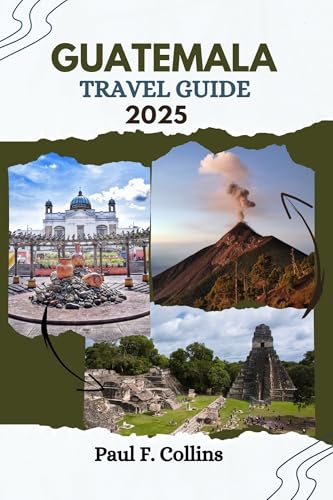
Guatemala, a country nestled in the heart of Central America, boasts a diverse and captivating geographical landscape. Renowned for its majestic volcanoes, lush rainforests, and rich cultural heritage, this destination offers a unique experience for travelers seeking both adventure and insight into indigenous traditions. With over thirty volcanoes, three of which are still active, the country’s dramatic topography is a testament to its volcanic origins. These towering giants not only shape the landscape but also provide numerous opportunities for hiking, exploration, and stunning panoramic views.
The volcanic region, particularly in areas such as the Western Highlands, enhances Guatemala’s allure. Visitors can embark on guided treks up volcanoes like Pacaya, where they can witness flowing lava, or Asunción, which presents a challenging yet rewarding hike. Each volcano presents its own unique features, attracting avid climbers and nature enthusiasts. Exploring these natural wonders allows travelers to connect with the raw beauty of the land while also providing insights into the geological processes that have molded Guatemala over centuries.
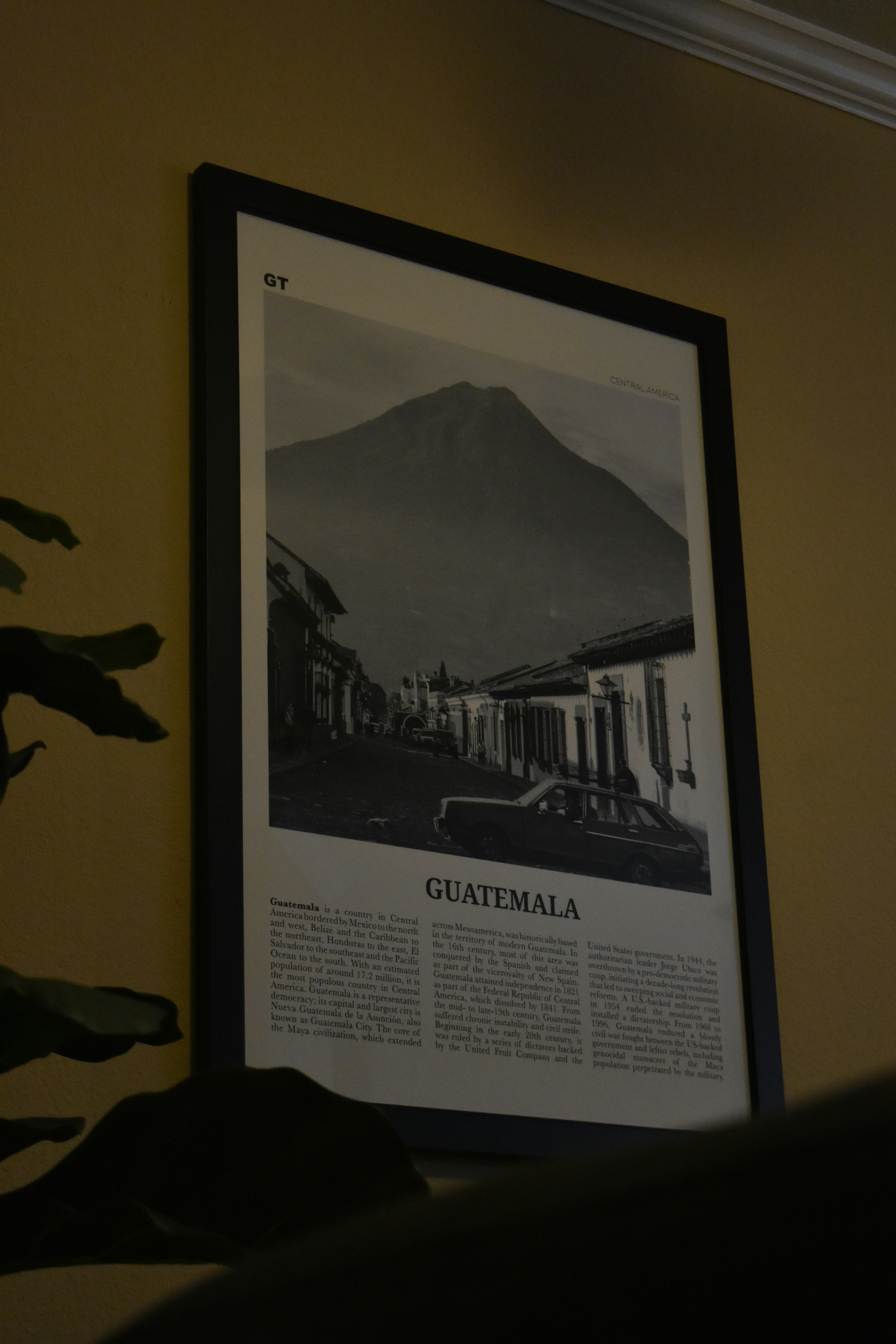
The Volcanoes of Guatemala: A Closer Look
Guatemala is a nation rich in natural beauty, and its numerous volcanoes stand as testaments to the geological forces that shaped the region. The volcanic landscape not only contributes to the country’s breathtaking scenery but also plays a significant role in its cultural and ecological system. Among the many volcanoes, Pacaya is one of the most renowned, attracting adventure seekers and nature lovers alike.
Pacaya volcano, an active stratovolcano located near Guatemala City, offers accessible hiking trails that appeal to both novice and experienced trekkers. The ascent typically takes around 1.5 to 2 hours, providing hikers with an exhilarating experience as they traverse various terrains, from lush forests to rocky pathways. The adventure of hiking an active volcano is heightened by the occasional ash and steam, which not only captivates the senses but also serves as a reminder of the Earth’s dynamic systems at work.
The views from the summit are truly breathtaking, rewarding hikers with panoramic landscapes that include expansive views of nearby valleys and other volcanoes. On clear days, the majestic landscape stretches far into the horizon, allowing one to appreciate the beauty and majesty of the Guatemalan highlands. For photography enthusiasts, the opportunity to capture the interplay of light and shadow on volcanic rock creates a unique canvas that is both inspiring and memorable.
The thrill of hiking on active volcanic terrain is complemented by the opportunity to learn about the geological significance of the area. Guides often share insights about the formation of the volcanoes, their historical eruptions, and the rich biodiversity that thrives in the volcanic soil. This combination of adventure and education makes a visit to Pacaya an essential part of exploring Guatemala’s remarkable natural offerings.
Hiking Pacaya: Tips and Recommendations
Hiking Pacaya, one of Guatemala’s active volcanoes, offers an exhilarating adventure for both novice and seasoned trekkers. Before setting out, it is crucial to understand what to expect during the trek. The hike typically spans about 2-3 hours, ascending through a variety of terrains, including rugged paths and volcanic ash. As you approach the summit, you will be greeted by stunning vistas of the surrounding landscape and, if conditions permit, a view of the smoking crater.


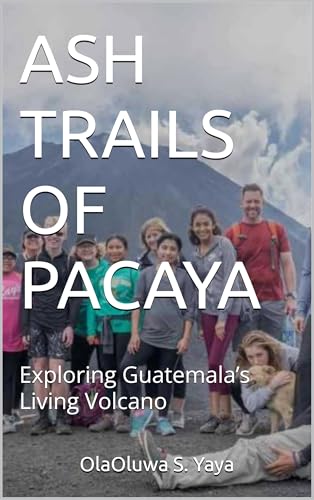
To ensure a successful hiking experience, proper preparation is key. Start by selecting appropriate hiking gear. One of the most recommended products for this adventure is the Merrell Moab 3 hiking boots, which are specifically designed for comfortable long-distance trekking. These boots offer superior support, excellent grip, and are made with breathable materials, making them well-suited for varying weather conditions and diverse terrains found on Pacaya.
In addition to footwear, packing the right essentials is vital. Bring a sturdy daypack to carry water, snacks, and a first-aid kit. Sunscreen and a hat are also advisable, as the sun can be intense, especially at higher elevations. A pair of trekking poles can provide extra stability, particularly on steep or uneven sections of the trail.
Safety should always be a priority when hiking Pacaya. It is recommended to check local weather conditions and volcanic activity updates prior to your hike. Hiking with a guide is also strongly advised, as they can provide valuable insight and ensure you remain on designated paths. Always listen to your body, take breaks as needed, and consider the effects of elevation.
By adequately preparing for your hike up Pacaya, equipped with the right gear and knowledge, you will enhance not only your safety but also your overall enjoyment of this extraordinary natural wonder.
Discovering Chichicastenango: Guatemala’s Traditional Market
Chichicastenango, a town steeped in rich history and indigenous culture, is renowned for its vibrant traditional market, held twice a week, attracting both locals and tourists alike. The market’s origins can be traced back centuries, heavily influenced by the K’iche’ Maya civilization. It is a place where indigenous customs meet the everyday lives of the local people, providing a unique glimpse into Guatemala’s cultural tapestry. Here, vendors sell a variety of traditional crafts and textiles that showcase the vibrant colors and intricate designs emblematic of Mayan heritage.
As visitors wander through the bustling aisles, they will encounter an array of handcrafted items such as woven blankets, colorful huipils (traditional embroidered blouses), and beautifully crafted pottery. The market also serves as a hub for local cuisine, where visitors can sample traditional dishes such as tamales, pupusas, and atole, a warm corn-based drink. These culinary delights not only satisfy the palate but also reflect the rich culinary traditions that have been passed down through generations.
Navigating Chichicastenango’s traditional market can be both exciting and overwhelming. It is essential for visitors to remain adaptable and approachable, as the market is a lively space filled with bars of sound and vivid sights. Bargaining is a common practice here, and it is advisable to engage with vendors respectfully. A good starting point is to express interest in an item and inquire about the price, allowing for a respectful negotiation process that is customary in many Guatemalan markets. Showing genuine interest and appreciation for the craftsmanship often leads to a more pleasant interaction.
In conclusion, the experience of visiting Chichicastenango’s traditional market is not merely about shopping but is rather an opportunity to immerse oneself in the local culture, witness the artistry of the local artisans, and savor the flavors of Guatemalan cuisine. It stands as a testament to the enduring traditions of the K’iche’ people, vibrant and alive amidst the rapidly changing world.
Cultural Insights: The Importance of Local Markets in Guatemala
Local markets, or “mercados,” serve as essential cultural touchstones in Guatemala, seamlessly blending tradition with daily life. These vibrant hubs are not merely places for commerce; they embody the essence of community, showcasing the country’s rich heritage and diverse societal interactions. Each market presents a unique glimpse into the local way of life, as they attract both locals and visitors, fostering a space of shared experiences and cultural exchange.
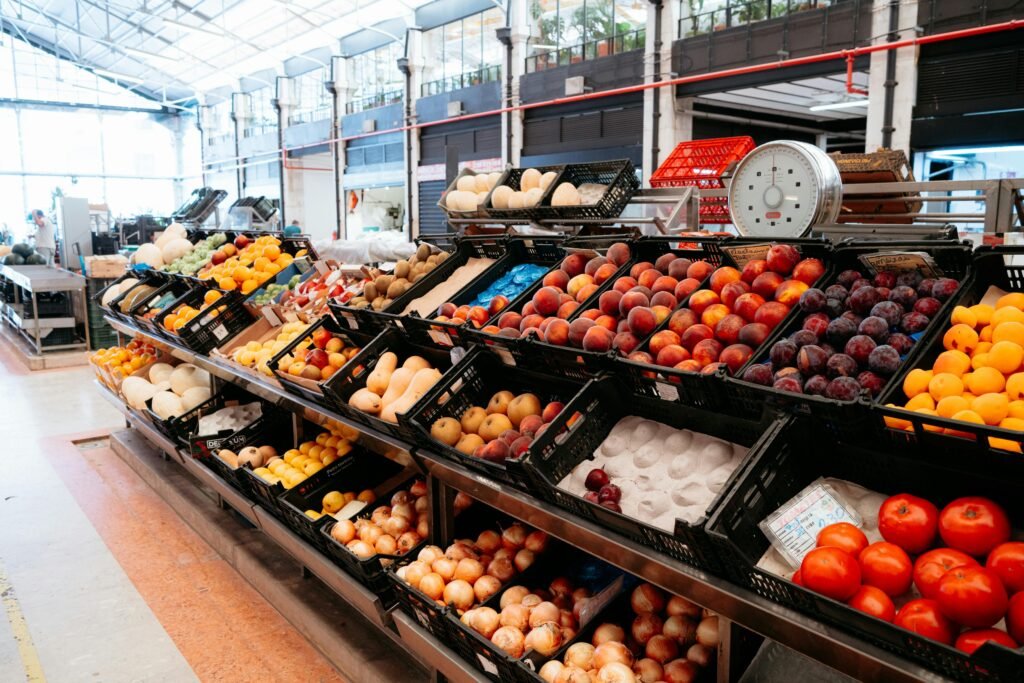
In various towns, such as Chichicastenango and Antigua, these markets thrive amidst colorful textiles, artisanal crafts, and an array of fresh produce. Here, visitors can witness the strategies employed by vendors who skillfully engage in haggling, their lively conversations echoing the warmth of Guatemalan hospitality. This dynamic interaction is not only economically significant but also socially enriching, allowing individuals to connect with the essence of local customs and traditions. The marketplaces function as focal points where stories are shared, traditions are passed down, and a palpable sense of community is nurtured.
Moreover, the local markets of Guatemala are instrumental in preserving cultural practices and supporting local economies. They provide artisans with a vital platform to present their craftsmanship, ranging from handmade textiles to intricate pottery, ensuring these age-old traditions remain vibrant in contemporary society. Additionally, these markets play a crucial role in promoting sustainable practices by encouraging local sourcing and reducing reliance on imported goods.
Visitors to Guatemala’s local markets not only engage in commerce but also immerse themselves in the daily rhythms of life, gaining deeper insights into the cultural priorities and values of the populace. Through this experience, one can appreciate the importance of local markets in Guatemalan society—a testament to resilience, creativity, and communal bonds within the vibrant landscape of this beautiful country.
Staying Hydrated: Essential Travel Gear for Volcano Treks
When embarking on a journey through Guatemala’s stunning landscapes, particularly its majestic volcanoes, prioritizing hydration becomes essential. The CamelBak Classic Hydration Pack is an ideal companion for active travelers who seek both convenience and functionality while exploring these natural wonders. This hydration pack is specifically designed to provide easy access to water without slowing down one’s pace, making it an invaluable asset during treks.
The CamelBak Classic features a reservoir that can hold up to 2 liters of water, allowing hikers to carry sufficient hydration for lengthy excursions. The integrated drinking tube enables users to sip water on-the-go, promoting consistent hydration without the need for time-consuming stops. This aspect is particularly beneficial for those navigating the challenging terrains of Guatemala’s volcanoes, where maintaining energy levels is crucial. Additionally, the pack includes a secure compartment for personal items, such as snacks, a map, or a small first-aid kit, enhancing its practicality further.
Comfort is another notable feature of the CamelBak Classic. Its lightweight design and adjustable straps contribute to a snug fit, reducing the risk of discomfort during long durations of wear. The aerodynamic structure minimizes bouncing, ensuring that it stays in place even while traversing steep inclines. For trekkers who care about sustainability, the CamelBak brand is known for producing durable gear that supports environmentally-friendly practices, resonating with eco-conscious travelers.
Investing in a reliable hydration pack is not merely a matter of convenience; it is an essential part of staying healthy and energized during outdoor adventures. A well-hydrated body improves focus, endurance, and overall performance, enhancing the experience of exploring Guatemala’s breathtaking landscapes. As such, the CamelBak Classic Hydration Pack stands out as a premier choice for travelers eager to make the most of their volcanic treks.
Local Delicacies: A Taste of Guatemala
Guatemala boasts a rich culinary heritage that reflects its diverse culture and vibrant history. The country’s traditional cuisine is deeply rooted in indigenous Mayan customs, utilizing local ingredients to create flavorful dishes that captivate the palate. As travelers explore the bustling markets and local eateries, they will encounter an array of tantalizing options that celebrate Guatemala’s gastronomic identity.
One cannot visit Guatemala without trying tamales, a beloved dish made from masa (corn dough) enveloping a variety of fillings, such as meats, vegetables, or even sweet ingredients, all wrapped in banana leaves. Each region offers its unique twist, making the tamale not just a meal but an experience. Another must-try is pepian, a traditional stew characterized by its rich, spicy sauce made from roasted vegetables and seeds, usually served with rice and tortillas. This dish showcases the interplay of flavors that defines Guatemalan cooking.
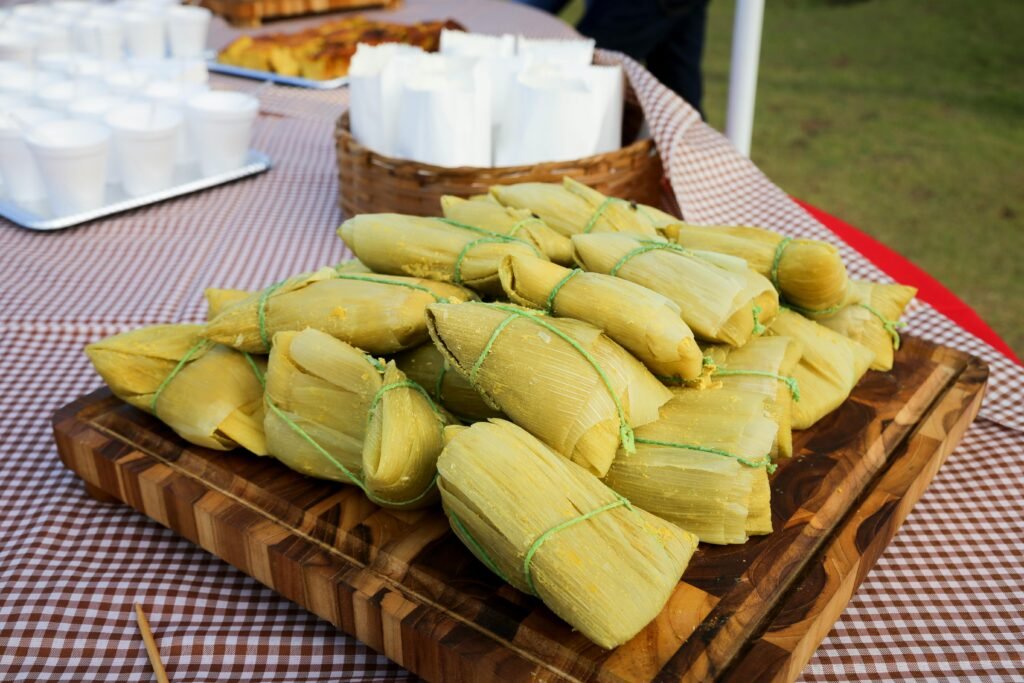
Markets are vibrant hubs where culinary exploration thrives. Street vendors often provide tantalizing treats like elote, grilled corn on the cob slathered with a creamy cheese sauce and chili powder, perfect for a quick snack. The vibrant colors and scents of the markets also lead to delightful finds such as paches, which are similar to tamales but made with potatoes and served during special occasions. Local fruits, such as black sapote and pita, offer refreshing complements to a meal.
For dessert, kak’ik, a traditional turkey soup garnished with cilantro, is often enjoyed during festive occasions. Complemented by a cup of robust Guatemalan coffee, it provides a fitting end to any culinary journey. Exploring Guatemala’s cuisine is not merely about tasting food; it is an opportunity to savor the country’s culture, history, and the warmth of its people. As travelers indulge in these local delicacies, they will gain a deeper understanding of Guatemala’s rich heritage through every bite.
Travel Tips for Visiting Guatemala: Safety, Currency, and Customs
When planning a trip to Guatemala, it is essential to prioritize safety, understand the local currency, and familiarize yourself with the customs that shape this vibrant culture. Guatemala, known for its stunning landscapes and rich heritage, offers travelers a unique experience, but awareness of certain factors can significantly enhance your journey.

Safety should be a primary concern when visiting Guatemala. While many areas are safe for tourists, urban centers, particularly Guatemala City, can present challenges. It is advisable to stay vigilant, avoid displaying valuables, and travel during daylight hours. Utilizing reputable transportation services and avoiding isolated locations, particularly at night, can further mitigate risks. Consulting travel advisories from your home country can also provide timely information regarding safety conditions.
Currency exchange is another crucial aspect of preparing for your trip. The official currency in Guatemala is the Guatemalan Quetzal (GTQ). ATMs are widely available in urban areas, but it is recommended to withdraw cash in larger cities, as rural areas may have limited access to banking facilities. While some places may accept US dollars, it is prudent to have an adequate amount of quetzals for smaller transactions, especially in local markets. Be mindful of exchange rates and consider using credit cards with no foreign transaction fees for larger purchases.
Additionally, understanding local customs can significantly enhance your travel experience. Guatemalans are known for their hospitality, and greetings are an essential part of social interactions. A polite handshake or a warm “buenos días” serves as a good way to start conversations. It is important to respect cultural practices, such as dress codes in churches and traditional ceremonies, which signifies appreciation for the local culture. By incorporating these safety measures, currency tips, and customs into your travel plans, you can enjoy a seamless and enriching experience in Guatemala.
Conclusion: Embracing the Richness of Guatemala
Guatemala offers a remarkable blend of natural beauty and cultural richness, making it an exceptional destination for travelers seeking both adventure and unique experiences. Throughout this journey, we have explored the impressive landscape dominated by awe-inspiring volcanoes, each with its own distinct character and allure. From the towering Volcán de Fuego to the enchanting Pacaya, these natural wonders not only provide thrilling opportunities for hiking and exploration but also underscore the geological significance of this Central American country.
In addition to the captivating volcanic scenery, the vibrant local markets serve as windows into the heart of Guatemalan culture. These markets, filled with colorful textiles, artisanal crafts, and a diverse array of local foods, showcase the creativity and traditions of the indigenous communities. As visitors walk through the bustling stalls, they can engage with local artisans, experience traditional customs, and savor authentic Guatemalan cuisine, thus deepening their appreciation for the country’s rich heritage.
For those contemplating a visit, Guatemala promises an unforgettable experience that harmoniously merges adventure and culture. Whether scaling volcanoes or meandering through lively markets, travelers can expect to be immersed in the warmth of Guatemala’s people and the vibrancy of its traditions. The diverse offerings of this beautiful country, from its breathtaking landscapes to its rich cultural tapestry, beckon explorers from around the globe. Thus, planning a trip to Guatemala not only opens doors to a thrilling adventure but also invites an enriching cultural journey that is both captivating and meaningful.