
The Ultimate 2-Week India Travel Itinerary: North to South
Introduction: Embracing the Diversity of India
India, a country renowned for its profound cultural richness and multifaceted landscapes, offers a plethora of experiences for travelers. From the snow-capped mountains of the Himalayas in the north to the serene beaches of the south, India embodies a tapestry of traditions, languages, and cuisines that reflect its extensive history and regional diversity. Each state and territory presents its own unique charm, making it imperative for travelers to explore both the northern and southern regions within a concise timeline, such as a two-week itinerary.
The aim of this itinerary is to provide a structured yet flexible guide, allowing visitors to effectively experience the diverse offerings of India. A journey through India is not merely about visiting landmarks; it encompasses engaging with its vibrant culture, understanding the historical significance of various sites, and savoring the rich culinary flavors, which vary significantly from one region to another. In just two weeks, travelers can immerse themselves in the contrasting lifestyles and traditions that flourish across India’s vast expanse.
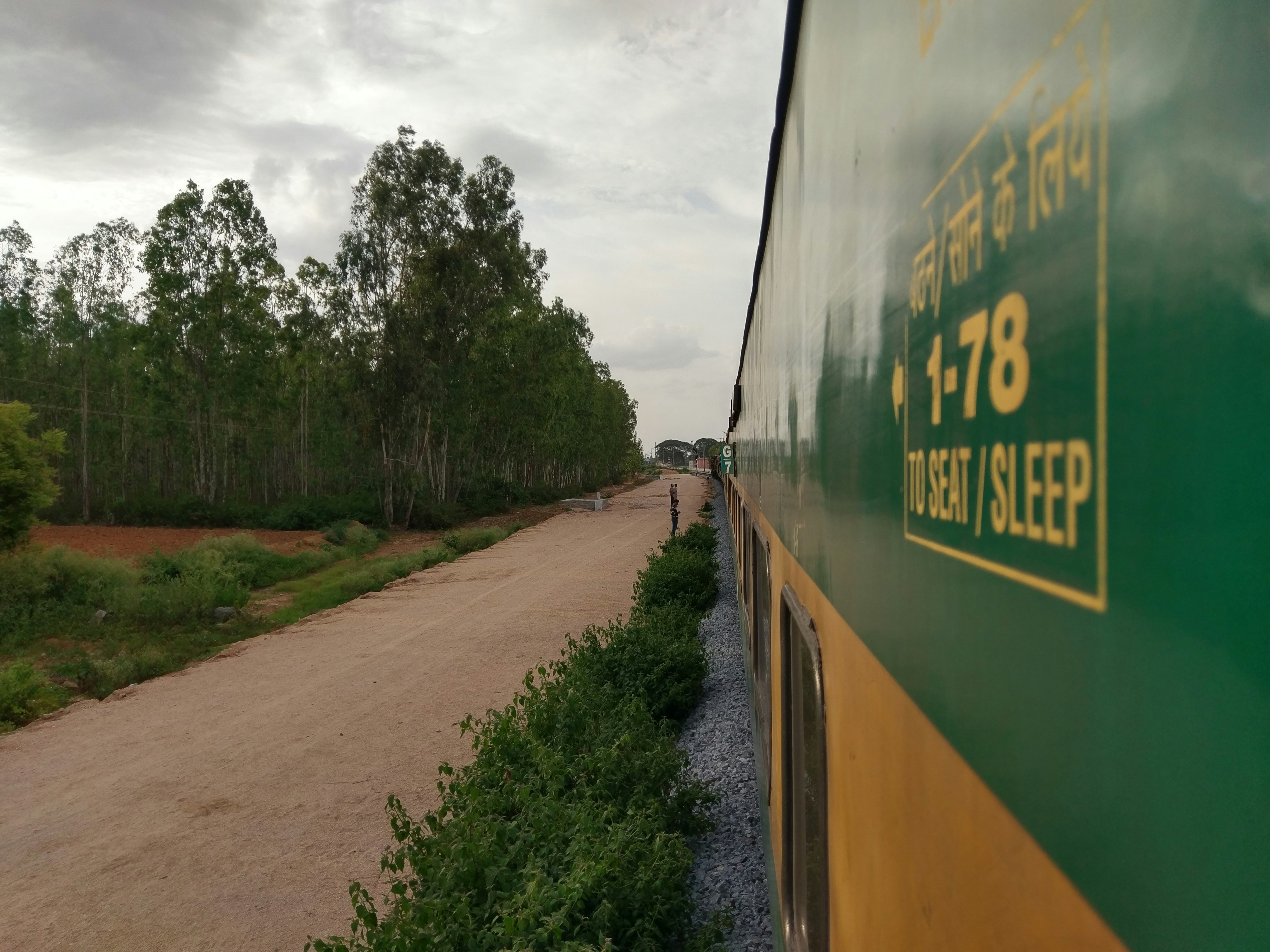
Moreover, the journey through these two regions affords a unique insight into the country’s social fabric. In the north, one can witness the grandeur of imperial structures, colorful festivities, and the warmth of hospitality, while the south invites exploration of ancient temples, lush landscapes, and tranquil backwaters that define its picturesque nature. Such a balanced exploration allows for a comprehensive understanding of the cultural and geographical diversity that makes India a compelling travel destination.
Through this itinerary, travelers are encouraged to soak in the kaleidoscope of experiences that embody both the north and the south, ensuring that their journey through India will be as enlightening as it is memorable.
Day 1-2: Arrival in Delhi – The Bustling Capital
Upon arriving in Delhi, the capital city of India, travelers will be greeted by a vibrant atmosphere that reflects the country’s rich historical and cultural heritage. Indira Gandhi International Airport serves as the primary gateway, and various transportation options are available to facilitate your journey into the city, including taxis, ride-sharing services, and the Airport Express Metro Line, providing a seamless connection to central locations.
During the initial two days in Delhi, it is highly recommended to visit iconic landmarks that encapsulate the essence of the city. India Gate, a war memorial built in the early 20th century, stands as a testimony to the heroes of World War I. Nearby, the Red Fort, a UNESCO World Heritage site, offers a glimpse into India’s Mughal history with its magnificent architecture and intriguing museums. The Qutub Minar, another UNESCO protected site, showcases the architectural brilliance of the Qutub dynasty and remains a must-visit when exploring Delhi.
Timing your visits can significantly enhance your experience; early mornings or late afternoons present a cooler climate and less crowded settings. This is particularly advantageous for photography enthusiasts wanting to capture the city’s landmarks bathed in soft golden light. For accommodation, neighborhoods such as Connaught Place and Karol Bagh provide a range of hotels, from luxury to budget-friendly options, suitable for all travelers. It is advisable to book in advance, especially during peak tourism seasons.
Furthermore, indulging in the local dining scene is an integral aspect of experiencing Delhi’s culture. Street food stalls serve delectable snacks like chaat and parathas, while numerous restaurants offer traditional North Indian cuisine. Exploring local markets and eateries not only tantalizes the taste buds but also provides insight into the daily life and culinary diversity of the city.

Day 3: Exploring Agra – The Home of the Taj Mahal
Day three of the itinerary begins with early morning travel from Delhi to Agra, a journey that can be conveniently undertaken either by train or car. The train journey via the Gatimaan Express is highly recommended for its speed and comfort, taking approximately 1 hour and 40 minutes. Alternatively, a road trip of about 3 to 4 hours offers scenic views and the flexibility to stop along the way as desired. Both modes of transportation offer unique experiences, allowing travelers to savor the diverse scenery of northern India.
Upon arrival in Agra, the most illustrious landmark awaits – the Taj Mahal. Visiting at sunrise is particularly enchanting, as the soft morning light reflects off the marble, creating a surreal experience. It is advisable to purchase tickets in advance, which cost around INR 50 for Indian citizens and INR 1,100 for foreign tourists, ensuring a seamless entry. Following the Taj Mahal, a visit to the Agra Fort is essential; this UNESCO World Heritage site offers a glimpse into Mughal architecture and history. The entry fee for Agra Fort is approximately INR 50 for Indian visitors and INR 600 for foreigners.
For a picturesque view of the Taj Mahal, head to Mehtab Bagh, a garden that provides a stunning backdrop for photography, especially during sunset. The entrance fee for Mehtab Bagh is around INR 20, making it an affordable option to unwind in a serene setting. After a full day of exploration, travelers can consider accommodations such as The Oberoi Amarvilas, known for its luxury and proximity to the Taj. For local dining, sample the renowned Mughlai cuisine at restaurants like Pinch of Spice, where meals typically range from INR 300 to 1,000. Ensuring a balance between activities, costs, and experiences makes Agra an unforgettable part of this journey through India.
Day 4-5: Jaipur – The Pink City
Traveling from Agra to Jaipur offers various transportation options, each catering to different preferences and budgets. The most convenient mode is by car, with a distance of approximately 240 kilometers that can be covered in about 4 to 5 hours. Rental services and private taxis are readily available for those who prefer flexibility in their schedule. Alternatively, the journey can be undertaken via train, with several daily services connecting Agra and Jaipur, providing a scenic view of the countryside along the way.

Jaipur, known as the Pink City, is famous for its rich history and vibrant culture. One of the must-visit attractions is the Hawa Mahal, or the Palace of Winds, characterized by its unique façade and intricately carved windows. Amber Fort, situated on a hilltop, is another highlight, allowing visitors to delve into the grandeur of Rajput architecture while offering stunning views of the surrounding landscape. Don’t miss Jantar Mantar, an impressive observatory that showcases a collection of architectural astronomical instruments, showcasing India’s historical advancements in astronomy.
For accommodations, the options in Jaipur range from luxurious hotels to budget lodgings. The lavish Rambagh Palace provides an experience steeped in royal history, while establishments like the Pearl Palace Heritage Hotel combine comfort with affordability. Local markets such as Johari Bazaar and Bapu Bazaar offer an authentic shopping experience, and visitors can immerse themselves in Jaipur’s artisan culture. When dining, savouring traditional Rajasthani cuisine at restaurants that feature cultural seating arrangements, such as low tables and floor cushions, provides a unique experience. The cost of meals varies, but a delicious thali can be enjoyed for around INR 300 to 600 per person, depending on the establishment. For a smoother experience, advanced reservations for accommodations and dining are recommended, particularly during peak travel seasons.
Day 6-8: Varanasi – The Spiritual Heart of India
Traveling from Jaipur to Varanasi presents several convenient options, ensuring a smooth transition to this revered city. The most efficient method is to take a direct flight, which takes approximately one and a half hours. Several airlines offer regular services on this route. Alternatively, for those seeking a more scenic journey, consider traveling by overnight train. The experience of watching the landscape transform as you traverse the Indian countryside can be both enjoyable and culturally enriching, as the journey typically lasts about 12 to 14 hours.
Once you arrive in Varanasi, the city welcomes you with its rich tapestry of spirituality and history. Begin your exploration with a visit to the iconic Ganges River ghats, where the sacred waters serve as a backdrop for countless pilgrims and tourists alike. The evening Ganga Aarti ceremony is an unforgettable experience, showcasing mesmerizing rituals performed by priests, offering prayers and light to the river—a reflection of the deep connection between Varanasi and its spiritual essence.
Another must-see highlight is the Kashi Vishwanath Temple, one of the most important temples dedicated to Lord Shiva. Locals and visitors alike come to pay their respects and participate in the rituals that have been practiced for centuries. The temple’s immense cultural significance cannot be overstated, as it is a pilgrimage site that attracts millions of devotees each year, drawing them into the city’s spiritual fold.
Accommodation options in Varanasi range from budget hostels to luxury hotels, catering to various preferences and budgets. For an immersive experience, consider staying near the ghats, where the vibrant atmosphere adds to your spiritual journey. As for cuisine, do not miss sampling local delicacies like Kachori, Chaat, and the heavenly Banarasi Paan. Local transport, including cycle rickshaws and auto-rickshaws, provides efficient ways to navigate the city while immersing yourself in its unique flavors and sights.
Day 9: Flying South to Kerala – A Land of Backwaters
On day nine of your ultimate India travel itinerary, you will depart from the historical landscapes of Varanasi and fly south to the enchanting state of Kerala, renowned for its picturesque backwaters and vibrant culture. The flight from Varanasi to Kochi typically takes around three hours, making it an efficient means of transportation to reach your next exciting destination in India.
Once you arrive in Kochi, also known as Cochin, you will find a wealth of attractions that capture the essence of Kerala’s rich heritage. Begin your exploration at Fort Kochi, an area steeped in colonial history, where you can stroll along the charming streets lined with colonial buildings. Don’t miss the iconic Chinese Fishing Nets, which are an integral part of the local fishing industry and present a unique photographic opportunity. Another must-visit is the Mattancherry Palace, also known as the Dutch Palace, which boasts stunning murals and provides insights into the region’s regal past.

For accommodations, Kochi offers a range of lodging options suitable for every budget. Luxury travelers may opt for upscale hotels like the Le Méridien or the Taj Malabar, where you can enjoy world-class amenities and service. On the other hand, budget-conscious visitors may consider homestays or smaller guesthouses, which often provide a more personal and immersive experience. These local accommodations not only cater to travelers’ needs but also allow for deeper cultural interactions.
Sample the local cuisine, which is an integral part of visiting Kerala. Do not miss trying dishes like traditional Kerala Sadya served on banana leaves, or the famous seafood preparations that characterize the region’s culinary landscape. When navigating Kochi, rickshaws and local buses are economical means of transportation, while taxis can be an efficient choice for more comfort and convenience.
Ultimately, embracing the cultural richness and diverse flavors of Kochi will ensure a memorable South Indian experience that beautifully contrasts your previous days in North India.
Day 10-11: Alleppey – A Backwater Paradise
Traveling from Kochi to Alleppey is an experience that encapsulates the tranquility and beauty of Kerala’s iconic backwaters. The journey, whether undertaken by road or boat, sets the stage for the serene surroundings that await. The distance from Kochi to Alleppey is approximately 53 kilometers, making it accessible for both day trips and overnight stays. Travelers might consider hiring a taxi for the smooth road journey or opting for a boat ride that meanders through lush landscapes, showcasing the vibrant flora and fauna of the region.
Alleppey is renowned for its extensive network of backwaters, and one of the best ways to experience this unique ecosystem is through a houseboat stay. These traditional boats have been transformed into luxurious accommodations, offering a unique blend of comfort and nature. A typical houseboat experience lasts anywhere from one to three nights, with prices ranging from budget options at approximately INR 5,000 per night to premium experiences costing upwards of INR 15,000 depending on the amenities and level of comfort chosen. Guests can expect panoramic views of palm-lined shores, paddy fields, and local life unfolding along the water’s edge.
Aside from the houseboat experience, visitors are encouraged to explore the local markets, where handicrafts, spices, and fresh produce are abundant. These markets offer a glimpse into the daily life of the locals and provide opportunities for cultural exchange. Culinary experiences should not be missed; dining at local restaurants can introduce travelers to traditional Kerala cuisine, known for its diverse flavors and use of spices. An average meal at a local eatery can cost around INR 200 to 500. Planning ahead and making reservations during peak season can enhance the overall travel experience in this picturesque locale.
Day 12-14: Exploring Munnar and Departure
On Day 12 of the itinerary, travelers will journey from Alleppey to the picturesque hill station of Munnar, renowned for its lush tea plantations and breathtaking landscapes. The distance between the two locations is approximately 150 kilometers, and visitors can opt for private taxi services or shared cabs to facilitate the journey. The drive offers scenic views as it meanders through rolling hills and verdant landscapes, providing an enchanting introduction to the natural beauty that Munnar has to offer.
Upon arrival in Munnar, travelers can immerse themselves in the abundant attractions starting with a visit to the famous tea plantations. A guided tour of a tea estate offers insight into the intricate process of tea production and the opportunity to sample various local brews. The rolling green hills intertwined with the twist of tea bushes create a tranquil atmosphere, which can be best appreciated at the scenic tea gardens such as the Kolukkumalai Tea Estate, noted for its high-altitude plantations.
Eravikulam National Park is another highlight of the visit, home to the endangered Nilgiri Tahr and captivating biodiversity. This park provides several trekking routes, rewarding hikers with stunning views of the Western Ghats and the chance to experience the rich flora and fauna firsthand. The park’s natural beauty is accentuated by the blooming Neelakurinji flowers that carpet the hills every twelve years, making it a sight to behold for nature enthusiasts.
As the trip draws near its conclusion, accommodation options in Munnar range from luxurious hotels to cozy homestays, catering to different preferences and budgets. Early booking is recommended due to Munnar’s popularity among travelers. Before departing for Kochi, consider last-minute shopping for authentic tea or handcrafted spices to take home as mementos. The journey back to Kochi can be organized with ease, allowing travelers ample time to reflect on their experiences and prepare for departure.
Travel Tips and Practical Information
Visiting India for the first time can be both an exhilarating and daunting experience. To ensure a smooth journey, it is essential to familiarize oneself with some practical tips and advice that will enhance the experience. First and foremost, travelers should prioritize health and safety by staying updated on vaccinations and necessary medications. It is advisable to consult a healthcare provider before departure to ensure proper preparation.


Understanding local customs is crucial for fostering positive interactions with residents. India is a diverse nation with varying traditions, so learning a few basic cultural norms, such as dressing modestly, greeting people with folded hands (namaste), and respecting religious practices, can go a long way in building rapport with locals.
The best seasons to visit India largely depend on the regions being explored. Generally, October to March is considered the ideal period for travel, as the weather is pleasant. However, this time frame can vary, and some regions like Kerala are best visited during the monsoon season, which runs from June to September.
When planning a budget for your trip, it is essential to consider the currency, which is the Indian Rupee (INR). Most places accept credit cards, but it is wise to carry cash, especially in rural areas. Exchange rates should be checked in advance to ensure that currency conversions are done at reasonable rates.
Transport options in India are diverse, ranging from trains and buses to rickshaws and taxis. Train travel is widely regarded as an efficient and scenic way to navigate the country. Engaging with locals respectfully is vital; making an effort to use simple Hindi phrases can enhance connections. Lastly, packing light and considering climate variations across regions will optimize travel comfort.
Conclusion: Your Memorable Journey Awaits
In this exploration of India’s cultural and geographical diversity, we have highlighted the key experiences that await travelers embarking on this two-week itinerary. From the majestic splendor of the northern cities like Delhi, Agra, and Jaipur, where ancient history intertwines with modern life, to the serene beauty of southern landscapes in Kerala, this journey promises to be an enriching tapestry of experiences.
The array of vibrant cultures, delectable cuisines, and breathtaking landscapes across the subcontinent is bound to leave travelers in awe. Each destination offers a myriad of activities that reflect the extensive heritage and lively traditions of India. In the north, historical monuments such as the iconic Taj Mahal and the Pink City of Jaipur resonate with stories of the past, each corner steeped in tales of royalty and valor. Conversely, the south unveils a contrasting yet equally mesmerizing scene with its lush backwaters, intricate temple architecture, and tantalizing dishes that are uniquely South Indian.
As you traverse through bustling markets, serene beaches, and idyllic hill stations, each moment will ignite your curiosity and inspire a deeper appreciation for this diverse nation. The friendly locals, with their warm hospitality, further complement the spirit of India, making each encounter memorable. Whether you are wandering through the vibrant streets or indulging in the tranquil ambiance of Kerala’s backwaters, each experience adds a rich layer to your travel narrative.
Ultimately, this itinerary has been crafted not just to guide your travels but to invite you to embrace the adventure that India has to offer. The enriching journey from the north to the south will surely be a source of cherished memories for years to come. Prepare to embark on a voyage that celebrates the union of history, culture, and natural beauty that defines India.