
Slow Travel: How to Travel More While Spending Less
Introduction to Slow Travel
Slow travel is an emerging concept in the world of tourism, emphasizing a more thoughtful and immersive experience rather than the traditional approach of hurried sightseeing. This travel philosophy encourages individuals to take their time, engage with local cultures, and appreciate the nuances of a destination. Travelers are urged to prioritize connecting with locals, understanding their customs, and savoring authentic experiences, rather than rushing from one landmark to another. The essence of slow travel lies in fostering deeper connections, both with the places visited and the people encountered along the way.
The benefits of slow travel are manifold. Unlike traditional travel, which often focuses on quantity—visiting as many places as possible in a limited timeframe—slow travel emphasizes quality. This approach enables travelers to cultivate a richer understanding of their destination, allowing them to discover hidden gems that may not be highlighted in standard tourist itineraries. Furthermore, taking fewer trips over a longer duration often results in reduced stress, making for a more enjoyable journey.
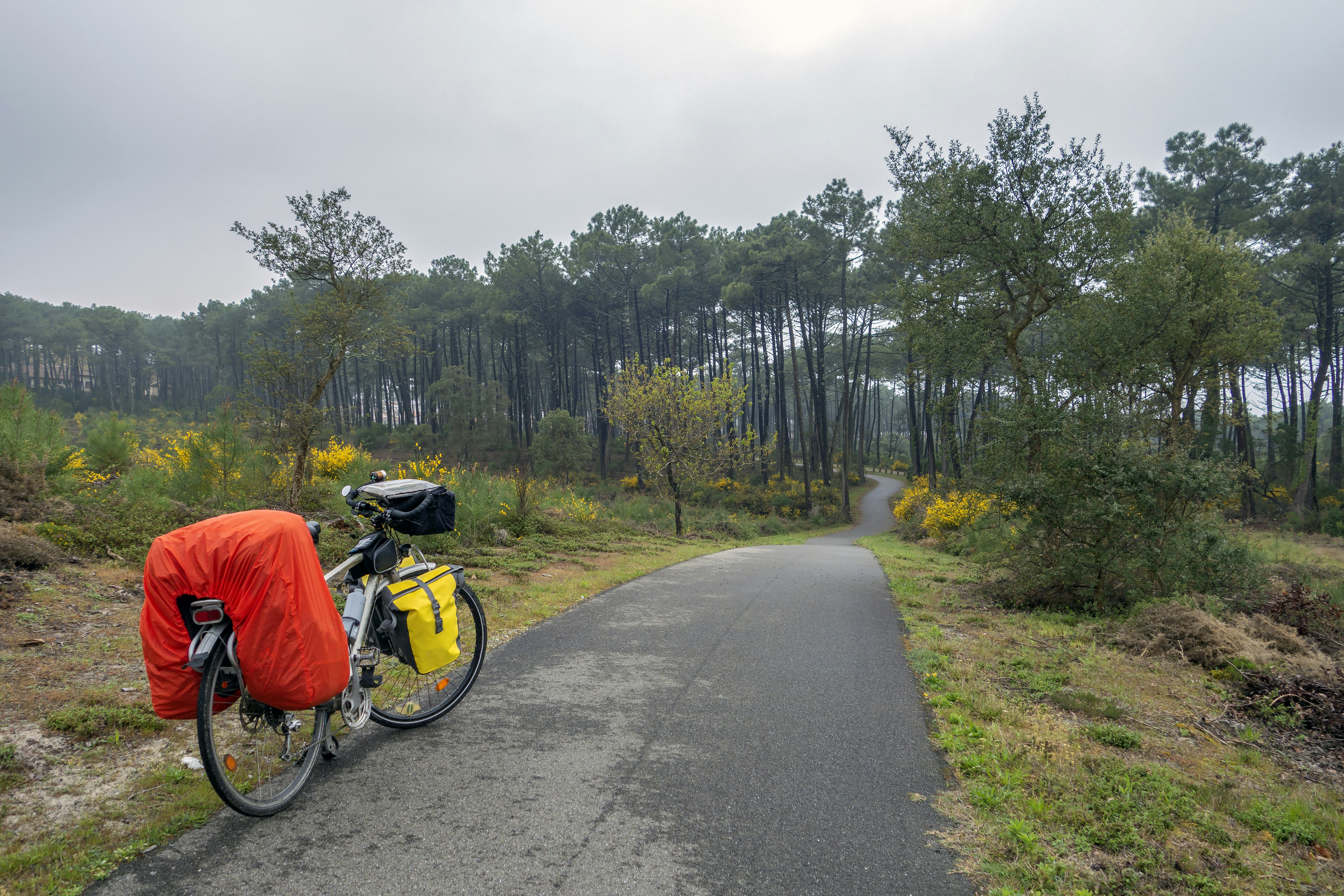
In a world increasingly dominated by speed and convenience, the principles of slow travel are gaining traction. Many individuals are beginning to recognize the value of disconnecting from the rush of modern life and opting for journeys that prioritize experiences over mere destinations. This growing trend is reflected in travel blogs, documentaries, and a diverse range of literature, all advocating for a more deliberate pace. Such popularity underscores a collective yearning for mindfulness and a desire to reconnect with both oneself and the world. As travelers increasingly seek meaningful interactions and deeper understandings, slow travel stands out as an antidote to the rapid pace that has typified modern tourism.
Understanding the Affordable Travel Lifestyle
Adopting an affordable travel lifestyle allows individuals to travel more frequently while minimizing expenses. This approach emphasizes the enjoyment of experiences over luxury, making travel accessible to a broader audience. Budgeting is a crucial aspect of this lifestyle; by setting a realistic travel budget, individuals can effectively allocate funds towards their trips without incurring debt.
One effective strategy for staying within budget is to prioritize destinations where the cost of living is lower. Emerging travel locations often provide unique cultural experiences at a fraction of the cost of more popular tourist spots. Researching and selecting accommodations like hostels, guesthouses, or even home exchanges can also significantly reduce lodging expenses. Websites that specialize in affordable travel accommodations often offer discounts for longer stays, which aligns perfectly with the slow travel mindset.
Embracing slow travel not only enhances the affordability of the travel experience but also deepens the overall enjoyment. This approach encourages travelers to immerse themselves in local cultures, interact with residents, and appreciate the surroundings in a more meaningful way. Rather than rushing through a checklist of attractions, slow travelers spend more time in fewer locations, allowing them to savor the essence of each place they visit.
Utilizing local transportation options like buses, bicycles, or walking not only contributes to reduced travel costs but also fosters a richer understanding of the destination. Engaging in free or low-cost activities, such as community events, markets, and natural parks further enhances the experience without straining the budget. By incorporating these budgeting tips and adopting a slow travel mindset, individuals can navigate their journeys with financial prudence while fully enjoying every moment.
The Benefits of Long-Term Travel
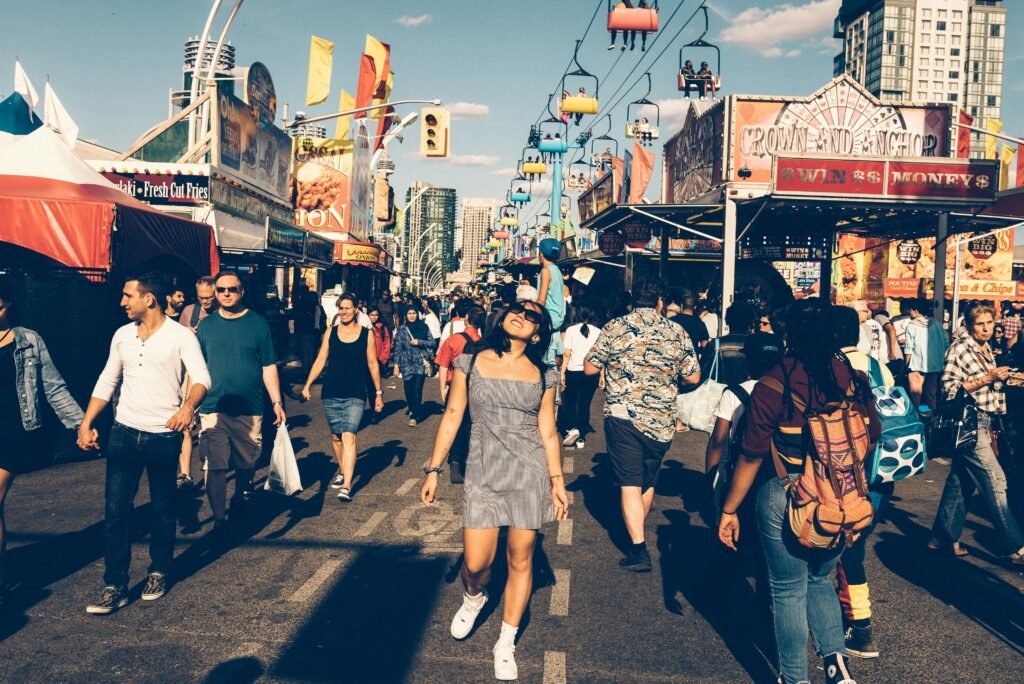
Long-term travel has gained popularity as more travelers seek experiences that transcend the conventional vacation mindset. One of the primary benefits of extended journeys is the opportunity for deep cultural immersion. When you stay in a location for a longer period, you engage more profoundly with the local community. For instance, during a three-month stay in a rural village in Italy, I learned not just the language but also the customs and culinary traditions from local families. These rich experiences foster a deeper understanding of diverse cultures, creating memories that last a lifetime.
Moreover, long-term travel encourages significant personal growth. Residents of your chosen destination often become friends, and your willingness to adapt to their way of life can stretch your comfort zone. I experienced this firsthand when I volunteered with an environmental organization in Costa Rica for six weeks. The challenges I faced taught me resilience and adaptability, enriching my personal development and perspective on global issues.
In addition to cultural and personal benefits, long-term travel can lead to substantial cost savings. While short trips often necessitate premium accommodation and pricey activities, longer stays frequently present opportunities for lower costs. Renting a place for several weeks often reduces nightly rates, and local markets offer affordable and fresh ingredients for cooking. I found that by preparing meals at home rather than dining out, my monthly expenses decreased significantly while allowing for splurges on unique local experiences.
These advantages of long-term travel—cultural immersion, personal growth, and cost-effectiveness—highlight why many travelers are embracing a slower approach to exploring our world. Rather than rushing through tourist spots, the essence of slow travel lies in savoring every moment and creating meaningful connections while broadening horizons.
Tips for Planning Your Slow Travel Adventure
Embarking on a slow travel adventure requires thoughtful preparation to ensure a meaningful and immersive experience. Start by choosing the right destinations that resonate with you on a personal level. Rather than visiting popular tourist spots, consider exploring lesser-known locations rich in cultural heritage and authenticity. Research local festivals, markets, and attractions that provide insight into the daily lives of residents, allowing for a more profound connection with the destination.
Next, opt for modes of transport that encourage a leisurely pace. Instead of flying, consider taking a train or bus, which facilitate a more scenic journey and provide opportunities to interact with fellow travelers. Cycling or walking not only helps reduce your carbon footprint but also allows for spontaneous stops along the way, enhancing your overall travel experience.
Accommodations play a crucial role in slow travel. Seek out local guesthouses, hostels, or homestays that embody the spirit of the region. These options often allow for a more personalized experience, where you can engage in conversations with your hosts and learn about local customs and traditions. Additionally, consider booking longer stays in fewer places to fully immerse yourself in the environment. Spending a week or more in a single location provides the chance to explore thoroughly rather than rushing through multiple destinations.
It is also beneficial to plan a flexible itinerary that accommodates spontaneous activities and interactions. Allow for downtime, so you can absorb your surroundings, rest, or enjoy that quaint café you discovered. Remember that the essence of slow travel lies in enjoying the journey as much as the destination itself, making every moment count while creating lasting memories.
How to Save Money While Traveling Slowly
Traveling slowly offers an enriching experience, allowing travelers to immerse themselves in local cultures and environments. However, it also raises the question of how to manage one’s finances effectively during such extended journeys. Employing strategic financial practices can substantially decrease overall travel costs.

One of the most effective methods to save money while traveling is utilizing public transportation. Many cities around the world boast efficient and affordable transit systems, including buses, subways, and trams. By opting for these local transport options, travelers not only reduce transportation costs but also enrich their experience by engaging more closely with the city’s everyday life. For instance, during a recent trip to Barcelona, I chose to take the metro instead of taxis, allowing me to explore various neighborhoods at a fraction of the cost.
Another cost-saving strategy involves preparing your meals rather than dining out for every meal. While experiencing local cuisine is an essential aspect of travel, regularly dining at restaurants can quickly accumulate high expenses. By staying in accommodations that offer kitchen facilities, travelers can cook simple meals with fresh, local ingredients. This not only saves money but adds a personal touch to the travel experience. On my recent visit to a countryside village, I frequently visited local markets to buy fresh produce and cooked simple dinners, which not only cut costs but also gave me a taste of local flavors.
Finally, finding affordable lodging can significantly impact one’s travel budget. Rather than booking expensive hotels, consider options such as hostels, guesthouses, or renting apartments through services like Airbnb. These alternatives typically offer a more authentic experience and often come with the added benefit of communal kitchen facilities. During a recent jaunt through Europe, I successfully found cozy, budget-friendly accommodations that allowed me to stay longer and enjoy the destinations more thoroughly.
Sustainable Practices in Slow Travel
Sustainable practices play a crucial role in the philosophy of slow travel, which emphasizes quality experiences over quantity. This approach fosters a deeper connection to destinations and minimizes the environmental impact often associated with tourism. To truly embrace sustainability while traveling slowly, several key strategies can be employed.
Firstly, choosing eco-friendly modes of transportation is vital. Travelers can opt for bicycles, public transport, or walking, which not only reduce carbon footprints but also allow for a more intimate exploration of the local environment. For longer distances, consider trains or buses that produce fewer emissions compared to flying.
Secondly, selecting accommodations that prioritize sustainability can significantly lessen environmental impact. Many establishments now adopt green practices such as using energy-efficient appliances, sourcing local organic foods, and participating in recycling programs. Staying at these eco-conscious hotels or even considering homestays can support sustainable tourism initiatives and benefit the local economy.
Additionally, engaging with local communities respectfully can enhance the slow travel experience while promoting sustainable practices. Participate in initiatives such as community clean-up events or volunteer programs focused on conservation. This not only helps in maintaining the beauty of travel destinations but also fosters a positive relationship between visitors and residents.
Travelers can also minimize waste by reducing the use of single-use plastics. Carry reusable water bottles, bags, and utensils to lessen plastic pollution caused by tourism. Embracing a mindset of minimalism when packing helps to reduce excess baggage, leading to lower carbon emissions during transit. Furthermore, supporting local artisans by purchasing handmade crafts instead of mass-produced goods can contribute to the preservation of cultural heritage while encouraging sustainable practices.
Personal Experiences with Slow Travel
Throughout my journeys, embracing the concept of slow travel has profoundly impacted my perspective on exploration and connection. One of the most significant experiences occurred during a three-week stay in a quaint Italian village, where rather than rushing through iconic landmarks, I dedicated my time to immersing myself in local traditions and everyday life.
Each morning, I would visit the local market, engaging with the vendors who proudly shared stories behind their produce. The simplicity of these interactions not only enriched my travel experience but also fostered a sense of community. Through a shared love for cuisine, I learned to cook traditional Italian dishes from a neighbor, who graciously invited me into her home. This encounter reinforced my understanding that true travel goes beyond the destinations; it’s about the connections formed along the way.
Additionally, a memorable moment occurred while hiking the scenic trails of a national park in the U.S. Instead of opting for the guided tours that covered more ground, I chose to spend a week camping and exploring the area at my own pace. This allowed me to appreciate the natural beauty surrounding me, from the rustling leaves to the soothing sounds of a nearby stream. I discovered hidden waterfalls and breathtaking viewpoints that were often overlooked by those hurrying through the park.
These experiences have instilled in me a profound love for an affordable travel lifestyle. They allowed me to witness life from a different lens while simultaneously reducing expenditures related to rushed itineraries and high-priced attractions. By slowing down, one learns that travel is not solely about the places one visits, but rather the lives touched and lessons learned along the way, making each journey memorable without breaking the bank.
Cost Analysis of Slow Travel vs. Traditional Tourism
When comparing the average monthly costs of slow travelers to those of traditional tourists, several key differences emerge that impact overall expenses. Traditional tourism often involves hurried itineraries with a focus on visiting multiple attractions in a short time. This approach can result in higher costs due to last-minute bookings for flights and accommodations, as well as the necessity of expensive guided tours. On average, traditional tourists spend significantly more on transportation, meals, and activities, with expenses often reaching upwards of $3,000 to $5,000 per month depending on the destination and style of travel.
Conversely, slow travel promotes a more sustainable and economical way of exploring new regions. Slow travelers prioritize immersing themselves in the local culture, focusing on experiences that often require less financial outlay. By spending extended periods in one location, these individuals can often secure lower rates on accommodation, particularly if they opt for long-term rentals or homestays. As a result, the average monthly cost for slow travelers is typically estimated between $1,500 and $2,500. This cost bracket includes essentials such as lodging, local cuisine, and transport within the destination.
Several factors contribute to the overall expenses of each travel style. Traditional tourists often allocate budgets for entertainment and attractions, which can incur hefty admission fees and additional costs. In contrast, slow travelers can take advantage of free or low-cost local events, community engagement opportunities, and outdoor activities that do not demand significant financial investment. Furthermore, slow travelers are likely to eat where locals dine, further reducing meal expenses. The choice between these two travel styles ultimately reflects lifestyle preferences and financial priorities, with slow travel offering a viable alternative for budget-conscious individuals seeking richer travel experiences.


Conclusion: Embracing a New Travel Mindset
In concluding our exploration of slow travel, it is essential to highlight the key takeaways that can transform how one approaches and experiences travel. Slow travel encourages a shift from the fast-paced, checklist-driven itineraries to a more immersive journey that prioritizes meaningful experiences over quantity. By dedicating more time to fewer destinations, travelers can cultivate a deeper connection with local cultures, landscapes, and communities.
One significant advantage of slow travel is its potential for budget-conscious exploration. As travelers take the time to engage with local economies—through markets, homestays, and community-run tours—they often discover affordable alternatives that provide authentic experiences. This method not only reduces travel costs but also promotes sustainable tourism practices that can benefit both visitors and host communities alike.
Moreover, adopting this travel mindset can lead to personal growth and enrichment. When one slows down, there is a greater opportunity for self-reflection and appreciation of the subtleties that distinct cultures have to offer. Whether it is savoring local cuisines, participating in community festivals, or simply enjoying serene landscapes, these moments contribute to a fulfilling travel experience.
In a world that frequently promotes the idea of seeing as much as possible in the least amount of time, embracing slow travel can serve as a refreshing counter-narrative. It enables travelers to focus on depth rather than breadth, enriching their journeys while being sensitive to their financial limitations. As you consider your next travel adventure, contemplate the advantages of incorporating slow travel principles into your plans. The benefits are manifold, ultimately leading to a richer, more rewarding experience on the road.