
Hidden Gems of the Middle East: 12 Underrated Destinations Most Travelers Miss
Introduction
The concept of overtourism has become increasingly significant in recent years, particularly in regions such as the Middle East, where cultural and historical sites are experiencing an influx of visitors. The paradox lies in how these popular destinations, while celebrated for their beauty and heritage, become overcrowded, resulting in a diluted experience for travelers seeking authentic cultural interactions. Cities like Marrakech, Petra, and Istanbul, often heralded as must-visit locations, can overwhelm first-time visitors with their bustling streets and crowded attractions, leading to frustration rather than fulfillment.
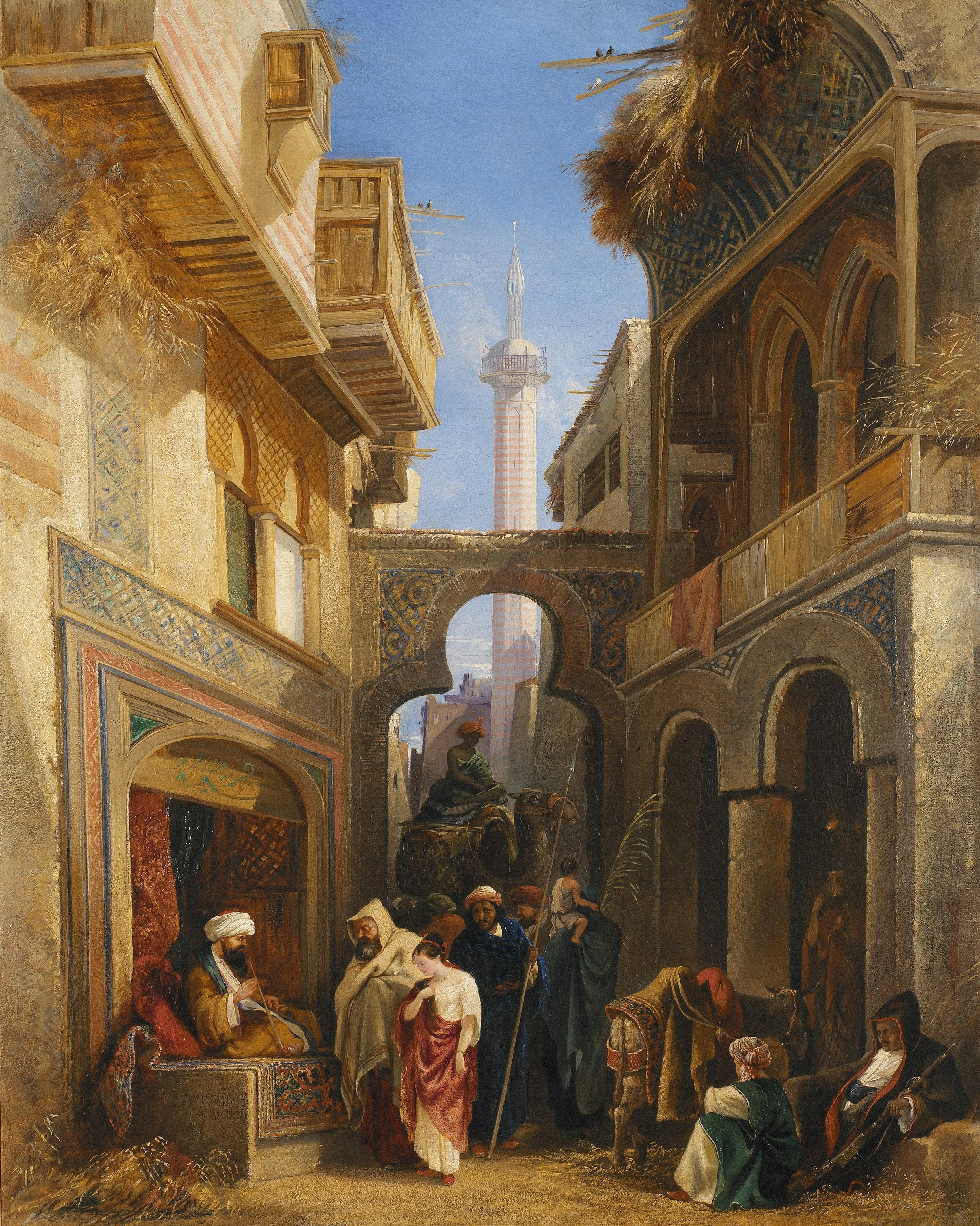
This phenomenon not only impacts the enjoyment of tourists but also places a strain on local communities and environments, leading some residents to feel marginalized in their own hometowns. As more travelers flock to these well-trodden paths, the essence of what made these locations unique and captivating may be overshadowed by the sheer volume of foot traffic. Subsequently, opportunities for meaningful engagement with local cultures are lost amidst the throng. Visitors may find themselves taking part in experiences that feel more like a checklist than an immersion.
In response to the urgency of this dilemma, it is essential to explore the lesser-known, underrated destinations of the Middle East. These hidden gems promise remarkable experiences without the crowds, allowing travelers to connect deeply with the region’s diverse cultures, traditions, and landscapes. By shifting the focus from popular hubs to these overlooked spots, travelers can rediscover the joy of exploration and authentically engage with the local population and history.
As we delve into these secret treasures, we illuminate paths less traveled and invite adventurers to experience the Middle East in a new, enriching way.
AlUla, Saudi Arabia: A Historical Treasure
AlUla is a remarkable destination in Saudi Arabia, renowned for its breathtaking rock formations and rich archaeological heritage. This ancient city, nestled in the northwestern region of the country, attracts history enthusiasts, culture seekers, and adventure travelers alike, making it a unique cultural destination worth exploring. Characterized by stunning sandstone cliffs and sprawling desert landscapes, AlUla offers a glimpse into the mystical past of the Arabian Peninsula.
Visitors to AlUla are treated to incredible archaeological sites, most notably the UNESCO World Heritage site of Madain Saleh. This ancient Nabatean city features intricately carved tombs and monumental facades dating back to the first century AD. The history surrounding Madain Saleh provides an exceptional context for understanding the Nabateans’ advanced civilization and their strategic role in ancient trade routes.
The best time to visit AlUla is during the cooler months, from October to April, when temperatures are more favorable for exploration. Travelers can partake in a variety of activities, including guided tours through the sprawling rock formations, hiking trails that reveal stunning vistas, and cultural experiences that highlight the region’s history through local storytelling and cuisine. This adventurous spirit pairs well with AlUla’s unique offerings, making it appealing to various types of travelers, from families to solo adventurers.
Additionally, numerous festivals and events throughout the year enhance the visitor experience. The AlUla Arts Festival and the Winter at Tantora festival showcase both local and international artists against the backdrop of AlUla’s natural wonders. As more travelers look for hidden gems, AlUla stands out as a captivating blend of natural beauty and historical significance that is sure to leave a lasting impression on anyone who visits.
Salalah, Oman: A Tropical Oasis
Salalah, the capital of the Dhofar region in southern Oman, is often characterized as a tropical oasis that stands in stark contrast to the arid landscapes of much of the Arabian Peninsula. This unique destination is especially renowned during the khareef season, which lasts from June to September. During this period, Salalah transforms with lush greenery, as the summer monsoon redistributes moisture across the region, creating a verdant paradise dotted with cascading waterfalls and rolling hills.
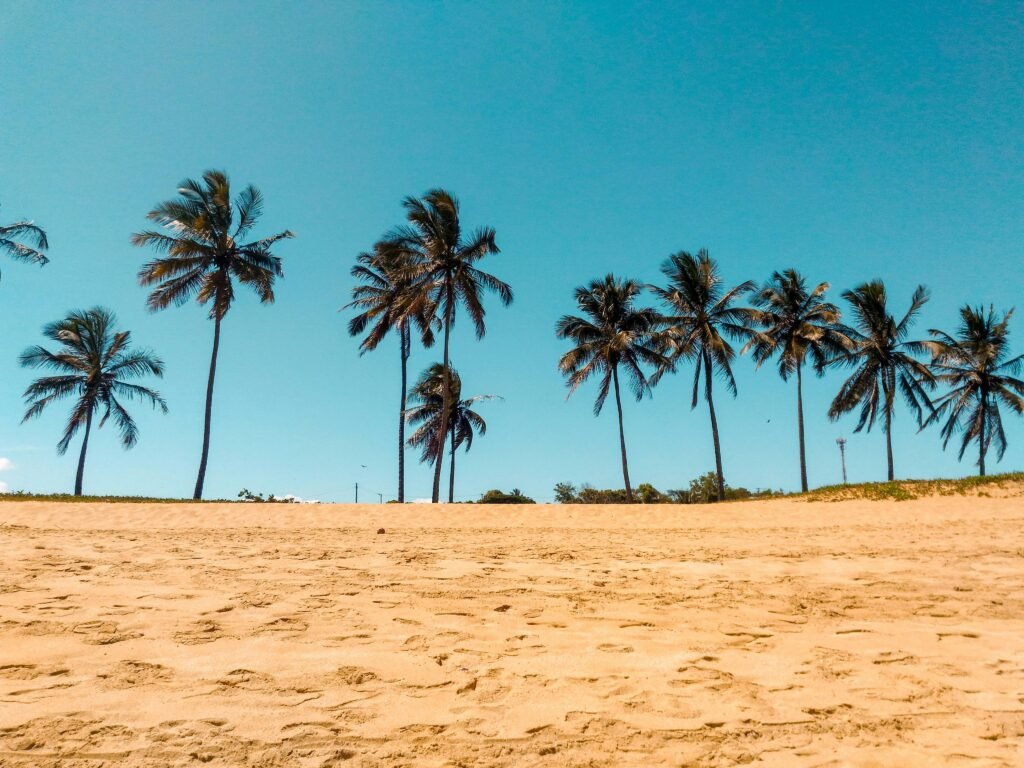
What distinguishes Salalah from other intended travel spots is not only its climate but also its rich cultural heritage. The blend of Omani traditions and the influence of historical trade routes creates a vibrant local identity that is celebrated during various festivals throughout the year. Visitors can explore sites such as the ancient ruins of Al-Baleed, a UNESCO World Heritage site, where the remnants of a once-thriving trading port can be examined, highlighting the region’s storied past.
Salalah appeals to diverse demographics, catering to both those seeking relaxation and adventure. For visitors interested in leisure, the pristine beaches offer a tranquil environment to unwind and enjoy the soothing sound of waves lapping against the shore. Alternatively, outdoor enthusiasts will find plenty of activities, from hiking in the surrounding mountains to exploring the desert landscapes. The area’s unique biodiversity also makes it a prime location for birdwatching and other wildlife observation.
Overall, Salalah showcases how distinct climatic conditions can foster a unique natural beauty and culture that captures the interest of varied travelers. Whether one seeks solitude or thrill, this hidden gem of the Middle East promises an unforgettable experience that transcends conventional tourist expectations.
Wadi Mujib, Jordan: Adventure Through Nature
Nestled in the heart of Jordan, Wadi Mujib is a breathtaking gorge that offers an enchanting blend of natural beauty and adventure. Known as the “Grand Canyon of Jordan,” this stunning destination stretches for miles, winding through dramatic cliffs and lush vegetation, making it a paradise for nature lovers and adventure seekers alike. With its unique topographical features and biodiversity, Wadi Mujib showcases the very essence of the natural landscapes that characterize the Middle East.
Adventure enthusiasts will find themselves drawn to Wadi Mujib for its myriad of activities, particularly hiking and canyoning. The trails within the gorge range from moderate to challenging, allowing visitors to experience the thrill of navigating the rocky terrain, while marveling at the cascading waterfalls and rich flora and fauna. One of the most popular hiking routes is the Mujib Siq Trail, which leads visitors through narrow canyons and shallow pools, culminating in an awe-inspiring waterfall. Canyoning, on the other hand, allows visitors to immerse themselves in the refreshing waters of Wadi Mujib, offering a perfect blend of adrenaline and natural beauty.



The best time to visit Wadi Mujib is during the cooler months, from March to November, when the weather is more favorable for outdoor activities. During these months, the temperatures are mild, making hiking and canyoning more enjoyable. Additionally, the springtime brings blooming wildflowers, further enhancing the stunning scenery. Travelers should also be aware that the entrance to Wadi Mujib is subject to seasonal access; therefore, it is essential to check for any updates prior to planning a visit.
Overall, Wadi Mujib stands out as a hidden gem in the Middle East, offering a captivating experience for those who seek adventure and the chance to explore the natural beauty of the region. Whether one is trekking through its trails or conquering its waterways, Wadi Mujib remains an unforgettable destination for any adventurer.
Musandam Peninsula, Oman: A Secluded Paradise
The Musandam Peninsula, located at the northern tip of Oman, is often referred to as the “Norway of Arabia” due to its stunning fjord-like inlets and majestic mountain landscapes. This stunning region is characterized by its dramatic cliffs, crystal-clear waters, and rich marine biodiversity, making it a hidden gem for nature lovers and adventure enthusiasts alike. Unlike more crowded tourist areas, Musandam offers tranquility and a sense of seclusion, allowing visitors to truly connect with nature.
Among the highlights of Musandam are its remarkable fjords, such as the famous Khawr Ash Sham, where you can witness breathtaking vistas while cruising through the serene waters. These natural formations provide ample opportunities for exploration, including kayaking, snorkeling, and diving in vibrant coral reefs teeming with marine life. The waters are home to playful dolphins, which often delight visitors with their acrobatics.
For those seeking relaxation, secluded beaches dot the peninsula, providing perfect spots for quiet sunbathing or unmatched views of the sunset. The area’s unspoiled nature creates an ideal environment for unwinding and recharging away from the hustle and bustle of city life.
The best time to visit the Musandam Peninsula is from October to April, when temperatures are cooler and more pleasant for outdoor activities. These months also provide clearer skies, enhancing visibility for both marine activities and land explorations. Whether you are partaking in thrilling water sports or simply enjoying the breathtaking scenery, the Musandam Peninsula promises an unforgettable experience for every traveler. This tranquil escape is truly one of the Middle East’s best-kept secrets.
Siwa Oasis, Egypt: A Cultural Jewel
Siwa Oasis, nestled in the western desert of Egypt, presents a unique cultural experience that encapsulates the rich heritage of the indigenous Berber community. This splendid oasis is not just an idyllic landscape characterized by lush palm groves and tranquil springs; it is also a repository of cultural traditions that have thrived for centuries. Visitors to Siwa can immerse themselves in the local culture, exploring its distinct architecture, local crafts, and traditional music, which all reflect the Berber heritage.
The architecture in Siwa showcases ancient mud-brick structures, most notably the remnants of the Shali Fortress, which stands as a testament to the area’s historical significance. Moreover, the Temple of the Oracle is another significant site where Alexander the Great is believed to have consulted the oracle during his conquests. These sites illustrate the intersection of natural beauty and historical intrigue, making Siwa Oasis a must-visit destination.
The best time to visit Siwa Oasis is during the cooler months, from October to April, when the temperatures are more moderate, encouraging exploration and outdoor activities. During this period, visitors can enjoy activities such as hiking, cycling, and stargazing, enabling them to connect with the natural landscape and cultural essence of the oasis.
Those who especially benefit from this culturally rich experience include history enthusiasts, adventure seekers, and anyone interested in understanding the nuances of local traditions. Siwa Oasis offers a tranquil escape for travelers seeking authenticity away from the more commercialized tourist hotspots in Egypt. A visit to Siwa not only promises relaxation but also a profound engagement with a vibrant culture that continues to thrive against the backdrop of an ever-changing world.
The Ghost Town of Al-Hijr, Saudi Arabia: A Window to the Past
Al-Hijr, also known as Madain Salih, is a significant archaeological site located in Saudi Arabia’s Al-Ula region. This ancient city served as a vital stop for traders along the Incense Route and is recognized for its well-preserved monumental tombs, which date back to the Nabatean era. The site’s intricate architectural features, most notably the ornately carved facades, reflect the sophistication of Nabatean culture and its importance as a trading hub in antiquity. UNESCO added Al-Hijr to its World Heritage list in 2008, underscoring its archaeological relevance.
The history of Al-Hijr is steeped in mystery and intrigue, as it was abandoned around the 2nd century AD following the decline of trade in the area. Despite its historical significance, many travelers often overlook this gem. For those with an interest in archaeology, history, or ancient civilizations, Al-Hijr offers an unparalleled glimpse into the past. The site not only invites exploration of the fascinating rock-cut tombs but also allows visitors to immerse themselves in the stark beauty of the surrounding desert landscape.
The optimal time to visit Al-Hijr is during the cooler months, from October to March, when temperatures are milder, making outdoor exploration more enjoyable. Guided tours can enhance the experience by providing in-depth knowledge about the site’s significance and the stories behind its ancient structures. While adventurers and history buffs may find Al-Hijr particularly appealing, the location also offers an element of solitude for those seeking a peaceful retreat away from bustling tourist areas. Thus, Al-Hijr stands as a remarkable testament to a bygone era and remains one of the Middle East’s most captivating hidden gems.
The Mountains of Lebanon: Nature’s Untouched Beauty
The mountainous region of Lebanon is a destination that remains largely hidden from the typical tourist trail, showcasing nature’s pristine allure. Renowned for its rugged beauty, the Lebanon mountains offer dramatic landscapes characterized by steep slopes, deep valleys, and breathtaking panoramic views that will captivate every nature enthusiast. This region is not only a treat for the eyes but also a haven for outdoor adventures, particularly hiking. Numerous well-marked trails wind through the mountains, enabling visitors to experience the diverse flora and fauna that thrive in this unique ecosystem.
For hikers, various trails cater to different levels of expertise, from easy strolls suitable for families to challenging treks that embark on more adventurous routes. One notable trail is the Lebanese Mountain Trail, extending over 470 kilometers and providing a deeper connection to the region’s natural beauty and cultural heritage. Along the pathways, travelers can encounter traditional villages that maintain age-old customs, offering a glimpse into the region’s rich history and vibrant culture.

The optimal time to visit Lebanon’s mountains is during the spring (March to May) and fall (September to November) seasons when temperatures are mild, making for perfect hiking conditions. Summer can be quite warm, and winter often brings snowfall, which, while beautiful, may not be suitable for all outdoor activities. The inviting climate during these transitional seasons allows for exploration without the discomfort of extreme temperatures.
This mountainous destination appeals primarily to outdoor lovers, including hikers, nature photographers, and anyone seeking solace in untouched landscapes. Whether one aims to challenge themselves on daunting hikes or simply relax in charming villages, the Lebanon mountains provide an enriching experience that underscores the allure of the Middle East’s natural beauty.
The Ruins of Byblos, Lebanon: A Historical Exploration
Byblos, known locally as Jbeil, is one of the oldest continuously inhabited cities in the world, boasting a history that stretches back over 7,000 years. This ancient city, located on the Mediterranean coast of Lebanon, was once a prominent Phoenician port and played a pivotal role in the trade networks of the ancient world. Its historical significance is underscored by its designation as a UNESCO World Heritage Site, celebrating its vast archaeological treasures.
The ruins of Byblos are a testament to its rich past, with remnants from various civilizations layered throughout the city’s landscape. Visitors can explore the ancient castle and the impressive Roman amphitheater, which provide insight into the architectural evolution over centuries. The site also features ancient temples, such as the Temple of Baalat Gebal, which reflects the religious practices of the Phoenicians. Walking through Byblos feels like stepping back in time, where every stone has a story to tell.
The coastal setting enhances its appeal, with stunning views of the Mediterranean Sea. The nearby harbor is perfect for strolls, offering a serene atmosphere that contrasts with the hustle and bustle of modern life. Culture enthusiasts will appreciate the vibrant aspects of Byblos, such as traditional markets and local restaurants that serve delectable Lebanese cuisine. Travelers can glean insights into the city’s history by visiting the Byblos Archaeological Museum, which houses thousands of artifacts in its collection.
For those looking to visit Byblos, it is easily accessible from Beirut, making it an ideal day trip. With its combination of archaeological splendor and picturesque landscapes, Byblos offers a unique exploration of history that is sure to captivate travelers interested in cultural heritage.
The Cultural and Natural Wonders of Socotra Island, Yemen
Socotra Island, located in the Arabian Sea, is often described as one of the most extraordinary places on the planet. Renowned for its unique biodiversity, it serves as a haven for endemic species, with approximately 30% of its plant life found nowhere else on Earth. The island’s striking landscapes are characterized by alien-like flora, most notably the Dragon’s Blood Tree, whose distinctive umbrella-shaped canopy and vibrant red sap have captivated visitors and scientists alike.
The combination of its varied ecosystems, from stunning beaches to rugged mountains, creates an ideal setting for eco-tourism and adventure. The island’s isolation has allowed it to develop a rich cultural tapestry, influenced by various civilizations throughout history. You will find ancient ruins, unique architecture, and local traditions that provide insight into the island’s heritage, making it a fascinating destination for cultural enthusiasts.



To experience the wonders of Socotra, the best time to visit is between October and April, when the climate is most agreeable, featuring mild temperatures and minimal rain. The natural beauty is particularly stunning during this period, allowing for extensive exploration of its landscapes and biodiversity. Travelers seeking an off-the-beaten-path adventure will find Socotra appealing, including nature lovers, photographers, and cultural explorers eager to immerse themselves in the island’s unique environment.
In conclusion, Socotra Island offers a truly remarkable experience, merging cultural heritage with extraordinary natural beauty. Its unique environment and rich history make it a must-visit destination for those wishing to discover the lesser-known aspects of the Middle East.
Conclusion: Embracing the Undiscovered Middle East
Traveling to the Middle East offers a unique opportunity to uncover stunning landscapes, rich histories, and vibrant cultures often overshadowed by more popular tourism hubs. The hidden gems highlighted in this blog post invite travelers to step away from the conventional tourist path and delve into destinations that may not be as widely recognized but are truly remarkable. Each location provides its own captivating experiences, from ancient ruins and picturesque villages to breathtaking natural wonders.
The allure of exploring these underrated destinations lies in their authenticity and the chance to engage with local cultures on a more personal level. Travelers can savor traditional cuisine, participate in age-old customs, and gain insights into the heritage that has shaped these communities. Moreover, many of these places boast fewer crowds, allowing for a more intimate atmosphere and a serene travel experience.
By choosing to visit these lesser-known sites, travelers not only enrich their own journeys but also support local economies and promote sustainable tourism. The Middle East is filled with adventure opportunities, from trekking through stunning landscapes to exploring colorful markets and historical landmarks. These experiences offer a deeper understanding of the region, elevating one’s travel story beyond the typical sights.
As you plan your next trip, consider stepping off the beaten path and discovering the hidden gems of the Middle East. Embrace the diversity and beauty these destinations offer, ensuring that your adventures contribute to a richer narrative of this extraordinary part of the world. In exploring the undiscovered facets of the Middle East, you invite endless possibilities for personal growth and unforgettable memories.