
Egypt vs Morocco: A Comprehensive Travel Comparison
Introduction: Setting the Scene for a Travel Showdown
When contemplating a travel experience in North Africa, Egypt and Morocco stand out as two remarkable destinations, each offering a myriad of attractions that cater to diverse interests. Rich in history, both countries invite travelers to explore their extensive cultural legacies that date back millennia. Egypt, famously known for its ancient civilization, boasts iconic landmarks such as the Great Pyramids of Giza and the majestic Nile River, often regarded as the lifeblood of the nation. The allure of pyramids and pharaonic temples draws millions of visitors seeking to immerse themselves in the mysteries of a bygone era.
Conversely, Morocco captivates travelers with its vibrant souks, intricate tilework, and the stunning Atlas Mountains. Cities like Marrakech and Fes offer a sensory overload of sights and sounds, showcasing the country’s rich traditions and Islamic architecture. The Sahara Desert, with its rolling dunes and mesmerizing sunsets, presents a unique opportunity for adventurers and those looking for tranquility in nature.
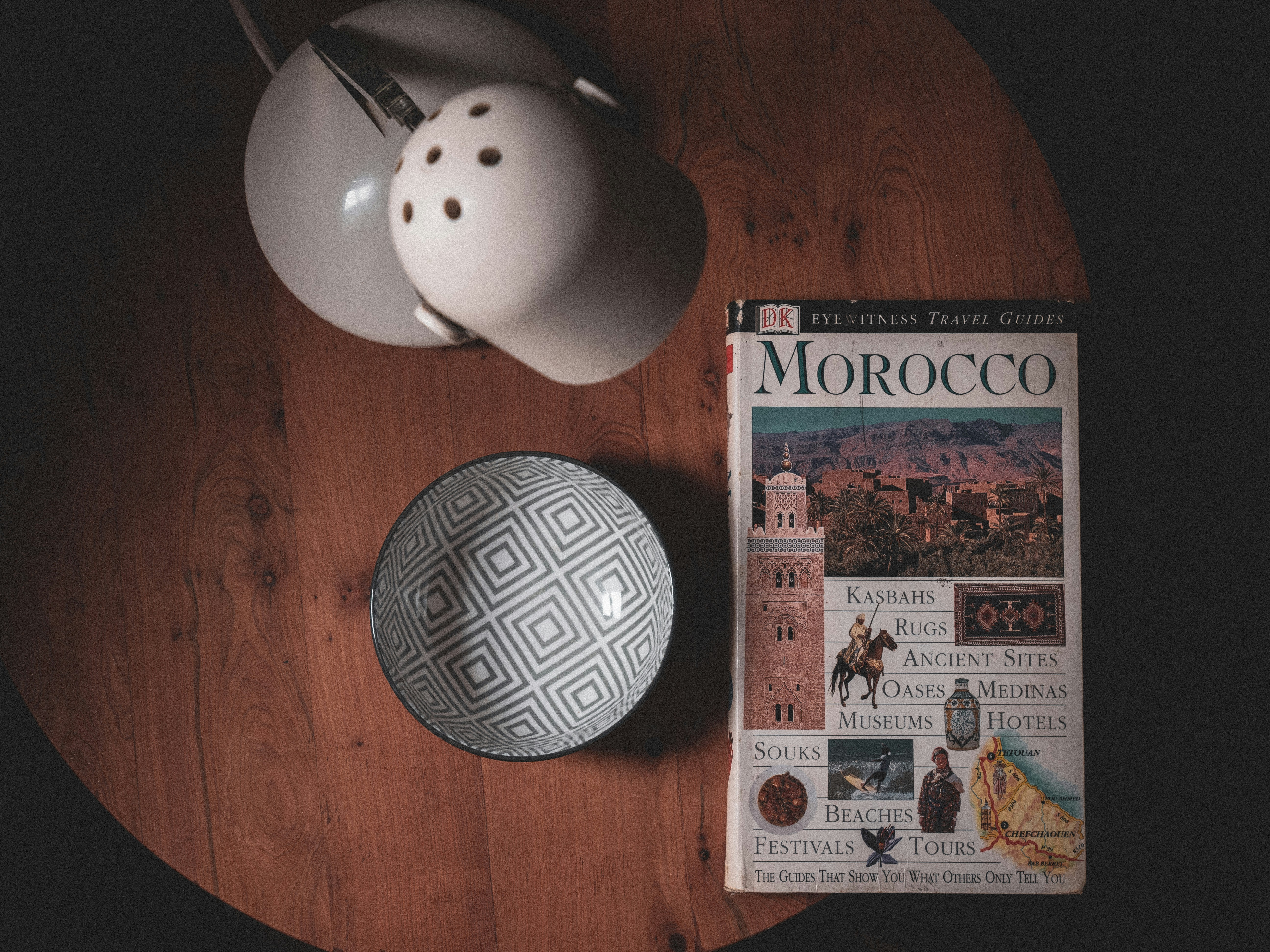
The cultural contrasts between Egypt and Morocco are profound, with Egypt leaning more towards ancient heritage while Morocco emphasizes a blend of Berber, Arab, and European influences. This multifaceted cultural tapestry can be seen in the cuisines, festivals, and local customs, each providing travelers with unique experiences. As we dive deeper into this travel comparison, it is essential to appreciate how each country’s landscapes—from Egypt’s deserts and river valleys to Morocco’s coastal cities and mountain ranges—shape the overall travel narrative.
In the following sections, we will examine the distinctive elements of travel experiences in both Egypt and Morocco, analyzing their historical significance, the warmth of local hospitality, culinary delights, and the myriad of activities available for exploration. Understanding these factors will enable travelers to make informed decisions on which destination aligns with their preferences and expectations.
Cultural Heritage: Ancient Wonders vs. Vibrant Traditions
Egypt’s cultural heritage is profoundly marked by its ancient civilization, which boasts some of the most astonishing architectural achievements in human history. The pyramids at Giza, a UNESCO World Heritage site, stand as a testament to the ingenuity of ancient Egyptians, showing their advanced understanding of mathematics and engineering. Additionally, the temples of Luxor and Karnak offer a glimpse into religious practices and societal structures from thousands of years ago. Museums, such as the Egyptian Museum in Cairo, house invaluable artifacts that narrate the nation’s rich history, including the treasures of Tutankhamun.
In contrast, Morocco presents a vibrant tapestry of cultural influences, with a blending of Berber, Arab, and French traditions evident across the nation. This diversity is symbolically reflected in the architectural styles found in cities such as Marrakech and Fez, where intricately designed riads and bustling souks flourish. Moroccan architecture features stunning tile work and elaborate carvings that narrate the history of its peoples and their interactions over centuries. Festivals, like the Fes Festival of World Sacred Music, draw international visitors and celebrate this multifaceted cultural heritage, while traditional markets (souks) offer a sensory overload of spices, textiles, and handicrafts.
While Egypt’s cultural heritage predominantly showcases its ancient history through monumental structures and archaeological sites, Morocco’s culture thrives on a more contemporary fusion of traditions. The country carries a legacy of storytelling through music, dance, and art, inviting travelers to immerse themselves in local practices. Ultimately, both nations provide a rich narrative of human civilization, captivating travelers with unique aspects of their cultural heritages.
Natural Landscapes: From the Sahara to the Nile
The natural landscapes of Egypt and Morocco present an intriguing contrast, revealing the diversity encompassed within North Africa. Morocco, characterized by its striking landscapes, boasts vast deserts, rugged mountains, and lush oases. One of the most notable features is the Sahara Desert, which covers a significant portion of this kingdom. This remarkable expanse of sand dunes, such as those found in Erg Chebbi and Erg Chigaga, showcases nature’s raw beauty and offers travelers an unparalleled experience. Oases like Merzouga and Skoura not only provide respite from the relentless sun but also epitomize the harmony between man and nature, with palm groves and traditional villages dotting the arid environment.

In contrast, Egypt’s topographical marvel lies in the Nile River, often referred to as the lifeblood of the nation. It flows through arid landscapes, giving life to agriculture and habitation along its banks. The historical significance of the Nile cannot be overstated; it was central to the rise of ancient Egyptian civilization. Major cities such as Luxor and Aswan are situated alongside this majestic river, and their stunning temples and tombs evoke a sense of wonder, highlighting the cultural heritage and connection to the natural world. Additionally, the surrounding areas, such as the picturesque deserts of the Western Desert and the Red Sea coast, add a layer of complexity to Egypt’s geography.
Both countries, while distinctly different in their geographies, offer enchanting landscapes that beckon travelers to explore their unique natural treasures. From the sweeping dunes and fertile oases of Morocco to the historic banks of the Nile in Egypt, the contrast provides an invaluable experience, enriching any journey through North Africa.
Cuisine: Flavor Profiles that Define Two Cultures
Cuisine serves as a pivotal lens through which we can examine the cultural identities of both Egypt and Morocco. Each nation boasts a rich culinary heritage, offering a tantalizing array of traditional dishes that not only satisfy the palate but also tell stories about their unique histories and customs. In Egypt, one can’t overlook the iconic dish of koshari, a hearty blend of rice, macaroni, lentils, and topped with a zesty tomato sauce and fried onions. This dish is emblematic of Egyptian comfort food and reflects the social fabric of the nation, often served in communal settings and enjoyed by people from various backgrounds.
Another staple of Egyptian cuisine is falafel, made primarily from ground fava beans or chickpeas. These golden-brown fritters are typically accompanied by tahini sauce and fulfill a significant role as street food. The consumption of falafel showcases the inheritance of culinary practices from ancient times to modern-day Egypt, bridging generations through shared flavors.
In contrast, Moroccan cuisine is renowned for its complex flavors and aromatic spices. The iconic tagine, a slow-cooked stew named after the earthenware pot in which it is cooked, perfectly embodies the Moroccan approach to food. Tagines can be made with a variety of ingredients, often incorporating lamb, chicken, or fish, paired with vegetables and an array of spices such as cumin, coriander, and saffron. These spices not only enhance the taste but also reflect Morocco’s historical ties to trading routes, melding influences from Africa, the Middle East, and even Europe.
Another quintessential dish, couscous, showcases the cultural importance of grains in Moroccan meals. Served traditionally with meat and vegetable options, the preparation of couscous is often a communal effort, implying that shared meals are a fundamental part of societal interaction in Morocco. The contrasting flavor profiles between Egyptian and Moroccan cuisines serve to illustrate the diversity of cultural narratives, with each dish uniquely contributing to the identity of its people.

Major Attractions: Must-See Sites in Each Country
Both Egypt and Morocco offer a wealth of remarkable attractions, each steeped in history and culture, making them top-tier destinations for any traveler. In Egypt, one of the most iconic sites is the Great Pyramids of Giza, standing as a monumental achievement of ancient engineering. Visitors are awestruck by the grandeur of these structures, which date back to around 2580–2560 BC, and the nearby Sphinx adds an aura of mystery and intrigue. The pyramids serve as a reminder of Egypt’s rich archaeological heritage, drawing millions of tourists yearly.

- 【Great Addition to Your Lego Set】This LED light kit is specially designed for the Lego 21058 Great Pyramid of Giza build…
- 【LED Light Set ONLY】Please warmly note that only the light kit is provided. All LEGO sets shown in images and videos are…
- 【Cool Gift Choice】This light kit would light up your Lego set, making it a great birthday gift, holiday present for kids…
Another significant attraction in Egypt is the Luxor Temple, located on the east bank of the Nile River. This grand temple, dedicated to the Theban triad of Amun, Mut, and Khonsu, showcases stunning architecture and intricate carvings, giving travelers insight into the spiritual life of ancient Egyptians. Meanwhile, the Valley of the Kings, a short drive from Luxor, houses elaborate tombs of pharaohs, including that of Tutankhamun. This valley remains one of the most important archaeological sites in the world.
In contrast, Morocco offers enchanting sites, such as the bustling Medina of Marrakech. This vibrant market is a UNESCO World Heritage site, where visitors can explore the labyrinthine streets lined with stalls selling spices, textiles, and handcrafted goods. The Medina is a sensory delight and a perfect example of Moroccan culture and hospitality. Beyond the city, the Atlas Mountains provide stunning natural scenery and opportunities for trekking and exploring Berber villages.
Overall, both Egypt and Morocco present stunning attractions that tell compelling stories of their respective cultures. Travelers cannot miss these enriching experiences, whether marveling at the ancient wonders of Egypt or immersing themselves in the vibrant life of Morocco.
Transportation: Getting Around in Egypt vs. Morocco
When traveling in Egypt and Morocco, travelers have various transportation options that cater to different preferences and budgets. Understanding these options is essential for optimizing travel experiences in each country.

In Egypt, the public transportation system revolves mainly around buses and taxis. The buses are generally affordable and cover extensive routes, though they can be crowded and may lack English signage, which can pose challenges for non-Arabic speakers. For a more convenient option, taxis are widely available and are a popular choice among tourists. While traditional taxis are metered, ride-hailing apps like Uber and Careem have gained popularity, providing a more transparent pricing system and added convenience.
Train services in Egypt are quite developed, particularly between major cities such as Cairo and Alexandria. The trains provide a comfortable travel experience, though the quality can vary significantly, with some trains being very outdated. Booking in advance is advisable, especially during peak travel seasons. Additionally, domestic flights are an option for longer distances, such as traveling to Luxor or Aswan, which can save time but come at a higher cost.
In contrast, Morocco’s transportation system offers different advantages. The country has a reliable train service, operated by ONCF, which connects major cities adequately and is generally comfortable. Trains also offer scenic views of the countryside. Additionally, buses provide an alternative for reaching destinations not serviced by trains, with services like CTM being known for their reliability and comfort.
Taxis in Morocco come in two forms; shared taxis, known as “grand taxis,” which operate on set routes and can accommodate several passengers, and private taxis, which are best for those seeking more comfort and convenience. Ride-hailing services are also available in some cities, making navigation easier for tourists.
Overall, both Egypt and Morocco present various methods of transportation, each with its pros and cons. The choice will largely depend on travelers’ individual needs, budgeting considerations, and preferred travel styles.
Accommodations in Egypt and Morocco
When traveling to Egypt and Morocco, visitors are presented with a diverse range of accommodation options that cater to various budgets and preferences. In Egypt, particularly in cities like Cairo and Luxor, travelers can indulge in opulent luxury hotels that offer breathtaking views of the Nile River and iconic monuments. Hotels such as the Four Seasons, the Nile Ritz-Carlton, and Sofitel offer top-tier amenities, fine dining, and exceptional service, making for an unforgettable stay.
For a unique experience, many travelers opt for cruise ships on the Nile, which serve as both a mode of transport and an accommodation option. These floating hotels provide a comfortable environment to explore ancient ruins while soaking in the picturesque landscapes along the riverbanks. Experiences often include guided tours of famed sites such as the Pyramids of Giza, Luxor Temple, and the Valley of the Kings.
On the other hand, Morocco features a mix of luxury hotels, boutique riads, and budget hostels. The cultural significance of riads cannot be overlooked—they offer visitors a chance to immerse themselves in the local architecture and hospitality. Unlike hotels, these traditional Moroccan houses, often adorned with intricate tile work and lush courtyards, provide a tranquil atmosphere in bustling medinas. Cities like Marrakech, Essaouira, and Fes showcase a variety of riads that range from affordable to upscale, each with a distinct character.
For budget-conscious travelers, both countries host numerous hostels and guesthouses, which often provide shared accommodations and a friendly atmosphere. These options allow visitors to mingle with fellow travelers while exploring either Egypt or Morocco on a budget. Public transport options are typically accessible, making it easy for guests to explore nearby attractions regardless of their accommodation choice. Each traveler’s preference will dictate their options, ensuring that whether it be luxury or budget, both destinations offer memorable places to stay.
Local Customs and Etiquette: Navigating Cultural Differences
When traveling to Egypt and Morocco, understanding local customs and etiquette is crucial to ensuring respectful and enriching interactions. Both countries have rich histories that are reflected in their customs, and being aware of these practices can enhance your travel experience.
In Egypt, greetings are often warm and familial. A customary greeting may involve handshakes, and between individuals of the same gender, it is common to engage in polite conversation before discussing business or other matters. Travelers should be aware that Egyptians appreciate it when visitors use basic Arabic phrases, such as “salam” for hello, which can go a long way in establishing rapport. Regarding dress code, it is advisable to dress modestly, especially when visiting religious sites. For women, it is recommended to cover the shoulders and knees, while men should avoid wearing shorts in such contexts.
Similarly, Morocco values politeness and respect in social interactions. A common greeting involves the phrase “salam alaikum, ” followed by a handshake. However, it is essential to note that Moroccan culture places significant importance on the concept of personal space; therefore, maintaining a respectful distance is essential, especially when interacting with individuals of the opposite gender. Furthermore, Morocco has some unique traditions concerning hospitality; it is customary to accept an invitation for tea or a meal, as refusing can be perceived as impolite. When it comes to attire, modest clothing is also recommended here, particularly in rural areas and surrounding mosques, where both men and women are advised to dress conservatively.
Understanding these key cultural norms will facilitate smoother interactions during your travels in Egypt and Morocco. Being sensitive to local customs not only reflects respect for the host culture but also enriches the travel experience.
Final Thoughts: Choosing Your Adventure
When considering a visit to either Egypt or Morocco, travelers encounter two destinations rich in history, culture, and unique landscapes. Egypt, renowned for its ancient civilization, is home to the iconic pyramids of Giza, the majestic temples of Luxor, and the vast Nile River. For history enthusiasts and those drawn to archaeological wonders, Egypt offers a profound glimpse into a civilization that has shaped human history. In contrast, Morocco entices with its vibrant cultural tapestry, illustrated through the bustling markets of Marrakech, the serene landscapes of the Sahara Desert, and the coastal charm of cities like Essaouira. Those seeking adventure in the form of trekking, camel rides, and immersive experiences in local customs will find Morocco appealing.
It is essential for travelers to assess their interests when choosing between these destinations. For individuals whose primary focus is to delve deep into historical exploration, a tour in Egypt may prove to be the most rewarding experience. Visitors can witness ancient artifacts in museums and explore archaeological sites, all while enjoying the enchanting views along the Nile.
On the other hand, travelers interested in cultural immersion should consider Morocco. The country’s festivals, local cuisine, and diverse landscapes present plentiful opportunities for making unforgettable memories. For those who value both exploration and relaxation, Morocco offers a chance to experience the tranquility of its mountains and deserts, juxtaposed with the excitement of its urban life.
Both Egypt and Morocco have their unique adventures and attractions, allowing for varied travel experiences. Ultimately, making a choice between the two destinations will depend on individual interests and the type of travel experience one seeks. Consider what aspects do you prioritize on your journey—be it historical discovery, cultural engagement, or adventure—and allow those preferences to guide your decision.