
Top 10 Unforgettable Things to Do in Peru: The Ultimate Travel Guide for Culture Lovers and Adventure Travelers
Welcome to Peru
Peru, a country nestled on the western edge of South America, is a treasure trove of cultural wealth and breathtaking landscapes. It stands as a remarkable destination, attracting an array of travelers, from adventurous souls seeking adrenaline-pumping experiences to culture enthusiasts eager to delve into rich historical legacies. Known for its breathtaking variation—from the majestic peaks of the Andes to the lush, verdant Amazon rainforest—Peru offers a unique blend of natural beauty and significant cultural depth.

As the home of the ancient Inca civilization, Peru boasts iconic archaeological sites such as Machu Picchu, which continues to ignite the imaginations of visitors worldwide. The vibrant cities, such as Cusco and Lima, serve as living galleries of history and tradition, where colonial architecture coexists harmoniously with indigenous practices, captivating all who wander through their streets. The vibrant colors of local marketplaces, the tantalizing aromas of traditional cuisine, and the rhythms of folk music create a sensory experience that beckons travelers to explore deeper.
Peru is more than just its stunning landscapes; it is a rich tapestry of cultures, with a diverse population that embodies the harmonization of ancient traditions with modern influences. Travelers can engage with local communities through immersive experiences, learning about their customs, traditions, and the indelible impact of the past on their present lives. For adventure lovers, Peru offers numerous opportunities, including trekking, exploring the Amazon, and indulging in water sports along its picturesque coastline.
Whether one seeks adventure or desires to soak in the diverse history, Peru’s unparalleled offerings create a compelling narrative of exploration and discovery. As we delve into the top 10 unforgettable experiences in Peru, prepare to be inspired by the incredible blend of adventure and culture that awaits.
Explore the Ancient Machu Picchu
Machu Picchu, often referred to as the “Lost City of the Incas,” holds immense historical significance as a prominent symbol of the Inca Empire. This archaeological marvel dates back to the 15th century and is nestled high in the Andes Mountains of Peru, showcasing remarkable ingenuity in its construction and purpose. Considered one of the New Seven Wonders of the World, Machu Picchu is renowned for its stunning terraced landscapes, intricate stone architecture, and the spiritual aura that envelops the site.
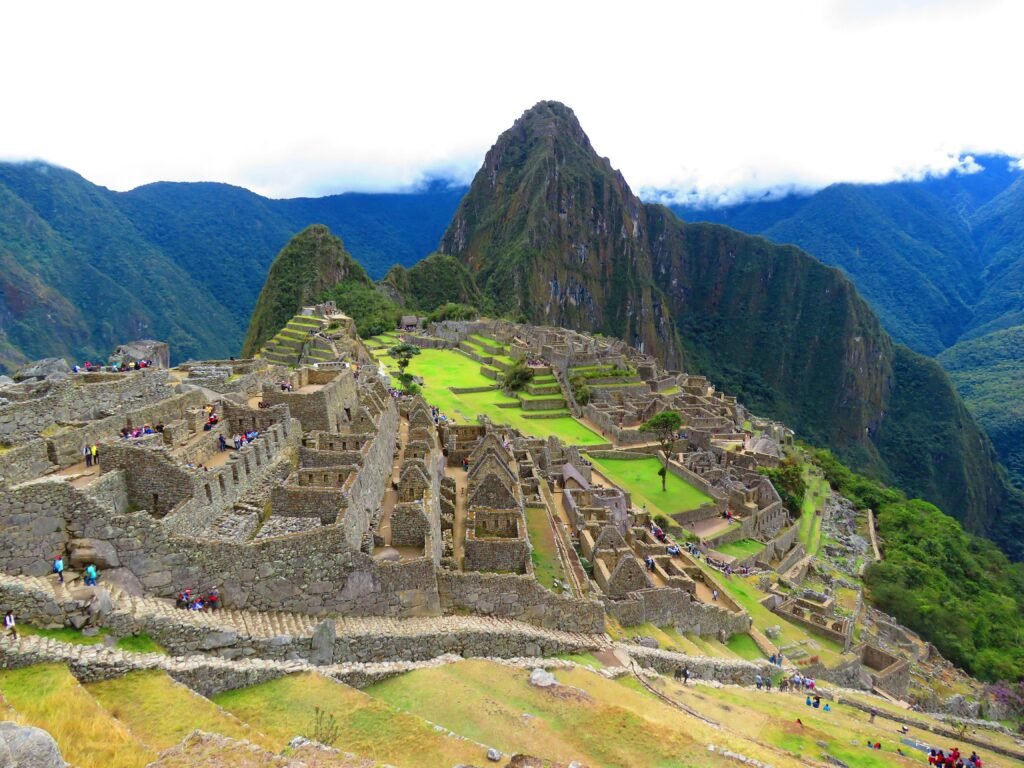
Reaching Machu Picchu involves a journey that starts in the city of Cusco, the gateway to the Sacred Valley. Travelers typically opt for a combination of train and bus routes to ascend to the site. The train ride, operated by PeruRail or IncaRail, offers scenic views of the captivating Andean terrain, making it an integral part of the overall experience. Upon arrival, visitors are met with a breathtaking vista that reveals the majestic ruins above the lush valleys below.
The best time to visit Machu Picchu is during the dry season, which runs from May to September. This period offers clearer skies and more favorable weather conditions for hiking and exploring. However, it is essential to note that Machu Picchu can attract significant crowds during peak tourist months. Planning to visit early in the morning or late afternoon can enhance the experience by providing a quieter atmosphere.
For travelers aiming to optimize their visit, consider purchasing tickets in advance, as entry numbers are limited to preserve this UNESCO World Heritage site. Additionally, hiring a knowledgeable guide can enrich the experience by offering insights into the rich history and spiritual significance of Machu Picchu. Understanding the cultural context adds depth to the visit, ensuring that this unforgettable journey into the heart of Inca civilization remains etched in memory.
Wander the Historic Streets of Cusco
Cusco, once the vibrant heart of the Incan Empire, offers a unique blend of history, culture, and architecture that captivates every traveler. As you wander the historic streets of Cusco, you will notice the striking contrast between ancient Incan structures and later colonial buildings, which narrate the city’s rich heritage. The streets are adorned with cobblestones, and every corner reveals a new facet of the city’s past, making it a remarkable destination for culture lovers.
A must-see attraction in Cusco is Sacsayhuamán, an impressive archaeological complex situated just outside the city. This monumental site is known for its enormous stone walls, constructed with precision that reflects the ingenuity of Incan engineering. The panoramic views of the city from Sacsayhuamán are breathtaking, and visitors can partake in guided tours to learn about its historical significance and role in Incan society.
Another prominent site is the Qorikancha, or Temple of the Sun, which is a blend of Incan and colonial architecture. Originally dedicated to Inti, the sun god, the temple was one of the most significant in the Incan religion. After the Spanish conquest, it was transformed into the Church of Santo Domingo. Visiting Qorikancha allows travelers to appreciate the impressive craftsmanship of both the Incas and colonial architects.
To fully experience the local culture, explore the vibrant markets, such as San Pedro Market, where vendors sell everything from fresh produce to artisanal handicrafts. Engaging with local vendors and sampling traditional Peruvian dishes will enrich your understanding of Cusco’s dynamic culture. Spend time in charm-filled plazas like Plaza de Armas, where locals gather, and festivities abound. By immersing yourself in Cusco’s unique blend of history and contemporary life, you will undoubtedly create unforgettable memories of this enchanting city.
Sample Traditional Cuisine in Lima
Lima, the capital city of Peru, has established itself as a gastronomic capital and a must-visit destination for culinary enthusiasts. Renowned for its unique blend of indigenous ingredients and influences from various immigrant populations, Lima’s culinary scene is a tapestry of flavors that reflects the rich history of Peru. Visitors here can savor a diverse array of dishes that not only tantalize the taste buds but also tell stories of Peruvian culture.
One of the most iconic dishes to try in Lima is ceviche, which consists of raw fish marinated in freshly squeezed lime or lemon juice, seasoned with chili peppers, and accompanied usually by onions and cilantro. This dish is not merely a meal; it is a cultural symbol for Peruvians, representing the bounty of the Pacific Ocean. Another traditional favorite is lomo saltado, a stir-fried beef dish that intermingles Chinese and Peruvian flavors, exemplifying the country’s unique food fusion.
For those looking to explore Lima’s dining scene, several high-profile restaurants are recommended. Central, ranked among the best in the world, offers an innovative menu that honors local ingredients. Astrid y Gastón, another gem, focuses on the rich flavors of Peruvian cuisine led by celebrity chef Gastón Acurio. For a more casual experience, the streets of Lima are filled with numerous food stalls and markets where visitors can enjoy authentic street food. Notable spots include Mercado de Surquillo, where you can taste fresh ceviche made by local vendors.
Food occupies an essential role in Peruvian culture, serving not just as sustenance but also as a medium for social interaction, celebration, and heritage. When in Lima, indulging in its traditional cuisine is more than a culinary adventure; it is a way to engage with the very heart of Peruvian identity.
Discover the Sacred Valley
The Sacred Valley of the Incas, located in Peru, is an enchanting region that captivates travelers with its breathtaking landscapes, rich history, and vibrant culture. Nestled between the mountains and the Urubamba River, the valley is adorned with ancient ruins, traditional Andean villages, and agricultural terraces that showcase the ingenuity of the Inca civilization.

One of the must-visit sites within the Sacred Valley is Ollantaytambo, a remarkable town that serves as a living Inca site. The town’s architecture, with its narrow streets and stone buildings, reflects its historical significance. Visitors can explore the impressive Ollantaytambo fortress, which offers panoramic views of the valley and remains a testament to the engineering prowess of the Incas. The site is not only an architectural wonder but also rich in cultural significance, making it an essential stop for anyone traveling to Peru.
Another notable destination is Pisac, famous for its vibrant market and stunning archaeological sites. The Pisac ruins are set high above the town, providing an extraordinary glimpse into Inca agricultural practices and spectacular views of the valley. On Sundays, the market comes alive with local artisans offering traditional crafts, textiles, and fresh produce, providing visitors with an opportunity to immerse themselves in the local culture.
For adventure enthusiasts, the Sacred Valley offers a plethora of outdoor activities. Hiking trails such as the Inca Trail and shorter treks lead to stunning vista points and allow travelers to connect with nature. Biking along the valley’s trails provides an exhilarating way to explore the diverse landscapes, including breathtaking mountains, lush fields, and quaint villages. Whether you seek history, culture, or adventure, the Sacred Valley promises an unforgettable experience that captures the essence of Peru’s rich heritage.
Experience Lake Titicaca
Lake Titicaca, situated at an altitude of 3,812 meters (12,507 feet), is renowned as the highest navigable lake in the world. This magnificent body of water straddles the border between Peru and Bolivia, spreading over an area of approximately 8,372 square kilometers. Its deep azure waters and dramatic mountain backdrop evoke a sense of tranquility and wonder. Lake Titicaca holds significant cultural importance in Andean society; it is not only a crucial source of water and life for local communities but also a site rich in myths and legends that are integral to the region’s heritage.
Among the most fascinating features of Lake Titicaca are the unique floating islands of the Uros people. Constructed from totora reeds, these islands are the result of a centuries-old tradition where the Uros people create their own habitats on the water. Visitors to Lake Titicaca can take guided boat tours to explore these islands, where they can witness firsthand the craftsmanship involved in the creation of homes, boats, and various artifacts made from totora reeds. Interacting with the Uros community provides invaluable cultural exchange opportunities, allowing travelers to engage with their rich history and vibrant lifestyles.
In addition to visiting the floating islands, Lake Titicaca offers visitors an array of stunning viewpoints. The surrounding hills and mountains provide a breathtaking panorama of the lake and its islands, particularly at sunrise or sunset when the landscape is bathed in warm hues. Whether you choose to embark on a leisurely boat tour, participate in local festivals, or simply absorb the serene beauty of this enchanting lake, Lake Titicaca is a must-visit destination for those seeking to immerse themselves in the natural and cultural wealth of Peru.
Explore the Amazon Rainforest
The Amazon Rainforest, often referred to as the “lungs of the Earth,” is a vast and vibrant ecosystem that spans across several South American countries, including Peru. This region of Peru boasts rich biodiversity, with countless species of flora and fauna that are unique to the area. Home to more than 40,000 plant species, 2.5 million insect species, and an abundance of wildlife, the Amazon offers a rare glimpse into one of the most intricate ecosystems on our planet.
Puerto Maldonado serves as the gateway to the Peruvian Amazon, providing travelers with access to numerous eco-tourism opportunities. This small town is surrounded by protected areas, such as the Tambopata National Reserve and the Bahuaja Sonene National Park, known for their stunning landscapes and remarkable wildlife. Visitors can encounter various species, including jaguars, capybaras, giant river otters, and a plethora of exotic birds, making it a paradise for nature enthusiasts and wildlife photographers alike.



Exploring the Amazon Rainforest can be a transformative experience. Guided tours are a popular way to immerse oneself in the natural beauty and learn about the rich cultural heritage of indigenous communities. These tours often include activities such as jungle hikes, canoeing along the river, and nighttime wildlife spotting. Canopy walks are particularly thrilling, allowing travelers to experience the rainforest from above and observe its unique ecosystems.
Moreover, visitors can engage in sustainable practices by choosing eco-friendly lodges that contribute to conservation efforts. By supporting these initiatives, travelers can enjoy the breathtaking beauty of the Amazon while helping to protect its fragile environment for future generations. Engaging with the Amazon’s incredible biodiversity is not just an adventure; it is a vital step towards understanding and preserving one of the most important ecological regions on Earth.
Hike the Inca Trail
The Inca Trail is one of the most iconic hiking routes in the world, renowned not only for its breathtaking views but also for its rich historical significance. Spanning approximately 26 miles, this trek leads you through enchanting valleys, rugged mountains, and ancient Incan ruins, all culminating at the magnificent Machu Picchu. Before embarking on this adventure, it’s essential to adequately prepare, both physically and logistically.
Preparation is key when hiking the Inca Trail. Begin by enhancing your fitness levels with cardiovascular activities such as running or hiking. The trail features varied altitudes, reaching up to 13,828 feet at its highest point, so acclimatization is crucial. Ensure you have appropriate gear, including quality hiking boots, a durable backpack, and layers of moisture-wicking clothing to adapt to the changing weather.
As you set out on the trail, expect a mix of moderate to strenuous sections. The trek typically takes four days, where hikers pass through diverse ecosystems, ranging from highland wetlands to lush cloud forests. Notable stops include the ancient ruins of Wiñay Wayna and Dead Woman’s Pass. The serenity of the trail is juxtaposed with the echoes of history, reflecting the ingenuity of the Inca civilization.
For those less inclined towards long-distance hiking, shorter alternatives such as the One-Day Inca Trail hike or the Lares Trek offer different experiences while still immersing visitors in the stunning landscapes and captivating culture of Peru. Regardless of the chosen route, the sense of achievement upon reaching Machu Picchu is unparalleled. The awe-inspiring panoramas and intricate masonry of this ancient citadel create memories that will last a lifetime.
Visit the Nazca Lines
The Nazca Lines, located in the arid coastal desert of Peru, are a collection of immense geoglyphs that date back to between 500 B.C. and 500 A.D. These ancient drawings, depicting various animals, plants, and geometric shapes, cover an area of around 1,000 square kilometers and have intrigued archaeologists and travelers alike for centuries. The origin and purpose of the Nazca Lines remain shrouded in mystery, prompting numerous theories ranging from astronomical calendars to religious rituals. Their sheer size and intricate designs are a testament to the ingenuity of the Nazca culture.



Experiencing the Nazca Lines is an unforgettable part of any travel itinerary in Peru. The most popular way to view these colossal figures is from the sky, with numerous companies offering aerial tours in small aircraft. From the air, visitors can fully appreciate the scale and precision of the lines, making this the most immersive way to witness their magnificence. Observation towers are also available near the Pan-American Highway, providing a vantage point from which a few of the geoglyphs can be partially seen. However, these viewpoints do not capture the full scope of the designs as effectively as the aerial tours do.
To ensure a memorable experience while visiting the Nazca Lines, it is advisable to book flights in advance due to demand, especially during peak tourist seasons. Additionally, travelers should check the weather conditions as clouds can obstruct views. For those prone to motion sickness, it is advisable to take precautions before embarking on a flight over the lines. Regardless of how one chooses to view these ancient marvels, the Nazca Lines offer a breathtaking connection to humanity’s past that continues to fascinate adventurers and culture lovers.
Experience Local Festivals and Traditions
Peru is a country steeped in rich cultural heritage, and its local festivals are a vibrant reflection of this diversity. The annual celebrations showcase a blend of indigenous traditions and colonial influences, making them a fascinating experience for both culture lovers and adventure travelers. One of the most remarkable events is the Inti Raymi, or Festival of the Sun, held every June in Cusco. This ancient Incan festival commemorates the winter solstice and honors the sun god, Inti. Visitors can witness vibrant parades, traditional dances, and a dramatic ceremonial reenactment at the Sacsayhuamán fortress, providing an immersive glimpse into Peru’s pre-Hispanic roots.
Another significant celebration is the Carnaval, taking place in various regions across the country, most notably in Cajamarca. This festival, characterized by colorful parades, music, and lively street parties, marks the festive season leading up to Lent. Participants engage in playful water fights and foam battles, allowing travelers to directly partake in the amusing traditions of the local communities. To fully savor these experiences, it is advisable for visitors to research the specific dates and locations of these festivals, as they can vary annually.
Travelers looking to immerse themselves further can consider attending workshops or community gatherings leading up to the events. This not only enhances the understanding of the traditions but also fosters connections with the locals. It is essential to respect local customs and dress appropriately, as many festivals have specific attire associated with them. Embracing the lively spirit of Peruvian festivals ensures that your journey becomes an unforgettable celebration of culture and community.
Conclusion: Plan Your Peruvian Adventure
Embarking on a journey to Peru is an invitation to explore a land rich in cultural heritage and breathtaking landscapes. With an array of experiences that cater to both culture lovers and adventure travelers, this country promises to leave an indelible mark on every visitor. From the majestic ruins of Machu Picchu to the vibrant streets of Cusco, each destination offers unique insights into Peru’s diverse history and natural beauty.
Planning your Peruvian adventure is crucial for maximizing your experience. Begin by researching the various regions you wish to visit, ensuring you allocate ample time to immerse yourself in the local culture and interact with the friendly inhabitants. Each area, be it the lush Amazon rainforest, the arid coastal regions, or the towering Andes mountains, provides a distinct perspective on the nation’s multifaceted identity.
As you prepare for your trip, consider practical travel tips such as the best times to visit, necessary permits for trekking, and essential packing items. Ensuring you stay hydrated and acclimatized, especially in higher altitudes, will enhance your overall experience. Moreover, connecting with local guides can enrich your adventure, providing context and knowledge that formal tours may lack.
Utilize available resources such as travel blogs, local tourism websites, and social media travel groups to gather insights and recommendations. Incorporating suggestions from previous travelers can lead to hidden gems and unforgettable experiences beyond the well-trodden tourist paths. Ultimately, embracing the adventure that is Peru is just as much about the planning as it is about the journey itself. Let the allure of this vibrant country inspire your travel plans, ensuring a trip filled with remarkable memories.