
5 Best Places to Visit in Jordan
Introduction to Jordan: A Land of Rich Heritage
Jordan, a small yet remarkably diverse country located in the heart of the Middle East, is often regarded as a jewel of historical and cultural significance. It boasts an array of attractions that reflect its rich heritage, making it an essential destination for travelers seeking both adventure and an immersive experience in ancient civilizations. From the iconic ruins of Petra to the tranquil waters of the Dead Sea, Jordan captivates visitors with its unique blend of history, culture, and stunning natural landscapes.
The country’s strategic location has turned it into a crossroads of various civilizations. Throughout history, Jordan has played host to a multitude of cultures, each leaving an indelible mark on its historical tapestry. The ancient city of Petra, one of the New Seven Wonders of the World, is a testament to the Nabatean civilization and their remarkable architectural innovations, while the Roman ruins in Jerash offer insight into the prowess of ancient engineering. This rich cultural heritage serves as a significant draw for those interested in learning more about human history.
In addition to its historical marvels, Jordan is adorned with breathtaking landscapes. The dramatic desert landscapes of Wadi Rum and the lush greenery of the Jordan Valley provide captivating backdrops for outdoor enthusiasts. Moreover, Jordan’s hospitable culture is renowned for warm hospitality and culinary delights, inviting travelers to engage with locals and savor authentic dishes that tell the story of the land.
With its abundant attractions and deep-rooted history, Jordan stands as a must-visit destination for first-time travelers and cultural enthusiasts alike. Whether it is exploring its ancient ruins or soaking in its natural wonders, Jordan promises an enriching experience that resonates well beyond the journey itself.
Petra: The Rose City
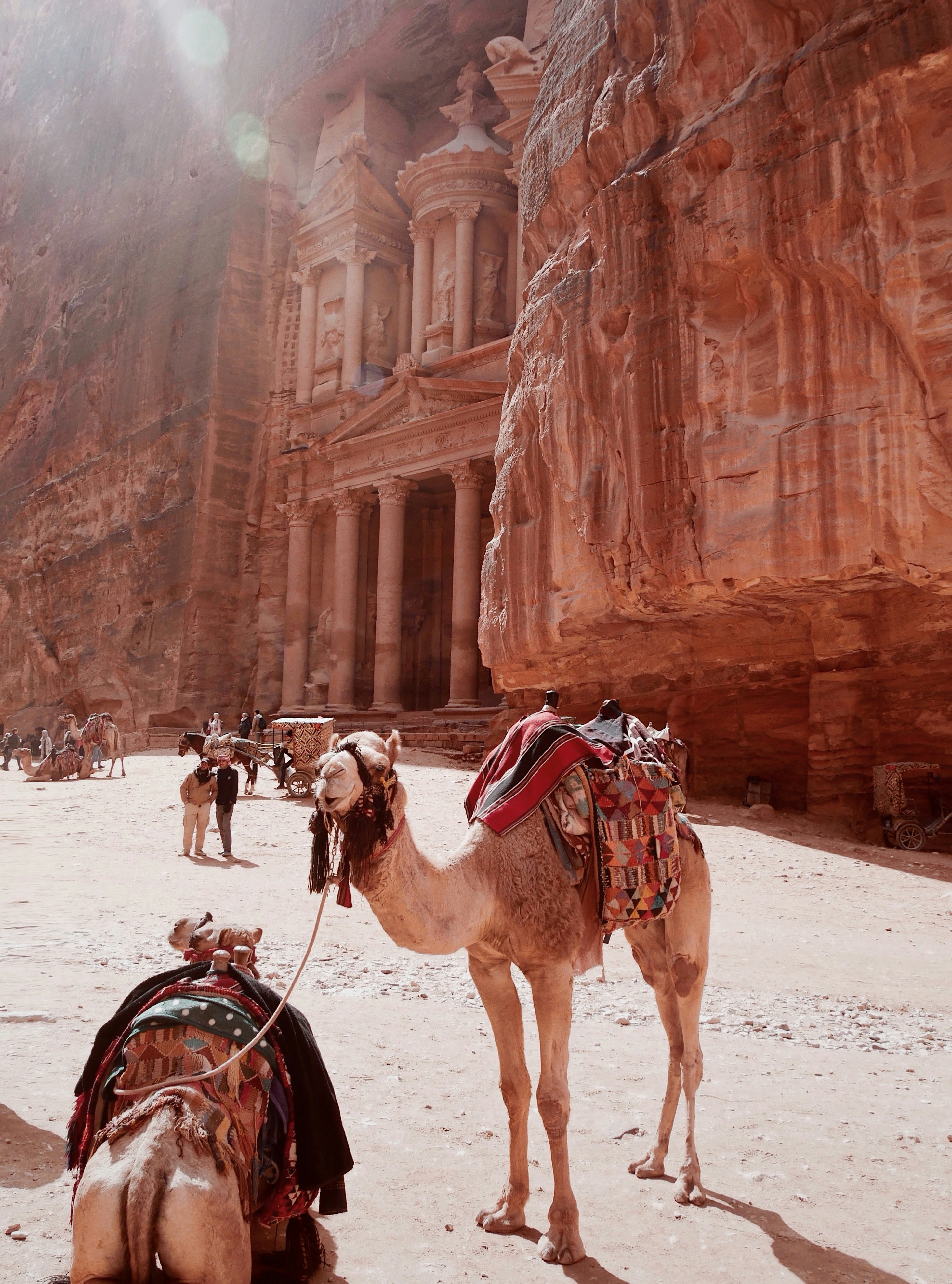
Petra, often referred to as the Rose City due to the color of its sandstone cliffs, is an extraordinary UNESCO World Heritage Site nestled in the Jordanian mountains. This ancient city, which was once the capital of the Nabataean Kingdom, is renowned for its striking rock-cut architecture and complex water conduit system, which allowed it to thrive in the harsh desert environment. The historical significance of Petra cannot be overstated, contributing to its recognition as one of the New Seven Wonders of the World.

Upon arriving at Petra, visitors are greeted by the breathtaking facades carved from the vibrant rose-hued rock, with the Al-Khazneh, or the Treasury, being the most iconic structure. This monumental tomb stands 40 meters high and is intricately adorned with Hellenistic architecture, drawing countless tourists every year. Another remarkable site within Petra is the Monastery, also known as Ad Deir, which is even larger than the Treasury and offers a spectacular panoramic view of the surrounding landscape.
Traveling to Petra requires careful planning, especially regarding ticket prices and tour options. As of the latest updates, entrance fees may vary based on the duration of your stay, with options ranging from a one-day to three-day pass. Guided tours are highly recommended, as they provide valuable insight into the rich history and the cultural significance of this ancient city. Safety is also paramount; while Petra is generally considered a safe destination for tourists, it’s wise to be mindful of common travel precautions.
The allure of Petra, marked by its timeless beauty and an intriguing history, makes it an essential stop for anyone traveling to Jordan. The experience of exploring its vast archaeological treasures is nothing short of mesmerizing, setting it apart as a jewel of the Middle East.
Wadi Rum: The Valley of the Moon
Wadi Rum, often referred to as the “Valley of the Moon,” is a remarkable desert landscape located in southern Jordan. This UNESCO World Heritage Site is known for its breathtaking sandstone mountains, vast desert plains, and striking rock formations. The dramatic scenery has made Wadi Rum a favored location for filmmakers, serving as the backdrop for many notable movies, including “Lawrence of Arabia” and “The Martian.” This cultural significance coupled with its natural beauty draws travelers from all over the globe.
The region is home to the Bedouin people, who have lived in harmony with this stunning environment for centuries. Visitors have the opportunity to immerse themselves in Bedouin culture, which is characterized by hospitality, traditional music, and unique culinary experiences. Engaging with the local Bedouins allows travelers to gain insight into their lifestyle and customs, enriching the overall experience of visiting Wadi Rum.
There are numerous activities available to explore this natural wonder. Jeep tours are a popular way to cover more ground while taking in the breathtaking vistas. For a more peaceful experience, hot air balloon rides offer a serene way to enjoy the desert at sunrise. Camel trekking is another iconic method to traverse the landscape, allowing visitors to appreciate the area at a leisurely pace. Regardless of the chosen activity, safety and respect for local customs are paramount. It is advisable to dress conservatively, listen to local guides, and avoid disrespecting the natural environment.
To fully enjoy Wadi Rum, consider timing your visit during the cooler months from October to April, when temperatures are more comfortable for outdoor activities. Whichever way you choose to experience this extraordinary desert, Wadi Rum promises to leave a lasting impression on your journey through Jordan.
The Dead Sea: A Natural Wonder
The Dead Sea, situated at the lowest point on Earth, is renowned for its unique hyper-saline waters and mineral-rich mud, making it a remarkable destination for travelers seeking both relaxation and rejuvenation. The salinity of the Dead Sea is approximately ten times greater than that of average sea water, allowing visitors to experience the unusual sensation of effortlessly floating on its surface. This phenomenon adds to the allure of this extraordinary body of water, which has been celebrated since ancient times.


Culturally, the Dead Sea holds significant importance in various historical contexts, featuring prominently in biblical stories. It is often associated with the cities of Sodom and Gomorrah and is mentioned in several religious texts, enhancing its status as a sacred site for many. The mineral-rich mud from the shores is believed to possess therapeutic properties, making it a sought-after remedy for skin conditions and other ailments. The combination of its historical significance and health benefits has drawn countless visitors over the years.
When planning a visit to the Dead Sea, it is important to consider accommodation options, which range from luxury resorts to more budget-friendly hotels. Many of these establishments offer spa services that utilize the unique minerals found in the Dead Sea, providing guests with a comprehensive wellness experience. Furthermore, it is essential to follow safety guidelines while enjoying activities such as floating or applying mud; it is advisable to avoid getting the saline water in your eyes and to consult facility staff regarding safe practices.
For those looking to unwind, the Dead Sea remains an unforgettable destination, combining natural wonders with rich cultural history, ensuring visitors leave with both relaxation and inspiration.
Jerash: A Glimpse into Ancient Roman History
Located approximately 48 kilometers north of Amman, Jerash is one of the best-preserved Roman ruins outside of Italy. This ancient city, once part of the Decapolis, offers a fascinating insight into Roman urban planning and architecture. Visitors can explore the impressive ruins that include grand temples, theaters, and colonnaded streets, all of which reflect the prosperity of Jerash in ancient times.
The highlight of Jerash is undoubtedly the Oval Plaza, a large elliptical space surrounded by a portico of colonnades. This architectural landmark is complemented by the nearby Nympharium, a beautiful fountain area, and the impressive Temple of Zeus, which sits atop a hill, providing stunning views of the area. The South Theater, carved into the hillside, is another remarkable feature, capable of seating around 3,000 spectators and noted for its exceptional acoustics.
To make the most of your visit to Jerash, timing is crucial. The best period to experience this ancient marvel is during the spring or fall, when the weather is mild and conducive for exploring the extensive site. Arriving early in the day not only allows for cooler temperatures but also helps in avoiding the larger crowds that gather later. Make sure to wear comfortable walking shoes, as navigating the uneven terrain can be challenging.
After a day of exploring the majestic ruins, visitors have several dining options nearby. Local restaurants serve traditional Jordanian cuisine, offering an authentic taste of the region. Sample dishes such as mansaf, a lamb and rice dish, or indulge in some refreshing falafel wraps. Whether you are a history enthusiast or just curious about this ancient city, Jerash will undoubtedly leave a lasting impression.
Mount Nebo: A Biblical Site
Mount Nebo holds profound historical and religious significance, particularly for those interested in Biblical history. Located in west-central Jordan, this elevated site is identified in the Scriptures as the place where Moses is believed to have gazed upon the Promised Land before his death. The view from the summit is one of the most breathtaking in the region, offering expansive vistas over the Jordan Valley, the Dead Sea, and even as far as Jerusalem on a clear day. Pilgrims and tourists alike visit Mount Nebo for its serene atmosphere and deeply spiritual essence.
The memorial church situated at Mount Nebo was built in the 4th century and stands as a testament to the area’s religious importance. This structure is adorned with stunning mosaics that depict various biblical scenes, making it a site of both artistic and historical value. As visitors explore the church, they are invited to reflect on the legacy of Moses and the significance of faith and perseverance in the journey to the Promised Land.
When planning a visit to Mount Nebo, it is essential to consider the optimal times for exploration. The site is open to the public year-round, but the best time to visit is during the cooler months from October through March. Travelers are encouraged to dress modestly and respectfully, acknowledging the site’s spiritual heritage. Nearby attractions, such as the ancient city of Madaba, known for its intricate mosaics, and the scenic Baptism Site of Jesus Christ, provide enriching experiences to complement a journey to Mount Nebo. By combining these visits, travelers can immerse themselves in the cultural and historical tapestry of Jordan.
Best Time to Visit Jordan
Determining the optimal time to visit Jordan largely depends on the weather, as the country experiences a mix of desert, Mediterranean, and semi-arid climates. Generally, the most pleasant months to explore this historical and cultural destination are from March to May and from September to November. During these shoulder seasons, visitors can expect mild temperatures and blooming landscapes, creating an ideal setting for outdoor exploration.
In the spring, particularly during April, travelers can enjoy the famous Jordanian Wildflower Festival in the northern region, while the temperatures across the country remain comfortably warm. In the fall, specifically from late September to October, the weather starts to cool down, and the cultural atmosphere becomes vibrant with festivals and events marking local harvests.


While summer (June to August) can be extremely hot, especially in desert areas such as Wadi Rum and Petra, many tourists still visit during these months. However, it is crucial for travelers to prepare for high temperatures, particularly during the afternoons. An advantage of visiting in the summer is the availability of various archaeological sites that remain open, along with an increased number of organized tours offered by travel agencies.
Conversely, visiting Jordan in winter (December to February) can provide a unique experience as temperatures drop, mostly in higher altitudes like Amman and Jerash. Although snowfall is rare, it can happen in the mountains, adding a beautiful contrast to the desert landscape. Additionally, this period witnesses fewer tourists, making it an attractive option for those seeking solitude.
In conclusion, the best time to visit Jordan hinges on personal preferences regarding climate and crowds. Planning your trip during the shoulder months not only enhances your experience but also allows for engagement with local culture through various events and festivals.
Safety Tips for Travelers in Jordan
When traveling to Jordan, obtaining a deep understanding of safety precautions is essential for ensuring a smooth and enjoyable visit. First and foremost, it is advisable to stay updated on current travel advisories from your home government, as this information can provide insights into any areas that may require caution. Moreover, Jordan is generally considered a safe destination for tourists, but practicing common sense and vigilance is crucial.
Visitors should be aware of the cultural sensitivities that exist within Jordan. The country holds significant cultural and religious importance, and as such, it is important to dress modestly, particularly in public places and sacred sites. Women are encouraged to wear clothing that covers their arms and legs, while men should avoid wearing shorts in such settings. Additionally, greetings should be respectful, with a preference for using the right hand when shaking hands or passing items.
Health precautions also play a vital role in ensuring a safe trip. Travelers are advised to drink bottled water to avoid potential stomach issues. It is important to have travel insurance that covers medical expenses, as healthcare facilities may vary in quality across the country. Carrying a basic first aid kit can help handle minor health issues while on the go.
In terms of transportation, opt for registered taxis or rideshare services where available, as this adds an extra layer of security while navigating the city. Public transportation can also be an efficient means of travel; just ensure to adhere to local guidelines and be aware of your surroundings. Lastly, staying connected via a local SIM card can provide peace of mind in emergency situations. By following these guidelines, travelers can enhance their safety and fully immerse themselves in the remarkable experiences Jordan has to offer.
Conclusion: Start Planning Your Trip to Jordan
In conclusion, Jordan presents a multitude of experiences that cater to a variety of interests, making it an exceptional travel destination. From the breathtaking ancient city of Petra to the serene beauty of the Dead Sea, each site offers a unique glimpse into the rich history and culture of this Middle Eastern gem. Exploring the vibrant city of Amman provides a perfect blend of modernity and tradition, while the stunning landscapes of Wadi Rum offer adventure through their vast deserts.
For those seeking historical insights, the Roman ruins of Jerash and the biblical significance of Mount Nebo should not be missed. Whether you are interested in archaeology, nature, or simply enjoying the hospitality of the Jordanian people, this country has something to offer every traveler.
As you consider your travel options, remember that Jordan is a land marked by its diversity. It invites you to uncover its secrets through exploration, whether it is your first visit or a return to experience more of its wonders. Start planning your trip to Jordan today and immerse yourself in its unparalleled beauty and cultural richness. Adventure, history, and breathtaking views await you in this remarkable destination.