
10 Best Places to Visit in Greece Beyond Athens and Santorini
Introduction
Greece, a country steeped in history and brimming with natural beauty, has long captivated the hearts of travelers. While cities like Athens and regions like Santorini draw significant attention for their iconic landmarks and stunning vistas, the authentic essence of Greece is often found off the beaten path. Beyond the well-trodden tourist routes lies a plethora of enchanting destinations, each offering unique experiences and hidden treasures for the intrepid explorer.
This blog post aims to highlight ten extraordinary places to visit in Greece that deserve recognition beyond the usual hotspots. In our selections, we have considered factors such as cultural significance, natural beauty, and the opportunity for unique local experiences. Each suggested location embodies a distinct aspect of Greece’s multifaceted allure, whether through its historical ruins, breathtaking landscapes, or vibrant local communities.
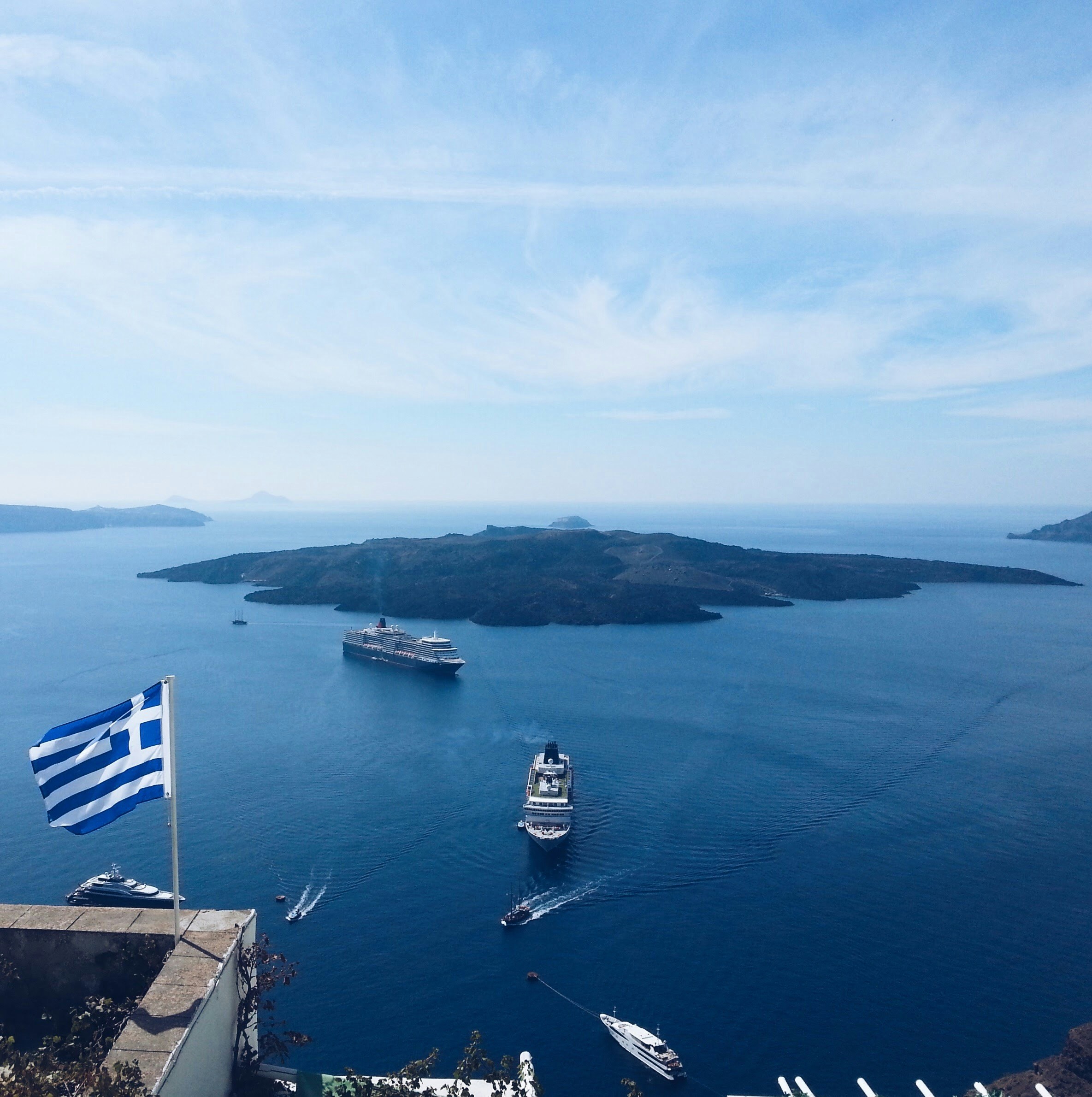
Travelers eager to explore Greece’s less-commercialized areas will discover a wealth of historical sites, picturesque villages, and breathtaking natural scenery. These places resonate with authentic Greek life, showcasing traditions that have endured through centuries. Whether it’s immersing oneself in the dramatic coastlines of the Peloponnese or wandering through the scenic pathways of charming islands, this list offers an inviting glimpse into the rich tapestry of Greek culture beyond the typical confines.
In this journey through Greece, we encourage readers to embrace the lesser-known gems that often escape the travel spotlight. Each destination has its own story and charm, waiting to unfold for those who venture beyond the familiar. Prepare to embark on an exploration of Greece that goes beyond just Athens and Santorini, revealing the captivating experiences that await travelers in this magnificent country.
Crete: The Largest Island with Diverse Attractions
Crete, the largest island in Greece, is renowned for its rich history, stunning landscapes, and vibrant culture. Visitors to this beautiful destination will find a wide array of attractions that showcase everything from ancient archaeological wonders to breathtaking natural scenery. One of the most significant historical sites on the island is the Palace of Knossos, the center of Minoan civilization. Here, tourists can explore the ruins of an ancient palace, with its intricate architecture and fascinating frescoes, offering a glimpse into the lives of the island’s early inhabitants.



For those who appreciate outdoor exploration, Samaria Gorge provides a magnificent hiking experience. This challenging yet rewarding trek leads through one of Europe’s longest gorges, exposing hikers to dramatic cliffs, diverse flora, and the opportunity to spot local wildlife. The trek concludes at the picturesque village of Agia Roumeli, where visitors can relax on the beach, contemplating the serene backdrop of the Libyan Sea.
In addition to its historical and natural attractions, Crete is also celebrated for its charming villages, each offering a unique experience. For example, the village of Chania is known for its Venetian harbor and narrow streets filled with vibrant shops and local tavernas. Here, culinary enthusiasts can indulge in traditional Cretan cuisine, characterized by fresh ingredients and bold flavors. Dishes such as moussaka and dakos are must-tries, while local olive oil and wine complement any meal.
Overall, Crete’s diverse offerings ensure that travelers can tailor their experiences to suit their interests. Whether one seeks adventure, relaxation, or cultural immersion, Crete has something special for everyone, making it a top destination for those exploring Greece beyond the well-trodden paths of Athens and Santorini.
Naxos: A Hidden Gem in the Cyclades
Naxos, the largest island in the Cyclades, remains an often-overlooked destination that offers breathtaking landscapes, rich history, and vibrant local culture. This island, which is known for its lush valleys and picturesque mountain ranges, provides a striking contrast to some of its more famous neighbors. Visitors to Naxos will be rewarded with opportunities to explore beautiful beaches, ancient ruins, and quaint villages, revealing the authentic charm of Greek island life.
One of the most recognizable landmarks on Naxos is the Portara, an imposing marble gateway that stands as a remnant of the ancient Temple of Apollo. This site not only serves as a striking photo opportunity but also offers insight into the island’s storied past. The stunning views from the Portara, particularly at sunset, make it a must-visit for travelers looking to capture the essence of Naxos.
Adding to the allure of Naxos are its traditional villages. A visit to Apeiranthos, a village built on a hillside, showcases the island’s limestone architecture and offers an array of local crafts and gastronomic delights. Visitors can savor local delicacies such as Naxian cheese and the island’s renowned citron liqueur, contributing to a unique culinary experience that reflects the region’s rich agricultural heritage.
For those interested in outdoor activities, Naxos is a haven for hiking enthusiasts, with numerous trails that wind through its mountainous terrain, offering panoramic views of the Aegean Sea. The hospitality of locals, paired with the island’s unspoiled beauty, creates a welcoming atmosphere that invites exploration and relaxation.
In essence, Naxos stands out as a hidden gem within the Cyclades, promising unforgettable experiences away from the bustling tourist pathways of the more renowned islands. Its combination of stunning landscapes, historical richness, and authentic culture makes it an enticing destination for travelers seeking something beyond the conventional.
Meteora: Awe-Inspiring Monasteries on Towering Cliffs
Nestled in central Greece, Meteora is renowned for its impressive rock formations and rich cultural heritage, primarily represented by its ancient monasteries. The region is celebrated as one of the most picturesque landscapes in Greece, featuring towering cliffs that rise dramatically from the valley floor, creating a striking backdrop. The term ‘Meteora’ means ‘suspended in air,’ and this description aptly characterizes the monasteries that are built atop these natural pillars, epitomizing the harmonious blend of natural beauty and human achievement.

Established in the 14th century, the monasteries of Meteora become a UNESCO World Heritage site in 1988 and hold significant spiritual importance for Eastern Orthodox Christianity. Visitors can explore six monasteries still in operation, each offering a glimpse into a monastic lifestyle characterized by prayer, reflection, and artistic expression. The intricate frescoes and remarkable architecture reveal the dedication and craftsmanship prevalent during their construction, attracting history enthusiasts and spiritual seekers alike.
Apart from its historical and spiritual allure, Meteora is also a haven for outdoor adventurers. The landscape provides extensive opportunities for hiking and rock climbing, drawing enthusiasts from around the world eager to engage with its breathtaking views. Multiple trails differ in difficulty, ensuring that both seasoned adventurers and casual walkers can experience the beauty that Meteora offers. Moreover, guided rock climbing expeditions allow visitors to navigate the cliffs safely while enhancing their appreciation for this majestic environment.
Thus, Meteora stands out as a compelling destination, combining natural splendor with profound historical significance. It serves as a reminder of humanity’s enduring connection with the divine and the natural world, making it a must-visit location for anyone traveling through Greece.
Epidaurus: The Birthplace of Ancient Theatre
Located in the eastern part of the Peloponnese, Epidaurus is renowned for its ancient theatre, a remarkable monument of Greek heritage. This theatre, built in the 4th century BCE, is celebrated for its extraordinary acoustics, allowing sounds from the stage to be heard clearly by all audience members, even those seated in the upper tiers, despite being over 14,000 feet away. This unique feature has drawn countless visitors and performers over the years, making it a centerpiece of ancient Greek culture and architecture.

The theatre of Epidaurus is not only a ingeniuous architectural feat but also a symbol of the thriving cultural life that existed in ancient Greece. This historic site hosted various dramatical performances dedicated to the gods, specifically Dionysus, the god of theatre and festivities. Today, it is still used for performances, preserving the legacy of Greek theatre and showcasing its continued relevance in modern culture. Visitors can attend annual festivals that celebrate ancient works, allowing them to immerse themselves in the traditions that originated here.
In addition to the theatre, the region is home to the Sanctuary of Asclepius, an ancient healing center dedicated to the god of medicine. This sanctuary was known throughout the ancient world, drawing those seeking cures for ailments. Pilgrims would undergo a variety of rituals and treatments, including therapeutic dreams, which reflect the ancient Greeks’ advanced understanding of health and wellness. Today, both the theatre and the sanctuary provide valuable insights into ancient Greek practices and beliefs, making Epidaurus a compelling destination for travelers interested in history, culture, and the arts. A visit to this site offers a chance to connect with Greece’s profound historical roots outside the more commonly visited cities like Athens and Santorini.
Hydra: A Car-Free Island Experience
Hydra is a unique destination in Greece, characterized by its car-free environment and stunning seaside charm. The island offers a distinctive experience where visitors roam the narrow cobblestone streets, immersing themselves in local life without the distraction of vehicles. Instead of cars, transportation on Hydra primarily involves walking or utilizing donkeys, which adds to the quaint, laid-back atmosphere of the island.
The island’s architecture provides a feast for the eyes, with traditional stone houses that gracefully adorn the hillsides. Many of these structures date back to the 18th century and showcase a beautiful blend of local craftsmanship and historical significance. Among the notable sites, the Hydra Museum stands out, housing a collection of exhibits that illustrate the rich history and cultural heritage of the island. Visitors can explore its galleries, showcasing everything from maritime artifacts to contemporary art, further enhancing the island’s appeal as an artistic haven.
As travelers stroll along the waterfront, they will encounter numerous art galleries and workshops, showcasing the work of local artists. Hydra has long been a source of inspiration for painters and sculptors alike, drawn by its captivating landscapes and tranquil ambiance. The opportunities for artistic engagement are abundant, whether through gallery visits or informal encounters with working artists in their studios.
The culinary scene on Hydra is equally enchanting. Numerous tavernas and cafes offer fresh seafood and traditional Greek dishes, served with a view of the Aegean Sea. Dining becomes an experience as visitors enjoy their meals surrounded by the island’s picturesque scenery.
Hydra awaits travelers looking for a serene escape, seamlessly blending natural beauty with cultural richness. Its car-free environment encourages exploration and allows visitors to connect with the island’s essence, making it a noteworthy stop on any journey through Greece.
Kythira: The Island of Myth and Enchantment
Kythira, a relatively undiscovered gem in the Ionian Sea, offers more than just a picturesque landscape; it is steeped in mythological history and natural beauty. This enchanting island is closely associated with the goddess Aphrodite, who is said to have emerged from its shores. The legends surrounding Aphrodite contribute to the island’s mystical aura, making it a compelling destination for travelers interested in both history and adventure.
One of the main attractions of Kythira is its assortment of stunning, lesser-known beaches that provide an escape from the crowds often found in more popular destinations. Beaches such as Kaladi, with its unique rock formations and clear turquoise waters, and the secluded shores of Limnionas, are perfect examples of the island’s natural beauty. Each beach offers a serene atmosphere, ideal for relaxing and enjoying the untouched nature.
For those who prefer an active exploration, Kythira boasts numerous hiking trails that lead through lush landscapes and rugged terrains. The trails vary in difficulty, catering to both seasoned hikers and casual walkers. One notable trail is the path to Kapsali, offering stunning views of the coastlines, as well as glimpses of traditional villages along the way. These trails not only showcase the island’s remarkable flora and fauna but also lead visitors to hidden coves that are often missed by the average tourist.
Kythira’s charming villages, such as Chora and Mylopotamos, further enhance the island’s allure. Their traditional architecture, narrow streets, and friendly locals make them ideal spots for a leisurely stroll. Quaint cafes and local shops offer a taste of authentic Greek culture. In every corner of Kythira, visitors can find remnants of its rich history and beautiful landscapes, rendering it a must-visit destination for anyone looking to explore Greece beyond its well-trodden paths.

Zagori: A Nature Lover’s Paradise
Nestled in Northwestern Greece, the region of Zagori stands as a breathtaking testament to nature’s artistry. Characterized by its unique stone villages and lush landscapes, Zagori is a hidden gem that offers a perfect escape for nature lovers and outdoor enthusiasts alike. The area is comprised of 46 picturesque villages, each with its own history and charm. These villages, built predominantly with local stone and designed to blend harmoniously with the natural surroundings, present a captivating glimpse into traditional Greek architecture.
One of Zagori’s most renowned attractions is the Vikos Gorge, regarded as one of the deepest gorges in the world. Spanning approximately 20 kilometers, the gorge provides numerous hiking routes suitable for various skill levels. The trails weave through stunning landscapes, featuring dramatic cliffs, lush vegetation, and rich biodiversity that includes endemic plant species and diverse wildlife. The area’s unique ecosystem attracts hikers and nature enthusiasts who seek both adventure and tranquility.
Furthermore, Zagori is a haven for outdoor activities beyond hiking. Visitors can engage in thrilling pursuits such as rafting in the Voidomatis River, which flows gently through the heart of the region, or explore the numerous natural springs and secluded waterfalls. Each season in Zagori offers distinct experiences; for instance, autumn blankets the landscape in vibrant hues, while winter transforms it into a serene snowy retreat, perfect for peaceful wanderings and photography.
With its remarkable landscapes and rich cultural heritage, Zagori presents an ideal destination for those looking to connect with nature while discovering the authentic essence of Greece. The combination of outdoor adventure and stunning scenery makes it a must-visit for anyone venturing beyond Greece’s more widely known sites.
Thessaloniki: A Blend of Cultures and History
Thessaloniki, Greece’s second-largest city, is a dynamic blend of rich history and vibrant modern culture. Often overshadowed by Athens and Santorini, this city offers a myriad of experiences that are equally captivating. It is a place where ancient ruins coexist with contemporary life, providing visitors with a unique glimpse into Greece’s diverse heritage.
One of the iconic landmarks of Thessaloniki is the White Tower, a historical fortification that stands as a symbol of the city. Originally constructed as part of the city’s fortifications during the Byzantine era, it has been transformed into a museum showcasing Thessaloniki’s past. Visitors can climb to the top for panoramic views of the waterfront and the bustling city below, making it a perfect spot for photography enthusiasts.
Another remarkable site is the Rotunda, an impressive cylindrical structure that dates back to the early 4th century. Initially built as a mausoleum for Emperor Galerius, it later served as a church and mosque. The stunning mosaics inside provide insight into the artistry of the time, making it a must-visit for anyone interested in Byzantine art and architecture.
The city’s local markets, particularly the Modiano Market and Kapani Market, are essential stops for experiencing the local culture. These vibrant markets teem with life, offering fresh produce, traditional delicacies, and artisanal goods. Food lovers will delight in sampling local specialties such as bougatsa and flavorful olives, which showcase the culinary diversity of Thessaloniki.
Overall, Thessaloniki is a fascinating destination for travelers seeking an authentic Greek experience, rich in history, culture, and gastronomy. Its extraordinary attractions and thriving atmosphere undoubtedly entice visitors to explore this multifaceted city during their time in Greece.
Conclusion: Embracing the Authentic Side of Greece
As we conclude our exploration of Greece beyond the popular destinations of Athens and Santorini, it is essential to highlight the wealth of authentic experiences that await those willing to venture off the beaten path. Greece, a country rich in culture, history, and natural beauty, offers a myriad of hidden gems that truly reflect its diverse charm. Each region has its unique traditions, local cuisines, and breathtaking landscapes, all contributing to an enriching travel experience.
In many ways, embracing the authentic side of Greece means immersing oneself in the local way of life. From the tranquil shores of lesser-known islands to the ancient ruins that are often overshadowed by their more famous counterparts, every destination has a story to tell. Visitors are encouraged to explore quaint villages, partake in local festivals, and savor traditional dishes crafted with locally sourced ingredients. Such experiences not only enhance one’s understanding of Greek culture but also foster a deeper connection with the country and its people.
Moreover, shifting the focus from well-trodden paths allows travelers to discover unique landscapes, whether they be the dramatic cliffs of the Peloponnese or the lush valleys of Epirus. The diversity of Greece’s geography offers something for everyone — idyllic beaches, majestic mountains, and serene countryside, all of which can be enjoyed without the crowds typically found in the more popular destinations.
Ultimately, the beauty of Greece lies in its authentic experiences, waiting to be uncovered by inquisitive travelers. As you plan your next Greek adventure, consider the remarkable places and vibrant cultures that exist outside the conventional tourist circuit, and open yourself to a journey that celebrates the true essence of Greece.