
The Ultimate Argentina Travel Guide for First-Time Visitors
Introduction to Argentina: A Country of Diversity
Argentina, the eighth-largest country in the world, is renowned for its remarkable geographical diversity, stretching from the majestic Andes mountains in the west to the sprawling plains of the Pampas and the picturesque Tierra del Fuego in the south. This vast expanse showcases a multitude of landscapes, including stunning glaciers, vibrant forests, and diverse wildlife, making Argentina a treasure trove for nature enthusiasts and adventurers alike.

The country boasts a rich cultural heritage shaped by a mix of indigenous traditions and European influences, primarily Spanish and Italian. This fusion is evident in Argentina’s cuisine, music, and dance. The tango, born in the streets of Buenos Aires, embodies the soul of the nation, while the country’s culinary offerings, such as asado and empanadas, highlight its gastronomic richness. Travelers will find that each region presents its distinct character, from the sophisticated art scene in Buenos Aires to the folk traditions of the Northwest and the indigenous cultures in the South.
The vibrant cities of Argentina, particularly Buenos Aires, serve as cultural and economic hubs. With its bustling neighborhoods, lively markets, and historic architecture, Buenos Aires captivates visitors with a unique blend of European elegance and Latin American zest. Similarly, cities like Mendoza, known for its wineries, and Salta, with its colonial charm and scenic beauty, add to the allure of Argentina as a travel destination.
In summary, the diversity of Argentina offers first-time visitors an array of experiences, making it an enticing destination for exploration and adventure. From breathtaking landscapes to cultural richness, every traveler will find something that resonates with their spirit of discovery in this remarkable country.
Best Places to Visit in Argentina
Argentina is a diverse country that offers a plethora of stunning destinations for first-time visitors. One of the most vibrant cities to explore is Buenos Aires, the capital. Known for its rich cultural heritage, Buenos Aires features an array of attractions including the historic neighborhood of San Telmo, the colorful Caminito street in La Boca, and the iconic Recoleta Cemetery. Visitors can indulge in delicious Argentine cuisine, particularly the renowned asado, and enjoy tango performances that reflect the city’s vibrant arts scene.
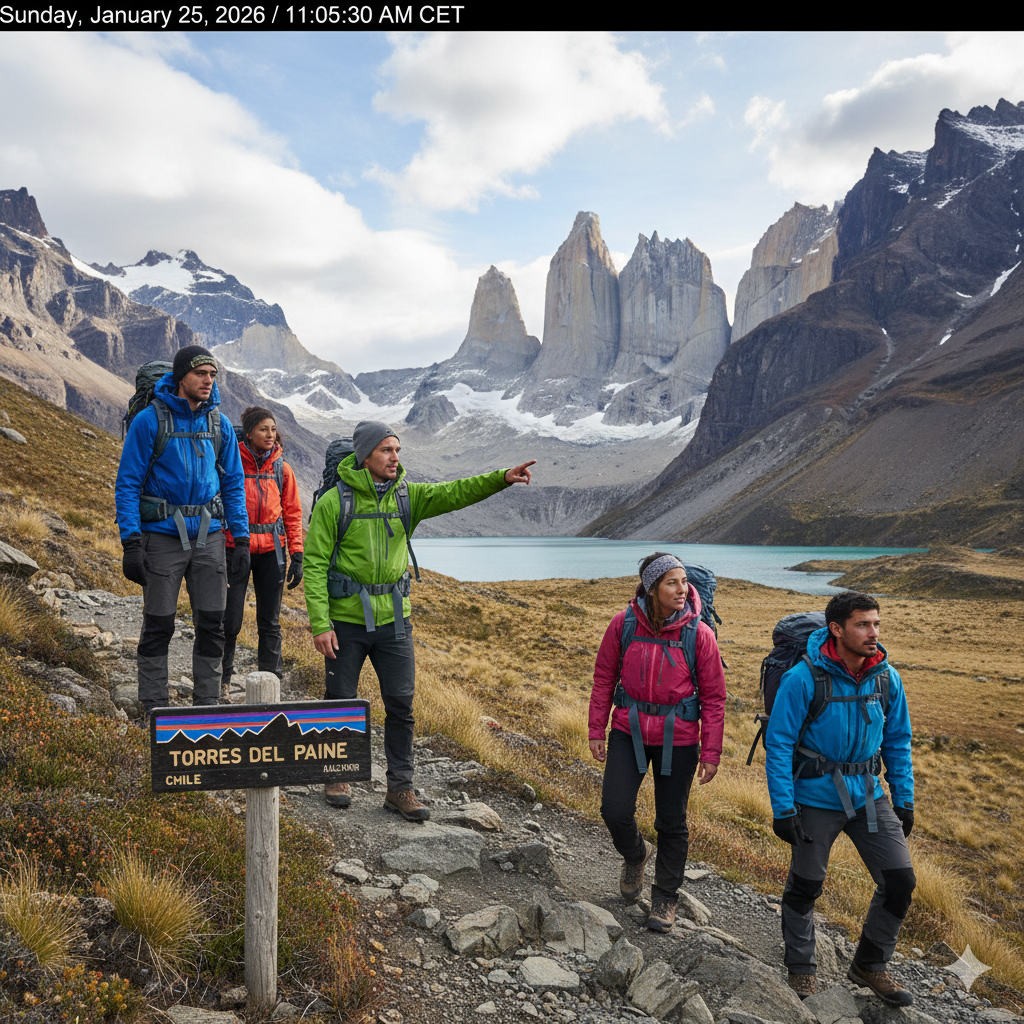
Another remarkable destination is Patagonia, a region that embodies the beauty of nature with its picturesque landscapes. Travelers can experience spectacular sights in Los Glaciares National Park, home to the impressive Perito Moreno Glacier. Outdoor activities such as hiking, kayaking, and wildlife watching make Patagonia an adventure lover’s paradise. The pristine wilderness offers a perfect backdrop for photography and relaxation.
Iguazú Falls is a breathtaking natural wonder situated on the border of Argentina and Brazil. This UNESCO World Heritage site is famed for its grandeur, comprising over 275 individual waterfalls. The powerful cascades create a mesmerizing spectacle, best viewed from multiple vantage points, including the extensive walkways that provide unobstructed views. A visit to Iguazú Falls offers a thrilling experience of nature’s might.
In the west, Mendoza stands out as the heart of Argentina’s wine country. This region is internationally recognized for producing exceptional Malbec wines. Tourists can embark on winery tours and tastings, experiencing the local viticulture while enjoying scenic views of the Andes Mountains. Mendoza is also acclaimed for its outdoor activities such as hiking, river rafting, and horseback riding.
Lastly, the charming town of Bariloche, nestled in the Lake District, captivates visitors with its Swiss-style architecture and stunning alpine scenery. Surrounded by lakes and mountains, Bariloche offers opportunities for skiing in the winter, and hiking, fishing, and biking in the summer months. The town is also famous for its artisanal chocolate, adding a sweet note to any visit.
Best Times to Visit Argentina
Argentina, a vast country renowned for its diverse landscapes, cultural richness, and vibrant cities, offers a wide array of experiences throughout the year. Choosing the right time to travel depends largely on the specific regions you wish to explore and the activities you want to enjoy. Generally, the country’s peak tourist season falls during the summer months, which span from December to February. During this period, travelers flock to the northern areas and coastal regions, attracted by warm temperatures ideal for beach vacations and outdoor activities.
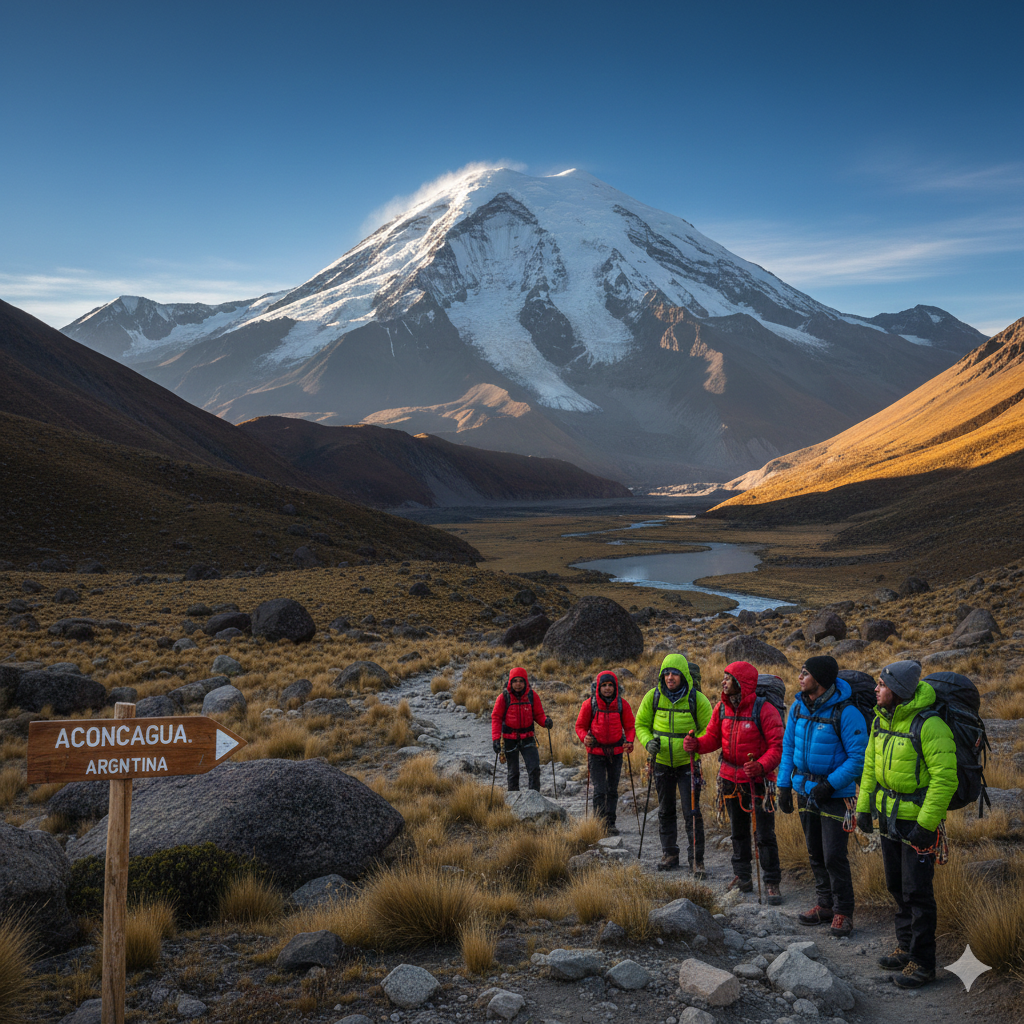
In contrast, the best time to visit Patagonia, which is located in the southern part of the country, is from late spring to early autumn (November to March). Here, mild weather graces hiking trails and stunning natural landscapes, making it a favorite season among adventure seekers. However, travelers should also consider the winter months of June to August if they are interested in skiing or snowboarding in popular destinations like Bariloche, which become winter sports havens.
The fall months of March to May are also a prime time for visiting Argentina. This season is characterized by pleasant weather and fewer crowds, allowing for a more intimate exploration of the country’s attractions. Additionally, travelers can enjoy significant cultural festivities, such as the Vendimia Wine Harvest Festival in Mendoza, which showcases Argentina’s burgeoning wine industry. Likewise, the spring months of September to November bring blooming landscapes and exciting events, including art fairs and cultural festivals, making it an appealing time for art enthusiasts.
Ultimately, Argentina’s distinct seasons and celebrations provide varied experiences to travelers. By selecting the appropriate time to visit, one can immerse themselves in the vibrant culture and breathtaking beauty the country has to offer.
Visa and Entry Requirements
Traveling to Argentina requires attention to several important visa and entry requirements that vary based on the nationality of the visitor. For many countries, including the United States, Canada, Australia, and most European nations, a tourist visa is not necessary for stays of up to 90 days. Visitors should ensure that their passport is valid for at least six months from the date of entry into Argentina.
In contrast, travelers from specific nations may need to apply for a visa prior to their arrival. It is recommended that individuals check the latest information from the applicable Argentine consulate or embassy to determine the precise entry requirements that pertain to their nationality.
Moreover, travelers should also be aware of the reciprocity fee that may apply to specific nationalities. This fee varies depending on the home country and can be paid online before traveling. For those who are applying for a visa, relevant documentation such as proof of onward travel, accommodation details, and sufficient financial means to support themselves during their stay may be necessary.
Travelers with specific needs, such as minors or individuals traveling for business purposes, should familiarize themselves with additional requirements that may apply. It is essential to pack all relevant documents and comply with Argentina’s customs regulations, especially concerning prohibited or restricted items.
Taking the time to gather the required documentation before embarking on a trip to Argentina can ensure a smooth entry into this vibrant country. Understanding visa and entry requirements allows travelers to focus more on enjoying the rich cultural experiences and breathtaking landscapes that Argentina has to offer.
Travel Safety Tips in Argentina
Traveling in Argentina can be a rewarding experience, but it is essential to remain vigilant about safety. Like many countries, there are concerns such as pickpocketing, especially in crowded areas like Buenos Aires and major tourist destinations. To protect yourself, keep your belongings secured and within sight. Using anti-theft bags or money belts can add an extra layer of security to your personal belongings.
Before embarking on your journey, investing in travel insurance is prudent for any traveler. This coverage can assist with lost luggage, trip cancellations, and medical emergencies. Familiarize yourself with the terms of your policy and ensure it covers the activities you plan to engage in while in Argentina. Seek policies that provide coverage for emergencies specific to the region.
Health precautions are another critical aspect of staying safe in Argentina. It is advisable to consult with a healthcare provider prior to travel to determine if any vaccinations are recommended. Also, stay hydrated and be cautious about the food and water you consume. Stick to reputable restaurants and avoid street food if you have a sensitive stomach.
In case of emergencies, be aware of local emergency numbers and the location of the nearest hospital or embassy. Having a local SIM card or an international phone plan can help you stay connected during unforeseen events. It is also a good idea to have a list of important contacts ready and access to translated phrases for better communication.
By utilizing these travel safety tips, first-time visitors to Argentina can enjoy their experience while minimizing potential risks. A careful approach to safety will ensure a fulfilling visit to this vibrant country.
Transportation Options Within Argentina
Argentina is a vast country with a diverse landscape, making efficient transportation essential for travelers. Each mode of transportation offers unique advantages and disadvantages, accommodating various needs and preferences.
One of the quickest ways to traverse large distances within Argentina is through domestic flights. Major airlines offer frequent flights connecting key cities such as Buenos Aires, Mendoza, and Córdoba. The advantages of flying include saved time and convenience, especially when covering long distances like the journey from Buenos Aires to Ushuaia, the southernmost city in the world. However, air travel can be costly, particularly during peak tourist seasons, and flight schedules may not always align with new arrivals or departures.
Buses represent another popular and economical option for getting around Argentina. Long-distance buses are generally efficient and equipped with comfortable seating, onboard meals, and entertainment options. This mode of transportation allows travelers to enjoy picturesque landscapes while frequently offering overnight services, allowing visitors to save on both accommodation and transportation time. However, bus travel can be time-consuming, especially for longer routes. In addition, passengers may want to plan trips carefully, as not all areas are serviced equally or frequently by bus services.
Lastly, renting a car can provide a sense of freedom and flexibility for travelers who prefer to explore at their own pace. With a rental vehicle, visitors can easily access remote destinations like the stunning landscapes of Patagonia or the scenic drives in the Lake District. However, navigating the extensive road system and understanding local driving customs can be challenging for those unfamiliar with the terrain. Additionally, parking availability and costs in larger cities should also be considered when choosing this option.
Ultimately, the choice between domestic flights, buses, and rental cars will depend on itinerary preferences, budget constraints, and the desire for convenience versus adventure. Assessing these transportation options will help travelers enjoy a seamless experience while exploring the numerous attractions destined for discovery in Argentina.


Understanding the Local Currency and Costs in Argentina
Argentina’s official currency is the Argentine Peso (ARS). As a first-time visitor, it is essential to familiarize yourself with this currency and its current exchange rates. The value of the peso can fluctuate significantly, so checking the latest rates before converting your money or making purchases is crucial. Utilize online currency converters or consult financial institutions for accurate information.
When it comes to exchanging money, travelers have several options. Airports and major banks offer currency exchange services, but they might not provide the best rates. Instead, consider exchanging cash at authorized exchange houses, known as “casa de cambio,” or using ATMs to withdraw pesos directly. While ATMs generally offer competitive rates, be aware of potential withdrawal fees.
Understanding the overall cost of living in Argentina can greatly assist with budgeting your trip. The expenses for meals, accommodations, and activities can vary widely. On average, a budget traveler might spend around $30 to $50 per day, covering modest accommodations, local dining, and transport. Mid-range travel can increase expenses to $100 to $200, allowing for nicer hotels and dining at popular restaurants.
Dining is generally affordable, especially if you opt for local eateries or street food. Restaurants may offer lunch specials, which are great for budget-conscious travelers. Accommodations range from budget hostels to luxurious hotels, catering to different preferences and financial plans. Activities, including entrance fees to national parks or cultural sites, are also reasonably priced, but do keep an eye on your spending to ensure you stay within your budget.
Cultural Etiquette in Argentina
Traveling to Argentina entails not only the exploration of its stunning landscapes and rich history but also an understanding of the cultural etiquette that shapes social interactions. Familiarizing oneself with these customs can significantly enhance the visitor experience and foster positive connections with locals.

One of the pivotal aspects of Argentine culture is the importance placed on greetings. It is customary to greet others with a warm handshake upon meeting, while close friends often share a kiss on the cheek. It is advisable for travelers to maintain a polite demeanor, focusing on eye contact and a genuine smile to convey friendliness. When addressing someone, use titles such as “Señor” or “Señora” followed by the surname until invited to use first names, which signifies respect.
Dining etiquette also holds considerable significance in Argentina. Meals are typically enjoyed late, with lunch around 2 PM and dinner often starting after 9 PM. When invited to someone’s home, it is polite to bring a small gift, such as flowers or a bottle of wine, as a gesture of appreciation. During meals, it is common to wait for the host to begin eating before taking the first bite. Additionally, keep knives and forks in a specific position on the plate while eating to communicate you are still engaged in your meal.
Furthermore, when engaging in conversations, particularly about sensitive subjects such as politics or social issues, exercise caution and respect differing opinions. Argentines are known for their passion, and discussions can become spirited. Showing a genuine interest in their culture, language, and traditions is generally appreciated by locals and opens pathways to deeper connections.
Practical Travel Tips for a Memorable Trip to Argentina
Embarking on a journey to Argentina requires careful preparation and awareness of essential travel tips to ensure a memorable experience. First and foremost, packing appropriately is crucial. Given the country’s diverse climates, it is advisable to research the specific region you plan to visit. Layers are your best ally, especially in places like Patagonia where temperatures can fluctuate significantly. Bring a mix of clothing suitable for both warm days and cooler evenings.
Another vital aspect to consider is the language barrier. Although many Argentinians speak English, particularly in tourist areas, learning basic Spanish phrases can greatly enhance your travel experience. Simple greetings, expressions of gratitude, and common questions can facilitate smoother interactions and convey respect for the local culture.
When it comes to currency, familiarize yourself with the Argentine Peso and be aware of the current exchange rates. It can be advantageous to have cash on hand, as some establishments, particularly in rural areas, may not accept credit cards. Further, always inform your bank of your travel plans to avoid any inconvenience when using your debit or credit cards abroad.
Transporting yourself within Argentina can be both exciting and daunting. While many cities offer reliable public transport options, such as buses and subways, renting a car may be ideal for exploring remote areas. Furthermore, consider domestic flights for long distances, such as traveling from Buenos Aires to Mendoza, as these could save time.
Lastly, it is essential to prioritize safety during your travels. Remain vigilant about personal belongings, avoid displaying valuable items, and steer clear of overly isolated areas, particularly at night. Local resources, such as tourism offices, can provide invaluable insights into current safety advice and additional travel tips.