
The Best Places to Visit in Argentina: A Comprehensive Guide
Introduction to Argentina’s Wonders
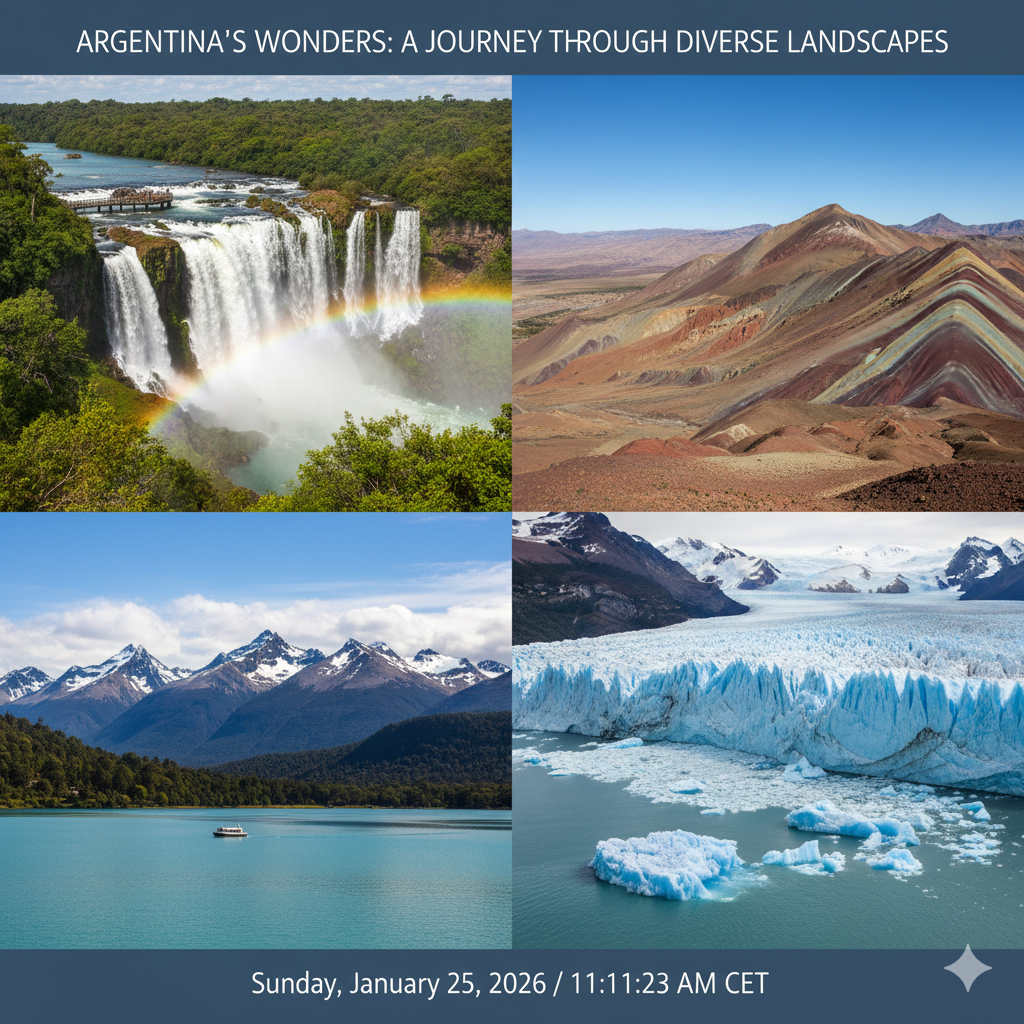
Argentina is a remarkable travel destination, renowned for its rich tapestry of culture, stunning natural landscapes, and thrilling adventure opportunities. This diverse country captivates visitors with its unique blend of urban energy found in the bustling streets of Buenos Aires and the serene beauty of its natural wonders like Patagonia and the Iguazú Falls. Each region of Argentina offers its own distinct attractions, making it an ideal location for various types of travelers.
Buenos Aires, the vibrant capital, serves as the heart of Argentina, showcasing a mix of historical architecture and modern city life. This cosmopolitan city is famous for its tango music, delectable cuisine, and numerous cultural events that draw both locals and tourists. Walking through the charming neighborhoods, such as San Telmo and Palermo, travelers can experience the city’s multifaceted identity, influenced by European immigrants and a rich artistic heritage.
Yet, Argentina is not just defined by its urban experiences. The breathtaking landscapes of Patagonia, with its towering mountains and vast glaciers, invite adventurers to explore on foot, by bike, or by kayak. This region is home to exquisite national parks, including Los Glaciares and Torres del Paine, where outdoor enthusiasts can partake in activities such as hiking, wildlife viewing, and photography, all while surrounded by some of the most dramatic scenery in South America.
Additionally, the Iguazú Falls, a UNESCO World Heritage site, showcase the raw power of nature. This collection of waterfalls spans the border between Argentina and Brazil, creating a stunning spectacle that leaves visitors in awe. Overall, Argentina’s diverse offerings of urban excitement and natural beauty create a uniquely enriching travel experience, enticing visitors to embark on an unforgettable journey.
Discover Buenos Aires: The Heart of Argentina
Buenos Aires, the vibrant capital of Argentina, is a city that beautifully blends European architecture with rich Latin American culture. This metropolis is characterized by its eclectic neighborhoods, each offering unique experiences that reflect the city’s diverse identity. Palermo, for instance, is known for its chic boutiques, expansive parks, and a formidable culinary scene that lures both locals and tourists alike. Walking through its streets, visitors will appreciate the vibrant street art which adds color and modern flair to the traditional aesthetics.
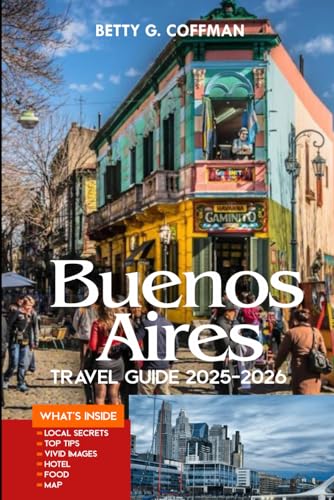
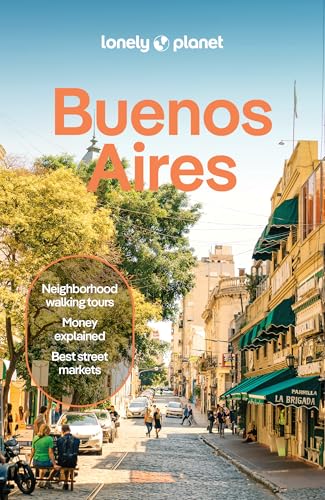
Another prominent neighborhood, San Telmo, takes one back in time with its cobblestone streets and colonial buildings. It is famous for its antique market, bustling on Sundays, where one can find artifacts from the past alongside artists and musicians showcasing the passionate tango dance. Tango is indeed an integral part of Buenos Aires’ cultural fabric, and enjoying this dance at a local milonga can be a memorable experience for travelers.
When visiting Buenos Aires, iconic landmarks such as the Obelisco and Casa Rosada should be on every traveler’s itinerary. The Obelisco, towering at 67 meters, stands as a symbol of the city, while the Casa Rosada, with its striking pink facade, serves as the seat of the Argentine government. Tourists are often fascinated by the rich history encapsulated within these sites, which offer guided tours revealing secrets of Argentina’s past.
The best time to visit Buenos Aires is during spring (September to December) and fall (March to May), as the weather is generally mild and pleasant, ideal for exploring the city’s outdoor attractions. Regardless of when you choose to visit, Buenos Aires promises an unforgettable blend of history, art, and lively culture, making it the true heart of Argentina.
Patagonia: Nature’s Masterpiece
Patagonia is a breathtaking region that showcases the stunning natural beauty of Argentina. This area is characterized by its dramatic landscapes, including imposing mountains, expansive glaciers, and crystal-clear lakes. One of the most iconic spots in Patagonia is Torres del Paine National Park, known for its granite peaks and diverse ecosystems. Visitors can experience the park’s striking scenery through various hiking trails, which cater to different skill levels and preferences, making it a prime destination for outdoor enthusiasts.
Adventure seekers can engage in activities such as trekking the W Circuit, a multi-day hike that offers unparalleled views of the park’s highlights, including the iconic Towers of Paine and the French Valley. This trek typically takes four to five days, with options for guided or independent journeys. The ideal travel period to explore Torres del Paine is during the Southern Hemisphere’s summer months, typically from November to March, when the weather is more favorable.
Another remarkable site is Los Glaciares National Park, home to the towering Perito Moreno Glacier, famous for its dynamic calving events. Visitors can embark on guided walks over the glacier or take boat tours for a closer look at its striking blue ice formations. The park is also an excellent spot for wildlife viewing, with opportunities to see species such as guanacos and Andean condors.
Whether you’re looking to hike through stunning landscapes, witness incredible wildlife, or simply immerse yourself in the natural beauty that defines Patagonia, this region offers unique experiences that should not be missed. The extensive variety of activities and the enchanting scenery make Patagonia a top choice when visiting Argentina.
El Calafate: Gateway to the Glaciers
El Calafate, located in the Patagonia region of Argentina, serves as an enchanting town renowned for its close proximity to the magnificent Perito Moreno Glacier. This charming destination attracts travelers not only for its scenic beauty but also for the dynamic activities available to experience the stunning glacial landscapes. One of the most notable features of the Perito Moreno Glacier is its accessibility; unlike many glaciers around the world, it is continuously advancing, creating spectacular ice formations that are a sight to behold.
The Perito Moreno Glacier spans approximately 250 square kilometers and stands around 70 meters high. Visitors to El Calafate can witness massive blocks of ice breaking off the glacier’s edge, an awe-inspiring natural phenomenon. The unique structure of the glacier, which consists of a rich variety of blue hues, is the result of dense ice compacting and its interaction with sunlight, making it a photographer’s paradise.
For those seeking adventure, ice trekking is a popular activity that allows visitors to set foot directly on the glacial surface. Guided tours provide the opportunity to traverse the icy terrain, offering breathtaking views and an up-close look at the crevasses and icy formations. Additionally, boat tours around the glacier allow for a different vantage point, showcasing the glacier’s sheer size and the surrounding landscapes.
The best times to visit El Calafate and the Perito Moreno Glacier are during the spring and summer months, from September to March. During these seasons, temperatures are milder, making outdoor activities more enjoyable. However, winter visits can provide a unique perspective, with fewer crowds and a distinctively serene atmosphere. Regardless of the season, El Calafate remains an essential stop for anyone wanting to experience the breathtaking beauty of Argentina’s glaciers.


Ushuaia: The End of the World
Ushuaia, known as the southernmost city in the world, holds a unique allure for travelers seeking adventure and breathtaking landscapes. Nestled between the Martial Mountains to the north and the Beagle Channel to the south, this remote city offers a fascinating blend of natural beauty and vibrant culture. The stunning juxtaposition of towering peaks and serene waters provides an unparalleled backdrop for outdoor enthusiasts and casual visitors alike.
One of the highlights of Ushuaia is its proximity to Tierra del Fuego National Park. This natural wonderland features hiking trails that range from leisurely walks to challenging treks, allowing visitors to immerse themselves in the diverse flora and fauna of the region. The park is home to a variety of wildlife, including guanacos, red foxes, and numerous bird species, making it a popular destination for nature lovers and photographers.
In addition to hiking, Ushuaia is an excellent base for adventurous activities such as kayaking, boat tours, and wildlife excursions. Travelers can explore the Beagle Channel, where opportunities to observe sea lions and navigate past picturesque islands abound. Fishing is also a favored pastime, with options to catch local species such as trout and king crab. For those seeking more adrenaline-pumping experiences, options such as snowboarding and skiing in the surrounding mountains are available during the winter months.
The best time to visit Ushuaia is during the summer, from October to March, when temperatures are milder and outdoor activities are at their peak. However, the winter months can also attract visitors for the unique experience of snow-covered landscapes and winter sports. Regardless of the season, Ushuaia’s charm lies in its stunning scenery and adventurous spirit, making it a remarkable destination for any traveler.
Iguazú Falls: A Natural Wonder
Iguazú Falls, located on the border of Argentina and Brazil, is heralded as one of the largest and most breathtaking waterfall systems in the world. Comprising approximately 275 individual falls, this majestic display stretches over 1.7 miles, captivating visitors with its sheer power and beauty. The falls are surrounded by lush subtropical rainforest, home to diverse flora and fauna, making it a UNESCO World Heritage site and a significant ecological zone.
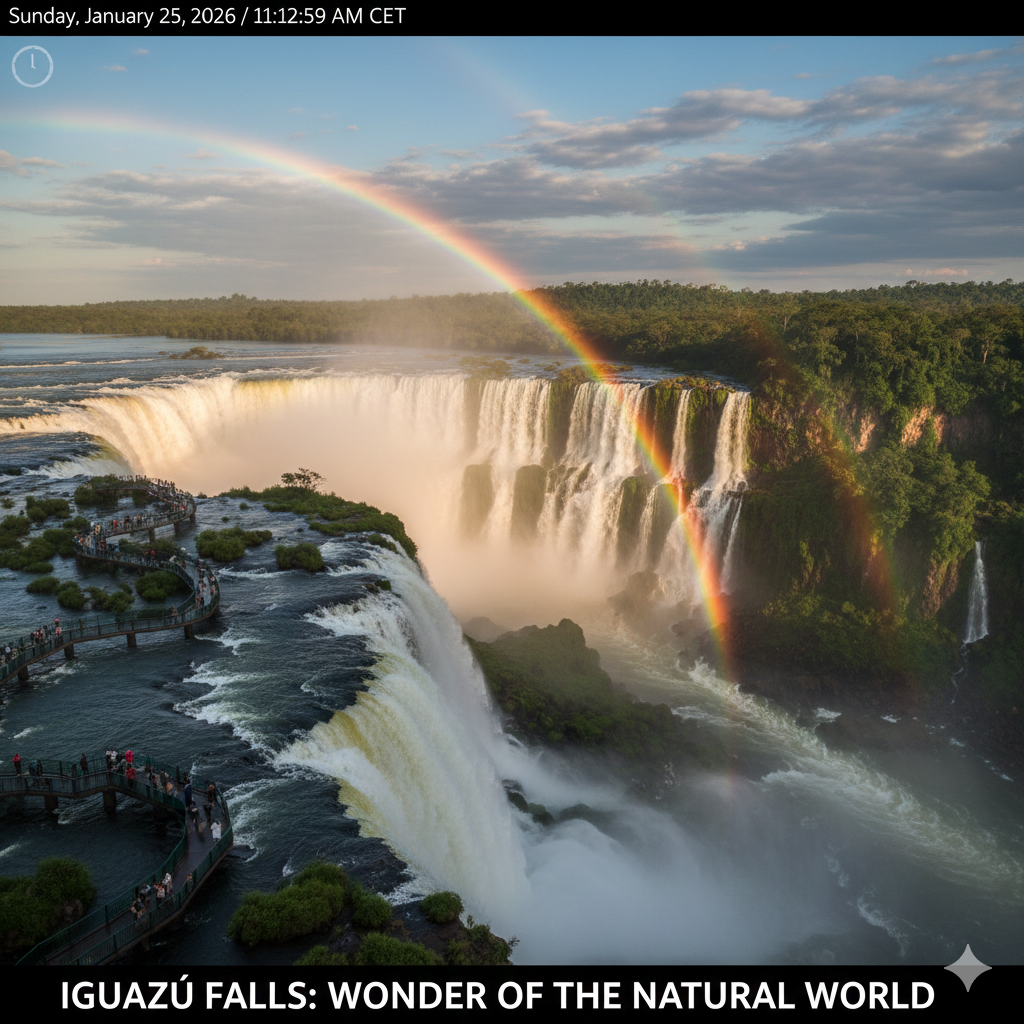
The most famous viewpoint is the Garganta del Diablo (Devil’s Throat), where a breathtaking waterfall plunges nearly 350 feet into a chasm, creating a mist that fills the air. Visitors are encouraged to explore the various walking trails that lead to different vantage points, offering unique perspectives of both the falls and the surrounding landscape. The Upper Circuit provides panoramic views and opportunities to see the falls from above, while the Lower Circuit allows closer interactions with the waters and is ideal for photography.
For those seeking adventure, Iguazú Falls offers several activities, including boat tours that take guests close to the powerful cascades. These excursions provide an exhilarating experience as the boats navigate through the tumultuous waters, allowing visitors to feel the spray from the falls. The region is also exceptional for birdwatching, with species such as toucans and coatis frequently spotted in the area.
When planning a visit, it is essential to consider the seasons. The falls are particularly stunning during the rainy season, from December to March, when water levels and flow are at their highest, creating a spectacular show. However, year-round, Iguazú Falls remains a mesmerizing destination that promises unforgettable memories.
Mendoza: The Wine Capital of Argentina
Mendoza, located in the foothills of the Andes, is recognized as the wine capital of Argentina, celebrated for its exceptional wine production, particularly the famed Malbec varietal. Visitors flock to this region not only for its picturesque landscapes but also for a unique opportunity to immerse themselves in the world of winemaking through various winery tours and tastings. With over 1,200 vineyards, Mendoza offers a diverse array of experiences ranging from intimate tastings at family-owned wineries to grand tours of established estates.
The wine harvest season, known locally as “La Vendimia,” typically occurs in March and April. This vibrant time of year sees the region come alive with festivities that celebrate the grape harvest. Visitors can partake in events such as parades, concerts, and traditional feasts that showcase the local culture and culinary delights, making it an ideal time to visit. These celebrations culminate in the Festividad de la Vendimia, where wineries demonstrate their harvest processes and offer exclusive tastings.
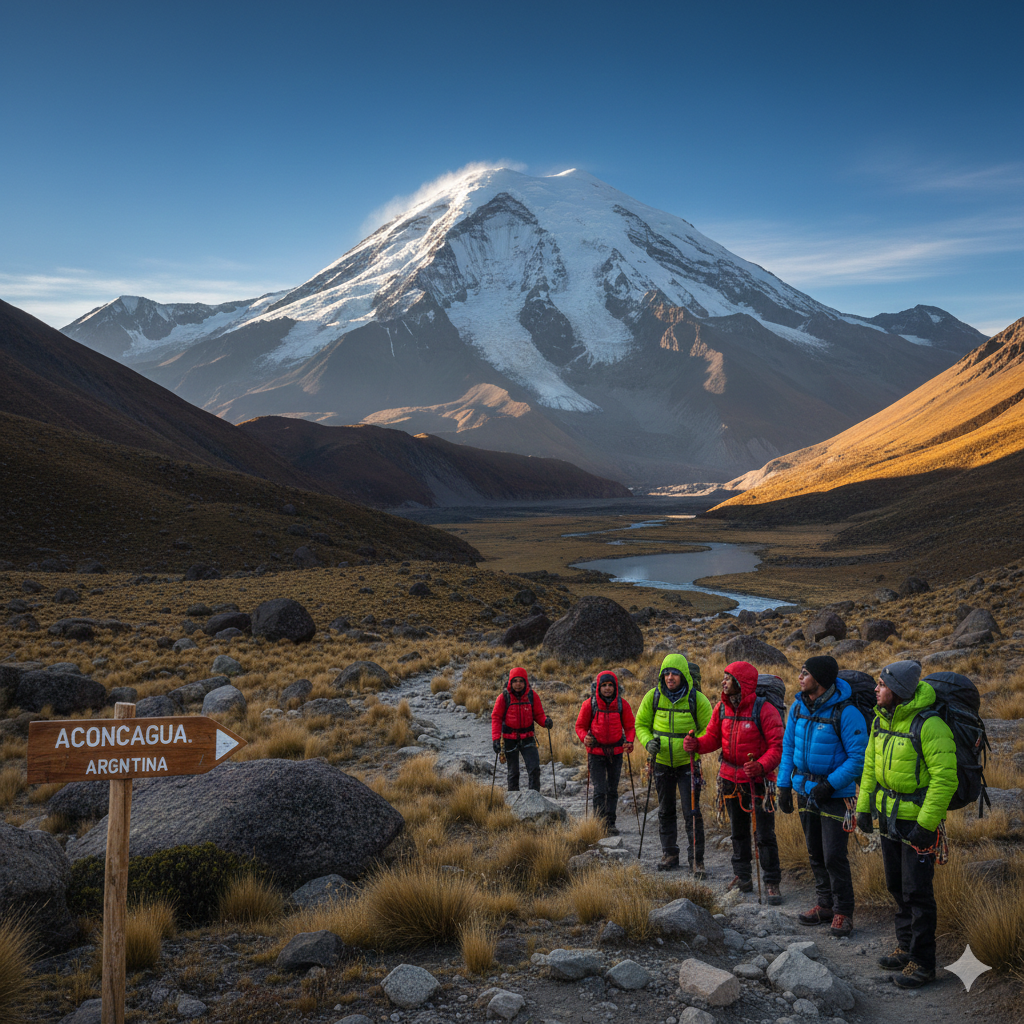
In addition to wine tasting, Mendoza is an outdoor enthusiast’s paradise. Activities like hiking, biking, and horseback riding in the breathtaking Andes Mountains are available, providing visitors with spectacular views and adventures. The Aconcagua Mountain, the highest peak in South America, attracts trekkers and climbers from around the globe, further enhancing the region’s appeal. Guided excursions are available for those looking to explore the dramatic landscapes while indulging in the region’s rich viticultural heritage.
With its beautiful terrain and bountiful vineyards, Mendoza stands out as a must-visit destination in Argentina. Whether one is an aficionado of fine wines or an adventure seeker, Mendoza guarantees a memorable experience that showcases the best of Argentine culture and nature.
Salta: A Cultural Gem in the North
Salta, located in the northwest region of Argentina, offers a rich tapestry of cultural experiences, distinct architecture, and a profound indigenous heritage. This city, often considered one of the most beautiful colonial cities in Argentina, stands out for its well-preserved historical structures and vibrant cultural scene, making it a significant destination for travelers seeking an immersive experience.
The city is renowned for its stunning colonial architecture, with elegant churches such as the San Francisco Church and the Cathedral of Salta, showcasing intricate facades and beautiful interiors. Visitors can wander through the historic streets, observing the blend of Spanish and indigenous influences that are evident in the city’s layout and buildings. Salta’s cultural vibrancy is further enhanced by local artisan markets, where handicrafts and traditional textiles can be found, reflecting the region’s indigenous roots.
One of the most celebrated attractions in the area is the infamous Train to the Clouds, a breathtaking railway journey that ascends to high altitudes offering panoramic views of the surreal landscapes of the Andes. This excursion is an experience that captures the essence of Argentina’s natural beauty and highlights the ingenuity of its engineering. Meanwhile, a scenic drive through the Quebrada de Humahuaca, a UNESCO World Heritage site, presents stunning geological formations and traditional villages that effortlessly display the rich history of the indigenous communities that reside there.
The optimal time to visit Salta is during the spring (September to November) and autumn (March to May) months when the weather is mild, making outdoor exploration enjoyable. However, summer can be quite hot, while winter (June to August) may bring cooler temperatures and occasional snowfall in the nearby mountains. Overall, Salta presents a unique blend of history, culture, and breathtaking landscapes, ensuring an unforgettable experience for all who visit.
Bariloche: Alpine Charm in Argentina
Bariloche, officially known as San Carlos de Bariloche, is a picturesque town located in the Argentine Patagonia. Often described as resembling a Swiss alpine village, it boasts stunning views of the Andes mountain range, alongside crystal-clear lakes that form part of the Nahuel Huapi National Park. This charming destination is renowned for its variety of outdoor activities, drawing visitors year-round.
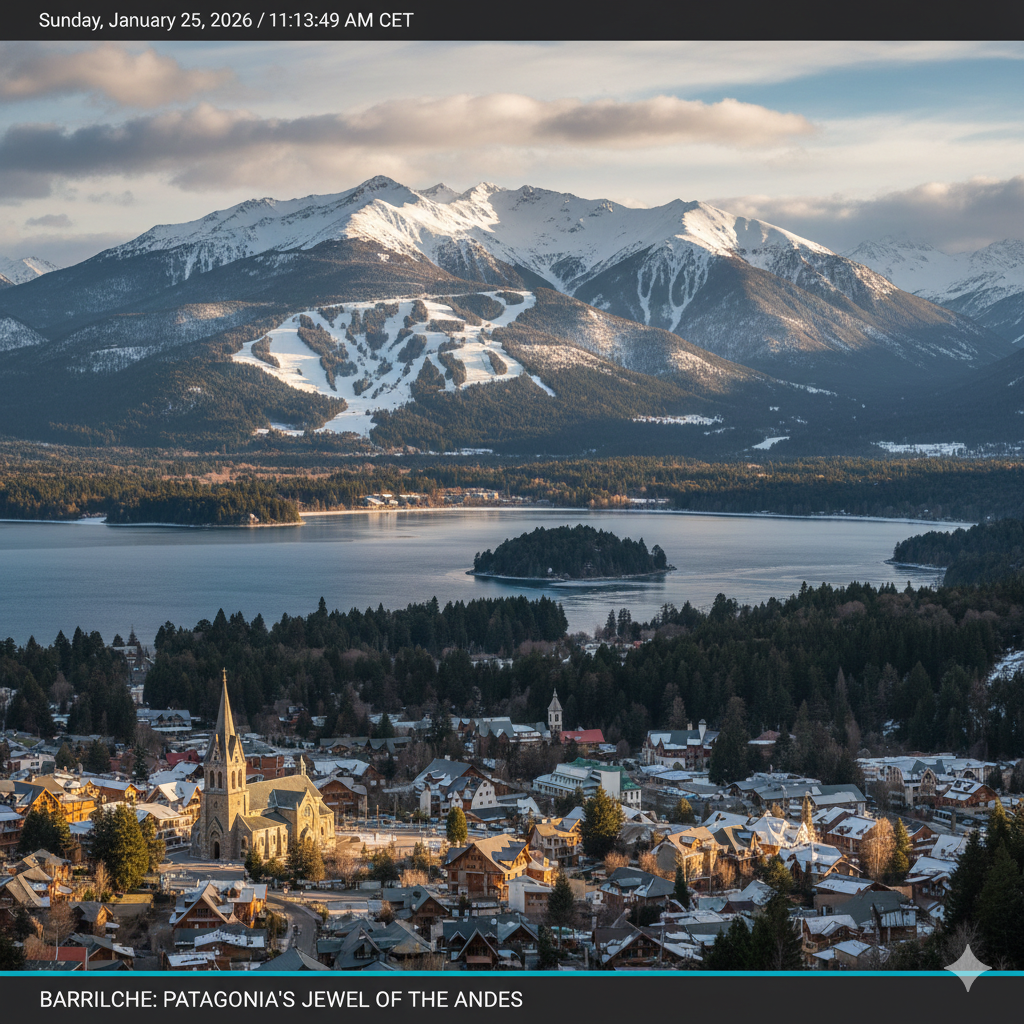
The winter months, particularly from June to September, transform Bariloche into a bustling ski resort. Ski enthusiasts flock to nearby Cerro Catedral, one of South America’s largest ski areas, which offers a mix of slopes catering to all skill levels. Providing a winter wonderland, the region attracts not only skiers but also snowboarders and snowshoers, making it a winter sports haven.
As the seasons change, Bariloche offers plenty for the summer visitor as well. The warmer months, from December to March, bring opportunities for hiking and exploration. Trails around the lakes and mountains offer breathtaking scenery and the chance to experience the rich biodiversity of the region. The well-known Circuito Chico trail showcases stunning viewpoints, including the iconic Llao Llao Hotel.
In addition to its natural beauty, Bariloche is celebrated for its chocolate shops, a remnant of its European heritage. A stroll through the town reveals numerous establishments where visitors can indulge in handcrafted chocolates that have made Bariloche famous. Each chocolate shop offers unique delicacies, enhancing the experience of wandering its charming streets.
Bariloche also hosts traditional events throughout the year, such as the National Chocolate Festival in July, celebrating the local confectionery tradition. Such events showcase the cultural richness of the area and invite visitors to participate in activities that highlight local customs and flavors.
Conclusion: Planning Your Argentine Adventure and Travel Tips
Planning a trip to Argentina can be an exhilarating experience, as the country offers a diverse range of landscapes, activities, and cultural experiences. To make the most of your Argentine adventure, careful consideration of transportation, safety, local customs, and an optimal itinerary is essential.
When it comes to transportation, Argentina has a well-established network of buses, trains, and domestic flights. Long-distance buses are a popular choice for budget travelers, providing a scenic way to see the country. Alternatively, flying between major cities such as Buenos Aires, Mendoza, and Bariloche can save time. In urban areas, consider using local taxis or rideshare apps for convenience.
Safety is paramount while traveling. While Argentina is generally safe for tourists, it is wise to remain vigilant, particularly in crowded areas. Avoid displaying valuables openly and limit nighttime outings in less familiar neighborhoods. Keeping emergency contact numbers handy and using a money belt can further enhance your safety.
Familiarizing yourself with local customs also enriches the travel experience. Argentines are known for their warm hospitality, and a simple greeting with a “Hola” can go a long way. Additionally, engaging in the local tradition of enjoying mate tea can create a bond with locals, allowing for deeper intercultural interactions.
Your travel itinerary should ideally connect the iconic locations mentioned in this guide, including the vibrant streets of Buenos Aires, the stunning landscapes of Patagonia, and the breathtaking Iguazú Falls. Consider spending at least a week to immerse yourself in Argentina’s rich culture and natural beauty, allowing for flexibility in your schedule to accommodate spontaneous adventures.
With careful planning and an open mind, your journey through Argentina promises to be a memorable one, showcasing the best of what this South American gem has to offer.