
Backpacking Afghanistan in 10 Days: Discovering the Silk Road Heritage, Hidden Fortresses, and the Majestic Wakhan Corridor
Introduction to Backpacking in Afghanistan
Embarking on a backpacking journey through Afghanistan presents an extraordinary opportunity to delve into a region steeped in rich history and cultural heritage, primarily linked to the historical Silk Road. This ancient trade route not only facilitated the exchange of goods but also allowed diverse cultures and civilizations to interact, leaving an indelible mark on Afghanistan’s social fabric.
The allure of backpacking in Afghanistan lies in its uncharted territories, breathtaking landscapes, and majestic historical landmarks. From the rugged mountains of the Hindu Kush to the serene valleys of Wakhan, every corner of Afghanistan offers a unique experience that is both adventurous and enriching. This journey invites travelers to explore hidden fortresses, ancient caravanserais, and vibrant local communities, all of which contribute to the enchanting atmosphere of the region.
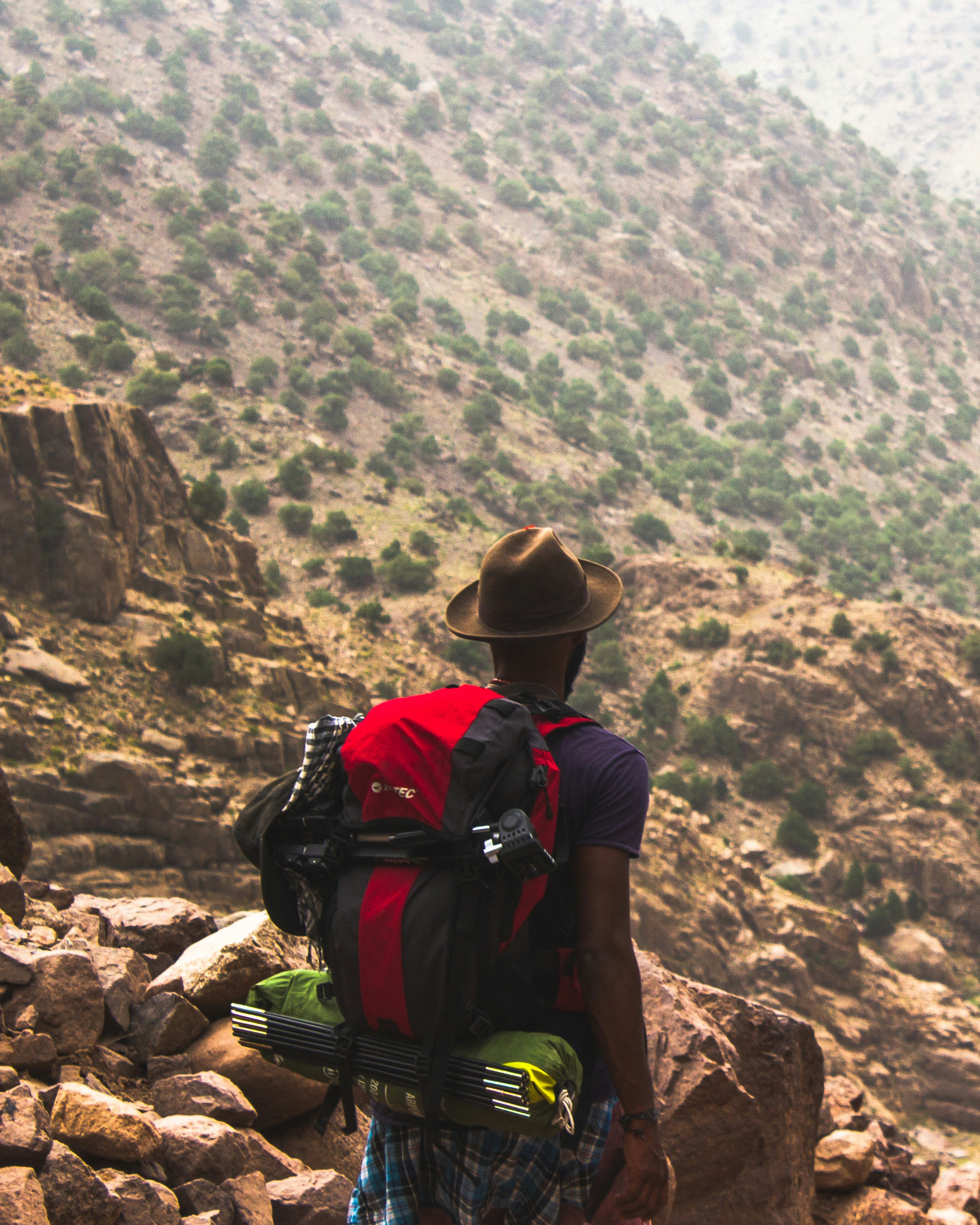
For many, the prospect of traversing Afghanistan evokes a sense of excitement and curiosity. It is a destination that calls to the adventurous spirit, offering a blend of rugged terrain and profound history. While often perceived as a challenging place to visit, the rewards of exploring Afghanistan far outweigh the concerns. The radiant culture, warm hospitality of its people, and the opportunity to witness firsthand the remnants of the Silk Road are experiences that can transform one’s perspective on the world.
As travelers set foot on this land, they encounter more than just stunning vistas; they also connect with a storied past that echoes through the valleys and mountains. The mesmerizing sights and sounds of Afghanistan serve as powerful reminders of the profound history encapsulated in this region. Each day of backpacking reveals new narratives, inspiring a deeper appreciation for Afghanistan’s significance in the broader tapestry of human civilization.
Day 1: Arriving in Kabul – The Gateway to Afghanistan
Upon your arrival in Kabul, travelers are greeted by a city rich in history and culture, nestled amid the towering peaks of the Hindu Kush mountains. Kabul, often regarded as the gateway to Afghanistan, offers a blend of the ancient and the modern, creating a captivating atmosphere for all visitors. Immigration procedures at Hamid Karzai International Airport are straightforward but ensure you have all necessary documentation, including visas and any required health certifications.

Once you are through customs, a variety of transportation options are available to navigate the city. Taxis are a common choice, with drivers often willing to take you directly to your accommodation. Alternatively, consider hiring a local guide who can not only drive but also help acclimate you to the cultural nuances and traditions that define Afghan society.
A day spent in Kabul should include a visit to the National Museum of Afghanistan, where the rich tapestry of Afghan history is woven through artifacts collected over millennia. This museum houses a collection emblematic of the Silk Road’s cultural exchange, showcasing ancient relics that captivate the imagination. Additionally, exploring the vibrant local markets contributes to your understanding of the daily lives of Afghan people. The colorful stalls filled with local produce, textiles, and handmade crafts offer an authentic glimpse into Afghan culture.
As the day progresses, consider sampling local cuisine at a nearby restaurant. Dishes such as Kabuli Pulao and Mantoo provide a delightful introduction to Afghan flavors. Engaging in conversations with local residents can also enhance your immersion into the Afghan way of life, paving the way for deeper connections as your journey unfolds.
By the end of your first day, you will have laid the groundwork for an enriching experience, setting the tone for the remarkable discoveries awaiting you in the days to come.
Day 2-3: Exploring Herat – The Jewel of the Silk Road
The enchanting city of Herat, known for its historical significance and breathtaking architecture, serves as a remarkable testament of the Silk Road’s rich heritage. Nestled in the western region of Afghanistan, this city has been a focal point for traders and travelers alike, becoming a cradle of culture and craftsmanship. As you embark on your exploration of Herat, you will encounter several must-visit sites that showcase its illustrious past and artistic greatness.
The Herat Citadel, also known as the Citadel of Herat, stands as a magnificent relic of the ancient world. Originally constructed in the 5th century, this impressive fortress has adapted and endured through various ages, leaving a lasting mark on the city’s skyline. Visitors are invited to delve into its history, marvel at its architectural prowess, and relish in its panoramic views over the vibrant cityscape.
Another gem on your journey is the Great Mosque of Herat, or the Masjid-i Jami. This architectural marvel, with its intricately adorned tile work and majestic domes, represents a fusion of Islamic artistry and local craftsmanship. Walking through its halls, one can sense the spiritual energy that has permeated the space for centuries. The mosque’s significance extends beyond its aesthetic appeal; it has long served as a community focal point and a center for learning.
Furthermore, exploring Herat’s bustling bazaars provides an excellent opportunity to immerse oneself in the local culture. The markets are alive with vibrant colors, sounds, and rich aromas, offering everything from handcrafted textiles to exquisite ceramics. Engaging with local artisans allows travelers to appreciate the unique crafts that have been passed down through generations, thus enriching the experience of exploring this Silk Road jewel.
Day 4: Discovering Balkh – The Ancient City of Culture
Balkh, often referred to as the birthplace of the famed poet Rumi, is a city rich in history and culture, lying in the northern part of Afghanistan. A crucial stop on the Silk Road, Balkh has served as a cultural and intellectual hub for centuries, fostering various civilizations. This ancient city is replete with ruins that offer a glimpse into its glorious past, making it a significant destination for travelers interested in history and culture.
The archaeological site of ancient Balkh contains remnants from the Achaemenid, Greco-Bactrian, and Islamic periods. Visitors often find the extensive ruins, including the remnants of fortresses, impressive walls, and religious sites, to be a compelling representation of Balkh’s historical importance. Among the highlights is the famed Blue Mosque, also known as the Shrine of Zainul Abidin, which is not only a significant religious site but also a masterpiece of Islamic architecture.
Beyond its historical allure, Balkh presents an opportunity for cultural enrichment. The local cuisine offers a delightful experience for the palate, with traditional dishes such as palaw (a rice dish) and mantu (dumplings) available in various eateries. These culinary experiences allow travelers to engage with locals, enriching their understanding of Afghan culture.
Moreover, visiting local markets can unveil a trove of traditional crafts that speak to the artistry of Balkh. Handwoven textiles, intricate pottery, and unique jewelry reflect the craftsmanship passed down through generations, serving as perfect souvenirs for those who visit.
As the sun sets over the sand-colored ruins, the ambiance of Balkh transforms into a serene haven, bridging the past with the present. Exploring this ancient city on Day 4 of a backpacking adventure not only offers insights into Afghanistan’s rich heritage but also provides a profound connection to its cultural identity.


Day 5: Journey to the Hidden Fortresses of Afghanistan
On Day 5 of your backpacking adventure in Afghanistan, you will embark on a fascinating journey to the hidden fortresses that dot the landscape, remnants of a bygone era, steeped in history and mystery. These fortifications, often overlooked by mainstream tourism, offer an invaluable glimpse into Afghanistan’s rich heritage and the myriad cultures that once thrived here along the ancient Silk Road.
Among these lesser-known strongholds are the impressive remnants of the Qala-i-Bukhari and the Qala-i-Ghuzar fortresses, which testify to the region’s strategic significance throughout history. Constructed from robust local materials, these fortresses showcase a blend of architectural styles influenced by various civilizations, including Persian and Central Asian. As you explore their ruins, you can almost hear the whispers of the past echoing through the crumbling walls, telling tales of battles fought, traders who passed through, and families who sought refuge within these strongholds.
Accessing these hidden fortresses typically requires a bit of planning, as some are located in remote areas. It is advisable to engage local guides who are well-versed in the region’s history and can ensure your safety. Many guides can also provide insight into the cultural significance of these sites, enriching your journey. Be prepared for rugged terrain and limited infrastructure; appropriate trekking gear and sufficient supplies are essential to navigate the distances between these sites effectively.
In visiting these fortifications, you will witness not only the remnants of architectural prowess but also the durability of Afghan culture. Pay close attention to the local stories and legends shared by your guides, as they add depth to the experience, revealing the underlying significance of these hidden gems in the larger narrative of Afghanistan’s historical tapestry.
Trekking the Majestic Wakhan Corridor
The Wakhan Corridor is a natural wonder that spans 350 kilometers, nestled between the towering peaks of the Pamir and Hindu Kush mountain ranges. This remote area not only offers stunning landscapes but also a rich cultural tapestry woven together by the local communities. During days six to eight of the backpacking adventure across Afghanistan, trekkers have the opportunity to explore this pristine environment, characterized by its snow-capped mountains, crystal-clear rivers, and lush valleys.

Trekking routes in the Wakhan Corridor are varied, providing options for all skill levels. For beginners, a popular route is the one that connects the villages of Langar to Purdah, allowing for a leisurely exploration of scenic valleys and historical sites. More experienced trekkers may wish to tackle the route from Purdah to the base of the majestic Noshaq, the highest peak in Afghanistan, where the views are simply breathtaking. Trekkers should be cautious and well-prepared, carrying appropriate gear and acclimatizing to the altitude before embarking on longer treks.
As visitors hike through the stunning landscape, they will also encounter local communities known for their hospitality. Engaging with the Wakhi people provides insights into their traditional lifestyles, customs, and the archery and goat herding that are integral to their culture. Many families offer homestays, where travelers can enjoy authentic local cuisine and learn about the unique heritage of the region.
The importance of the Wakhan Corridor extends beyond its captivating beauty. It is a vital ecosystem that supports rare wildlife, including snow leopards, ibex, and various species of birds. Trekking in this area not only provides an exhilarating experience but also an opportunity to appreciate and contribute to the conservation of its natural heritage. Given the unique combination of stunning landscapes and rich culture, it is suggested to schedule multiple days to fully immerse oneself in the experience. Additionally, travelers should consider carrying enough supplies, learning basic local phrases, and observing the necessary customs to foster positive interactions within these communities.
Day 9: Cultural Immersion and Local Experiences
On Day 9 of the backpacking journey through Afghanistan, it is essential to prioritize cultural immersion and engage in local experiences that showcase the rich heritage of this storied land. Participating in daily life activities allows travelers to connect deeply with the Afghan culture, fostering a greater understanding of the traditions and values that define this nation.
One of the most engaging ways to immerse oneself in Afghan culture is by attending local festivals. These vibrant gatherings typically feature folklore performances, traditional music, and communal dances, offering a fascinating glimpse into the community spirit that thrives among the people. Travelers might find themselves invited to join in the celebration, thus creating unforgettable memories and friendships.
Additionally, participating in craft-making sessions can provide insight into the artistic traditions that have been passed down through generations. From intricate carpet weaving to pottery and embroidery, these sessions highlight the skill and creativity of Afghan artisans. Engaging in such hands-on activities not only enhances the travel experience but also supports local economies and reinforces the importance of preserving these artisanal trades.
Cooking traditional Afghan dishes is another avenue for cultural immersion, where travelers can learn to prepare beloved meals like qabuli palaw or mantu. This experiential cooking class allows participants to understand the significance of various ingredients and cooking techniques while sharing stories and recipes with local chefs. The process of cooking together fosters camaraderie and deepens the connection to the Afghan culinary heritage.
Acknowledging the importance of these cultural experiences, Day 9 will undoubtedly enrich one’s understanding of Afghanistan and create lasting connections with its people. By engaging in local festivals, craft-making, and traditional cooking, travelers can gain invaluable insights into the diverse tapestry that defines Afghan culture.
Reflecting on the Journey and Preparing to Depart
As the adventure through the magnificent landscapes of Afghanistan comes to a close, it is essential for backpackers to take a moment to reflect on their experiences. The past ten days have likely been filled with unforgettable moments, captivating stories, and a deeper understanding of the rich cultural heritage that the Silk Road has to offer. Reflecting on these experiences allows travelers to appreciate the journey and recognize the transformative power of travel.
Storytelling plays a central role in travel. It not only helps preserve memories but also facilitates the sharing of experiences with others. As a backpacker prepares to depart, they should consider how to articulate their journey. This can be done through journaling, blogging, or sharing images on social media platforms. By narrating their adventures, travelers can inspire others to explore the wonders of Afghanistan and delve into its historical significance.
Before leaving, it is crucial to emphasize safe departure procedures. Travelers should ensure that they have all necessary documentation and personal belongings. Informing family or friends of one’s itinerary and ensuring multiple copies of important documents can add an extra layer of safety. Responsible sharing of experiences is equally important; being mindful of the cultural sensitivities and local norms will contribute to a respectful portrayal of the journey.
As you prepare to leave Afghanistan, allowing for both preparation and reflection on the unforgettable sights and experiences will ensure a fulfilling conclusion to your trip. Striving to balance personal reflection, safe practices, and responsible storytelling can enrich future travels, opening doors to new adventures while fostering a deeper appreciation for the places visited and the people met along the way. The lessons learned during this time can serve as a guide for further explorations in the beautiful tapestry that the world offers.
Conclusion: The Adventure of Backpacking Afghanistan
Backpacking through Afghanistan presents a unique opportunity to immerse oneself in a rich tapestry of history, culture, and breathtaking landscapes. The journey along the Silk Road Heritage, exploration of hidden fortresses, and the walk through the majestic Wakhan Corridor illustrate the profound depth of this nation. Adventurers and travelers who choose to explore Afghanistan will find themselves enveloped in diverse cultural encounters that challenge common perceptions and ignite a sense of wonder.

The experiences garnered while traversing Afghanistan’s varied terrain—from lush valleys to rugged mountains—offer invaluable insights into the resilience and hospitality of its people. Each town or village visited brings its own stories, showcasing age-old traditions and the vibrancy of local life. Engaging with Afghans not only enriches one’s understanding but also fosters connections that transcend cultural divides.
Moreover, the vast historical narratives waiting to be uncovered can evoke a deep appreciation for the region’s significance throughout history. Wandering through ancient sites and relics of past empires instills a sense of continuity, and it emphasizes the country’s role as a crossroads of civilizations. Backpacking Afghanistan not only reveals the physical beauty of the landscape but also encourages reflection on the socio-political complexities that shape the current reality.
By choosing to backpack in Afghanistan, travelers become part of a story that is still being written, one that holds immense potential for personal transformation. The adventure invites exploration beyond the typical tourist paths and challenges individuals to engage with the world in a profound way. Afghanistan may seem like a daunting destination at first glance; however, it promises rewards that are rich, varied, and deeply enriching for those brave enough to uncover them.
Ahaa, its good conversation concerning this piece of writing at this place at this webpage, I have read all that, so at this time me also commenting here.