
Backpacking for Beginners: Everything You Need to Know
Introduction to Backpacking
Backpacking is an adventurous travel method characterized by the use of a backpack to carry essential gear, allowing travelers to explore a variety of environments, from remote wilderness areas to bustling urban landscapes. Unlike traditional travel methods, which often involve the comfort of hotels and guided tours, backpacking encourages a more immersive experience. It allows individuals to navigate independently, providing the freedom to choose their routes and destinations. This adaptability is a significant appeal for those new to the concept of travel.
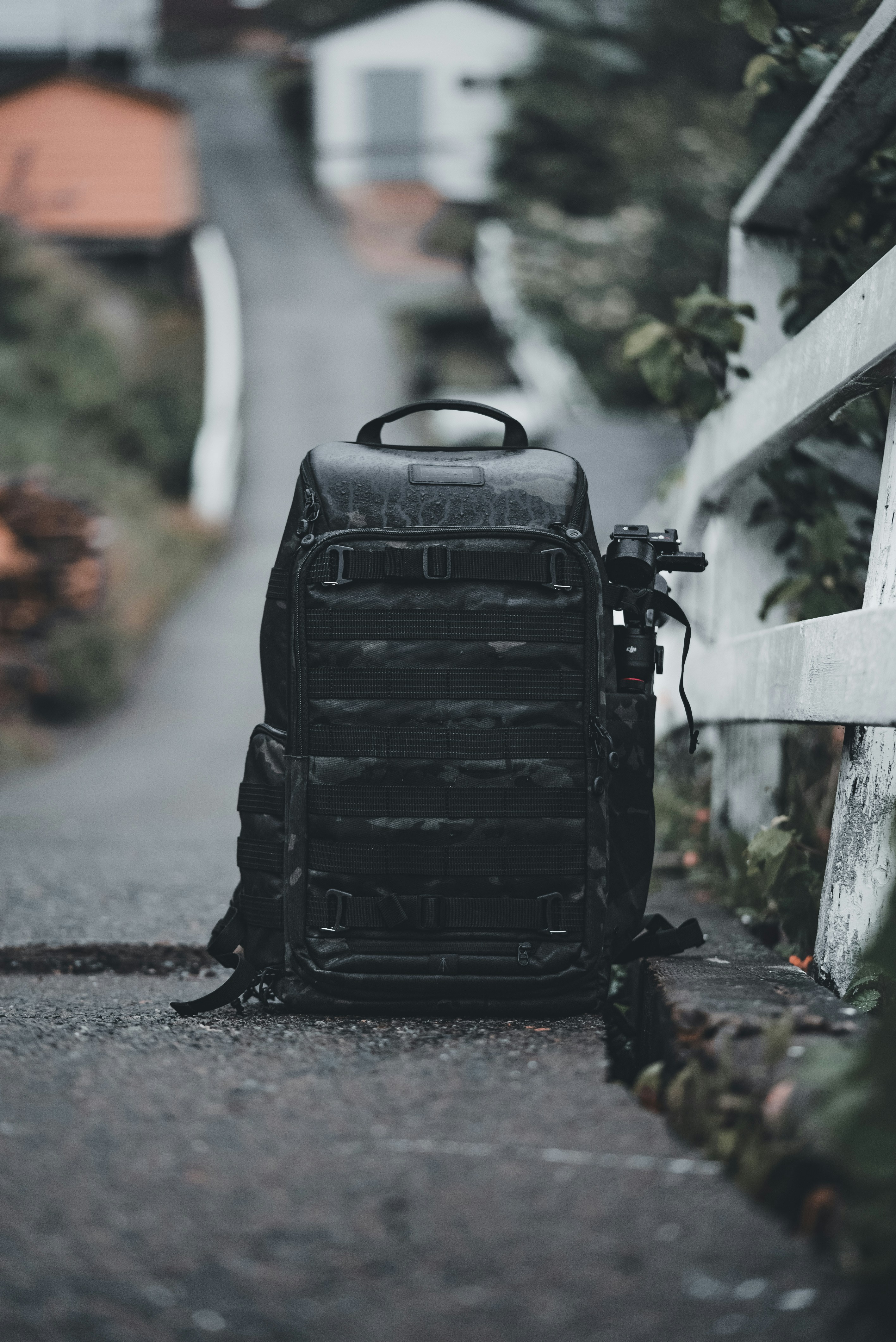
The allure of backpacking lies particularly in its ability to offer a sense of adventure. Those who partake in this journey can experience spontaneity and exploration, often leading to memorable encounters that are less likely to occur with conventional travel. For many beginners, the idea of traversing new landscapes, meeting diverse groups of people, and experiencing local cultures firsthand is incredibly exciting. Backpacking allows individuals to step out of their comfort zones, fostering personal growth and resilience.
Additionally, backpacking is often budget-friendly, making it a popular choice for students, young adults, and others seeking economical travel options. By prioritizing necessities and opting for cost-effective accommodation such as hostels, camping, or even staying with local hosts, backpackers can significantly minimize their expenses. This accessibility opens doors for individuals who might not otherwise have the resources to engage in extensive travel, thus democratizing the ability to explore new regions and cultures.
Furthermore, backpacking provides an excellent opportunity to connect with nature. Many journeys take place in scenic national parks, mountains, or remote areas where the beauty of the natural world is prominent. This connection with nature is beneficial not only for mental well-being but also encourages sustainable travel practices. The primary aim of this blog post is to equip novice backpackers with essential knowledge and tips that will prepare them for their own backpacking trips, ensuring a fulfilling and enjoyable experience.
Choosing the Right Backpack
Selecting the appropriate backpack is crucial for any backpacking adventure, especially for beginners. The right backpack not only affects the comfort of your journey but also impacts how efficiently you can pack and access your gear. One recommended option is the Osprey Farpoint 40 travel backpack, known for its suitability for novice backpackers due to its blend of functionality and comfort.
When choosing a backpack, size is a primary consideration. For beginners, a backpack that holds between 40 to 50 liters is often adequate for weekend trips or short excursions. This size allows you to pack essential items without overwhelming yourself with excess weight. It is advisable to ensure that the backpack fits snugly and is appropriate for your torso length as improper sizing can lead to discomfort on the trail.
Weight is another vital factor; a lighter backpack can significantly improve your overall trekking experience. Ideally, your backpack should weigh no more than 20% of your body weight. Lightweight materials and a minimalist design can help achieve this balance. Comfort is paramount as well; look for features such as padded shoulder straps, a supportive hip belt, and a well-ventilated back panel. These aspects can reduce strain during extended hikes, contributing to a more enjoyable experience.
Furthermore, consider features that cater specifically to beginners. Compartments and pockets for organization can simplify access to gear. Some backpacks also include hydration reservoir pockets, which encourage proper hydration during hikes. Ultimately, the right backpack can enhance your backpacking experience, allowing you to focus on enjoying nature rather than managing discomfort or disorganization.
Essential Packing Tips
Packing efficiently is crucial for any backpacking trip, especially for beginners who may feel overwhelmed by the task. One of the most effective strategies is to pack light, as carrying excessive weight can quickly diminish the enjoyment of your outdoor adventure. A good rule of thumb is to limit your pack’s weight to around 20% of your body weight, allowing for mobility and comfort on the trail.
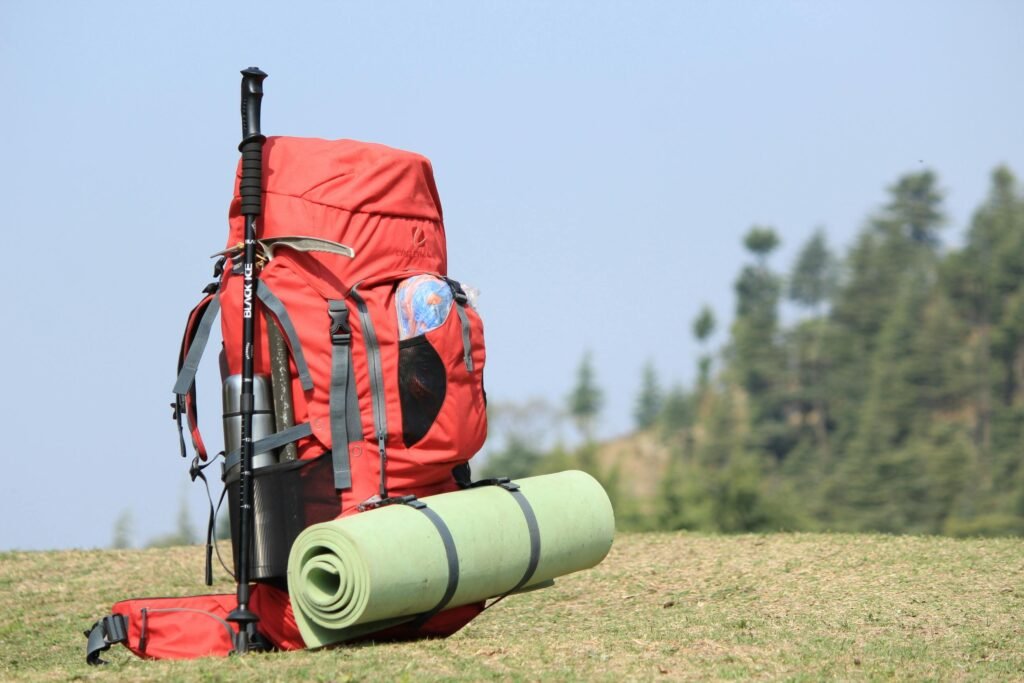
When packing, consider the importance of layering clothing to accommodate changing weather conditions. Start with a moisture-wicking base layer, followed by an insulating mid-layer like a fleece jacket, and finish with a waterproof outer shell. This approach allows you to add or remove layers as needed, keeping you comfortable throughout your journey. Additionally, utilizing packing cubes can revolutionize your packing process. These small, zippered bags help organize your items, making it easier to access specific gear without rummaging through your entire backpack.
Prioritizing essential versus non-essential items is another critical aspect. It is advisable to create a checklist of must-have gear before you pack. Essential items include a high-quality first-aid kit to address any injuries, nutritious snacks to maintain your energy levels, and personal items such as a multi-tool or a portable charger. Also, consider bringing a durable water bottle or hydration system to stay hydrated. Non-essential items, such as extra clothing or gadgets, can often be left behind to lighten your load.
By adhering to these practical packing tips, beginners can enhance their backpacking experience. Efficiency and light packing allow for a more enjoyable and comfortable trip, enabling one to focus on the beauty of the outdoors rather than the burden of a heavy backpack.
Safety Considerations
For beginner backpackers, ensuring personal safety during outdoor adventures is paramount. A significant first step involves thorough research and meticulous preparation prior to embarking on any trip. Understanding the terrain, weather patterns, and potential hazards associated with your chosen destination can substantially reduce risks. Utilize online resources, local guides, and maps to inform your planning.
Staying aware of your surroundings is critical while backpacking. Whether traversing through urban areas or venturing into the wilderness, maintaining situational awareness can help identify potential threats, be it from wildlife, unstable terrain, or even urban dangers such as traffic or crime. As a newcomer, you should familiarize yourself with the local wildlife and plant life, including what is safe and unsafe to encounter. This knowledge can prevent unexpected and potentially harmful situations.

Basic navigation skills are another essential component of safety in backpacking. Knowing how to read a map and use a compass can significantly enhance your ability to traverse unfamiliar landscapes. Consider enrolling in a navigation course or practicing these skills in a safe environment prior to your trip. Additionally, carrying a GPS device or a smartphone with downloading maps can provide an extra layer of security.
Before departing, ensure that someone knows your itinerary, including expected return dates. This precaution guarantees that help can be summoned if necessary. Furthermore, familiarize yourself with emergency procedures relevant to the area, such as protocols for first aid or how to contact local authorities. In both urban and wilderness settings, an understanding of these safety considerations can greatly enhance your backpacking experience, allowing for greater enjoyment and peace of mind.
Planning Your Backpacking Route
Planning a backpacking route is a foundational step in ensuring a successful and enjoyable outdoor experience. For beginners, it is essential to select beginner-friendly trails that match your skill level and physical condition. Utilize topographical maps and various mobile applications designed for outdoor navigation, such as AllTrails or Gaia GPS. These resources are invaluable as they provide detailed information about the terrain, trail conditions, and elevation changes, enabling you to make informed decisions.
Begin your planning by determining your desired destination and the length of your trip. Research various trails, considering factors such as distance, difficulty level, and available facilities. Beginner-friendly trails often feature well-marked paths and moderate inclines that are manageable for novice hikers. Understanding the terrain is crucial; be aware of rocky sections, stream crossings, or steep inclines that may pose challenges. Additionally, familiarize yourself with weather conditions in the area to ensure adaptability in your plans. Knowing the average temperatures, precipitation rates, and potential hazards can help you pack appropriately and time your hike for optimal conditions.
Flexibility is another important aspect of route planning. While having a detailed itinerary is beneficial, the outdoors can be unpredictable, and conditions may change unexpectedly. Be prepared to adjust your route based on weather conditions, trail closures, or personal comfort levels. Incorporating buffer days into your schedule allows for rest or detours while still achieving your backpacking objectives.
Lastly, consider consulting resources such as guidebooks, online forums, and local hiking groups. These platforms often provide firsthand accounts and recommendations that can enhance your planning process, offering insights into popular trails, hidden gems, and essential safety tips vital for any beginner. By approaching your route planning methodically, you lay the groundwork for a fulfilling backpacking adventure.
Budgeting for Your Adventure

Embarking on a backpacking journey requires careful financial planning to ensure that you can enjoy your travels without overspending. Start by estimating the total costs associated with your adventure, which can generally be divided into four main categories: transportation, accommodation, food, and gear. Understanding these expenses is essential to create a realistic budget tailored to your travel style and destination.
Transportation often consumes a significant portion of your budget. The cost will greatly depend on how far you are traveling as well as your mode of transportation. For instance, consider utilizing public transportation or budget airlines, which can dramatically reduce costs compared to taxis or rental cars. Additionally, it is wise to research various travel passes that may be available in your chosen region, as these can offer substantial savings on multiple journeys.
Another key expense is accommodation. Backpackers typically seek cost-effective options like hostels, shared dormitories, or campsites. These alternatives not only provide substantial savings but also offer the chance to meet fellow travelers. Websites and apps dedicated to budget travel can help you find the best deals and reviews for various accommodations.
Food is a daily expense you can control quite effectively. Eating at restaurants can quickly deplete your budget, so consider preparing your meals whenever possible. Investing in a portable stove or opting for takeout from local markets can enhance your savings while giving you an authentic culinary experience. Additionally, many hostels provide kitchen facilities, allowing you to cook and share meals with other travelers.
Lastly, invest only in essential gear before embarking on your trip. Look for second-hand equipment or consider renting items you may only use once. By prioritizing your spending in each category and seeking out economical choices, you can maximize your backpacking experience while still sticking to a budget that works for you.
Dealing with Common Challenges
Backpacking can be an exhilarating experience, but it is not without its challenges, particularly for beginners. Understanding these common obstacles and having strategies to overcome them is essential for a successful hiking trip. Fatigue is often one of the first hurdles. Many novice backpackers underestimate the physical demands of carrying a fully loaded pack over varied terrain. To mitigate this, it is advisable to build stamina ahead of time through regular exercise, including hiking, cycling, or other aerobic activities. Gradually increasing workout intensity and duration can greatly enhance endurance and prepare you for the rigors of backpacking.
Another significant challenge is the potential for unplanned weather changes. Weather conditions in wilderness areas can shift rapidly, creating a need for versatility in your gear. Packing weather-appropriate clothing and equipment is crucial. Begin by checking the forecast for your destination, then consider bringing layers that can be added or removed according to the weather. A reliable waterproof jacket and proper footwear will not only keep you dry but will also improve your overall comfort and safety during your journey.
Equipment malfunctions can also pose serious issues while on the trail. New backpackers may encounter problems such as torn pack straps or malfunctioning tents. Knowing how to perform basic repairs can make a considerable difference. Carrying a small repair kit that includes duct tape, multi-tools, and spare tent stakes can address many minor issues on the spot. Furthermore, familiarize yourself with your gear before heading out, ensuring you know how to operate and fix it if needed. By being prepared and understanding these challenges, beginner backpackers can enhance their experiences and develop skills crucial for future adventures.
Connecting with Other Backpackers
For beginners embarking on a backpacking journey, one of the most enriching aspects of the experience is the opportunity to connect with fellow travelers. The backpacking community is vast and diverse, offering a range of insights and experiences that can enhance one’s travels. Building connections not only fosters camaraderie but also facilitates the sharing of valuable tips, resources, and support.

To begin networking with other backpackers, social media platforms serve as an excellent starting point. Websites such as Facebook, Instagram, and Twitter host various groups and hashtags dedicated to backpacking interests. Joining these groups allows beginners to engage with seasoned travelers, ask questions, and get recommendations for their itineraries. Additionally, platforms like Couchsurfing and Meetup provide opportunities to attend local events where travelers can share stories and tips while building friendships.
Group tours also offer an excellent avenue for beginners to connect with other adventurers. These organized excursions not only alleviate the stress of planning but also create a communal environment in which participants often form lasting bonds. Many backpackers find that they build strong friendships in just a matter of days on these tours, which may even lead to future travel partners.
Local events, such as travel fairs or outdoor festivals, can further enhance the social aspect of backpacking. These gatherings often showcase exhibitors and speakers who share their insights about destinations, gear, and traveler safety. By attending such events, beginners can meet local backpackers familiar with their desired regions, gaining first-hand advice that can significantly enhance their travel experiences.
In conclusion, engaging with the backpacking community not only enriches one’s travel experience but also creates a support network that fosters personal growth and adventure. By leveraging social media, group tours, and local events, beginners can meet like-minded individuals who share the passion for exploring the world while creating unforgettable memories together.
Final Thoughts and Encouragement
As you embark on your journey into the world of backpacking, it is essential to recognize that this adventure is not merely about traversing landscapes and reaching destinations, but about personal growth and discovery. Each trail, each campsite, and every experience you encounter will offer valuable lessons that contribute to your overall development. Embrace the challenges and uncertainties that come with backpacking, as they often lead to the most rewarding moments.
Backpacking is a unique opportunity to connect with nature while simultaneously disconnecting from the hustle and bustle of daily life. It allows for deep reflection, as well as moments of exhilaration when you reach a viewpoint that leaves you breathless. The beauty of the natural world serves as a backdrop to your personal journey, inviting you to appreciate the simplicity and magnificence of your surroundings. Remember that the true essence of backpacking lies not only in conquering trails but also in creating lasting memories with friends, family, or even strangers you meet along the way.
As a beginner, it is perfectly natural to feel a mix of excitement and apprehension. However, every seasoned backpacker has once begun their journey with similar feelings. Take the first step with an open mind, allowing the experiences to unfold naturally. Equip yourself with the necessary knowledge, gear, and preparedness, but also be ready to embrace spontaneity. Each trip will build your confidence and enhance your skills, paving the way for future adventures.
In conclusion, backpacking is an enriching experience that fosters a sense of adventure, independence, and exploration. Start with short trips, and gradually challenge yourself with more demanding journeys as your passion grows. Step into this vibrant world with enthusiasm, and you are sure to create incredible memories that will last a lifetime. Happy trails!