
Berlin Urban Adventure: Capturing the Heart of the City with Compact Cameras
Introduction to Berlin’s Urban Landscape
Berlin, the capital of Germany, is a city that boasts an incredibly rich and diverse urban landscape, shaped by its tumultuous history, cultural evolution, and vibrant contemporary life. With historical roots tracing back to the 13th century, the city has undergone significant transformations, each leaving an indelible mark on its architecture and atmosphere. The remnants of its storied past coexist alongside modern developments, creating a unique skyline that reflects both its heritage and forward-thinking ethos.
One of the most remarkable aspects of Berlin is its street art scene, which has flourished in recent years. Wandering through districts like Friedrichshain and Kreuzberg, one can discover an ever-changing tapestry of murals and graffiti adorning the walls. These artworks provide not only a canvas for artistic expression but also a glimpse into the social and political conversations that permeate local culture. The streets of Berlin serve as an open gallery, inviting photographers to capture the essence of the city through their compact cameras, highlighting the interplay of light, color, and urban narratives.
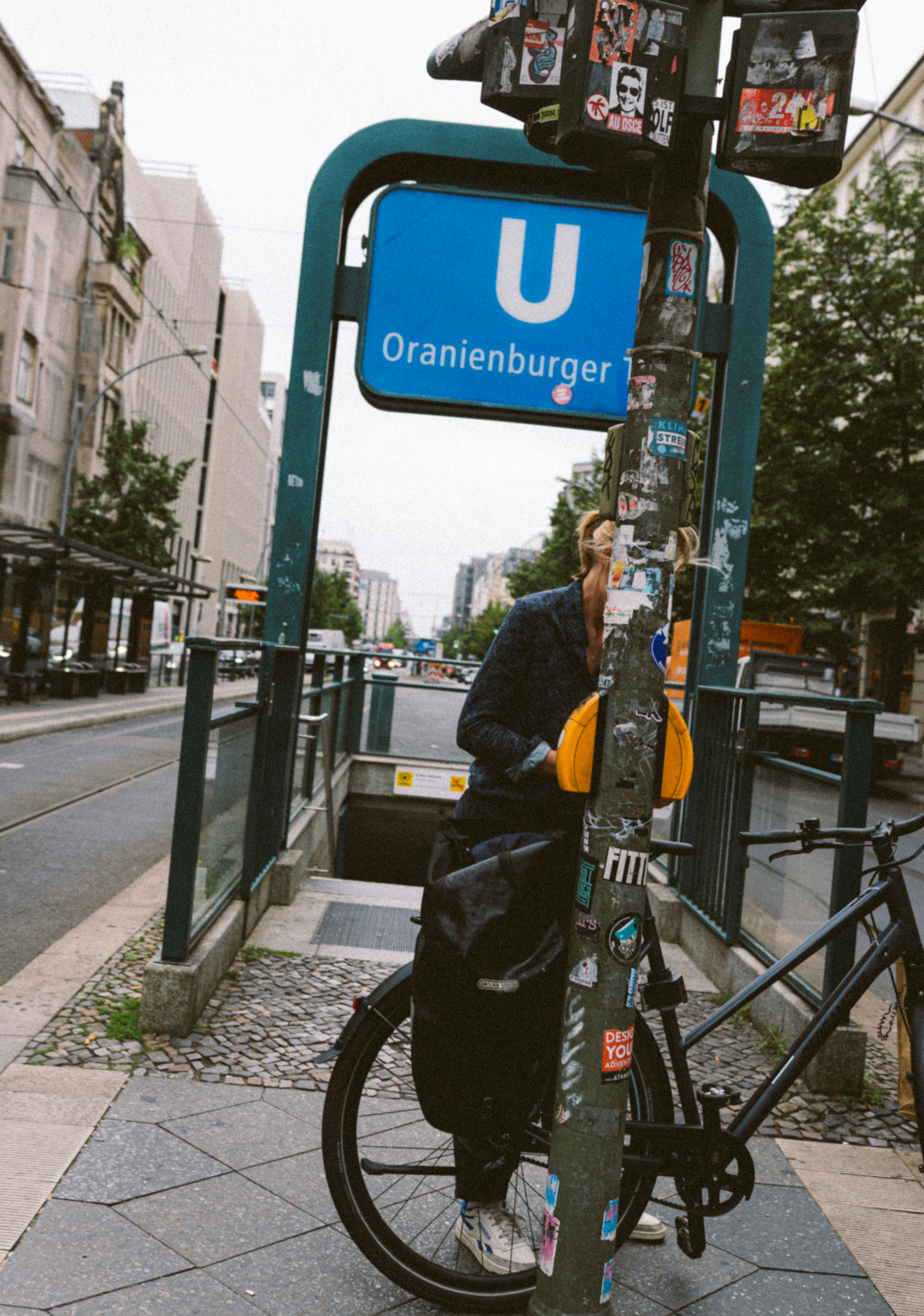
Moreover, Berlin is known for its lively nightlife, offering an eclectic mix of bars, clubs, and unique venues. From techno sanctuaries housed in former factories to cozy pubs nestled in historic buildings, the nightlife enriches the city’s vibrant atmosphere. Jaw-dropping performances, electric dance parties, and laid-back ambience create a dynamic experience for both residents and visitors, making the city a favored destination for creatives and night owls alike.
In addition to its nightlife and street art, Berlin is home to some of the world’s most renowned museums. The Museum Island, a UNESCO World Heritage site, showcases collections that span millennia, allowing visitors to immerse themselves in art and history. These cultural gems provide countless opportunities for photography enthusiasts to explore Berlin’s urban landscape, capturing the essence of the city through the lens of portable, compact cameras.
Exploring Berlin’s Street Art Scene
Berlin’s street art scene is a vibrant tapestry of creativity, reflecting the city’s rich history and diverse culture. The walls of Berlin serve as canvases for a myriad of artists, transforming urban spaces into dynamic exhibitions that continuously evolve. Iconic locations such as the East Side Gallery, a preserved section of the Berlin Wall, showcase stunning murals that speak to themes of freedom, unity, and resilience. This influential spot features works by renowned international artists and local talent, making it a must-visit for those interested in the fusion of history and modern art.
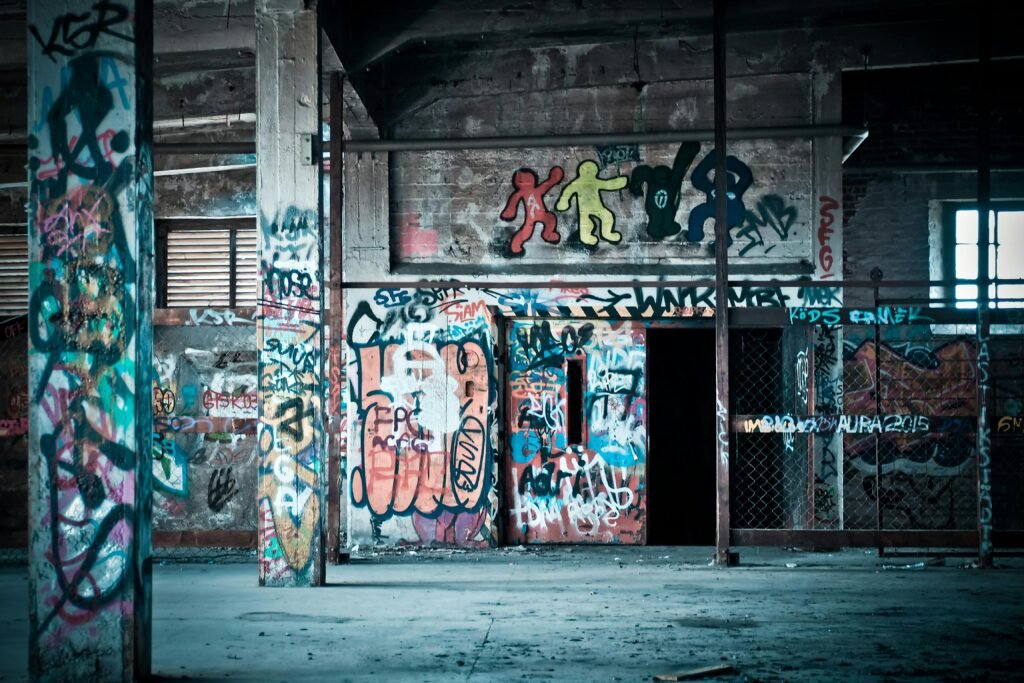
The neighborhood of Kreuzberg is another focal point for street art enthusiasts. With its eclectic atmosphere, Kreuzberg offers a glimpse into various styles, ranging from politically charged graffiti to whimsical stencils. The area’s backstreets are filled with hidden gems that reveal the voices of different communities and subcultures. This district’s walls tell stories of social movements and personal narratives, providing context to the artwork displayed. As you explore these areas, you may notice the stark contrasts in style—from intricate murals that showcase exceptional craftsmanship to spontaneous tags and throw-ups that convey raw emotion.
When photographing street art in Berlin, consider the time of day and lighting conditions. Early mornings or late afternoons provide soft, natural light that can enhance the visual appeal of your images. Framing your shot to include contextual elements, such as the surrounding architecture or the artist at work, adds depth to your photography. Using a compact camera allows for versatility in capturing close-ups or wider shots without drawing too much attention to yourself. Ultimately, the process of capturing Berlin’s street art is as much about appreciating the stories behind each piece as it is about the act of photography itself, creating a rich narrative that connects the viewer to the pulse of the city.
A Night Out in Berlin: Capturing the Vibe
Berlin’s nightlife is an exhilarating blend of culture, energy, and creativity, offering a unique experience for both locals and visitors. As the sun sets, the city transforms into a vibrant playground filled with an array of bars, dance clubs, and late-night eateries, each contributing to the eclectic atmosphere that defines Berlin after dark. The pulsating beats of music spill out into the streets, while the laughter and chatter of night owls create an inviting symphony that beckons others to join in the revelry.
To capture the essence of Berlin’s nightlife with a compact camera, one must first understand the nuances of low-light photography. Since many of the city’s hottest venues are dimly lit, it’s essential to adjust your settings accordingly. Increasing the ISO can help to capture brighter images without a flash, which can often disrupt the mood. Additionally, utilizing a lens with a wide aperture allows for the right amount of light to flood in, creating beautifully blurred backgrounds that highlight your subjects.
Another crucial aspect of night photography is stability. Because low-light conditions can cause blurriness due to camera shake, consider using a small portable tripod or setting the camera on a stable surface to ensure clarity. Emphasizing movement can also enhance the storytelling aspect of your photos. By utilizing slower shutter speeds, you can illustrate the dynamic energy of the crowd as they dance the night away.
Ultimately, Berlin’s vibrant nightlife presents a captivating canvas for photography, capturing not just the visuals but the very spirit of the city. By selecting specific moments and elements, one can effectively convey the electrifying atmosphere that characterizes a night out in Berlin. Exploring the various locales and their unique aesthetics will lead to a diverse collection of images that resonate with both the photographer’s experience and the city’s infectious charm.
Berlin’s Museums: A Cultural Showcase
Berlin is home to an extensive array of museums that reflect the city’s rich history and vibrant culture. At the heart of this cultural landscape is Museum Island, a UNESCO World Heritage site that houses five remarkable museums: the Altes Museum, the Neues Museum, the Alte Nationalgalerie, the Bode Museum, and the Pergamon Museum. Each institution boasts unique architectural designs, with styles ranging from neoclassical to modern, inviting visitors to appreciate both the beauty of the buildings and the treasures they contain.
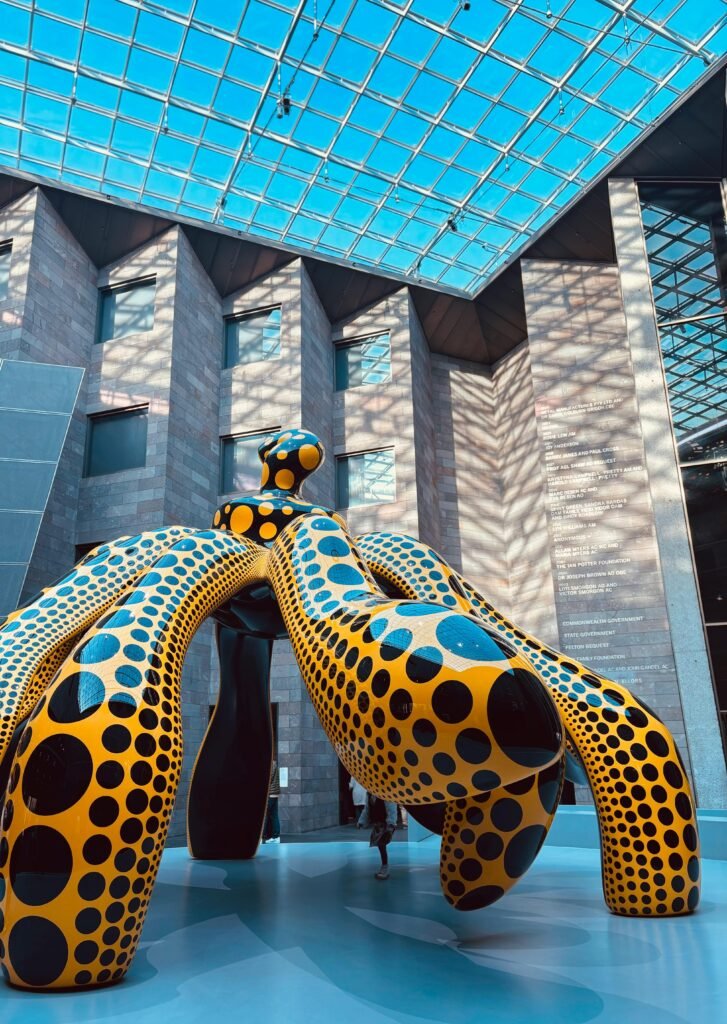
Among the collections displayed, one can find invaluable artifacts from ancient civilizations, impressive sculptures, and renowned paintings by artists like Caspar David Friedrich and Vincent van Gogh. The allure of these masterpieces can be captivating for photographers aiming to capture the essence of art and culture. However, photographing artworks indoors presents its own set of challenges, particularly in low-light environments typical of museum settings.
When preparing to photograph in Berlin’s museums, it’s essential to respect the rules often placed by these institutions regarding the use of flash and tripods, as well as to be conscious of the presence of other visitors. To capture stunning images, one might consider adjusting camera settings to accommodate low-light conditions. This includes employing a higher ISO setting to enhance sensitivity to light, which enables clearer shots while reducing blurriness. Utilizing a wider aperture can also aid in letting more light into the camera, allowing for better exposure even in dimly lit galleries.
Moreover, composing shots thoughtfully by using leading lines, framing the artwork, or capturing reflections can amplify the overall impact of the photographs. Berlin’s museums offer a wealth of opportunities to not only appreciate art but also to document its beauty through a compact camera lens. Whether in the grandeur of Museum Island or the poignant narratives presented at the Jewish Museum, capturing Berlin’s cultural essence becomes a rewarding urban adventure.
Choosing the Right Camera: Overview of Compact Cameras
When embarking on an urban adventure in a bustling city like Berlin, selecting the right compact camera is pivotal for capturing memorable moments. Compact cameras are popular among travelers and street photographers due to their portability, image quality, and user-friendly design. They provide an excellent balance between performance and convenience, making them ideal for those who wish to document their explorations without the burden of heavy equipment.



Portability is a key advantage of compact cameras. Unlike their DSLR or mirrorless counterparts, compact options are generally lightweight and easily fit into bags or pockets, allowing photographers to navigate crowded streets and unpredictable environments with ease. This attribute encourages spontaneous photography, as users can readily capture fleeting moments that might otherwise be missed. Additionally, many compact cameras are designed to withstand various weather conditions, contributing to their suitability for urban adventures.
Another vital aspect to consider is image quality. While compact cameras are conveniently sized, many modern models boast impressive sensors and advanced optics that produce high-resolution images. Look for a camera with a larger sensor size to enhance low-light performance, which can be particularly beneficial when exploring urban settings after dark or in dimly lit venues. Furthermore, an array of settings and features, such as optical zoom and stabilization, can elevate the quality of photos taken in dynamic urban environments.
Ease of use is equally important when selecting a compact camera. For those who may not be seasoned photographers, intuitive controls and automatic settings can simplify the shooting process. Ergonomic designs and touchscreen interfaces contribute to a more enjoyable experience, allowing photographers to concentrate on their surroundings rather than navigating complex menus. As you consider various compact camera options, prioritize models that align with your photography style, ensuring that you can effortlessly capture the essence of your urban adventure.
Camera Comparison: Model A vs. Model B
When it comes to capturing the essence of Berlin’s urban landscape, selecting the right compact camera is crucial. This analysis will focus on two popular models available on Amazon: Model A and Model B. Each camera comes with distinct features suitable for street photography, art documentation, and urban exploration.
Model A offers a 20-megapixel sensor paired with a bright f/1.8 lens, enabling exceptional low-light performance, which is particularly beneficial for capturing nightlife scenes or dimly lit galleries. Its in-built image stabilization helps reduce motion blur, an essential feature when photographing bustling street art from non-stationary positions. Additionally, Model A boasts a fast autofocus system, allowing photographers to quickly capture spontaneous moments, a common occurrence in vibrant urban environments. On the downside, the battery life may prove inadequate for long outings, necessitating a backup or additional charging provisions.
Model B, on the other hand, features a 16-megapixel sensor but compensates with a wider zoom range up to 10x, making it versatile for both wide-angle shots of cityscapes and close-ups of intricate artwork. One notable advantage of Model B is its rugged design, making it resistant to water splashes and minor impacts – ideal for urban environments where the conditions can be unpredictable. However, its f/2.8 aperture may not perform as well in low-light conditions compared to Model A, potentially limiting its effectiveness during nighttime photography.
In conclusion, both Model A and Model B have strengths that cater to different photographic needs. While Model A excels in low-light and quick capture scenarios, Model B offers versatility and durability, making it well-suited for various urban photography opportunities. Choosing between these models ultimately depends on the specific requirements of the photographer and the type of urban experiences they wish to document.
Which Camera is Better for Urban Photography in Berlin?
When choosing a camera for urban photography in Berlin, several factors must be critically examined to determine which model excels in capturing the intricacies of city life. Two popular compact camera types are often discussed in this context: the premium compact camera and the mirrorless model. Each option offers unique advantages that cater well to the urban environment.
Firstly, lens versatility is paramount in an urban setting, where photographers may encounter a range of subjects, from vast cityscapes to intricate architectural details. Premium compact cameras typically have fixed lenses with impressive focal lengths, allowing photographers to capture wide-angle views ideal for expansive scenes like the iconic Brandenburg Gate. In contrast, many mirrorless cameras provide interchangeable lenses, offering heightened flexibility for specific shooting needs, such as macro photography in Berlin’s hidden courtyards or street portraiture.
Low light performance is another critical consideration. Berlin’s vibrant nightlife is an alluring subject for photography, and both camera types have models that perform admirably in dim conditions. However, mirrorless cameras often have larger sensors, which can yield superior image quality in low light, making them an appealing choice for evening street photography.
Portability is essential when traversing the urban landscape. Compact cameras tend to be smaller and lighter, making them easy to carry around during long days of exploration. This advantage allows photographers to remain agile, capturing spontaneous moments throughout the city’s lively streets without being hindered by cumbersome equipment.
User-friendliness also plays a role in the decision-making process. While premium compact cameras are often designed with straightforward controls suitable for beginners, mirrorless cameras may offer more advanced features that appeal to seasoned photographers. Each photographer’s experience level may thus dictate their choice.
In conclusion, the best camera for urban photography in Berlin ultimately depends on individual preferences and shooting styles. Each camera type has its strengths and nuances that can significantly enhance the experience of capturing the city’s vibrant essence.
Tips for Urban Photography: Maximize Your Compact Camera Experience
Urban photography presents a unique opportunity to document the vibrant essence of a city, and using a compact camera can enhance this experience due to its portability and ease of use. To make the most out of your compact camera, the first step is to master composition techniques. Consider applying the rule of thirds; envision your frame divided into nine equal parts by two horizontal and two vertical lines. Positioning key elements along these lines or at their intersections can create a balanced and engaging image. Experimenting with different angles and perspectives can also profoundly alter the visual narrative of your shots.
When embarking on a photography adventure in Berlin, lighting is another critical factor to consider. The quality of light changes significantly throughout the day. Early mornings and late afternoons often provide softer, more flattering light, ideal for capturing street scenes and architectural details. Conversely, nighttime reveals the city’s dynamic nightlife, where artificial lighting can create dramatic contrasts. Utilizing a compact camera’s manual settings can help control exposure, ensuring that your pictures reflect the true ambiance of the city.
To effectively capture the essence of Berlin’s streets, nightlife, and museums, it is essential to be observant and patient. Often, the most compelling photographs emerge from spontaneous moments, whether it’s a street performer captivating the crowd or the unique interplay of shadows and light on iconic buildings. Carry your compact camera conveniently to encourage you to snap pictures whenever inspiration strikes. Additionally, invest time in exploring lesser-known neighborhoods, as these areas can reveal hidden gems that typify the urban character of Berlin.
Ultimately, the key to maximizing your compact camera experience lies in practice and exploration. By applying these tips, you can create a vivid visual narrative that captures the heart of Berlin’s architecture, culture, and everyday life.
Conclusion: Embarking on Your Own Berlin Urban Adventure
As one reflects on the vibrant scenes and eclectic culture of Berlin, it becomes evident that the city offers a plethora of opportunities for urban exploration and creative expression. With its rich history, stunning architecture, and diverse neighborhoods, Berlin serves as an ideal backdrop for those keen on capturing their experiences through photography. Whether you are a seasoned photographer or a novice using a compact camera, the art of urban adventure in Berlin promises to be an exhilarating journey.
Venturing into the city’s bustling streets allows individuals to experience Berlin’s unique character firsthand. From the historic remnants of the Berlin Wall to the contemporary art installations in the East Side Gallery, each corner of the city invites photographers to document stories waiting to unfold. The vibrant street art, lively markets, and cultural festivals further enhance the narrative, providing a tapestry of life that is both captivating and inspiring. Engaging with the local culture not only enriches the photograph but also deepens one’s connection to the city.
Furthermore, compact cameras present a versatile tool for urban adventurers, allowing for unobtrusive capture of candid moments and stunning landscapes. Their portability ensures that one can maneuver through the dynamic urban environment effortlessly, seizing fleeting instances of everyday life. By embracing the spontaneity that comes with urban exploration, photographers can create genuine reflections of their adventures in Berlin.
In an age where documenting experiences has become increasingly accessible, it is easy to be captivated by the charm and energy of Berlin. This journey into the heart of the city is not merely about taking pictures; it is about engaging with the stories that lie behind each frame. As you embark on your own Berlin urban adventure, let your compact camera be your companion in discovering the city’s endless narrative, appreciating the joyful moments that arise from capturing everyday life.