
Best Noise-Canceling Headphones for Travel: Bose vs Sony vs Budget Amazon Alternatives
Introduction to Noise-Canceling Headphones for Travel
Traveling, whether for business or leisure, often involves prolonged exposure to various noise environments. From the rumble of airplane engines to bustling train stations, external sounds can significantly detract from the overall travel experience. This is where noise-canceling headphones come into play. These innovative audio devices utilize advanced technology to filter out disruptive background noise, allowing travelers to immerse themselves in their music, podcasts, or audiobooks without distractions.
The significance of quality noise-canceling headphones becomes particularly evident during flights. The aircraft cabin can be a cacophony of sounds, including engine noise, chatter from fellow passengers, and announcements from the crew. High-quality headphones designed specifically for travel offer a comforting solution, providing a peaceful listening experience that can turn an otherwise noisy environment into a serene space.
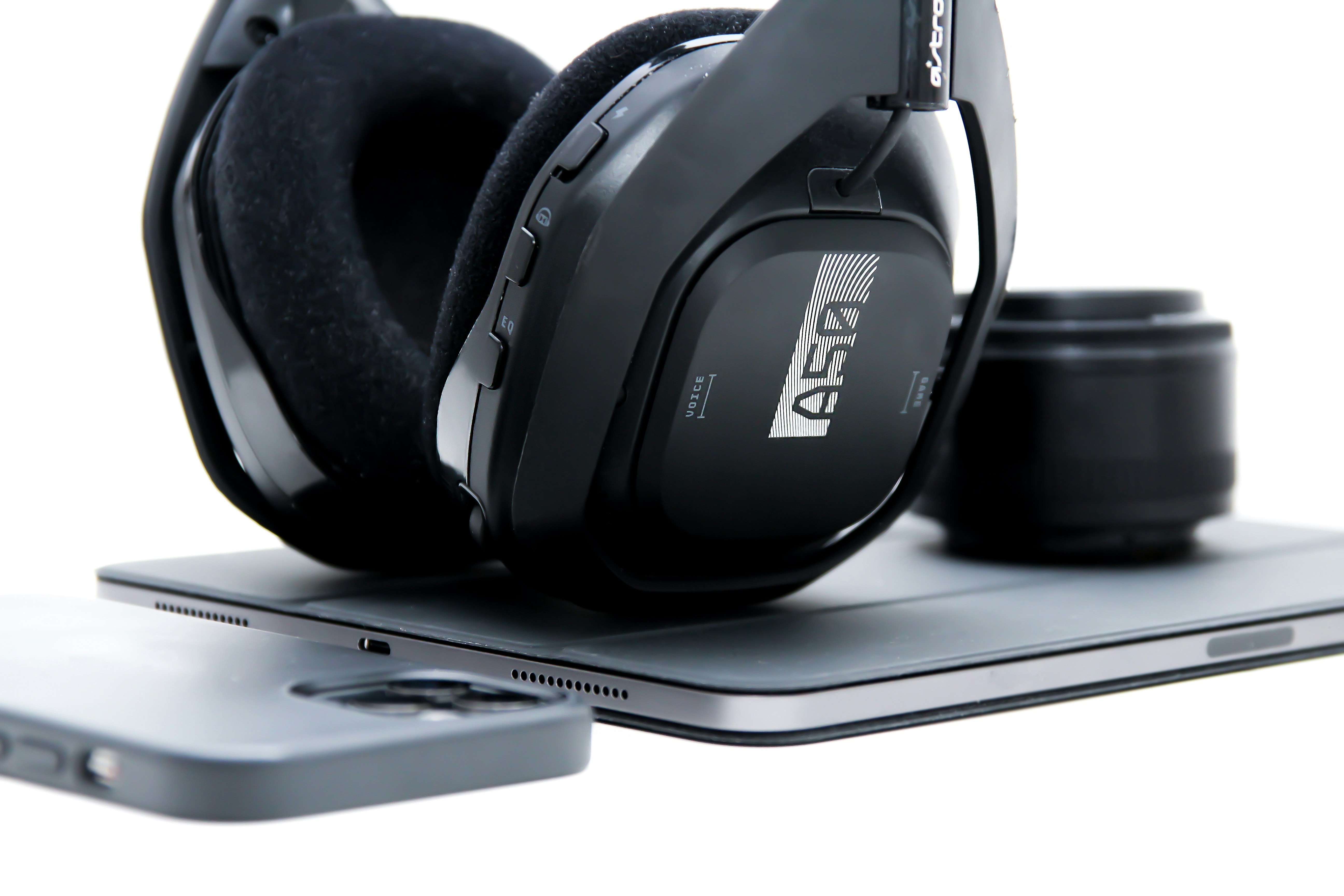
In addition to enhancing audio quality, noise-canceling headphones contribute to a more relaxed atmosphere by minimizing auditory distractions. This reduction in surrounding noise not only ensures a clearer sound experience but also promotes comfort during long journeys. Users can better focus on their entertainment options, blocking out interruptions and potentially alleviating travel-related stress.
Furthermore, many travelers use noise-canceling headphones as a tool for better rest or concentration. By creating a tranquil soundscape, these headphones can help users nap or work effectively, no matter where they are. For frequent flyers or those on the go, investing in a pair of reliable noise-canceling headphones can be transformative, enhancing the overall travel experience.
Benefits of Noise-Canceling Headphones During Flights
Traveling by air can often be a stressful experience, particularly due to a variety of disruptive noises that are prevalent in the cabin. Engine noise, fellow passengers, and general air travel commotion can create an environment that is less than conducive for rest or relaxation. This is where noise-canceling headphones shine, offering travelers significant benefits that enhance the overall flying experience.

One of the primary advantages of using noise-canceling headphones during flights is their ability to significantly reduce ambient noise. Engine hum, which can be particularly loud on most flights, is effectively dampened, allowing travelers to immerse themselves in their favorite music or podcasts without distraction. This improved audio experience not only enhances entertainment but also contributes to a more enjoyable journey.
Furthermore, noise-canceling headphones play an important role in creating a peaceful environment that promotes better sleep quality. On long-haul flights, it can be incredibly challenging to rest due to the constant noise. By blocking out unwanted sounds, these headphones enable travelers to achieve a state of tranquility, making it easier to drift off to sleep and reducing feelings of fatigue upon arrival. This is especially beneficial for frequent flyers, who often need to maximize their rest time during flights.
Additionally, the psychological benefits of using noise-canceling headphones cannot be overstated. The reduction in noise can lead to a palpable decrease in stress levels, helping travelers to feel more relaxed and in control. In an environment that is often chaotic and overwhelming, these headphones provide a simple yet effective solution for travelers to reclaim their space and find peace amidst the turbulence of air travel.
Comparative Overview: Bose vs Sony Noise-Canceling Headphones
Bose and Sony have long been regarded as frontrunners in the realm of noise-canceling headphone technology. Each brand possesses a rich history grounded in audio innovation, carving out a distinct reputation among consumers and audiophiles alike. Established in 1964, Bose has consistently focused on producing high-quality audio products that emphasize sound quality, comfort, and state-of-the-art noise cancellation techniques. Their QuietComfort series has been particularly well-received, offering exceptional performance in various environments—especially while traveling.
In contrast, Sony’s commitment to audio excellence dates back to its inception in 1946, where it garnered a reputation for technological advancements. The company has continuously pushed the boundaries of audio engineering, resulting in the critically acclaimed WH-1000XM series, which frequently rivals its Bose counterparts. Sony’s noise cancellation technology, often labeled Adaptive Sound Control, incorporates sensors that adjust environmental awareness based on user activity, further enhancing the travel experience.
Both brands have amassed a loyal following due to their emphasis on innovation and quality. Bose headphones are renowned for their straightforward user experience and commendable voice pick-up capabilities, making them ideal for voice calls.On the other hand, Sony’s headphones frequently include additional features, such as touch controls and customizable sound profiles, allowing for a more personalized listening experience.
While Bose often leads with superior comfort and consistent passive noise isolation, Sony distinguishes itself with cutting-edge features and competitive pricing. In this comparative overview, both brands showcase unique qualities, making them excellent choices for travelers seeking effective noise-canceling solutions. Ultimately, the decision between Bose and Sony may boil down to personal preferences and specific use-case scenarios in audio consumption.
Sound Quality Comparison
When selecting the best noise-canceling headphones for travel, sound quality is a critical factor that greatly influences the listening experience. Bose and Sony are two of the most prominent brands in this market, each delivering unique audio characteristics. Bose headphones are often praised for their superb audio clarity, making them ideal for both music aficionados and casual listeners alike. The trademark lifelike sound signature produced by Bose creates a listening experience that is exceptionally immersive, allowing users to appreciate various sonic details in their favorite tracks.
In terms of bass response, Bose tends to favor a more balanced approach, offering sufficient depth without overwhelming the mids and highs. This is particularly appealing to those who enjoy a diverse range of genres, from classical to rock. However, users who prefer a more pronounced bass may find Bose lacking in that department. On the other hand, Sony headphones are frequently acclaimed for their rich bass response, delivering a powerful low-end that can enhance genres like hip-hop and electronic dance music. The active noise cancellation feature in Sony’s models also works in tandem with the sound performance, providing listeners with an uninterrupted audio experience.
Expert opinions support these claims, with many reviewers noting that both brands deliver a well-rounded sound experience. User reviews often highlight Bose’s prowess in providing crystal-clear vocals and instrumental separation, while Sony users appreciate the impactful bass and dynamic range. Ultimately, the choice between Bose and Sony headphones comes down to personal listening preferences. If clarity and balance are paramount, Bose is the go-to option; however, if powerful bass is what you seek, Sony may be the preferable choice.
Noise Cancellation Effectiveness
Noise cancellation technology has evolved significantly over recent years, and both Bose and Sony have established themselves as leaders in this domain. These brands employ advanced methods to ensure optimal noise reduction, making their headphones ideal for travelers seeking a serene auditory environment.
Bose utilizes a combination of passive noise isolation and active noise cancellation (ANC) to mitigate external noise. Their ANC technology involves the use of microphones to pick up surrounding sounds, which are then countered with sound waves that directly mute the noise. This approach is incredibly effective for eliminating low-frequency sounds, such as the hum of an airplane engine or the chatter of fellow travelers. Additionally, Bose headphones often feature user-friendly settings that allow wearers to adjust the level of noise cancellation according to their preferences.
On the other hand, Sony’s approach to noise cancellation also incorporates a dual feedback system that analyzes external sounds and adapts to changes in the environment in real time. This adaptive noise canceling technology ensures that users experience consistent sound quality, regardless of their surroundings. Furthermore, Sony headphones come equipped with various sound modes, enabling travelers to customize their listening experience. For instance, the Ambient Sound mode lets users hear important announcements without taking off their headphones, which adds a layer of convenience, especially in busy travel environments.
Both brands have effectively integrated features such as touch controls and voice assistants, enhancing the overall user experience. While Bose emphasizes comfort and simplicity, Sony focuses on versatility and customization in their noise-canceling capabilities. In a direct comparison, the choice between Bose and Sony headphones ultimately depends on individual preferences regarding sound profile and additional functionalities.
Battery Life and Durability
When selecting the best noise-canceling headphones for travel, battery life and durability are critical factors. The Bose QuietComfort series and Sony WH-1000XM series are often at the forefront of this comparison. Bose noise-canceling headphones typically offer an impressive battery life, with the QuietComfort 45 model providing up to 24 hours of continuous use on a single charge. Furthermore, these headphones support fast charging, allowing travelers to quickly regain several hours of playback after just a 15-minute charge.
On the other hand, the Sony WH-1000XM4 is not far behind, delivering approximately 30 hours of playtime with noise cancellation enabled. Additionally, it features similar quick-charge capabilities, allowing for about five hours of usage after just a ten-minute charge. This extended battery life can be particularly advantageous for travelers who may not always have access to charging options during long flights or layovers.

- ACTIVE NOISE CANCELLATION: Premium noise canceling with Dual Noise Sensor technology
- LONG BATTERY LIFE: Up to 30-hour battery life with quick charging (10 min charge for 5 hours of playback) (USB Type-C Ca…
- TOUCH SENSOR CONTROLS: Pause play skip tracks, control volume, activate your voice assistant, and answer phone calls.
Durability also plays a significant role in the practicality of these headphones for travelers. Both companies have prioritized build quality, but their approaches differ. The Bose models are renowned for their lightweight and comfortable design; however, they may be more susceptible to wear and tear with rigorous use compared to Sony’s devices. The Sony WH-1000XM4, while slightly heavier, are constructed with premium materials, making them more resilient to physical shocks and wear.
In conclusion, when evaluating battery life and durability, the Sony WH-1000XM4 excels with its longer usage time and robust design, while Bose’s QuietComfort series offers rapid charging and a lighter build. Ultimately, the choice may come down to personal preference regarding comfort and how each pair aligns with the traveler’s specific needs.
Comfort and Fit for Long Flights
When embarking on long journeys, the importance of comfort in noise-canceling headphones cannot be overstated. Two leading brands in this category, Bose and Sony, provide models that are lauded for their ergonomic designs, which play a crucial role in the overall user experience throughout extended wear.
Bose headphones are particularly known for their lightweight nature, often making them a top choice for travelers. Models like the Bose QuietComfort series feature plush ear cushions made from soft materials that conform gently to the ears. This design minimizes pressure points, allowing users to enjoy hours of listening without discomfort. Furthermore, the clamping force of these headphones is optimized to ensure they remain securely in place while still being light enough to avoid fatigue.
On the other hand, Sony has made significant strides in comfort with their WH-1000XM series. These headphones are designed with a focus on balance and fit, featuring a snug but gentle fit. The ear cups are generously cushioned with a comfortable fabric that provides not only a luxurious feel but also enhances the acoustic seal, which is particularly beneficial for noise cancellation. The adjustable headband allows for a customized fit, ensuring that regardless of head size or shape, users can enjoy a comfortable experience.
The weight of the headphones also plays a pivotal role in user experience during travel. Heavier headphones can lead to discomfort over time, especially during long flights. Both Bose and Sony models are engineered to be lightweight, thus reducing the burden on the neck and head. Ultimately, the choice between these brands may come down to personal preference regarding fit and feel, but both offer exceptional solutions for comfort on lengthy air travel.
Budget Alternatives: Exploring Amazon Options
When searching for quality noise-canceling headphones that are budget-friendly, Amazon offers a wide selection of affordable alternatives that can compete with premium brands like Bose and Sony. While these budget options may not feature the same level of advanced technology, many provide satisfactory performance without breaking the bank.
One notable entry is the Anker Soundcore Life Q20, which boasts hybrid active noise cancellation. These headphones effectively reduce background noise and provide a balanced sound profile, making them suitable for travelers seeking to enjoy music or movies on the go. Users report impressive battery life, lasting up to 40 hours on a single charge, which is a significant draw for frequent flyers.

- Hybrid Active Noise Cancelling: 2 internal and 2 external mics work in tandem to detect external noise and effectively r…
- Immerse Yourself in Detailed Audio: The noise cancelling headphones have oversized 40mm dynamic drivers that produce det…
- 40-Hour Long Battery Life and Fast Charging: With 40 hours of battery life with ANC on and 60 hours in normal mode, you …
Another commendable option is the Taotronics SoundLiberty 92. Priced attractively, these earbuds offer decent noise isolation, solid sound quality, and a lightweight design, contributing to extended comfort during travel. Although they may not match the audio fidelity of their pricier counterparts, they present an unparalleled value proposition for budget-conscious consumers.

- Reduce Noise By Up to 98.5%: Liberty 4 NC noise cancelling earbuds have a high sensitivity in-ear sound sensor, an overs…
- Noise Cancelling Adapts to Ears and Environments: Adaptive ANC 2.0 makes real-time calculations and adjusts to your ear …
- Crisp Sound with 3× More Detail: 11mm custom-tuned drivers deliver consistently crisp and detailed sound. Experience Hi-…
The Mpow H5 is another great alternative, featuring comfortable over-ear design and effective passive noise cancellation. While they lack some advanced features found in Bose and Sony models, their affordability and decent sound quality make them a popular choice among many users. The H5’s foldable design also allows for easy storage, which is an essential factor for travel enthusiasts.

- Perfect Compatible with:Mpow 059 / H1 / H5 Bluetooth Headphones
- Breathable & Durable : Breathable fabric with high quality memory foam keep your ear dry and bring you a nice experience…
- Easy Installation : Designed & manufactured according to original headphone/headset,Fit for your headphone Perfect.Conta…
In summary, while the likes of Bose and Sony dominate the high-end noise-canceling market, several Amazon budget alternatives provide remarkable sound quality and modern features, allowing travelers to enjoy a more peaceful journey. It’s essential to evaluate individual needs and preferences, ensuring a well-informed purchase that aligns with both performance expectations and budget constraints.
Buyer’s Guide: Choosing Between Premium and Budget Options
When deciding between premium and budget noise-canceling headphones for travel, it is essential to evaluate individual needs and circumstances. Premium options, such as those offered by renowned brands like Bose and Sony, typically provide superior noise cancellation capabilities, enhanced audio quality, and additional features, such as long battery life and advanced sound settings. These headphones are ideal for frequent travelers or those who are particularly sensitive to ambient noise. For individuals who travel on a regular basis, investing in a premium model can significantly enhance the travel experience, turning noisy environments into serene havens.
Conversely, budget alternatives can still provide satisfactory performance for casual users or those who travel infrequently. These headphones often deliver adequate noise cancellation and sound quality suitable for light use, such as listening to podcasts or music during occasional flights or commutes. If the user is not frequently exposed to high levels of noise or does not require the best possible audio performance, cheaper options from Amazon or lesser-known brands may suffice. However, it is essential to read reviews and assess the specifications to ensure that the budget model meets the necessary standards.
Moreover, one’s personal audio preferences should play a vital role in the decision-making process. Audiophiles who value crisp sound and deep bass might lean towards investing in premium options, while those who prioritize convenience over auditory fidelity may appreciate budget headphones. Ultimately, the choice between premium and budget noise-canceling headphones comes down to the frequency of use, sensitivity to disruptive sounds, and personal preferences in sound quality. By carefully assessing these factors, travelers can select the perfect pair of headphones that caters to their unique audio requirements.