
Best Travel Power Banks in 2025: Anker vs INIU vs Cheap Amazon Options
Introduction to Travel Power Banks
In an increasingly interconnected world, travel power banks have emerged as essential devices for frequent travelers and digital nomads. These compact power solutions are designed to ensure that your gadgets remain charged during long journeys, making them a vital accessory for anyone who relies on their electronic devices while on the move.
Travel power banks serve a dual purpose: they provide a backup power source when traditional outlets are not available, and they enable users to charge multiple devices simultaneously. For instance, a traveler might find themselves in transit at an airport for several hours, navigating layovers and delays. In such situations, the likelihood of phone, tablet, or laptop batteries draining increases significantly. A reliable travel power bank mitigates this risk, allowing travelers to stay connected for work or leisure.
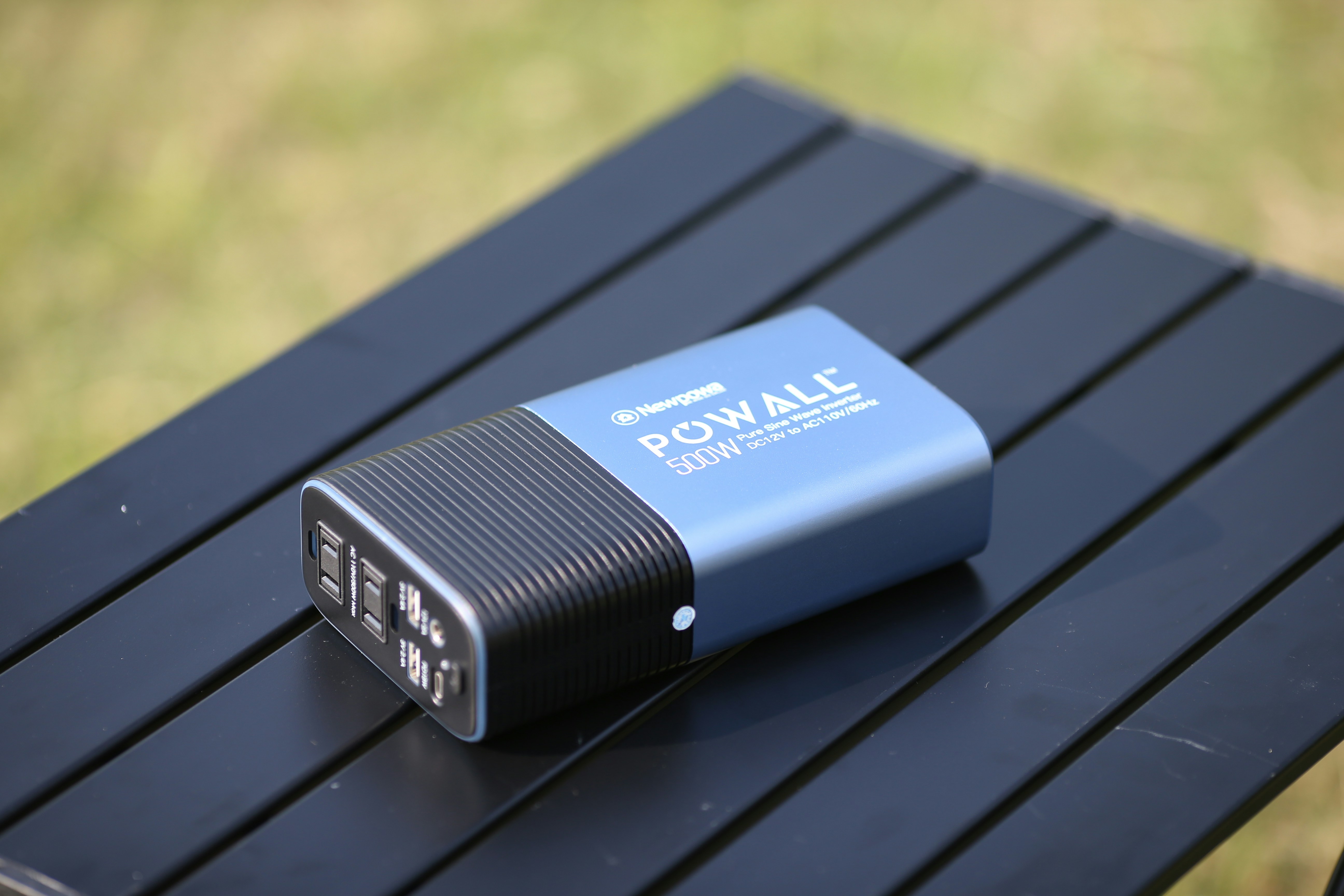
The modern lifestyle is heavily reliant on technology, from smartphones and tablets to portable gaming devices and e-readers. Consequently, the importance of having a dependable charging solution cannot be overlooked. Travel power banks come in various capacities, sizes, and charging speeds, catering to different needs and preferences. By selecting the right travel power bank, users can enhance their travel experience, ensuring their devices are always powered up to access important information, entertain, or navigate foreign cities.
As the demand for these devices grows, so too does the market, offering a variety of options that range significantly in price and performance. Understanding the key features that make a quality travel power bank is crucial for making an informed decision. This blog will explore some of the best travel power banks available in 2025, comparing established brands like Anker and INIU, alongside cost-effective alternatives found on platforms like Amazon.
Comparative Overview of Leading Brands
In the landscape of travel power banks, three brands have emerged as leaders in the market: Anker, INIU, and various cost-effective options available on Amazon. These brands cater to a diverse range of consumer needs, from premium features and reliability to budget-friendly alternatives.
Anker is often recognized as a frontrunner in the power bank industry. Known for its innovative technology and quality assurance, Anker’s products frequently receive high marks for performance and durability. Their power banks are equipped with fast charging capabilities and robust battery capacity, which makes them a favorite among travelers who require reliable power sources on-the-go. The brand boasts an extensive catalog, ensuring that users can find a model that fits their particular needs.
On the other hand, INIU has gained traction in recent years by offering competitive features at relatively lower price points. INIU power banks are praised for their sleek designs and lightweight construction, making them excellent choices for travelers who prioritize portability. While their products may not always match Anker in terms of power capacity, INIU’s blend of affordability and functionality has earned it a loyal following, particularly among budget-conscious consumers.
Lastly, several cheap options available on Amazon provide an enticing alternative for those seeking a simple solution without the brand premium. While these power banks generally offer basic functions and may lack some advanced features found in more established brands, they often provide sufficient charging capabilities for everyday use. However, the trade-off comes with variability in quality and performance. Customers are advised to thoroughly review product ratings and specifications, ensuring that they choose a power bank that meets their travel requirements.
In conclusion, each brand presents its unique strengths, whether it be Anker’s industry leadership, INIU’s cost-effectiveness, or the myriad of inexpensive options available on Amazon. Assessing these factors can aid consumers in making informed purchasing decisions that align with their individual travel needs.
Battery Capacity: A Key Factor for Travelers
When it comes to selecting the ideal travel power bank, battery capacity stands out as a critical element for discerning travelers. Battery capacity, typically measured in milliampere-hours (mAh), essentially defines how much charge a power bank can store and, subsequently, how many times it can recharge your devices on a single trip. Within the competitive landscape of power banks, two of the most notable brands are Anker and INIU, both of which offer various models with varying capacities tailored to meet the needs of travelers.
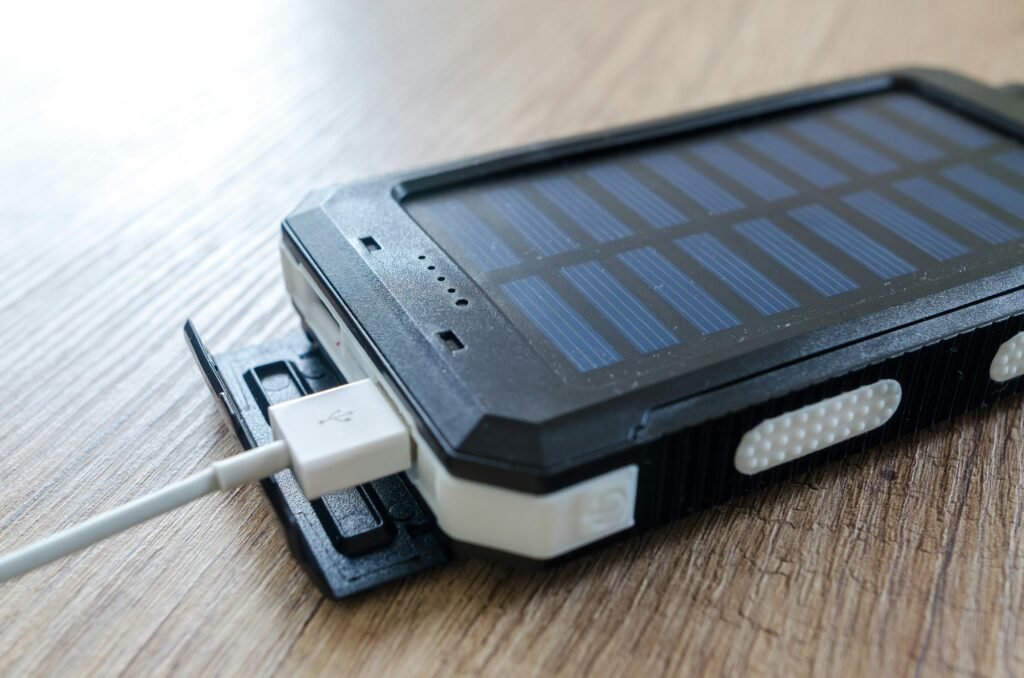
Anker, recognized for its high-quality products, offers power banks that typically range from 10,000 mAh to 26,800 mAh or more. With a higher capacity, users can charge multiple devices, such as smartphones, tablets, or even laptops, several times before needing to recharge the power bank itself. This is particularly advantageous for long trips, during flights where charging options may be limited, or in cases where access to power outlets is scarce.
On the other hand, INIU offers competitive options that often come with a balance between affordability and substantial capacity. Their power banks also range widely in mAh, but many consistent reviews highlight their efficiency in charging speed and overall reliability on the go. By equipping a travel power bank with 20,000 mAh, for instance, travelers can expect to power not only their smart devices but also gadgets like portable gaming consoles or cameras, which can drain batteries quickly during use.
Ultimately, the choice of battery capacity should align with the traveler’s lifestyle, duration of travel, and number of devices. By prioritizing capacity, travelers can enjoy the convenience of staying connected without the anxiety of running out of power at crucial moments. Hence, it becomes evident that a power bank with sufficient battery capacity significantly enhances the travel experience and ensures one can effectively manage their device charging needs.
Charging Speed: How Fast Can You Recharge?
In the realm of travel power banks, charging speed plays a pivotal role for travelers who rely heavily on their devices. Two major contenders in the market, Anker and INIU, have made significant strides in incorporating Fast Charge technology into their products. This technology allows for quicker power delivery to devices, which is especially beneficial for those on the go. Anker, known for its high-quality charging solutions, often features PowerIQ and VoltageBoost technologies, enabling compatible devices to charge up to 80% faster than conventional chargers. This means busy travelers can spend less time tethered to a power source and more time exploring.
In comparison, INIU has also embraced similar fast-charging capabilities. Their models frequently feature Qualcomm’s Quick Charge technology, which facilitates rapid charging for a variety of devices. This compatibility with multiple fast-charging protocols means that users can leverage these power banks not only for smartphones but also for tablets and other gadgets while maintaining optimal efficiency.
The implications of different power output ratings are significant. For instance, a power bank with a higher output (such as 18W or 20W) will generally recharge devices more rapidly than those with a standard 5W output. Understanding these specifications can greatly affect user satisfaction, as a power bank with faster charging can make the difference in critical moments—like having enough battery during an important meeting or while navigating through a new city.
Ultimately, for the modern traveler, prioritizing a power bank that boasts advanced fast charging capabilities is essential. With Anker and INIU leading the way by integrating innovative technologies, travelers can find peace of mind knowing that they can quickly and efficiently power their devices wherever their journeys take them.
Weight and Size: Portability Matters
When it comes to choosing a travel power bank, weight and size are among the most crucial factors to consider. Lightweight and compact designs can significantly enhance convenience during travel, ensuring that users can easily carry their devices without added bulk. In an age where travelers prioritize efficiency and ease of movement, the physical dimensions of power banks can dictate usability.
Power banks on the market, such as those from Anker and INIU, often boast models that balance capacity with minimal weight. For instance, many of the Anker power banks have been engineered to optimize energy density, thus allowing for a larger capacity without compromising on size. This aspect is particularly beneficial for long journeys where frequent charging of devices is necessary. A lighter power bank not only fits well into a backpack or purse but also makes it easier to carry during sightseeing or outdoor activities.
Similarly, INIU emphasizes portability in its travel power banks, offering sleek and slim designs that do not skimp on power. With an increasing number of travelers leaning towards minimalist packing, the demand for power banks that are not cumbersome has risen significantly. Many users now prefer products that can easily slip into pockets, while still providing sufficient power to keep devices operational throughout the day.
Budget-friendly options available on Amazon tend to prioritize size and weight as well. While some cheaper models may not offer the same high energy output as premium brands, their lightweight construction makes them appealing for casual travelers or short trips. These affordably priced power banks can serve basic charging needs without occupying much space.
Airline Safety Compliance: What You Need to Know
When it comes to air travel, understanding the rules surrounding power banks is crucial for a smooth journey. Power banks are handy accessories for charging devices on the go; however, their compliance with airline safety regulations must be considered. Primarily, the Transportation Security Administration (TSA) has established guidelines regarding the capacity and usage of power banks during flights.

The TSA stipulates that power banks should not exceed a capacity of 100 watt-hours (Wh) in order to be allowed in carry-on luggage. This regulation is in place to minimize the risk of battery-related incidents, which can arise from overheating or failure during flight. Most reputable brands, including Anker and INIU, offer a range of products that conform to these standards, making them suitable for air travel. Additionally, travelers should ensure that any power bank they intend to carry aboard is clearly labeled with its capacity to expedite the screening process at security checkpoints.
For those considering less expensive alternatives or cheap Amazon options, it is essential to verify that these products meet the TSA’s safety requirements. Unfortunately, some low-cost brands may not clearly state their voltage or amp-hour ratings, leading to potential compliance issues. Always select power banks from reputable manufacturers to ensure both quality and adherence to airline regulations.
Moreover, it is advised to keep power banks in your carry-on luggage rather than stowing them in checked baggage, as airlines typically impose stricter rules regarding lithium-ion batteries in cargo compartments. Understanding these guidelines can help travelers avoid delays and ensure that their devices remain charged throughout their journey.
Device Compatibility: A Look Into Versatility
In today’s interconnected world of technology, travelers require power banks that offer exceptional compatibility with a diverse range of devices. When assessing the power banks from Anker and INIU, it is essential to consider how effectively they can support smartphones, tablets, and laptops simultaneously. Each brand brings unique features that cater to various user needs.
Anker, known for its advanced charging technology, typically supports multiple device types with ease. Many of its power banks are equipped with PowerIQ and VoltageBoost technologies, enabling them to identify the connected device and allocate the optimal power. This feature is crucial for users who travel with various gadgets, ensuring that they can charge devices like iPhones, Android smartphones, iPads, and even laptops through USB-C connections. Depending on the model, Anker devices can charge up to three devices at once, providing versatility for multiple travelers.
On the other hand, INIU also demonstrates commendable compatibility across a wide array of devices. Most of their power banks feature multiple output ports, allowing for simultaneous charging of several gadgets. This is particularly beneficial for group travel or when charging multiple devices during a short layover. INIU power banks often come with smart charging capabilities, which optimize the charging speed for different devices, reducing the time spent waiting for devices to power up. Furthermore, they are generally more budget-friendly without compromising performance.
When comparing Anker and INIU, it becomes evident that both brands are designed to meet the demands of modern travelers. While Anker may offer more robust solutions for high-power devices like laptops, INIU’s versatility and affordability present an attractive option for those looking for a reliable power bank without breaking the bank. Understanding the compatibility of these devices can greatly enhance the overall travel experience, ensuring that users remain connected and charged on the go.
How to Choose the Right Power Bank for Flights
When traveling by air, selecting an appropriate power bank can significantly enhance your travel experience, particularly for ensuring that your devices remain charged throughout your journey. The first consideration is the battery capacity of the power bank, which is typically measured in milliampere-hours (mAh). A higher mAh rating indicates that the power bank can store more energy, allowing it to charge your devices multiple times. However, travelers should also be mindful of airline regulations, which often impose limitations on the allowable battery size.
In general, most airlines restrict the capacity of portable chargers to a maximum of 100 Wh (Watt-hours), equivalent to around 27,000 mAh. Therefore, it is advisable to choose a power bank that fits within these guidelines to avoid complications during check-in or security checks. It is also essential to verify the specific airline’s policies, as they can vary between carriers.


Size and weight are additional factors to consider when selecting a travel power bank. A compact and lightweight design greatly contributes to convenience, especially when navigating crowded airports and tight space limitations aboard aircraft. Opting for a power bank that easily fits in your carry-on luggage or personal bag without adding excessive bulk will enhance your travel experience.
Furthermore, compatibility is crucial; ensure that the power bank supports charging protocols relevant to your devices, such as USB-C or Quick Charge technology. This compatibility guarantees efficient and fast charging times. When weighing your options, also consider the efficiency of the charging technology employed by the power bank, as higher efficiency translates to reduced energy loss during charging. Overall, careful consideration of these factors will lead you to the optimal travel power bank that meets your charging needs while flying.
Conclusion and Recommendations
In evaluating the best travel power banks for 2025, we have carefully compared options from Anker, INIU, and various budget-friendly alternatives available on Amazon. Each of these brands offers unique features and advantages tailored to different types of travelers, ensuring that everyone can find a suitable solution for their charging needs.
For those seeking the best overall power bank, Anker emerges as a top contender. Renowned for superior build quality and reliability, Anker’s products also boast rapid charging capabilities and a range of capacities that cater to both casual travelers and avid adventurers alike. Their flagship models come equipped with multiple ports, providing flexibility for charging several devices simultaneously, making them an excellent choice for group trips or heavy users.
On the other hand, if budget considerations are paramount, INIU offers impressive options that do not compromise on essential features. Their affordable power banks deliver satisfactory performance with decent capacity and can effectively charge smartphones and smaller devices. These power banks can easily fit into a travel bag without adding excessive weight, which can be particularly beneficial for travelers who prioritize portability.
For travelers looking for the best features, including advanced charging technologies and higher capacity options, exploring cheap Amazon alternatives is worthwhile. Many of these budget options include fast charging, LED indicators, and compact designs, proving to be functional without breaking the bank.
Ultimately, the choice of power bank should align with individual travel requirements. Whether prioritizing performance, price, or unique features, the reviewed products cater to a range of preferences and needs, ensuring that every traveler stays powered throughout their journey.