
Capturing the Essence of a Destination: Tips for Meaningful Travel Photography
Understanding the Destination
To create meaningful travel photography, it is imperative to develop a profound understanding of your destination. This begins with thorough research into its culture, history, and people, each of which contributes significantly to the imagery one wishes to capture. Engaging in preparatory research not only enhances one’s awareness but also allows you to photograph the essence of the location, making your images resonate with authenticity.
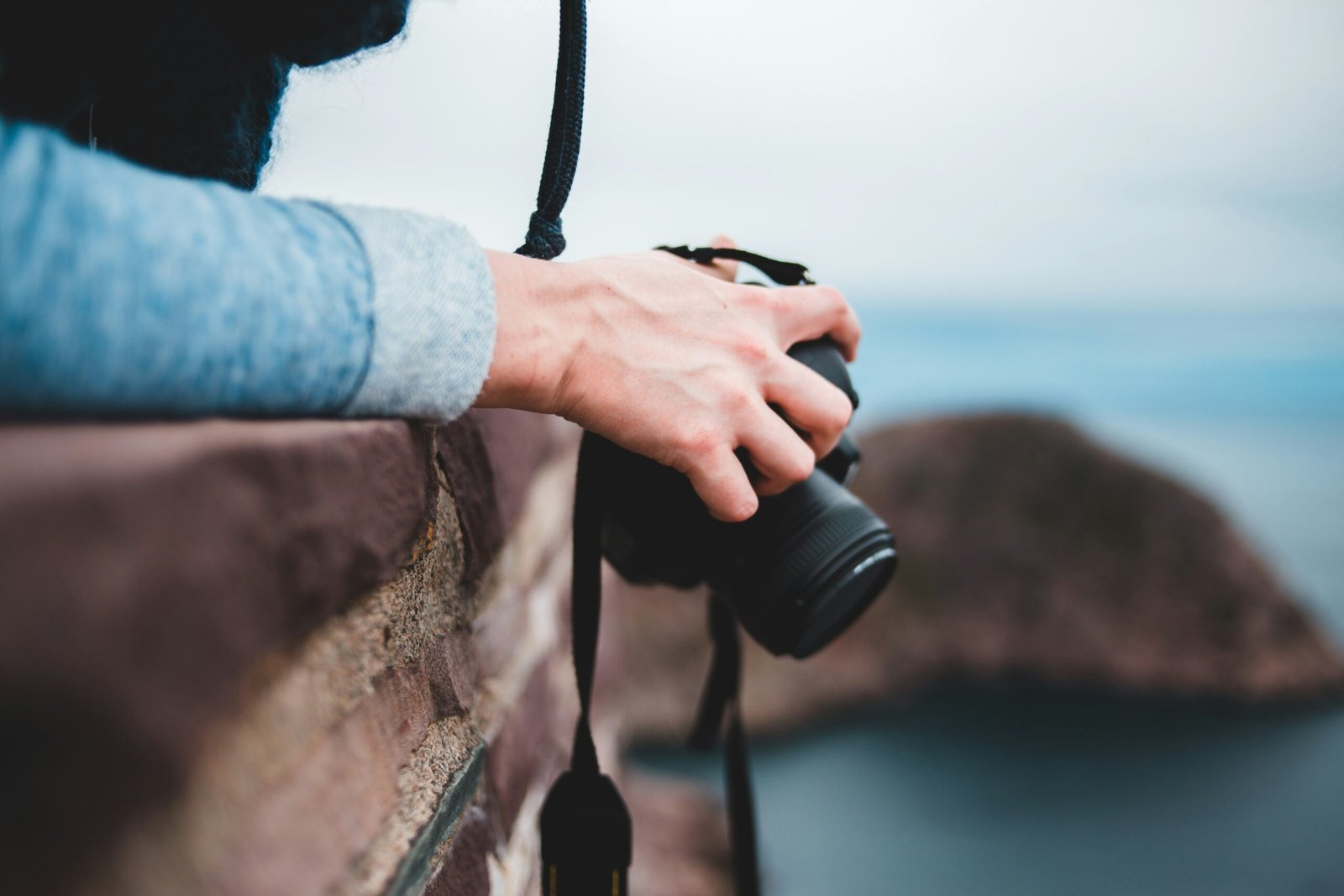
Start by exploring a variety of resources such as travel guides, documentaries, and reputable websites that shed light on the region. These materials often provide insights into the local traditions, historical events, and socio-political contexts, all vital for an enriched photographic narrative. Additionally, engaging with blogs authored by local residents or frequent visitors can provide unique perspectives, including lesser-known aspects of the destination that are not covered in mainstream resources.
Furthermore, immersing oneself in the local culture can bring depth to your photography. Attend cultural festivals, taste local cuisine, and participate in community activities. These experiences enable a genuine interaction with the people, allowing you to capture candid moments that speak volumes about the essence of the destination. Having a rapport with locals may also lead to unique opportunities for portrait photography, where subjects feel more comfortable and are inclined to share their stories.
Identifying key elements such as architectural styles, natural landscapes, and social practices within the destination is equally crucial. Each of these components serves as visual storytelling devices that convey the spirit of the location. By embracing both the historical context and contemporary lives of the inhabitants, you will be better equipped to capture images that reflect the destination’s character beyond mere visuals.
The Art of Storytelling in Photography
Photography is more than just a visual representation of a moment; it is a powerful medium for storytelling. Every photograph has the potential to convey emotions and narratives that resonate with viewers. This essence of storytelling is essential for meaningful travel photography, where capturing the spirit of a destination can create lasting impressions. The key to achieving this lies in understanding how to incorporate elements that evoke feelings and narrate experiences.
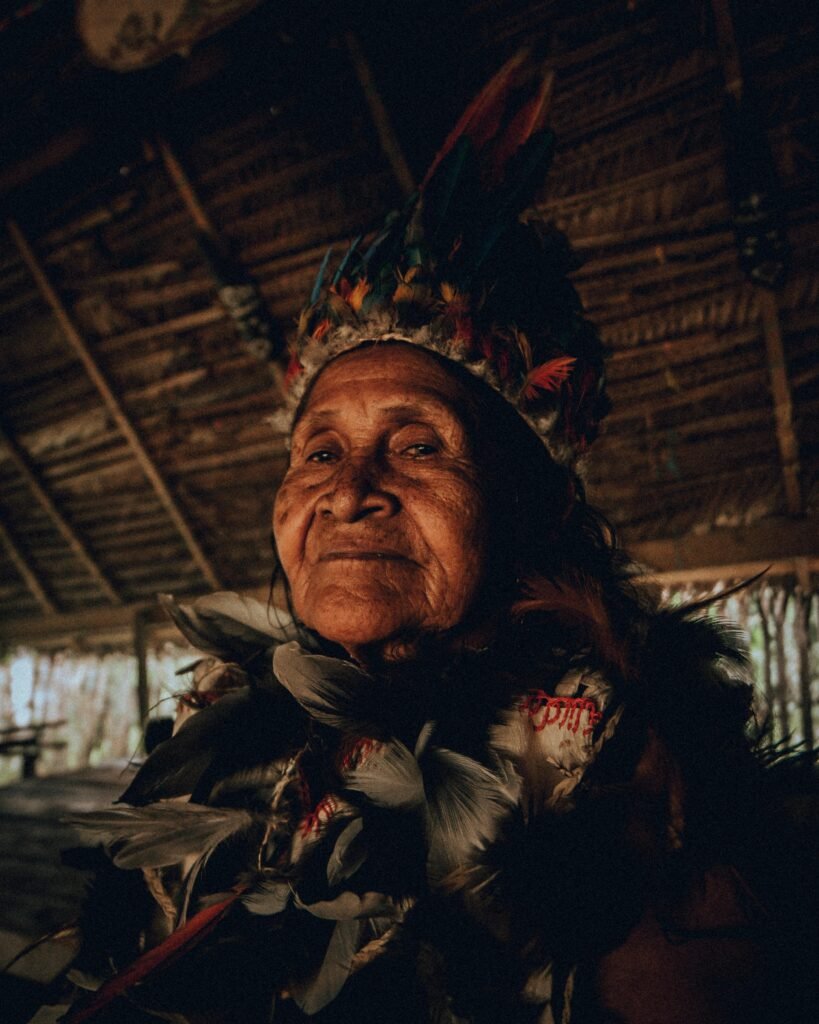
To effectively tell a story through images, one must focus on capturing emotions. The expressions on people’s faces, the interactions between individuals, and even the atmosphere of a place contribute to the overall narrative. For instance, a candid shot of a local greeting a traveler or children playing in the streets can evoke feelings of warmth and community. These moments serve to connect the viewer with the destination, eliciting empathy and understanding. Moreover, facial expressions and body language can powerfully convey the mood of the scene, whether it is joy, contemplation, or struggle.
Composition also plays a vital role in storytelling. Utilizing the rule of thirds, leading lines, and framing can direct the viewer’s gaze and provide focal points that enhance the narrative. Including elements such as foreground, background, and context helps to build layers within a photograph, encouraging viewers to explore the scene more deeply. A series of images can further strengthen this narrative, providing a more comprehensive view of the destination while allowing different aspects of the culture, landscape, and experiences to unfold. Each photograph should contribute a unique perspective, creating an overarching story that captures the essence of the journey.
Focusing on Culture
When traveling to a new destination, capturing its cultural essence can create a compelling narrative in your photography. It is essential to approach local customs, festivals, and traditional practices with a mindset of respect and authenticity. To achieve this, one must first immerse themselves in the local culture. Participate in community events and engage with people to gain a deeper understanding of their traditions. This immersion not only enhances the photographer’s knowledge but also fosters a connection that leads to more meaningful images.
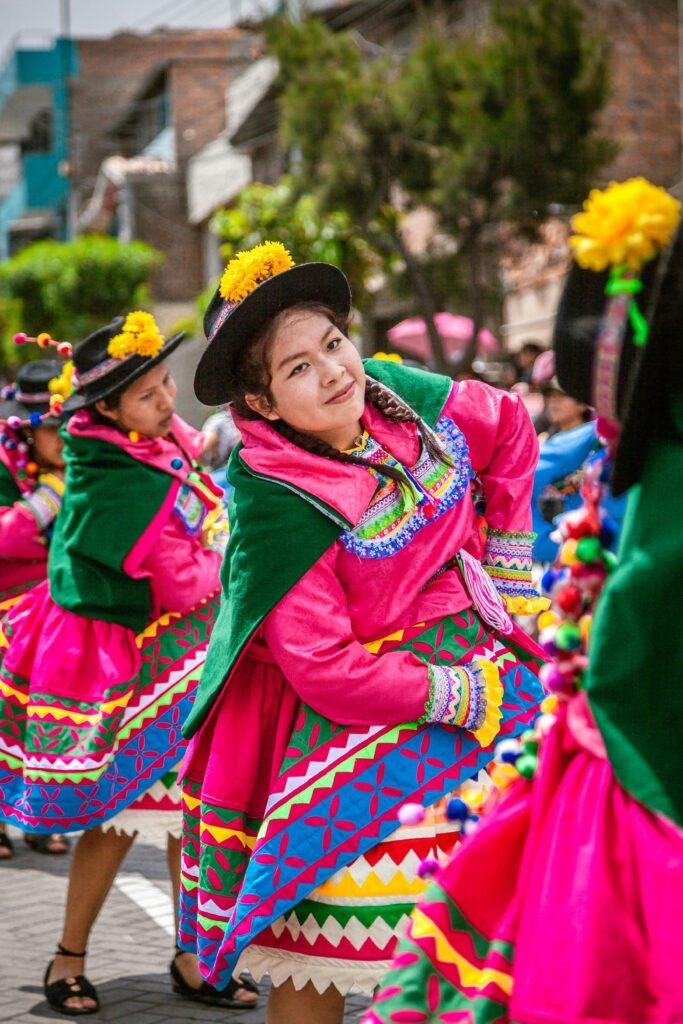
Photographing local festivals, for instance, can be an enriching experience. These events often showcase vibrant displays of traditional dress, music, and communal spirit. To photograph these scenes effectively, consider using a mix of wide-angle and close-up shots. Wide-angle images can capture the festivity’s atmosphere, while close-ups can highlight the intricacies of clothing, make-up, and the emotions of individual participants. This combination provides a rounded representation of cultural experiences, showcasing both intimacy and the broader context.
Additionally, it is crucial to recognize and portray the interactions among the people in the destination. Candid moments, such as locals engaged in traditional crafts or sharing meals, offer insight into the daily lives and customs of a culture. To capture these interactions authentically, maintain a respectful distance, allowing your subjects to remain unaware of your presence. This technique can yield genuine photographs that reflect the true essence of the culture.
Finally, remember to conduct thorough research before emerging into the cultural scene. Understanding the symbolism behind certain customs or the significance of specific attire aids in creating more informed photographs. By prioritizing a respectful approach and allowing the culture to shine through your work, you can capture stunning images that tell the story of the destination and its people.
Capturing Landscapes: Beyond Postcards
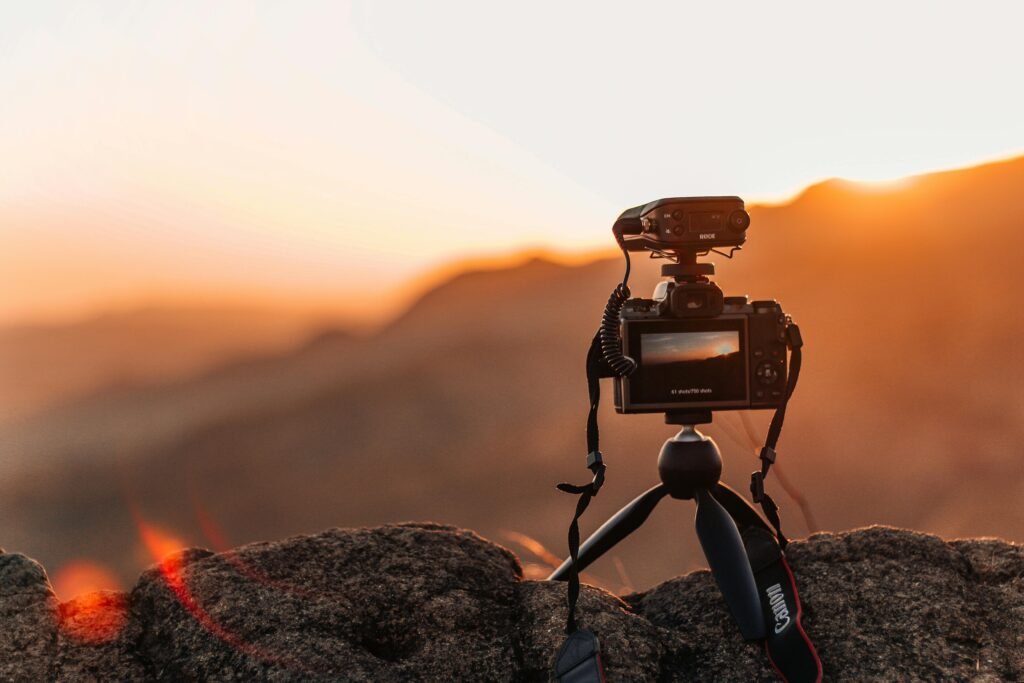
When it comes to travel photography, landscapes are often at the forefront of a photographer’s portfolio. However, capturing a landscape that transcends the typical postcard image requires a thoughtful approach that emphasizes unique perspectives, understanding the nuances of light, and crafting compelling compositions. To truly convey the essence of a destination’s natural beauty through photography, several key strategies can be employed.
Firstly, seeking out unique perspectives is crucial. Instead of confining yourself to standard vantage points, explore various angles and elevations. For instance, consider going higher to gain an aerial view or crouching low to highlight foreground elements. Such techniques can provide depth and context that often elude traditional photographs. Additionally, using elements within the landscape, such as rocks, flowers, or trees, can frame the main subject and guide the viewer’s eye into the scene.
Understanding lighting is equally significant for landscape photography. The golden hours — shortly after sunrise and before sunset — are optimal for capturing landscapes bathed in soft, warm light. This natural illumination can enrich colors and create dramatic shadows, enhancing the overall mood of the image. Conversely, midday sun may wash out colors and diminish textures, making it less ideal for landscape shots. Adjusting your shooting time to coincide with these favorable light conditions can result in images that truly showcase the terrain’s allure.
Lastly, composition plays a pivotal role in transforming ordinary landscape shots into extraordinary ones. Employing the rule of thirds, for example, can create a more dynamic balance within the frame. Placing the horizon line in the upper or lower third of the image can help emphasize either the sky or the ground, drawing attention to the landscape’s features. In addition, using leading lines, such as pathways or rivers, can create a visual journey for viewers, inviting them to explore the captured scene more deeply. By integrating these techniques, photographers can more effectively capture landscapes that resonate with emotion and tell a story about the destination’s intrinsic beauty.
The Beauty of Daily Life
Capturing the essence of a destination often lies in its daily life; the mundane moments that reveal the true character of a place and its people. Candid photography serves as a window into the everyday routines of locals, allowing travelers to document the vibrant tapestry of life that unfolds around them. To create compelling images that resonate with this beauty, it is essential to approach your photography with a keen observance and sensitivity to the surroundings.
To begin, immerse yourself in the environment. Spend time wandering the streets, visiting local markets, or lingering in parks. This not only helps establish familiarity with the location but also increases the likelihood of encountering spontaneous moments. While on the move, be observant of the interactions taking place around you, noting the subtle dynamics between people, their gestures, and expressions. Such nuances are rich storytelling opportunities waiting to be captured through your lens.
Utilizing a longer focal length can be advantageous when snapping candid photos. This technique allows you to maintain some distance, preventing individuals from becoming self-conscious about being photographed. It enables you to capture authentic moments more easily. Consider employing a shallow depth of field to isolate your subject, thereby emphasizing the connection between them and their environment. This approach not only showcases the individual but also places them within the context of their daily lives, revealing the elements that define their lifestyle.
To enhance your images further, engage with the people you photograph. A brief conversation can create rapport and possibly lead to deeper stories. By respectfully asking for permission to capture their likeness, you foster a sense of trust that often results in more intimate and genuine moments. Ultimately, documenting the beauty of daily life in any destination is about intertwining respect, patience, and artistic vision to create photographs that speak volumes about the local culture and lifestyle.
Creating Emotion through Photography
Photography serves as a powerful medium to convey emotions and tell stories, making emotional resonance an essential element in crafting meaningful travel images. To create impactful photographs, it is crucial to focus on the subjects and the environment, ensuring that the captured moments resonate with viewers on a deeper level. Whether photographing individuals or breathtaking landscapes, a photographer can evoke feelings by carefully considering composition, timing, and various techniques.
When photographing individuals, capturing authentic emotions is paramount. One effective approach is to engage with your subjects, encouraging them to express themselves freely. Candid moments often tell the most compelling stories. Being observant and ready to shoot at the right moment can reveal genuine emotions, whether it’s joy, contemplation, or surprise. A keen understanding of your subject’s personality will help you anticipate these moments, allowing you to capture them as they unfold. Additionally, utilizing natural light can create a more approachable and intimate atmosphere, enhancing the emotional tone of the photograph.
For landscape photography, conveying feelings often involves exploring the relationship between the scene and the viewer. Using depth of field can help highlight specific elements within the frame, drawing the viewer’s attention to particular details that invoke emotion. For instance, a close-up shot of a weathered tree against a stunning sunset can suggest resilience and beauty. Timing your shots to capture the golden hour—the period shortly after sunrise or before sunset—can also enhance the emotional impact of your landscape images, wrapping them in warm tones that evoke a sense of tranquility and nostalgia.
In summary, success in travel photography lies in the ability to evoke genuine emotions, whether through portraits of people or sweeping landscapes. By employing techniques like candid engagement, thoughtful composition, and strategic use of depth of field, photographers can create images that resonate deeply with their audience, transforming mere photos into profound stories.
Effective Use of Composition Techniques
Composition is an integral part of photography, particularly in the context of travel photography, where the goal is often to convey the essence of a destination effectively. Understanding and applying various composition techniques can significantly enhance the storytelling aspect of travel images. One of the most recognized techniques is the rule of thirds. By dividing the frame into a grid of nine equal parts, photographers can position key elements along these lines or at their intersections, creating a more balanced and engaging image. This simple yet powerful technique draws the viewer’s eye naturally across the photograph, making it feel more dynamic.
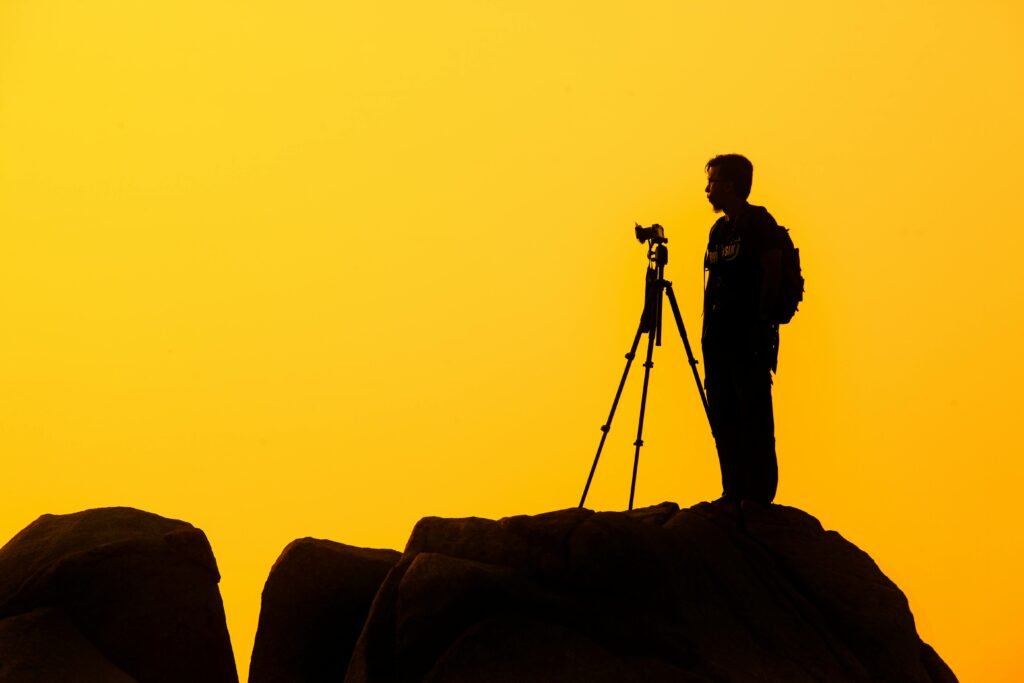
Another effective composition technique is the use of leading lines, which directs the viewer’s attention along a specific path within the image. These lines can be roads, rivers, or architectural elements, guiding the viewer toward the main subject and creating a sense of depth. In travel photography, leading lines can help illustrate the spatial relationship between various elements within the destination, enhancing the narrative quality of the image.
Framing is also a valuable composition technique that helps focus attention on a particular subject. By using natural elements such as trees, windows, or archways to encase the main subject, photographers can create a sense of context and isolate the subject from distracting backgrounds. This technique can evoke emotions and create a specific mood, allowing the audience to connect more deeply with the photographed scene. The application of these composition techniques not only adds visual interest to travel photographs but also reinforces the narrative being told, transforming a simple image into a compelling story. Mastery of these methods will undoubtedly elevate your travel photography, making it more meaningful and resonant.
Post-Processing for Story Enhancement
Post-processing plays a crucial role in amplifying the vision of a travel photographer. It allows for the modification of images to reflect the emotional tone and essence of the captured moment, thus enhancing the overall storytelling aspect of travel photography. While the primary goal is to maintain authenticity, post-processing can bring various elements to the forefront, ensuring that the viewer feels connected to the destination depicted in the image.
One essential aspect of post-processing is color correction. The colors captured in photographs can sometimes appear different from the scene as seen by the naked eye. Utilizing software such as Adobe Lightroom or Photoshop enables photographers to adjust the color balance, saturation, and contrast. By subtly modifying these elements, one can evoke certain emotions aligned with the atmosphere of the place. For instance, enhancing warm tones can evoke feelings of comfort and nostalgia, while cooler tones might reflect serenity and calmness.
Additionally, adjusting exposure and shadows can significantly affect the narrative quality of an image. A well-exposed photograph captures the details and mood of the scene efficiently. By manipulating highlights and shadows, one can draw attention to specific subjects or areas of interest within the frame. This technique not only highlights essential aspects of the story but also guides the viewer’s eye, ensuring an engaging visual journey through the image.
Finally, while enhancing photographs through editing, it is vital to retain their authenticity. Over-processing can lead to images that feel artificial, diminishing the viewer’s experience. Striking a balance between enhancement and retention of natural qualities fosters a genuine connection to the destination. By thoughtfully applying these post-processing techniques, photographers can evoke emotional responses, reinforce the narrative, and create memorable storytelling through their visuals.
Sharing Your Story: Platforms and Presentation
Once the travel photographs have been captured, the subsequent step is to share them effectively, allowing your audience to engage with your journey. In today’s digital era, there are myriad platforms available for showcasing travel photography. Social media platforms such as Instagram, Facebook, and Pinterest offer visual-centric environments that are ideal for sharing stunning images. On Instagram, for instance, the use of relevant hashtags can enhance your reach, allowing users interested in travel photography to discover your work effortlessly. Additionally, the Instagram Stories feature allows you to offer a more immersive experience by sharing behind-the-scenes insights, thereby enriching the narrative behind each photograph.

Furthermore, blogs and personal websites serve as effective platforms for travel photography presentation. They offer a curated space where you can combine images with detailed stories, providing context that enhances the viewer’s experience. When crafting your blog posts, integrating storytelling through well-written captions and narratives is essential. This not only adds depth to your images but also allows the audience to form a connection with the locations you have visited. Consider structuring your posts to include a mix of personal anecdotes, regional history, and cultural insights that complement your photography.
For a more formal showcase, photography exhibitions and galleries can provide an opportunity to present your work to a wider audience. Here, the selection of prints and their arrangement plays a crucial role in storytelling. Labels or accompanying texts should provide viewers with context about the images, such as the location, the moment captured, or your personal reflections. Such presentations can elevate your travel photography, making it more than just a visual experience, but a comprehensive storytelling endeavor that resonates with the audience.