
Discover the 12 Best Places to Visit in Colombia for Travelers in 2026
Introduction to Colombia: A Traveler’s Paradise

Colombia, a South American gem, has emerged as a premier destination for travelers in recent years, marked by its vibrant culture, diverse landscapes, and welcoming people. This transformation has drawn attention to its rich heritage and the plethora of experiences it offers. From the bustling streets of Bogotá to the serene beaches of Cartagena, Colombia caters to a wide range of interests, making it a true traveler’s paradise.
The country’s biodiversity is nothing short of extraordinary. With its lush rainforests, towering mountains, and pristine coastlines, Colombia boasts a variety of ecosystems that are home to abundant wildlife. The Amazon rainforest, the Andes mountain range, and the Caribbean coastline collectively provide countless opportunities for nature enthusiasts to explore. Travelers can venture into national parks, hike to stunning waterfalls, or engage in eco-tourism activities that promote conservation and sustainability.
In addition to its natural wonders, Colombia’s cities are teeming with cultural richness. Each city possesses its own unique character and charm. For instance, Medellín, known for its innovative spirit, has transformed from a troubled past into a beacon of progress and creativity. Meanwhile, Bogotá offers an urban experience filled with art, history, and delectable cuisine. Festivals celebrating music, dance, and local traditions also enrich the cultural tapestry, enticing visitors to immerse themselves in the local way of life.
Colombia stands at the crossroads of the old and the new, where colonial architecture coexists with modern advancements. This juxtaposition creates an inviting environment that attracts tourists from all over the globe. As travel restrictions ease and the world reopens, now is the perfect time to discover the best places to visit in Colombia, ensuring that memories made here will last a lifetime.
Cartagena: The Colorful Streets and Vibrant History
Cartagena, one of Colombia’s most captivating cities, is steeped in history and culture. Its remarkable old town, recognized as a UNESCO World Heritage Site, is a living testament to Spanish colonial architecture, showcasing vibrant facades adorned with bougainvillea and intricate balconies. Strolling through the cobblestone streets, visitors can admire the blend of history and art that directly reflects the city’s rich past.
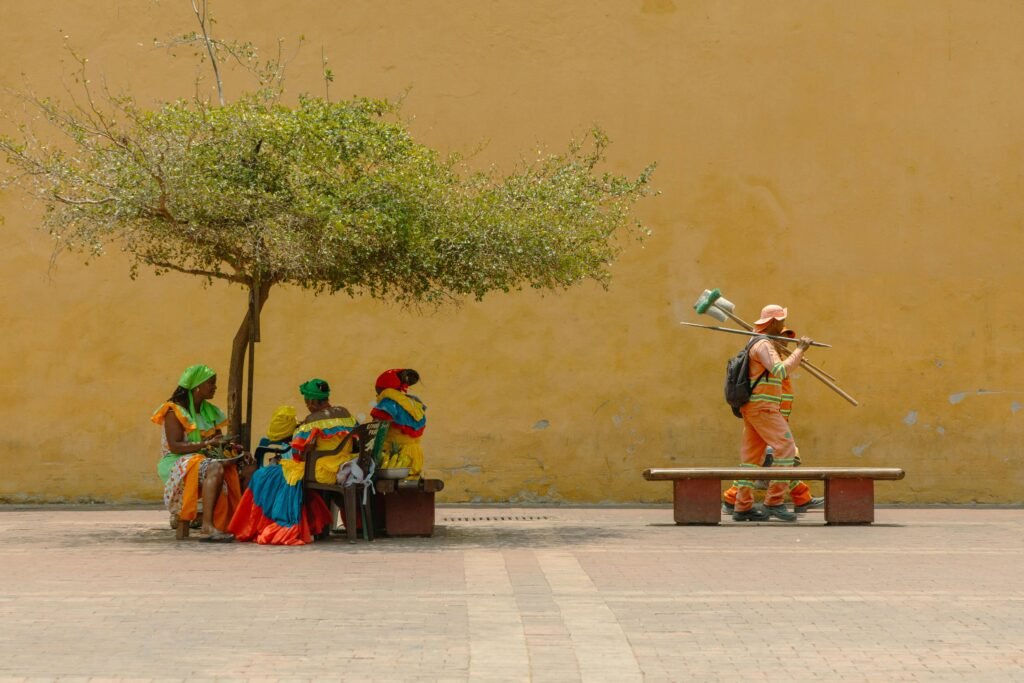
Among the must-visit landmarks in Cartagena is the imposing Castillo San Felipe de Barajas, a fortress built to protect the city from pirates. This architectural marvel offers breathtaking views of the cityscape and the Caribbean Sea, making it a prime spot for history and photography enthusiasts alike. Further enriching the experience, the walled city also features the impressive Cathedral of Cartagena and the charming Plaza Santo Domingo, where visitors can enjoy local crafts and artistry.
The culinary scene in Cartagena mirrors its diverse cultural influences. Travelers can indulge in local dishes such as arepas, a staple made from maize, and ceviche, featuring the freshest seafood. Street vendors and eateries alike present opportunities to experience authentic flavors, such as the delightful patacón and the coconut rice that are often accompanied by fried fish. For those with a sweet tooth, the local desserts, like cocada, are a must-try, offering a taste of traditional Colombian sweets.
In addition to the historical and gastronomical offerings, Cartagena’s nightlife is vibrant and eclectic. Venues such as Café del Mar and the various bars lining the streets pulsate with music and energy, providing a platform for dancing and connecting with both locals and fellow travelers. Walking tours, many of which illuminate the city’s rich history and ghost stories, invite exploration of the enchanting corners of this beautiful city, ensuring that the experience goes beyond the normal travel agenda.
Exploring Bogotá’s Neighborhoods
Bogotá, the capital of Colombia, offers a vibrant tapestry of cultural experiences across its many neighborhoods. One of the most historic areas is La Candelaria, known for its rich architectural heritage and artistic flair. Visitors will find charming colonial buildings, colorful street art, and significant landmarks such as the Gold Museum and the Botero Museum, showcasing the works of renowned Colombian artists. Wandering through the cobblestone streets, travelers can immerse themselves in the city’s history and artistic expressions.
Cultural Attractions
The cultural heartbeat of Bogotá is undeniably its museums, where both local and international visitors can delve deeper into Colombian history and art. Museums like the National Museum and the Museum of Contemporary Art present captivating exhibitions that reflect the country’s diverse artistic heritage. Local markets, such as the Mercado de las Pulgas, also offer an authentic glimpse into everyday Colombian life, showcasing handicrafts, fresh produce, and traditional foods. Here, travelers seek the unique flavor of Colombian culture through its people and products.
Experiencing Bogotá’s Nightlife
Bogotá shines brightly at night, transforming into a lively hub of entertainment. The city’s nightlife scene is diverse and multifaceted, featuring everything from bustling bars to high-energy dance clubs. Areas like Zona Rosa and Chapinero host a variety of venues that suit all tastes. Patrons can enjoy a cocktail while listening to live music in quaint lounges or dance the night away at popular nightclubs offering an array of genres. To truly experience the vibrancy of Bogotá’s nightlife, visitors should also partake in events such as salsa dancing lessons or live jazz performances, allowing them to engage with the local culture through music and dance.
Zona Cafetera: A Journey Through Colombia’s Coffee Heartland



The Zona Cafetera, also known as the Coffee Region, is one of Colombia’s most stunning and culturally rich areas, renowned for its breathtaking landscapes and the significance of coffee production. Nestled in the Andean mountains, this region boasts lush green hills, vibrant valleys, and captivating towns that invite travelers to explore their charm. Coffee is not merely an economic commodity here; it embodies the very essence of Colombian culture and identity, making a visit to this area an enriching experience.
Visitors can indulge in a variety of activities, such as guided coffee tours that provide an in-depth look at the coffee-making process, from cultivation to brewing. These tours often involve visits to multiple coffee estates, where knowledgeable guides share their expertise about the plant and its significance in Colombia’s agricultural landscape. As you traverse the vibrant plantations, you will gain insights into the labor-intensive process of growing premium Colombian coffee, regarded among the finest in the world.
Aside from the aromatic coffee experience, the Zona Cafetera is a haven for hikers and nature enthusiasts. Numerous trails weave through the region, offering opportunities to explore its diverse flora and fauna. The striking Cocora Valley, home to the towering wax palm – Colombia’s national tree – is a must-see for those looking to soak up the natural beauty of the region.
Moreover, local festivals celebrate the coffee culture, providing visitors with an authentic glimpse into the festivities that accompany the coffee harvest. These events showcase traditional music, dance, and culinary delights, making them perfect opportunities to connect with the local people and immerse oneself in the region’s vibrant heritage. Whether it’s sipping fresh coffee on a scenic balcony or hiking through lush landscapes, Zona Cafetera is an essential destination for those traveling in Colombia.
Tayrona National Park: Hidden Beaches and Eco-Treasures
Tayrona National Park stands out as one of Colombia’s most stunning natural wonders, offering visitors an opportunity to explore an unparalleled mix of breathtaking beaches, lush vegetation, and rich wildlife. Located on the Caribbean coast, this protected area is a haven for eco-tourists and adventure seekers alike. The park, which spans 15,000 acres, is home to diverse ecosystems ranging from coastal mangroves and tropical forests to coral reefs and dramatic cliffs.
The uniqueness of Tayrona lies in its pristine beaches, such as Playa Cristal and Cabo San Juan, which invite travelers to unwind amid stunning surroundings. Those looking for adventure can engage in various activities, including snorkeling, bird watching, and swimming. Additionally, the park is filled with ample opportunities for hiking, with well-marked trails leading through exceptional landscapes and ancient ruins of the indigenous Tayrona civilization.
For hikers, the main trail that runs from the entrance at Zaino to Cabo San Juan is recommended. This route offers a captivating view of lush jungles and tropical wildlife, making it a favorite for those wanting to connect with nature. Along the way, visitors might encounter various plant species and wildlife, including monkeys and exotic birds. The hike takes approximately two to three hours, depending on one’s pace and the number of stops taken to soak in the mesmerizing scenery.
Environmental conservation is also a significant aspect of Tayrona National Park’s mission. The park management emphasizes responsible tourism practices to protect the delicate ecosystems and wildlife habitats. Visitors are encouraged to follow guidelines that promote sustainability, such as avoiding littering, respecting flora and fauna, and adhering to park rules to minimize their ecological footprint. This commitment to conservation ensures that Tayrona National Park remains a treasured destination for future generations.
Medellín: A City of Innovation and Transformation
Medellín, once perceived as a challenging destination, has undergone a remarkable transformation in recent decades, emerging as a vibrant metropolis that blends innovation with cultural heritage. The city has positioned itself as a model for urban development, demonstrating how innovative public transport systems can reshape a community. The first of its kind in Colombia, the Metro de Medellín serves as a backbone for the city’s transportation, enhancing mobility and reducing travel times across its expansive neighborhoods.
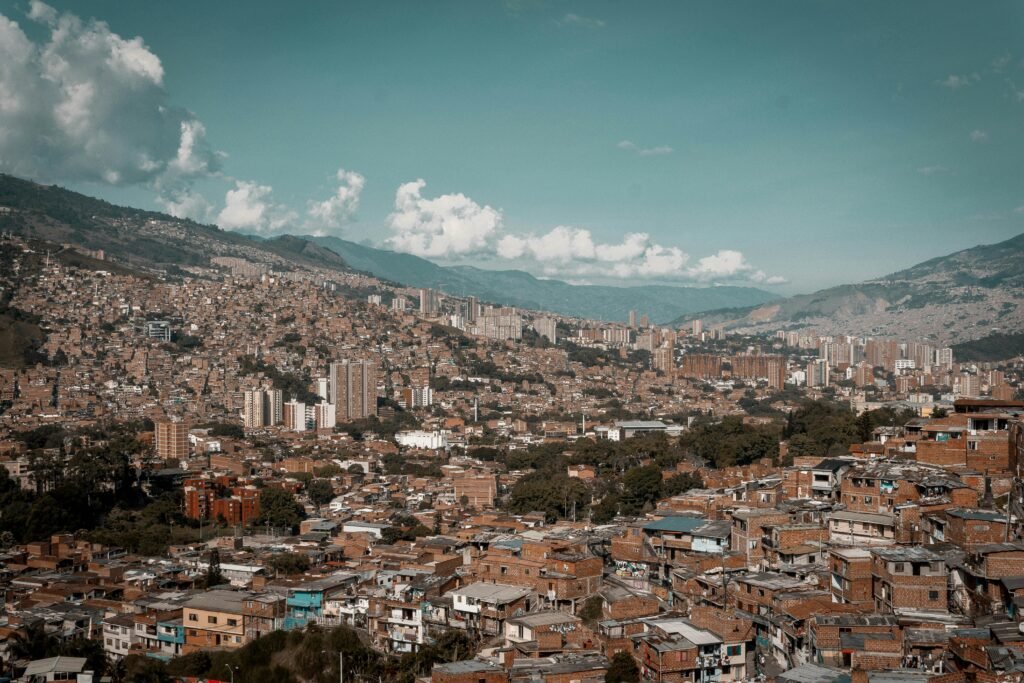
This transformation is particularly evident in Comuna 13, an area historically associated with violence, which has now become a significant cultural hotspot. Visitors flock to Comuna 13 to experience its vibrant street art, guided tours that share the community’s courageous history, and engaging performances that highlight local creativity. The initiatives here reflect not just urban renewal but also the resilience and spirit of the residents who take pride in their new identity.
Medellín’s dedication to green spaces is showcased in its beautiful botanical gardens, which serve as both an oasis of tranquility and an educational space promoting environmental awareness. These gardens feature an impressive collection of local flora and provide visitors an opportunity to learn about Colombia’s diverse ecosystems. For food enthusiasts, Medellín does not disappoint. The city boasts a dynamic gastronomic scene with a range of local food experiences, from traditional Colombian dishes such as bandeja paisa to innovative culinary fusions offered by contemporary restaurants.
Medellín exemplifies how innovation can foster cultural and social transformation. The combination of its efficient public transport, rich history, and evolving culinary landscape makes it a must-visit destination that captures the essence of Colombia’s progress as a nation.
Traveling Between Cartagena and Medellín
Traveling in Colombia offers a range of options for navigating between major cities, notably from Cartagena to Medellín. This route is well-traveled, allowing for a variety of transportation methods that cater to different preferences and budgets.
The most common mode of transportation is flying. Several airlines provide direct flights between Cartagena and Medellín, with a flight time of approximately one hour. This is the quickest and most convenient option for travelers on a tight schedule. For those looking to save on costs, booking in advance can yield significant savings on airfare.
Alternatively, bus travel presents a more scenic, albeit longer, journey. Major bus companies operate services between Cartagena and Medellín, with travel times ranging from 12 to 14 hours. Buses typically offer comfortable seating and amenities, making it a viable option for travelers wishing to take in the Colombian landscapes along the way. The bus ride can be an immersive experience, providing insights into the culture and routine of local life.
For a more personalized experience, tourists might consider renting a car, which affords flexibility to explore off-the-beaten-path destinations. The drive between the two cities allows for stopovers at various scenic locations, such as the picturesque town of Santa Fé de Antioquia. However, travelers should be cautious, as driving conditions can vary, and navigating Colombian roads may present challenges.
A suggested itinerary could include a two-day trip: the first day in Cartagena exploring the historic center and its vibrant beaches, followed by a day devoted to the picturesque Medellín, known for its innovative culture and pleasant climate. Ultimately, the choice of transportation will depend on the traveler’s priority, whether it be time efficiency, scenic views, or a balance of both.
Cali: Salsa Capital and Cultural Hub of Colombia
Cali, renowned as the salsa capital of Colombia, pulsates with an energetic and vibrant culture that is deeply rooted in music and dance. This city, nestled in the heart of the Valle del Cauca region, is often celebrated for its sultry rhythms and is a must-visit for travelers looking to experience Colombia’s unique cultural offerings. With its lively streets filled with the sounds of salsa music, visitors can immerse themselves in the city’s enchanting ambiance.

For those interested in learning how to salsa, Cali offers a plethora of dance schools and studios catering to all skill levels. The famed “Centro Cultural de Cali” hosts regular salsa classes where both beginners and advanced dancers can refine their moves. Moreover, many local venues provide the perfect setting to apply what is learned, with nightly dance events attracting both locals and tourists alike. Among the notable spots, “El Mulato” and “Zaperoco” are popular hangouts where the rhythms of salsa come alive.
The food scene in Cali is equally tantalizing, offering a delightful mix of traditional Colombian cuisine and modern culinary innovations. Travelers are encouraged to sample local favorites such as “sancocho” and “chocoramo.” Additionally, the city’s street food scene presents an array of delicious snacks, from “empanadas” to sweet plantains, ensuring that every culinary adventure is memorable.
Cali also hosts a variety of significant events and festivals that celebrate its musical heritage. The “Feria de Cali,” one of the most important festivals, showcases elaborate salsa performances, parades, and cultural displays, attracting visitors from around the world. Other events throughout the year also highlight the city’s passion for music and dance, making it an unmissable destination for anyone looking to enjoy an authentic taste of Colombian culture.
Conclusion: Embrace the Adventure Awaiting in Colombia
As we have explored throughout this blog post, Colombia offers an array of magnificent landscapes, vibrant cultures, and historical treasures waiting to be uncovered. From the bustling streets of Bogotá to the serene beaches of the Caribbean coast, the country’s rich diversity caters to every type of traveler. However, the allure of Colombia does not lie solely in its popular attractions; it is also found in the lesser-known destinations that reveal the country’s true essence.
Embracing the adventure in Colombia means recognizing the warmth of its people, the richness of its traditions, and the beauty of its natural wonders. Exploring hidden gems such as the Coffee Region with its lush mountains or the quaint towns of the Caribbean coast can lead to unforgettable experiences that go beyond standard tourist itineraries. The welcoming hospitality of Colombians creates a unique atmosphere that encourages visitors to dive deeper into their surroundings, fostering a sense of belonging.
Traveling to Colombia in 2026 presents an opportunity to witness the evolving landscape of this captivating nation. With ongoing developments in tourism infrastructure, travelers can enjoy improved access to remote areas and cultural experiences that were previously untapped. As the country continues to embrace its heritage while modernizing its offerings, travelers are invited to immerse themselves in an adventure that showcases the spirit of Colombia.


In conclusion, Colombia stands as an invitation to adventure and discovery. Whether you choose to wander through its iconic cities, seek the tranquility of nature, or indulge in local culinary delights, the journey through Colombia promises a rich tapestry of experiences. By considering this vibrant country as your next travel destination, you are sure to create memories that will last a lifetime.