
Discovering Munich: A Travel Guide to Bavaria’s Capital
Introduction to Munich
Munich, the capital of Bavaria, is one of Germany’s most vibrant and culturally rich cities. Nestled in the southern part of the country, it serves as a gateway to the picturesque Alps, making it not only an urban center but also a hub for outdoor activities. With a population exceeding 1.5 million, Munich is the third-largest city in Germany, following Berlin and Hamburg. Its strategic geographical location has played a significant role in its historical and economic development, linking various trade routes that have existed for centuries.
Historically, Munich’s roots can be traced back to the 12th century, when it was established by Benedictine monks. Its name, derived from the Old High German term “Munichen” meaning “by the monks,” signifies the religious origins of the city. Over the centuries, Munich evolved into a significant cultural and political center, particularly during the reign of the Wittelsbach dynasty. This historical influence is evident in the architecture, art, and numerous museums scattered throughout the city, offering a glimpse into its grand past.
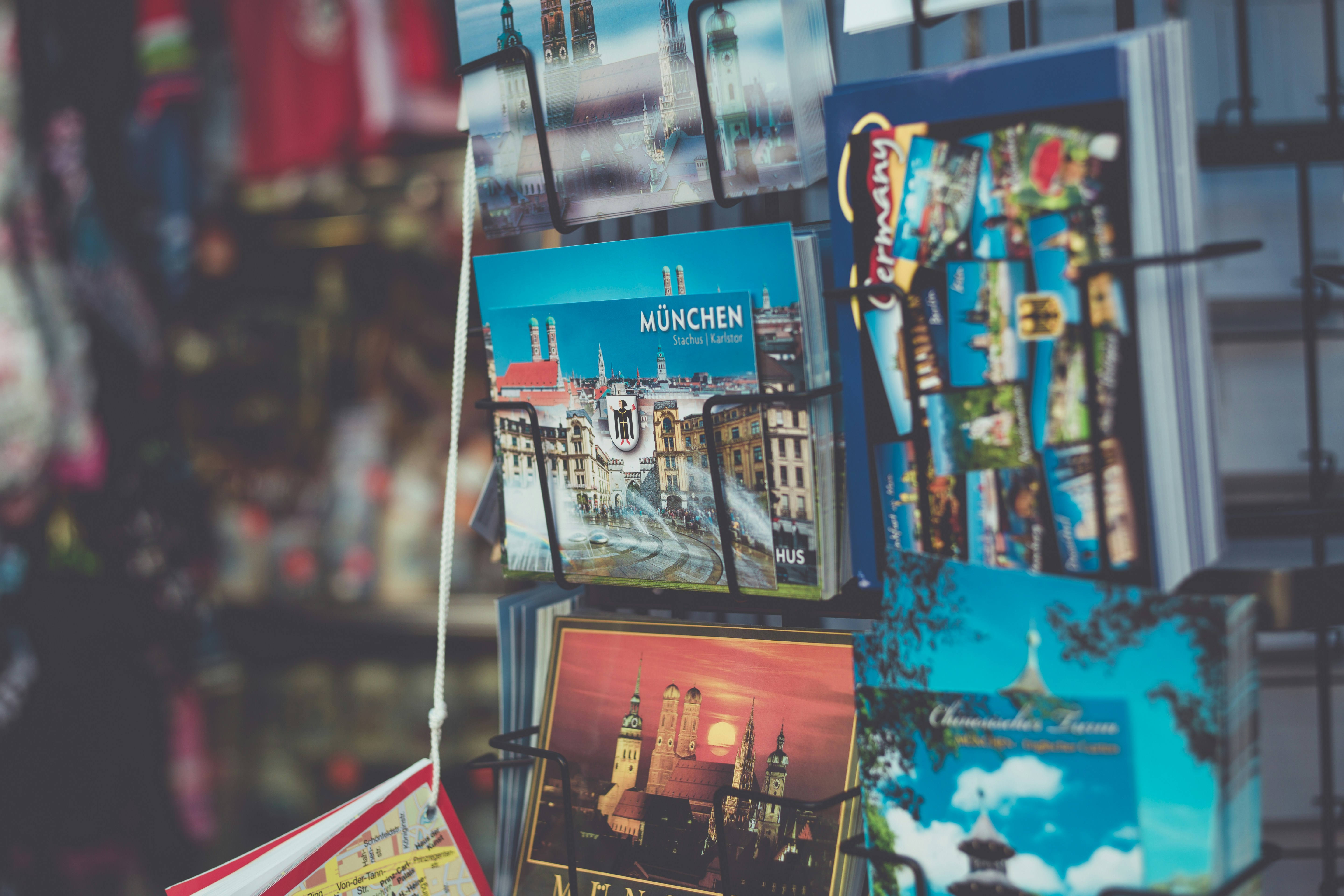
Exploring Munich reveals a unique blend of tradition and modernity that characterizes the city. Renowned for its annual Oktoberfest, which attracts millions of visitors from around the world, Munich celebrates its Bavarian heritage with pride. At the same time, the city embraces contemporary life, evident in its thriving tech industry and modern architecture. This duality is reflected in its bustling squares, charming beer gardens, and luxury boutiques, catering to both locals and tourists alike. From the majestic Marienplatz to the serene English Garden, Munich is a city that invites exploration, promising unforgettable experiences for every traveler. As we delve deeper into the various aspects of this remarkable city, the balance of history and innovation will become increasingly apparent.
Historical Landmarks and Attractions
Munich, the capital of Bavaria, is a city steeped in history and culture, showcasing a harmonious blend of architectural grandeur and historical significance. Among its many landmarks, the Marienplatz stands as the central square, a focal point for both tourists and locals alike. At its heart lies the stunning New Town Hall (Neues Rathaus), with its impressive Gothic architecture. The Glockenspiel, located on the façade of the town hall, captivates visitors daily with its whimsical mechanical performance that recounts Bavarian history. This iconic site exemplifies the rich heritage of Munich, making it a must-visit destination for anyone exploring the city.
Another significant site is the Nymphenburg Palace, an exquisite baroque palace that served as the summer residence for the Bavarian royalty. The sprawling gardens surrounding the palace offer a serene retreat from the bustling city, while the interior boasts lavish rooms filled with opulent decorations and historical artifacts. A guided tour through these stunning halls reveals numerous secrets of Bavarian royal life and allows visitors to appreciate the artistry of the period.
For those interested in a more somber chapter of history, the Munich Documentation Centre for the History of National Socialism presents a comprehensive view of the Nazi regime and its impacts. This museum not only serves as an educational resource but also as a poignant reminder of the importance of remembrance and reflection on historical events.
To maximize your visit to these historical landmarks, consider timing your tours strategically. Visiting early in the day or during the week can help avoid large tourist crowds, ensuring a more enriching experience. Moreover, acquiring a Munich Pass can provide not only entry to multiple attractions but also ease of transport throughout the city, facilitating an in-depth exploration of these remarkable sites.
Culinary Delights: Munich’s Food Scene
Munich, the vibrant capital of Bavaria, is not only renowned for its picturesque landscapes and historical landmarks but also for its rich culinary heritage. The city’s food scene offers a delightful array of traditional Bavarian dishes, reflecting the local culture and gastronomic history. Among the must-try delicacies is the iconic Weisswurst, a mild sausage traditionally served with sweet mustard and freshly baked pretzels. This dish is a staple of Bavarian cuisine, and enjoying it in its birthplace enhances the overall experience.
Another quintessential Bavarian treat is the pretzel, known locally as Brezel. Soft, chewy, and often sprinkled with coarse salt, these baked goods are a favorite throughout the city. Many beer gardens and local eateries offer these delicious snacks alongside a refreshing glass of Munich’s famous beer, making for a quintessential Bavarian dining experience. The Hofbräuhaus, perhaps one of the most famous beer halls in the world, stands out as an essential visit for those wishing to immerse themselves in Munich’s rich food culture.
For visitors keen on exploring Munich’s culinary landscape, food tours provide excellent opportunities to sample a variety of local dishes while learning about their history. The city’s vibrant markets, such as the Elisabethmarkt, feature numerous stalls where travelers can find fresh produce, artisanal cheeses, and handmade sausages, allowing for casual snacking or picnic-style meals. Joining a guided food tour can unveil hidden gems of the city’s dining scene, where one can taste treats ranging from traditional to modern Bavarian cuisine.
Embracing the culinary delights of Munich not only satisfies the palate but also offers insight into the traditions that have shaped this remarkable city over the years.
Cultural Experiences: Art, Museums, and Festivals
Munich, the capital of Bavaria, is rich in cultural experiences that reflect its historic significance and contemporary vibrancy. The city offers a diverse range of art galleries and museums that cater to various interests. One of the standout institutions is the Alte Pinakothek, renowned for its impressive collection of European masterpieces, featuring works by artists such as Rembrandt, Rubens, and van Dyck. This museum not only showcases artistic heritage but also serves as a focal point for art enthusiasts from around the globe.

Another significant cultural institution is the Deutsches Museum, which is the world’s largest museum dedicated to science and technology. It houses a plethora of exhibits that cover everything from astronomical instruments to historical transportation artifacts. The museum provides an engaging experience for visitors who wish to delve into the innovations that have shaped modern society.
In addition to art and museums, Munich is famous for its lively festivals, the most notable being Oktoberfest. Held annually from late September to the first weekend in October, this festival attracts millions of visitors eager to enjoy traditional Bavarian beer, food, and music. Oktoberfest is more than just a beer festival; it symbolizes Bavarian culture, bringing the community together in celebration. Those attending the festival can expect a unique atmosphere filled with camaraderie and joy, making it an essential part of the Munich experience.
For visitors looking to immerse themselves fully in local culture, timing is crucial. Planning a visit to the Alte Pinakothek during its extended hours or attending special events at the Deutsches Museum can enhance the experience significantly. Additionally, arriving in Munich during festivals like Oktoberfest allows tourists to engage with the community and partake in cultural traditions. Overall, these cultural experiences are vital for understanding and appreciating the essence of Munich.
Parks and Outdoor Activities in Munich
Munich, the vibrant capital of Bavaria, boasts a remarkable array of parks and outdoor spaces that serve as urban oases, providing residents and visitors alike with ample opportunities to enjoy nature. Among the most notable is the English Garden (Englischer Garten), one of the largest urban parks in the world. Spanning over 900 acres, it features meandering pathways, tranquil lakes, and lush greenery, making it an ideal setting for walking, jogging, or simply unwinding on a sunny day.
The English Garden also offers various recreational activities. People often flock to its picturesque meadows for picnics, while sporting enthusiasts can be seen engaging in soccer games or flying kites. Additionally, the park is famous for its unique surfing spot on the Eisbach River, where surfers take advantage of the consistent wave throughout the year, showcasing a fusion of urban culture and outdoor adventure.
Another prominent outdoor venue in Munich is Olympiapark, built for the 1972 Summer Olympics. This expansive area features not only lush parklands but also numerous recreational facilities such as open-air swimming pools, climbing walls, and biking paths. Visitors can take a scenic bike ride around the park’s pathways, enjoy a hike with panoramic views, or attend open-air concerts and events held throughout the year, making it a dynamic hub for social and physical activities.
For those looking to experience a bit of Bavarian charm amidst natural beauty, both the English Garden and Olympiapark provide the perfect setting. Whether one seeks a leisurely day of relaxation or an active outing, these parks cater to diverse interests, ensuring that outdoor enthusiasts have plenty to explore in this bustling city. Nature and culture converge harmoniously in Munich’s parks, making them a must-visit for anyone eager to connect with the great outdoors.
Transportation and Getting Around Munich
Munich, the capital of Bavaria, boasts an efficient and well-connected transportation system that makes exploring the city convenient for both residents and visitors. The public transit system includes the U-Bahn (subway), S-Bahn (commuter trains), trams, and buses, providing extensive coverage across the city and its suburbs. The U-Bahn network consists of several lines that connect key areas, while the S-Bahn connects the city to surrounding regions, making it easy to reach destinations outside the urban core.
For ease of navigation, one can purchase various tickets based on duration and area coverage. Single journey tickets, day passes, and multi-day travel cards are all available, offering flexibility to suit different travel plans. It is advisable to validate your ticket before boarding, as fare inspectors regularly conduct checks.
In addition to public transit, Munich is known for being a bike-friendly city, with numerous bike lanes and rental facilities available. Many locals and tourists opt for bicycles as a practical and enjoyable way to navigate the city’s charming streets. Several companies offer bike rentals, catering to a range of preferences, from standard bicycles to e-bikes, which can significantly simplify hills and longer distances.
For those who prefer to explore on foot, Munich features pedestrian-friendly areas that encourage leisurely strolls. Popular districts such as the Altstadt (Old Town) offer a wealth of historical sights, shops, and cafes, making walking a pleasant and immersive way to experience the city’s culture and architecture.
In summary, Munich’s transportation options provide robust alternatives for getting around the city, whether one opts for public transit, cycling, or walking. This accessibility enhances your overall travel experience, allowing for a thorough exploration of Bavaria’s vibrant capital.
Shopping in Munich: Markets and Boutiques
Munich, renowned for its rich history and vibrant culture, also boasts a diverse shopping scene that caters to various tastes and preferences. For visitors looking to immerse themselves in the local shopping experience, the city offers an array of options, from high-end boutiques to bustling markets. One of the prime destinations for luxury shopping is Maximilianstrasse, where elegant storefronts showcase top-tier brands such as Prada, Chanel, and Louis Vuitton. This avenue is not only a haven for fashion enthusiasts but also a sight to behold, featuring stunning architecture and a sophisticated atmosphere.
For those seeking a more traditional experience, Viktualienmarkt is a must-visit. This open-air market, established in the early 19th century, is famous for its vast selection of fresh produce, gourmet foods, and local delicacies. Visitors can stroll through the market and sample various regional specialties, such as Weisswurst, pretzels, and artisanal cheeses. Additionally, Viktualienmarkt is an excellent place to purchase unique souvenirs, including handmade crafts and decorative items that reflect Bavarian culture.
Furthermore, Munich is home to numerous charming boutiques that showcase local designers and artisans. Areas like Glockenbachviertel and Schwabing are known for their independent shops that offer everything from stylish clothing to handcrafted jewelry. Shoppers can find unique pieces that are not available in larger retail chains, making these boutiques ideal for those looking to take home something distinctly Munich.
While exploring the shopping districts, it is advisable to look out for seasonal sales and promotions, especially during major holidays or events. Local products, such as traditional Bavarian clothing and souvenirs, can often be found at reasonable prices, making for a rewarding shopping experience. Overall, Munich’s shopping landscape is rich and varied, appealing to both luxury shoppers and those on the hunt for authentic, local finds.
Day Trips from Munich
Munich, the vibrant capital of Bavaria, serves as an excellent base for memorable day trips to some of the region’s most iconic attractions. Travelers looking to explore beyond the city’s borders will find options that cater to a variety of interests and preferences.
One of the most famous destinations is the breathtaking Neuschwanstein Castle. Situated roughly 120 kilometers southwest of Munich, this fairy-tale structure is a favorite among visitors. The journey to the castle can be made by train to Füssen, with a subsequent bus ride taking you to the castle itself. The ride typically takes about two hours, allowing for comfortable travel amidst scenic landscapes. Once at the castle, guided tours offer an insight into its fascinating history and breathtaking views of the surrounding Alpine scenery.
For those interested in historical reflection, the Dachau Memorial Site provides a sobering but important experience. Located approximately 16 kilometers northwest of Munich, Dachau was the first Nazi concentration camp, and today, it is a memorial that serves to educate visitors about the atrocities of the Holocaust. The site can be reached easily by train, with the journey lasting around 30 minutes. A self-guided or guided tour is recommended to fully comprehend the significance of this somber location.
Outdoor enthusiasts may find the Bavarian Alps particularly inviting. Just a short train ride from Munich, these mountains offer a wealth of opportunities for hiking, skiing, and breathtaking scenery. Destinations like Garmisch-Partenkirchen are a little over an hour away and provide access to the famous Zugspitze, Germany’s highest peak. Depending on the season, visitors can enjoy various outdoor activities, making this trip a perfect escape into nature.

In conclusion, Munich serves as a strategic starting point for day trips that range from historical sites to stunning natural landscapes, making it a worthwhile consideration for those wishing to enhance their Bavarian experience.
Practical Tips for Visiting Munich
When planning a trip to Munich, the best time to visit is generally during the late spring to early fall months, particularly from May to September. This period offers pleasant weather ideal for exploring the city’s renowned outdoor attractions and vibrant festivals, including the famous Oktoberfest in late September. However, those looking to avoid crowds might consider traveling during the shoulder seasons of April and October, where the city’s charm can still be enjoyed with fewer tourists.
Safety should always be a top priority for travelers. Munich is considered one of the safest major cities in Europe. Basic crime awareness is advisable, such as being cautious with personal belongings in crowded areas and avoiding poorly lit places at night. Moreover, familiarize yourself with the local emergency numbers; in Germany, the general emergency number is 112 for police, fire, and medical services.
Language may pose a challenge for some, as German is the predominant language. However, many locals speak English, especially in tourist areas. To enhance communication, it may be useful to learn a few basic German phrases. Simple greetings such as “Guten Morgen” (Good Morning) or “Danke” (Thank you) can create a positive interaction with residents.
Understanding local customs can also enhance the visiting experience. For instance, it is polite to greet shopkeepers and restaurant staff upon entering and to say “Tschüss” (Goodbye) when leaving. Public transport is a convenient way to navigate the city, and purchasing a Munich Card can provide unlimited travel for a set duration, along with discounts on various attractions.
Currency in Munich is the Euro (EUR). Credit cards are widely accepted, but it is advisable to carry some cash, particularly for smaller purchases or in local markets. Travelers should ensure they have access to local ATMs to avoid unnecessary withdrawal fees. With these practical tips in mind, visitors can enjoy the rich culture and history that Munich has to offer smoothly and comfortably.