
Essential Safety Tips for Solo Travelers Visiting Big Cities
Introduction: Embracing Solo Travel in Urban Landscapes
Solo travel in big cities offers a unique blend of adventure, personal growth, and cultural exploration. Many individuals are drawn to the vibrant energy and diverse experiences that urban landscapes provide. The opportunity to navigate bustling streets, discover hidden gems, and connect with a variety of people can be both exhilarating and transformative. However, while the allure of urban exploration is undeniable, it is essential to prioritize safety and preparation as one embarks on such journeys.
Traveling alone in metropolitan areas empowers individuals to step outside their comfort zones. It encourages self-discovery, cultivates independence, and allows travelers to craft their itineraries tailored to personal interests and preferences. The absence of compromise found in group travel often leads to a more fulfilling experience, with opportunities to engage deeply with local cultures, cuisines, and traditions. Nevertheless, it is crucial to approach solo travel in big cities with a mindful attitude, recognizing the potential challenges that may arise.
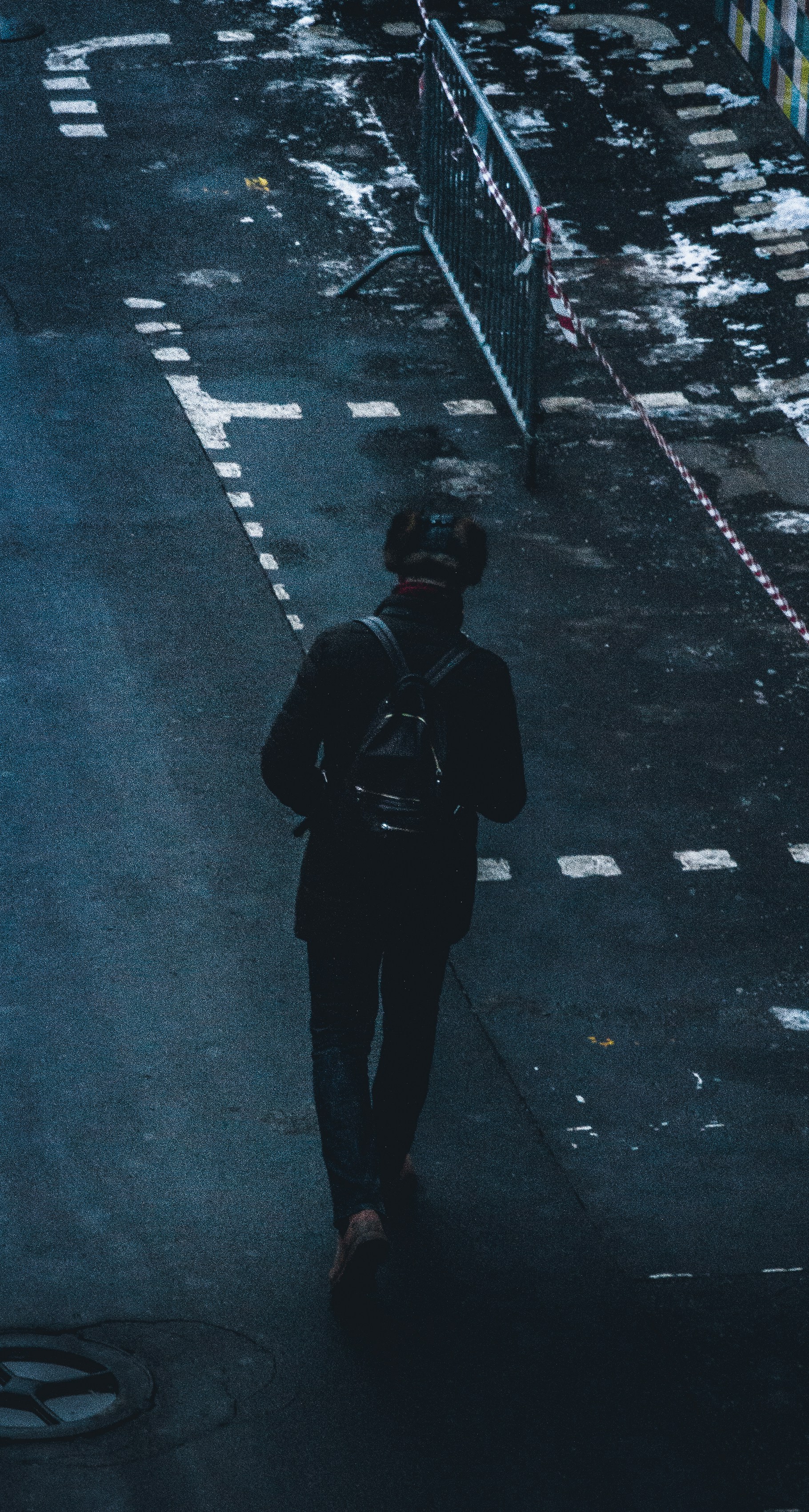
Safety should remain the cornerstone of any travel planning, particularly for those venturing alone. Urban environments can present various risks, ranging from petty theft and scams to navigating unfamiliar public transport systems. Therefore, taking proactive measures to ensure personal safety is imperative. Familiarizing oneself with the local customs, identifying safe neighborhoods, and maintaining awareness of surroundings can serve as effective strategies to mitigate potential risks.
In essence, solo travel in big cities is an enriching experience that encourages adventure and personal growth. By prioritizing safety and preparation, travelers can embark on their urban journeys feeling empowered and informed, ready to embrace all that big cities have to offer.
Understanding the City’s Environment: Research and Awareness
Before embarking on a solo journey to a bustling city, conducting thorough pre-travel research is essential. This preparation aids in familiarizing oneself with the local culture, which can significantly enhance the travel experience and ensure personal safety. Understanding the city’s customs, traditions, and social norms enables solo travelers to interact respectfully with residents, thereby fostering positive interactions and minimizing misunderstandings.
Identifying safe areas to stay is another crucial aspect of this research. It is advisable to seek accommodations in neighborhoods renowned for their safety and accessibility. Consulting travel advisories, online forums, or reputable travel blogs can provide valuable insights into the safest districts within a city. Additionally, reviewing recent traveler experiences helps in avoiding potentially hazardous locations and allows for better planning of one’s itinerary.
Moreover, being aware of common scams and dangers endemic to certain cities is vital. Many urban centers are rife with opportunistic schemes directed at tourists, especially those traveling alone. By recognizing typical scams—such as distractions, unwanted assistance, or unsolicited offers for help—a traveler can remain vigilant and safeguard their belongings. Engaging with local communities online, through social media platforms or travel groups, can yield contemporary warnings about prevalent threats.
Lastly, cultivating situational awareness is a critical skill for solo travelers. This involves maintaining an acute awareness of one’s surroundings, observing the behavior of those nearby, and being prepared to change plans if necessary. A traveler should regularly assess their comfort level in various environments, trust their instincts, and remain alert, thereby ensuring a higher degree of safety during their urban exploration.
Choosing Your Accommodation Wisely

When traveling solo, selecting the right place to stay is crucial for ensuring a safe and comfortable experience, particularly in big cities. A well-considered choice can make a significant difference in your overall enjoyment and security while visiting new urban environments. One of the first factors to consider is location. Aim for accommodations situated in safe neighborhoods that are known for being vibrant and well-lit, especially at night. Staying in areas frequented by tourists and locals alike often results in a more welcoming atmosphere.
Next, the safety ratings of your potential accommodation should be a key consideration. Online platforms provide valuable information about safety statistics and reports related to neighborhoods, which can help you gauge the overall security of the area. Additionally, reading recent reviews from fellow travelers can provide insight into what you can expect. Look for comments regarding the premises’ safety features, such as secure entry systems and well-monitored public spaces.
Whether you prefer hostels, hotels, or short-term rentals like Airbnb, certain attributes can enhance your stay. Ensure that the accommodation offers essential amenities, such as 24-hour reception, security cameras, or a safe for your belongings. If you choose to stay in a hostel, find one that is known for its community spirit and has staff available to assist with local knowledge. For hotels, opt for recognized chains or those with excellent online reputations. Always verify the booking terms and cancellation policies to avoid unexpected complications.
In conclusion, investing time to choose the right accommodation wisely will not only enhance your safety as a solo traveler but will also enrich your overall travel experience. Prioritizing location, safety ratings, and verified reviews can lead to a memorable and secure adventure in the big city.
Navigating the City: Public Transport and Safety Tips
Traveling in large cities often necessitates the use of public transport, which can be an efficient and economical way to get around. Understanding the various modes of transportation available, as well as the safety measures to take, is crucial for solo travelers. Public transport options typically include buses, subways, and trams, each providing unique advantages for navigating the urban landscape.

To ensure a safe experience while using public transportation, it is advisable to familiarize yourself with the city’s transit system ahead of time. Many cities offer mobile applications and online resources that provide real-time schedules, route maps, and fare information, making it easier for travelers to plan their journeys. Prioritizing day trips or off-peak travel can also help in avoiding crowded trains and buses, particularly during rush hour.
When on public transport, keeping personal belongings secure is paramount. It is advisable to use bags that you can close securely and keep them close to your body. Moreover, try to avoid displaying valuable items, such as high-end electronics or jewelry, which could attract unwanted attention. Additionally, remaining aware of your surroundings, including other passengers and the general environment, can help in identifying any potential threats.
In addition, practice common sense when choosing your seating. Sit near the driver or other travelers, as this may deter any suspicious behavior. If the transport is too crowded or if you feel uncomfortable, do not hesitate to exit and wait for the next available vehicle. Being proactive about your safety while utilizing public transport contributes significantly to an enjoyable solo travel experience in a bustling city.
Thwarting Theft: Preventive Measures for Solo Travelers
When venturing into big cities alone, solo travelers must be vigilant about theft prevention. One fundamental strategy is the use of anti-theft gear, such as the Pacsafe Venturesafe X backpack. This backpack features locking zippers, cut-resistant straps, and RFID-blocking pockets, which help safeguard personal belongings from opportunistic thieves. By choosing secure and practical travel gear, travelers can significantly reduce their risk of theft.
Another effective preventive measure is to keep valuables concealed and close to the body. Fanny packs or under-clothing money belts are excellent options for securing cash, passports, and other important items. Avoid displaying expensive electronics or jewelry in public, which can attract unwanted attention. For instance, instead of using a flashy camera, consider discreet photography options that don’t signal high value, thereby minimizing the chances of being targeted.
Additionally, staying aware of one’s surroundings is crucial for theft prevention. Solo travelers should cultivate an attentive mindset, observing the people and situations around them. When navigating crowded areas, such as public transport stations or bustling markets, it is wise to remain extra vigilant. Keeping personal items tucked securely under the arm and being conscious of who is in close proximity can thwart potential thieves.
Engaging in proactive behavior also contributes to personal safety. Utilizing technology, such as smartphone apps that help share your location with trusted friends and family, can provide an added layer of security. Furthermore, researching the areas you plan to visit and understanding common scams can equip travelers to make informed choices, ultimately enhancing their travel experience while minimizing risks.
Staying Connected: Mobile Safety and Communication Tips
In today’s digital age, staying connected while traveling solo is paramount, especially in expansive urban environments. One effective strategy is to invest in a local SIM card upon arrival. This allows for immediate access to mobile data and voice services, often at lower costs compared to international roaming plans. Many countries offer pre-paid SIM options that can be purchased at airports or local shops, making it convenient to maintain communication with family and friends back home.
Additionally, for travelers who prefer not to switch SIM cards, portable Wi-Fi devices—often referred to as pocket routers—provide excellent alternatives. These devices allow users to connect multiple devices simultaneously, ensuring you have reliable internet access throughout your journey. This accessibility is crucial not just for navigation but also for staying informed about any local safety alerts or travel advisories.
Another essential aspect of mobile safety is sharing your itinerary with trusted contacts. Before embarking on your journey, consider sending a detailed itinerary to a friend or family member. This should include accommodation details, transportation plans, and scheduled activities. In cases of emergency or unexpected situations, your loved ones will have a clear understanding of your whereabouts.
Leveraging mobile applications can further enhance safety while traveling alone. Downloading safety apps such as location-sharing services can provide peace of mind for both solo travelers and their families. Additionally, consider using travel apps that offer city guides, emergency contact information, and language translation features, all of which can be invaluable for navigating unfamiliar terrain.
By taking advantage of local SIM cards or portable Wi-Fi, sharing travel plans, and utilizing safety-oriented apps, solo travelers can stay connected effectively while ensuring their safety during their exploration of big cities.
Attracting Attention: Personal Safety Tips and Self-Defense
For solo travelers visiting bustling big cities, being aware of personal safety is paramount. To empower individuals in potentially uncomfortable scenarios, it is vital to adopt proactive strategies focused on self-defense and body language. Understanding and utilizing these strategies can enhance safety significantly.
First and foremost, body language plays a crucial role in personal safety. Carrying oneself with confidence can deter potential threats. Maintain an upright posture, make eye contact, and avoid wandering aimlessly, as this can portray vulnerability. Often, the way one walks can signal confidence or an invitation to be approached. Therefore, aiming to appear composed and aware can discourage unwanted attention.
Avoidance of risky situations is another critical aspect of personal safety. Before venturing into unfamiliar areas, it is advisable to research neighborhoods and to be cautious about the times when exploring. Avoiding dark and secluded spaces, particularly at night, can significantly reduce the risk of confrontations. Additionally, staying connected with friends or family regarding one’s whereabouts can serve as an essential safety measure.
Knowing how to seek assistance is equally important for solo travelers. Familiarize yourself with local emergency numbers and the locations of nearby police stations or safe establishments. If ever feeling threatened, do not hesitate to approach authority figures or enter a business to ask for assistance. Being assertive and expressing discomfort can help in garnering help from bystanders, fostering a safer environment.
In elite circumstances, basic self-defense techniques can prove invaluable. Enrolling in a self-defense course before traveling can prepare individuals to respond effectively should they encounter hostility. Understanding how to evaluate a situation, assess escape routes, and engage in self-defense maneuvers can empower travelers, allowing for a greater sense of security during their adventure.
Emergency Preparedness: Creating a Safety Plan
Traveling solo in a big city can be an enriching experience, but it also comes with its share of risks. Therefore, establishing a comprehensive safety plan is an essential step for any solo traveler. An effective safety plan prepares travelers for emergencies, ensuring they know how to respond if things go awry.
One of the foundational elements of a safety plan is developing a strategy for lost belongings. In case a traveler loses their wallet, smartphone, or passport, it is vital to have a list of important numbers handy, such as the local police, embassy contact, or insurance provider. It is advisable to have these numbers written down or saved on a secure but easily accessible app on their mobile device.
Encounters with trouble, whether aggressive panhandling or theft, can occur in unfamiliar urban environments. An effective response includes remaining calm and assessing the situation. If possible, try to move to a crowded area or find a nearby store where assistance can be sought. Additionally, informing local authorities promptly is crucial, as they can provide immediate help and guidance.
Medical emergencies can occur unexpectedly, making it important for travelers to know where nearby medical facilities are located. Accurate knowledge of local emergency numbers, such as those for ambulance services or hospitals, will decrease response times in critical situations. Keeping a small first aid kit can also be beneficial for minor injuries or health concerns.
Finally, an emergency contact list should be prepared with the details of trusted family members or friends who can be contacted in case of an emergency. This list should be easily accessible, and travelers should inform these contacts of their itinerary to enhance their safety while navigating through a bustling city.
Conclusion: Travel Smart, Stay Safe, and Enjoy the Journey
As we conclude our discussion on solo travel safety tips for navigating bustling urban environments, it is essential to recognize that preparation and awareness play crucial roles in ensuring a secure experience. Big cities can offer exciting adventures, rich cultural experiences, and amazing opportunities for personal growth, provided that solo travelers remain vigilant and proactive. By implementing the strategies outlined in this blog post, travelers can significantly minimize risks associated with city exploration.
Traveling alone does not have to be a daunting endeavor; instead, it can lead to profound self-discovery and unforgettable experiences. By planning your itinerary in advance, staying alert to your surroundings, and utilizing technology to keep connected and informed, you are equipping yourself with powerful tools that foster both enjoyment and safety during your journey.
It is essential to understand the significance of familiarizing yourself with your destination’s local customs, transportation systems, and emergency contacts. Such knowledge not only aids in navigating the city but also enhances your overall travel experience. Remember, maintaining a confident demeanor while blending in with locals can further contribute to a richer and more secure vacation.
Moreover, engaging with fellow travelers and forming connections with locals can provide invaluable insights into safe practices and hidden gems throughout your journey. Embracing flexibility in your plans while respecting cultural norms will allow for a more meaningful adventure. Ultimately, remember that while there may be challenges when exploring new environments alone, the rewards of independence and personal growth make the experience worthwhile.
In essence, let your sense of curiosity drive your travels, while applying these safety measures to ensure a memorable trip. With the right preparation, solo adventures in large cities can be both safe and enriching, creating lasting memories and broadening horizons.