
Exploring the Vibrant Tapestry of Sub-Saharan Africa: A Traveler’s Guide to Culture, Cuisine, and Traditions
Introduction to Sub-Saharan Africa
Sub-Saharan Africa is a vast and incredibly diverse region that extends south of the Sahara Desert, encompassing a multitude of countries and cultures. This area is renowned for its rich cultural heritage, which reflects a tapestry of traditions, languages, and customs that vary significantly from one locale to another. From the bustling markets of Dakar to the serene landscapes of the Serengeti, Sub-Saharan Africa offers travelers an unparalleled opportunity to experience authentic and vibrant cultures.
The geographical diversity of Sub-Saharan Africa is equally striking, featuring everything from arid deserts and lush savannas to tropical rainforests and breathtaking coastlines. Each ecosystem hosts a unique array of flora and fauna, providing countless options for eco-tourism and adventure. Visitors can explore the magnificent peaks of Kilimanjaro, take serene boat rides on Lake Victoria, or embark on thrilling safaris in national parks that protect endangered species.

Immersing oneself in local traditions is an essential part of experiencing Sub-Saharan Africa. Many communities place a strong emphasis on communal living and hospitality, offering visitors an opportunity to engage with local customs. This engagement can involve participating in traditional dances, attending festivals, or savoring locally prepared dishes, which often highlight the region’s rich culinary diversity. Such experiences not only enrich one’s travel itinerary but also foster a deeper understanding of the social fabric that binds these communities together.
The narrative of Sub-Saharan Africa is one of resilience, creativity, and community, making it a must-visit destination for those in search of wearisome authenticity. With its blend of cultural richness and natural wonder, this region has much to offer to the curious traveler. As we journey through the various aspects of Sub-Saharan Africa in this guide, prepare to become inspired by the stories, flavors, and traditions that permeate this remarkable part of the world.
Diverse Cultures of Sub-Saharan Africa
Sub-Saharan Africa is home to a remarkable array of cultures, shaped by the continent’s rich history and diverse ethnic groups. With over 3,000 distinct ethnicities and more than 2,000 languages spoken across the region, the cultural landscape is as colorful as it is complex. Among the most well-known ethnic groups are the Zulu, Xhosa, and San in Southern Africa, the Yoruba and Igbo in West Africa, and the Maasai in East Africa, each with their unique customs, languages, and traditions.
Languages play a significant role in the cultural identity of these communities. For instance, Swahili, widely spoken in East Africa, serves as a lingua franca among various groups, fostering communication and cultural exchange. Additionally, the preservation of oral traditions, such as storytelling and proverbs, reinforces community values and history, emphasizing the importance of wisdom and respect.

The historical context of Sub-Saharan Africa, particularly the impacts of colonization, has profoundly shaped local customs and societal structures. Colonial rule imposed new governance systems and economic models, often disrupting traditional practices and leading to cultural hybridization. Despite these challenges, many communities have managed to retain their cultural heritage and revive local practices, showcasing resilience and adaptability.
The significance of respecting local customs cannot be overstated when traveling through Sub-Saharan Africa. Understanding and appreciating cultural practices such as traditional ceremonies, dance, and art can enrich the travel experience. Engaging with local communities in a respectful manner fosters mutual understanding and promotes sustainable tourism practices, allowing visitors to contribute positively to the socio-economic fabric of the region.
Unique Customs and Traditions
Sub-Saharan Africa is a region renowned for its rich tapestry of customs and traditions that vary widely across different cultures and tribes. Travelers who venture into this vibrant area will find a unique array of practices that illustrate the deep-rooted heritage of its people. One notable custom is the traditional dance, which plays an integral role in many social and spiritual events. For instance, the Zulu people of South Africa engage in the energetic Indlamu dance, often performed during ceremonies to celebrate marriage or the arrival of significant seasons.
In addition to dance, rituals are crucial aspects of cultural expression in Sub-Saharan Africa. In Ghana, the annual Homowo festival is celebrated by the Ga-Dangme people to commemorate a historical period of famine. Participants engage in ceremonial music, dance, and the sharing of the traditional dish “kpokpoi,” symbolizing abundance and gratitude. Such customs highlight the importance of agriculture and community resilience.
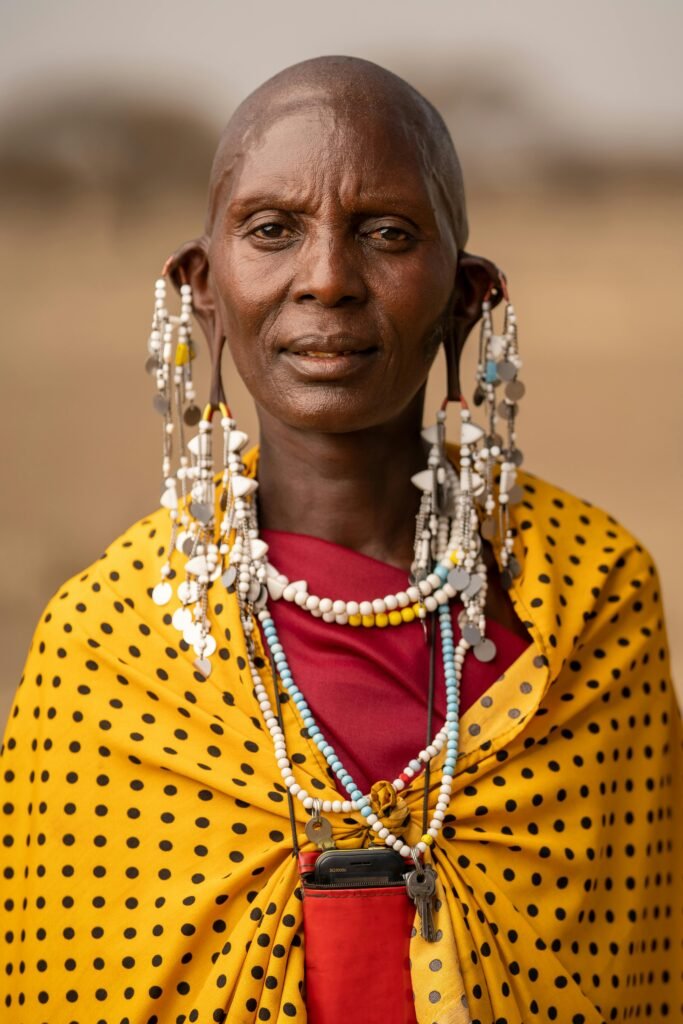
Ceremonies marking life transitions, such as birth, puberty, and marriage, are significant across various ethnic groups. The Maasai of Kenya and Tanzania host exquisite wedding ceremonies characterized by vibrant attire, traditional songs, and the iconic jumping dance, known as the Adumu. This not only showcases their cultural identity but also reaffirms community bonds.
Furthermore, spiritual practices among the Yoruba people in Nigeria include the elaborate Osun-Osogbo festival. Dedicated to the river goddess Osun, it features a procession with rituals, prayers, and artistic displays that attract visitors and devotees alike. Such events underline the interconnectedness of spirituality, art, and community in defining cultural identity.
The intricate customs and traditions of Sub-Saharan Africa offer invaluable insights into the cultural richness of the region, providing travelers with a profound appreciation of the societal values and historical significance embedded in these practices.
Culinary Delights: An Overview of African Cuisine
Sub-Saharan Africa presents a rich and diverse culinary landscape, one that reflects the continent’s culture, history, and geography. Each region boasts a unique array of ingredients, flavors, and cooking styles, creating a vibrant tapestry of African cuisine. Central to this culinary experience are staple ingredients such as grains, pulses, vegetables, and meats, with each area favoring its indigenous produce.
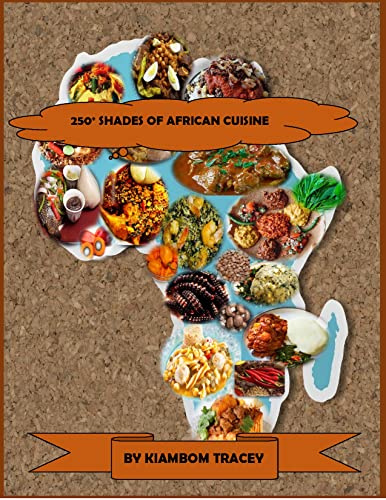
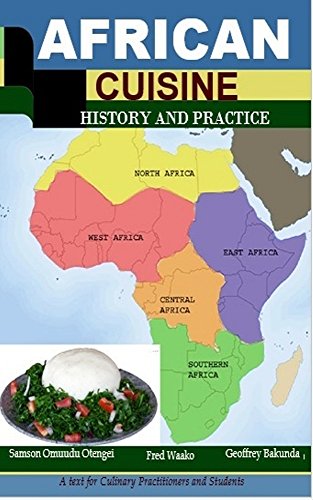
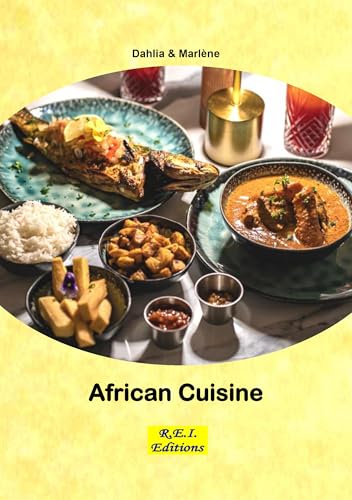
In West Africa, for instance, dishes frequently incorporate rice, yams, and cassava, complemented by spicy stews and sauces made from tomatoes, peppers, and various spices. Jollof rice, a popular dish, exemplifies the fusion of flavors that characterize West African cooking. The use of palm oil and the inclusion of fish, especially in coastal regions, further enhance this area’s culinary traditions.
East African cuisine, on the other hand, is defined by its mixtures of influences from Indian, Arab, and African cultures. Dishes such as Ugali, a staple made from maize flour, showcase the emphasis on grains. Additionally, the incorporation of spices—like cumin, coriander, and cardamom—adds layers of complexity to the flavors. Popular dishes such as Injera from Ethiopia exemplify the region’s unique sourdough flatbreads, often served with an array of spiced stews.
Southern Africa presents another variation, where braai (barbecue) culture is prevalent. Traditional dishes include Biltong and Potjiekos, with a focus on grilled meats and communal dining experiences. The prominence of maize and various vegetables speaks to the agricultural history of the area, while traditional cooking methods, such as steaming and slow-cooking, are commonly employed.
Across the continent, the historical trade routes have significantly influenced local cuisines. Spices from the East, rice from the West, and the culturally embedded practices have intermingled, fostering an environment of culinary exchange. The result is an intricate and diverse food culture that showcases how history, geography, and tradition intertwine to create the dynamic palate found within African cuisine.
Local Food Experiences: Markets and Street Food
Sub-Saharan Africa presents a rich tapestry of culinary traditions, reflecting its diverse cultures and communities. Local food experiences, particularly through vibrant markets and bustling street food stalls, offer an authentic taste of the region’s heritage. Travelers seeking to delve deep into local flavors can start their culinary journey at the various markets, where vendors display colorful produce, spices, and cooked meals.
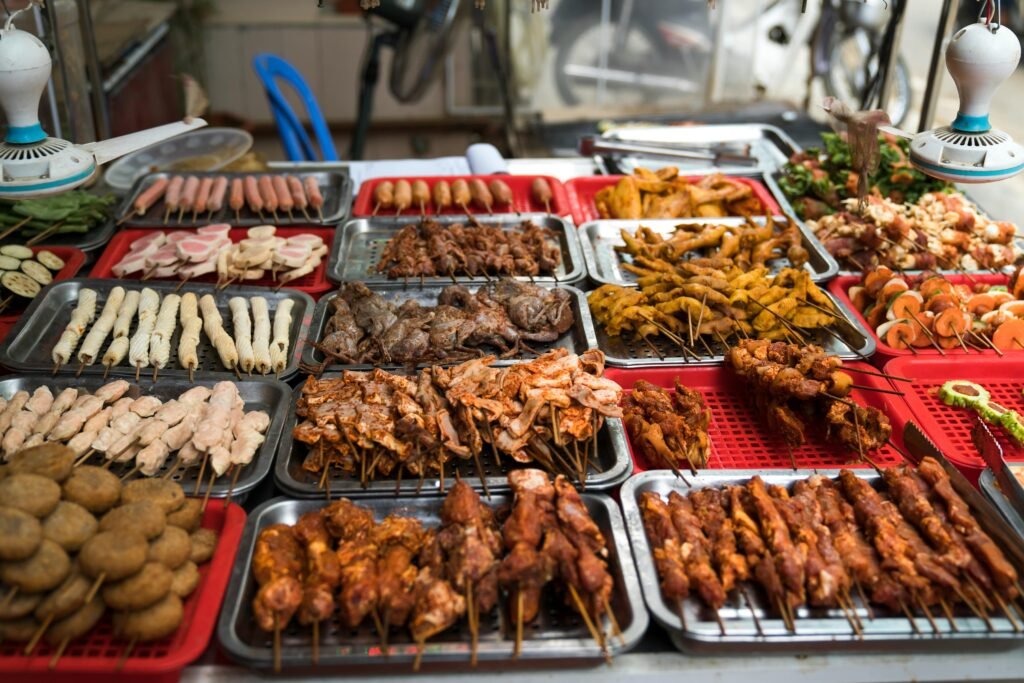
In cities like Accra, Ghanaians flock to the bustling Makola Market, which is known for its fresh fruits, vegetables, and traditional street food such as “waakye” (rice and beans) and “kelewele” (spicy fried plantains). Similarly, the bustling Maasai Market in Nairobi is a vibrant hub where visitors can savor local delicacies like “ugali” and various meat skewers, all while engaging with local artisans selling handcrafted goods.
Street food is not to be missed in places like Dakar, Senegal, where vendors serve dishes like “thieboudienne,” the country’s national dish made of fish and rice. Travelers should not only indulge in these delightfully prepared foods but also adopt appropriate food safety measures. It is advisable to consume food that is freshly cooked to order, as this minimizes the risk of foodborne illnesses.
When navigating through these culinary landscapes, knowing a few phrases in the local language can enhance interactions with vendors and enrich the overall experience. Always look for busy stalls, as a high turnover of food usually indicates freshness and popularity. Furthermore, drinking bottled water rather than tap water ensures safe hydration while you explore the delectable offerings of Sub-Saharan Africa.
Festivals and Celebrations to Experience
Sub-Saharan Africa is a vibrant region teeming with diverse cultures that express themselves through a myriad of festivals and celebrations. These events offer travelers a unique opportunity to immerse themselves in local traditions, engage with communities, and experience the rich tapestry of the continent’s history. One of the most intriguing aspects of these gatherings is their ability to reflect the unique heritage and customs of different ethnic groups.
One of the most famous festivals is the Timkat in Ethiopia, a celebration of the Ethiopian Orthodox Epiphany. This festival features a grand procession of priests and worshippers adorned in colorful robes, carrying the Tabot, a replica of the Ark of the Covenant. The celebration is marked by vibrant ceremonial reenactments, local music, and traditional dancing, culminating in the blessing of the water, an event that draws thousands of locals and tourists alike.

In West Africa, the Durbar Festival showcases the majestic horsemanship of various emirates during Eid al-Adha. This festival features a parade of elegantly dressed horses, traditional music, and colorful attire. Travelers can expect an enchanting atmosphere as cultural dances and local culinary delights enrich the experience. Another notable cultural celebration is the Harare International Festival of the Arts in Zimbabwe, which draws artists from across the globe, offering a vibrant mix of music, theater, and visual arts.
Moreover, the Ouidah Voodoo Festival in Benin celebrates the African diaspora’s spiritual traditions, where visitors witness vibrant rituals aimed at connecting with ancestors and spirits. The festival includes vibrant parades, drum music, and local cuisine that reflect the community’s spiritual beliefs.
Travelers attending any of these festivals can expect an abundance of sensory experiences, from the rhythms of music to the aroma of local dishes. These events not only celebrate cultural identity but also foster a sense of community, demonstrating how traditions keep history alive across generations.
Historical Sites and Landmarks
Sub-Saharan Africa is rich in history, boasting numerous historical sites and landmarks that reflect its diverse cultural heritage. Many of these sites are recognized as UNESCO World Heritage sites, signifying their global cultural significance. For instance, the ancient city of Great Zimbabwe is a remarkable testament to medieval civilization, showcasing extensive stone structures that served as a royal palace and an important trade center. Visitors to this site can marvel at the intricately constructed walls and learn about the sociopolitical dynamics that shaped the region during its peak.
Another significant site is Robben Island in South Africa, where Nelson Mandela was imprisoned for 18 years. This landmark serves as a powerful reminder of the struggle against apartheid and now operates as a museum, providing guided tours that educate visitors on the historical context and the sacrifices made for freedom. Engaging with these narratives deepens one’s appreciation of the cultural importance embedded in these sites.
These historical landmarks not only create pathways to the past but also highlight the transitions that communities have experienced over centuries. For instance, the temples of Aksum in Ethiopia are characterized by their impressive stelae and serve as a monument to the ancient Kingdom of Aksum, a key player in early Christianity. When exploring these sites, it is essential for travelers to approach them with respect, recognizing their significance in local culture and history.
Moreover, many sites are situated in breathtaking natural landscapes, enhancing the overall experience. Guided tours often provide insights that connect the physical structures to the larger narratives of colonialism, resistance, and resilience. Travelers are encouraged to support local guides who are versed in the histories of these locations, thereby fostering a deeper understanding of the cultural tapestries that define Sub-Saharan Africa.
Travel Tips for an Authentic Experience in Africa
When traveling to Sub-Saharan Africa, ensuring an authentic experience requires awareness of local customs and values, as well as precautionary measures for safety. First and foremost, understanding the cultural dynamics is paramount. Each country within this region hosts a rich tapestry of ethnic groups, languages, and traditions. Engaging with citizens in their native customs not only cultivates respect but often invites a warmer reception. A few key practices include greeting individuals in their local language, showing appreciation for traditional attire, and demonstrating an interest in community events.



Safety is essential during travels; thus, it is advisable to remain vigilant and informed. Familiarize yourself with the areas you plan to visit. Some countries may have regions that are safer than others, and local advice can be invaluable. Staying updated on news and travel advisories specific to your destination goes a long way. Also, travel in groups when possible and utilize reputable local guides who can provide insight not only into attractions but also into navigating social norms.
Another critical aspect of an authentic African experience is community engagement. Respect local traditions by partaking in cultural activities, such as local markets or festivals, which offer firsthand understanding of the way of life. Respect for local practices can enhance your experience; for example, when photographing individuals, always seek permission first. Additionally, try local foods and participate in culinary experiences, as these are often central to the culture.
Lastly, practice responsible tourism by giving back to communities, whether through eco-friendly practices or supporting local artisans. This not only enriches your journey but also ensures that your visits contribute positively to the regions you explore. By following these tips, travelers can experience the true essence of Sub-Saharan Africa, enjoying its diverse cultures while fostering meaningful connections and understanding.
Conclusion: Embrace the Journey
Traveling through Sub-Saharan Africa is an invitation to experience a world rich in diversity, culture, and heritage. This vibrant region, hosting an array of traditions, languages, and culinary delights, presents an unparalleled opportunity for travelers to engage with its people and their stories. The goal of this guide has been to inspire you to not only visit but also appreciate the intricate tapestry that constitutes African life.
As you contemplate your journey, consider the importance of cultural appreciation. Each encounter with local communities provides insight into their customs and practices, fostering a deeper understanding of what makes Sub-Saharan Africa so unique. Whether it is attending a traditional festival, participating in a village workshop, or simply enjoying a meal shared with locals, every moment spent here has the power to transform your perspective and broaden your horizons.
The flavors of Sub-Saharan cuisine deserve recognition as an essential aspect of this adventure. Each dish carries with it a narrative—often steeped in history and tradition—that exemplifies the resources and creativity of individual cultures. Embrace the opportunity to savor local delicacies, as they reflect the heart and soul of the people who have lived in harmony with their environment for generations.
In conclusion, immerse yourself fully in the experiences that Sub-Saharan Africa has to offer. Traveling through this incredible region not only enriches your understanding and appreciation of its vibrant cultures but also cultivates respect for the traditions that shape this part of the world. So, pack your bags and prepare to embark on a journey that promises discovery, connection, and unforgettable memories.