
Hidden Gems in Europe: 5 Towns You’ve Never Heard Of
Introduction to Europe’s Hidden Gems
Europe is renowned for its iconic landmarks, rich history, and vibrant cultures. However, nestled away from the well-trodden tourist pathways, there exists a plethora of lesser-known towns that can be described as hidden gems. These charming locales often go unnoticed, overshadowed by the allure of popular destinations such as Paris, Rome, or Barcelona. Yet, the significance of these hidden gems lies not only in their scenic beauty but also in the authentic experiences they offer to discerning travelers.
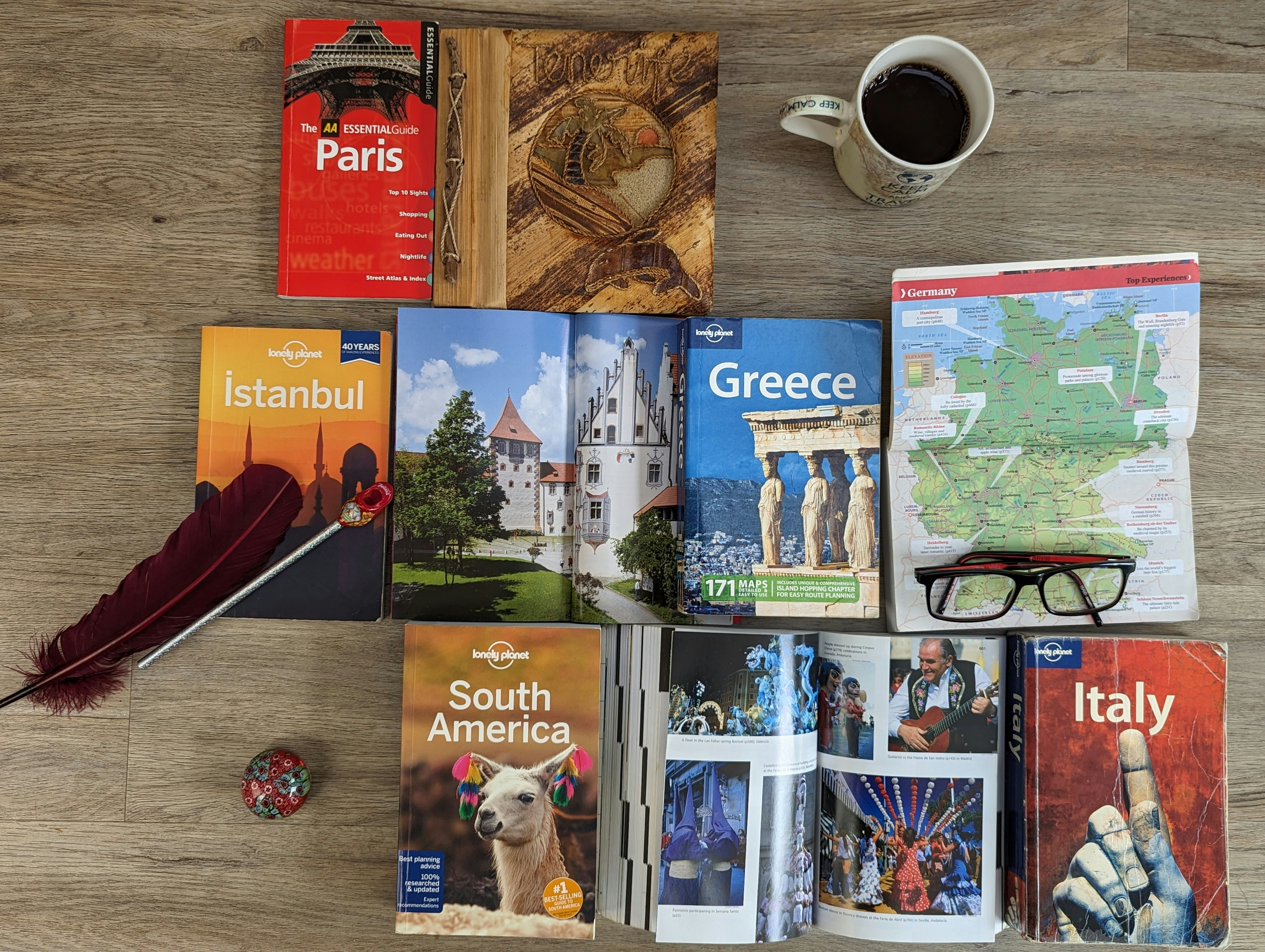
Exploring these lesser-known towns provides a unique opportunity to engage with local culture in a manner that is sometimes difficult to achieve in busier areas. Visitors can enjoy more intimate interactions with residents, taste traditional cuisine, and immerse themselves in local customs and handicrafts. Such experiences contribute to a deeper understanding of the region’s heritage and way of life, all while enjoying the tranquility that these towns offer compared to the hustle and bustle of larger cities.
Moreover, the hidden gems of Europe often boast remarkable architecture, breathtaking natural landscapes, and rich traditions that have remained intact over the years. Traveling to these towns allows one to unveil stories and histories that are not easily found in guidebooks. As travelers embark on such explorations, they are also likely to face fewer crowds and enjoy more personalized experiences, making for a more enriching journey. Whether you are drawn to cobbled streets, vibrant markets, or serene coastal views, the allure of these hidden towns will undoubtedly captivate your interest.
Criteria for Choosing Hidden Gems
When identifying hidden gems in Europe, several critical criteria are considered to ensure that these towns truly offer unique experiences away from the typical tourist trails. The first factor is population size, as smaller towns with fewer inhabitants tend to foster an intimate atmosphere. These places often preserve their authenticity, allowing visitors to experience local culture without the overwhelming influence of mass tourism.
Another essential criterion is the level of mainstream tourism. Locations that have avoided heavy commercialization and tourism footprints are prioritized. This lack of commercialization often preserves the local customs, traditions, and lifestyle, giving visitors a more authentic glimpse into the town’s character. Towns that showcase unique local festivals or customs often rank higher on the list, as these elements contribute to the town’s charm and provide visitors with enriching experiences.
Natural beauty is also a significant aspect in the selection process. Towns surrounded by picturesque landscapes, whether nestled in rolling hills, alongside tranquil coastlines, or near breathtaking mountains, generally hold considerable appeal for those looking to escape the well-trodden paths. Such natural settings not only enhance the visual experience but also invite opportunities for outdoor activities and exploration of local flora and fauna.
Lastly, historical significance plays a pivotal role in the selection of these hidden gems. Towns that boast rich histories, unique architecture, or remarkable stories provide visitors with a deeper understanding of the region’s heritage. This historical context can foster a sense of connection to the past, making the visit even more meaningful. By blending these criteria—population size, tourism levels, natural beauty, and historical significance—this blog post aims to illuminate a selection of European towns that provide memorable and enriching travel experiences.
The Enchanting Village of Varenna, Italy

Nestled along the serene shores of Lake Como, Varenna stands as a picturesque village that is often overlooked by travelers. This hidden gem is defined by its stunning vistas, charming cobblestone streets, and vibrant, colorful buildings that seem to cascade down the hillside towards the bright waters of the lake. As one wanders through the narrow alleys, the enchanting atmosphere of Varenna truly captivates the heart.
Among the notable attractions in Varenna is the Villa Monastero, a historical villa that boasts lush botanical gardens and opulent interiors that reflect the rich history of the region. Visitors can stroll through its manicured gardens, enjoying breathtaking views of Lake Como and the surrounding mountains. The villa’s museum offers insight into the life and times of the local nobility, enriching the experience for history enthusiasts.
The waterfront of Varenna is another must-visit spot, where one can meander along the picturesque promenade, taking in the sights and sounds of this tranquil village. The charm of the local cafes and restaurants along the water’s edge invites visitors to indulge in authentic Italian cuisine. For a recommendation, dine at a local trattoria and savor homemade pasta paired with a glass of local wine, an experience that encapsulates the culinary delight of the region.
For outdoor enthusiasts, Varenna offers numerous hiking trails that provide panoramic views of Lake Como and the surrounding valleys. A hike to the nearby Castello di Vezio is particularly rewarding and provides a glimpse into the area’s medieval past. With its captivating scenery and warm hospitality, Varenna is an enchanting destination that offers a perfect blend of relaxation and adventure, making it an essential stop for any traveler seeking to discover the hidden gems of Europe.
The Quirky Town of Monschau, Germany

Nestled in the picturesque hills of the Eifel region, Monschau is a captivating town that boasts a rich history and unique charm. Renowned for its stunning half-timbered houses, this idyllic destination presents a postcard-perfect view that delights visitors year-round. The architecture is complemented by the enchanting surrounding landscape, making it an ideal location for both relaxation and adventure.
One of the primary attractions in Monschau is its proximity to the Eifel National Park, an expanse of breathtaking natural beauty. Visitors can explore an extensive network of hiking and biking trails, which meander through lush forests, rolling hills, and past serene lakes. The diverse flora and fauna offer nature enthusiasts a perfect opportunity for wildlife spotting and photography, while the tranquil ambiance of the park invites contemplation and peace. Whether you are an avid hiker or a casual walker, the park’s paths cater to all skill levels, ensuring an accessible experience in the great outdoors.
In addition to its natural allure, Monschau is also a hub for local artisan crafts. The town is dotted with quaint shops and studios where artisans showcase their skills in pottery, textiles, and woodworking. Visitors are encouraged to engage with these craftsmen, learn about their techniques, and perhaps even purchase a unique handmade souvenir. This aspect of Monschau not only supports local businesses but also enhances the cultural richness of the region.
Throughout the year, Monschau hosts various seasonal events and festivals that celebrate local traditions. From the enchanting Christmas market, where the streets come alive with twinkling lights and festive treats, to vibrant summer fairs highlighting local music and dance, there is always something happening in this quirky town. Such events foster a sense of community and invite visitors to partake in the rich culture that Monschau has to offer.
The Seaside Charm of Šibenik, Croatia

Šibenik, situated along the picturesque Adriatic coast of Croatia, is a town that often flies under the radar for many travelers. Known for its rich history and stunning architecture, Šibenik offers a unique blend of cultural experiences set against a backdrop of natural beauty. The town’s crown jewel is undoubtedly the UNESCO World Heritage-listed St. James Cathedral, a stunning example of Renaissance architecture that dates back to the 15th century. This remarkable structure, built entirely of local stone, showcases intricate carvings and attracts visitors who appreciate its historical significance.
The allure of Šibenik is not confined to its historical sites. The town’s local cuisine is another aspect that captivates visitors. Dining in Šibenik means indulging in fresh seafood, traditional Dalmatian dishes, and vibrant Mediterranean flavors. Restaurants and local taverns invite guests to savor regional specialties, with a particular emphasis on fresh fish caught daily from the Adriatic waters, often accompanied by locally produced olive oil and fine wines. This gastronomic adventure is complemented by the scenic views of the coastline, making every meal a memorable experience.
For those seeking relaxation, Šibenik’s beautiful beaches provide the perfect escape. The town is bordered by stunning coves and crystal-clear waters, ideal for swimming, sunbathing, or simply relaxing with a good book. Unlike more famous Croatian destinations such as Dubrovnik or Split, Šibenik maintains a laid-back atmosphere, allowing visitors to enjoy the serene beauty of the coastal landscape without the crowds. This inviting ambiance, coupled with the rich cultural offerings, makes Šibenik a hidden gem worth exploring for any traveler looking to experience the charm of Croatia’s coast.
The Rustic Allure of Dinan, France
Perched on the edge of the Rance River, Dinan is a medieval town that perfectly embodies the rich history and vibrant culture of Brittany, France. Its cobblestone streets and well-preserved architecture transport visitors back in time, allowing them to relish the charm of a bygone era. The picturesque town is surrounded by formidable medieval fortifications that hint at its strategic importance during past centuries. Visitors can explore the ancient ramparts, offering sweeping views of the lush countryside and the serpentine river below.
Upon wandering through Dinan, one is struck by the distinct half-timbered houses that line the narrow streets. The architectural style reflects Norman influences, creating a unique visual tapestry that enchants artists and photographers alike. Notable landmarks include the 14th-century castle and the stunning Basilica of Saint-Sauveur, which showcases intricate architectural details and rich historical significance.
Dinan is not just about history; it has a burgeoning art scene too. Local galleries and studios vibrantly reflect the creative spirit of the town, with works inspired by its natural beauty and historical essence. Visitors can immerse themselves in the lively atmosphere of the town during the summer months, when street performers and artists add vibrancy to the picturesque setting.
Your visit would be incomplete without a leisurely stroll along the Rance River, where scenic pathways meander through lush landscapes, providing an idyllic backdrop for relaxation and contemplation. Additionally, local markets brim with fresh Breton produce, offering a taste of the region’s culinary delights. From artisanal cheeses to flavorful crêpes, Dinan’s local fare is a feast for the senses. Overall, Dinan represents a harmonious blend of history, culture, and natural beauty, making it a hidden gem in Europe worth discovering.
The Cultural Hub of Ronda, Spain

Nestled in the picturesque mountains of Andalusia, Ronda emerges as a captivating town that truly embodies the essence of Spanish culture and heritage. Renowned for its stunning cliffs and the iconic Puente Nuevo bridge, Ronda offers visitors an opportunity to experience a side of Spain that diverges from the well-trodden paths of crowded beaches and bustling cities. This charming town invites exploration through its rich history, vibrant arts, and culinary delights.
A significant cultural aspect of Ronda is its traditional flamenco shows. Flamenco, a soulful expression of music and dance, resonates deeply within the local community. Numerous venues and outdoor performances scatter throughout the town, where both visitors and locals gather to revel in the passion and artistry of this captivating genre. Attending a flamenco show in Ronda provides a unique glimpse into the heart of Andalusian culture.
In addition to its artistic offerings, Ronda is also a notable destination for wine enthusiasts. The region’s temperate climate and fertile land contribute to the production of exquisite wines, primarily from indigenous grape varieties. Visitors can partake in wine-tasting tours among the local vineyards, gaining insights into the winemaking process, while savoring the distinct flavors of Ronda’s wines. This experience not only highlights the region’s agricultural heritage but also showcases the importance of gastronomy in Andalusian life.
Moreover, Ronda’s culinary scene enchants food lovers with its diverse offerings, from traditional tapas to innovative dining experiences. Visitors have the opportunity to indulge in local delicacies, such as chorizo and serrano ham, expertly prepared using time-honored recipes. The combination of Ronda’s breathtaking scenery, cultural vibrancy, and gastronomic delights establishes this hidden gem as a quintessential representation of Spanish culture.
Travel Tips for Exploring Lesser-Known Towns
Exploring lesser-known towns in Europe can offer a unique and enriching travel experience. To make the most of your visit, consider several practical travel tips. First, transportation plays a crucial role in such journeys. While major cities often have extensive public transport networks, smaller towns may require alternative modes of travel. Renting a bike can be an excellent way to navigate these charming areas, allowing for a comprehensive exploration of the scenic landscapes and local attractions.
Furthermore, it’s advisable to familiarize yourself with the local customs and practices. Each region in Europe has its own set of traditions, and understanding these can enhance your interactions and experiences. Engaging with locals can often lead to discovering hidden gems that are not highlighted in typical travel guides. A friendly conversation might reveal an upcoming festival, a lesser-known museum, or an authentic restaurant that tourists typically overlook.
Timing your visit is also essential for the best experience. Many lesser-known towns thrive on seasonal tourism, so learning the peak and off-peak periods can make a significant difference in your trip. Visiting during the shoulder season often means fewer crowds and a more authentic atmosphere, allowing for a deeper connection to the culture of the town.
For those seeking additional insights, digital resources can be invaluable. Books like the Lonely Planet Europe’s Hidden Secrets offer in-depth information and personal anecdotes, enriching your journey. Similarly, look for local tourism websites or social media groups dedicated to the town you plan to visit, as these platforms often reveal current happenings and events.
With careful planning and an open mind, exploring these hidden towns can lead to delightful encounters and unforgettable memories. Remember, the journey is as important as the destination itself.
The Benefits of Escaping the Crowds
Traveling to lesser-known destinations in Europe presents a variety of advantages that significantly enhance the overall experience. One of the primary benefits is the relaxed atmosphere found in these hidden gems, where fewer tourists create a more inviting environment. In contrast to bustling tourist hotspots, smaller towns offer visitors the luxury of leisurely exploration, allowing one to take in sights, sounds, and tastes without the pressure of navigating large crowds.
Moreover, escaping the crowds offers travelers the unique opportunity to connect with locals, fostering authentic interactions that enrich the travel experience. These encounters can lead to meaningful conversations, guided tours, or even insider tips about the best local cuisine. Engaging with residents allows visitors to immerse themselves in the cultural fabric of a destination, gaining invaluable insights that are often overlooked in more commercialized tourist areas.
Visiting lesser-known towns also opens the door to unique cultural experiences that celebrate the locale’s heritage and traditions. From local festivals to immersive culinary experiences, travelers can discover intriguing aspects of life that are often overshadowed by mainstream attractions. Engaging in traditional practices, such as artisan craft workshops or cooking classes, creates memorable moments that resonate long after the trip is over.
Additionally, these undiscovered towns provide the chance to explore without the stresses often associated with popular tourist areas. Popular attractions can lead to long wait times, crowded accommodations, and inflated prices. By venturing off the beaten path, travelers can savor their surroundings at a more comfortable pace, making spontaneous decisions and uncovering hidden treasures that aren’t advertised in tourist guides.
In summary, leaving behind the crowds to explore lesser-known destinations in Europe allows for a richer, more relaxed travel experience marked by meaningful connections, cultural immersion, and the freedom to explore at one’s own pace.
Conclusion: Embrace the Adventure of Discovery
As we conclude our exploration of hidden gems in Europe, it is evident that the charm of lesser-known towns holds an allure that is difficult to match. These quaint destinations, often overshadowed by their more popular counterparts, offer a unique glimpse into the authentic cultural tapestry of the continent. By taking the road less traveled, travelers gain access to extraordinary experiences that reveal the true essence of European heritage and lifestyle.
Visiting these hidden towns not only enriches one’s journey but also allows for a more personal connection with the local culture and history. From the scenic landscapes to charming architecture and vibrant local traditions, these gems harbor stories and experiences waiting to be uncovered. Each hidden town brings its own distinct flavor, making every visit a memorable adventure. Whether it’s savoring traditional cuisine, participating in local festivals, or simply enjoying serene surroundings, the possibilities for discovery are endless.
We encourage our readers to embrace the spirit of adventure and seek out their own hidden treasures while traveling through Europe. You may find that the memories created in these less-renowned locales are among the most cherished. Furthermore, sharing your personal experiences with such destinations helps promote awareness of the beauty and richness that exists beyond the typical tourist paths. As you plan your future travels, consider adding a visit to these enchanting towns; they are likely to offer you a deeper understanding of the culture and people who inhabit them. The joy of uncovering a hidden gem awaits you, so embark on your journey today!