
How to Travel Carry-On Only: Complete Packing List for Long Trips
Introduction to Carry-On Only Travel
Carry-on only travel has gained popularity among travelers seeking to simplify their journeys and minimize unexpected hassles. By limiting oneself to just a carry-on bag, travelers can enjoy a more streamlined experience through airports and at their destinations. This approach significantly reduces the complexities associated with checked baggage, such as lost luggage or delays at baggage claim.
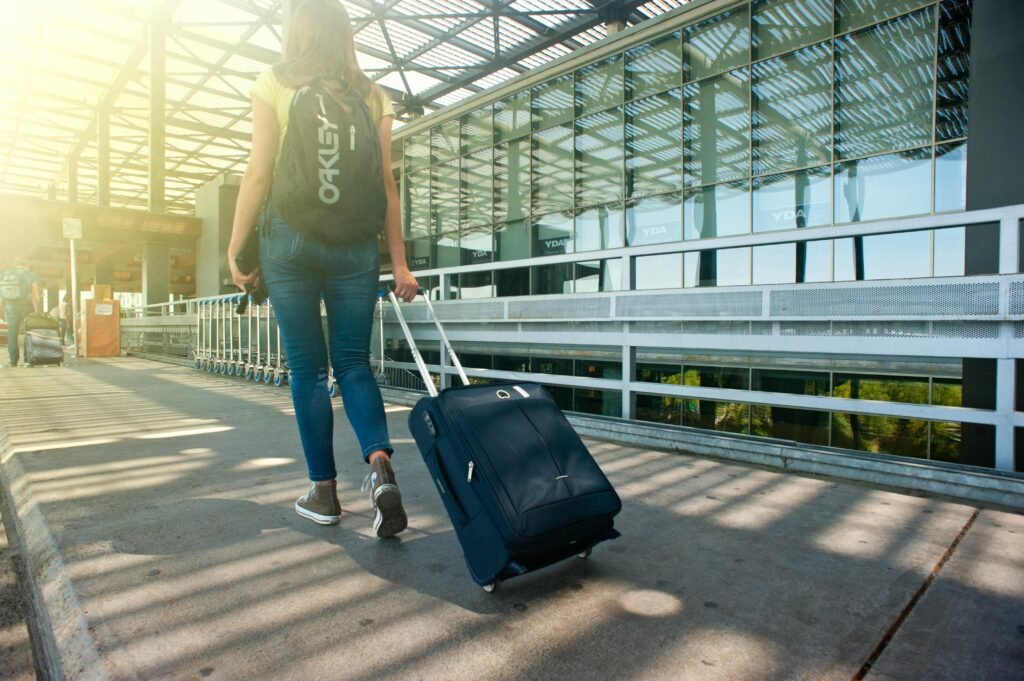
One of the main advantages of adopting a carry-on only philosophy, especially for long trips, is the potential for cost savings. Many airlines charge fees for checked bags, which can add significantly to the overall travel expenses. By packing efficiently into a single carry-on, travelers can avoid these charges entirely, allowing them to allocate their budgets toward experiences or souvenirs instead.
Furthermore, getting through security and boarding the aircraft becomes a much smoother process when there is no checked luggage to contend with. Travelers are able to bypass the long lines at check-in and baggage claim, expediting their overall journey. Once at their destination, the freedom of having all essentials within an easily accessible bag allows for more spontaneous exploration without the encumbrance of bulky luggage.
Carrying only what is necessary also promotes mindful packing. It encourages travelers to prioritize their belongings, ensuring that each item is chosen carefully and serves a purpose. This not only enhances the travel experience but also instills a sense of organization and control.
In the following sections, we will explore effective strategies and tips for packing smartly, enabling long-term travelers to embrace the carry-on only method confidently. By understanding how to travel light, individuals can focus on the journey itself rather than logistics.
Benefits of Minimalist Packing
Adopting a minimalist packing approach provides numerous advantages for travelers, particularly those embarking on long trips. One of the most significant benefits is ease of mobility. With fewer items to carry, navigating airports, train stations, or city streets becomes a more manageable task. Travelers can move swiftly without the added burden of heavy luggage, allowing them to reach their destinations more quickly and efficiently.
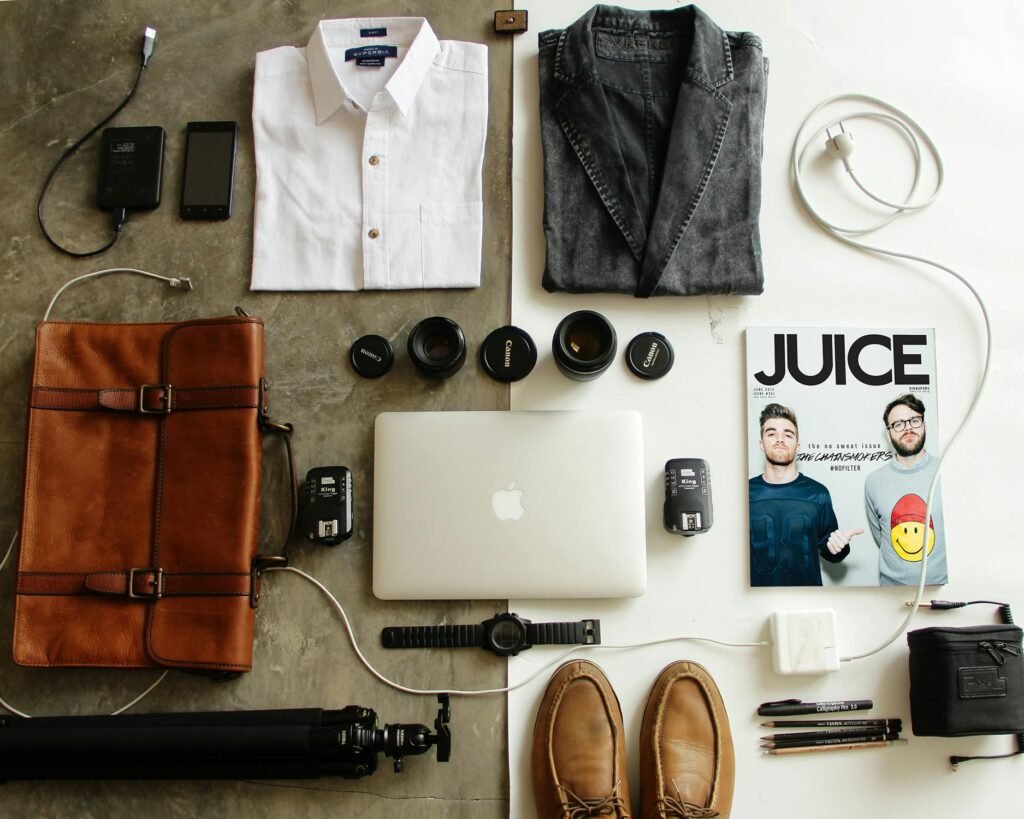
Another crucial benefit is the reduction of stress in trip planning and execution. When packing is simplified, travelers can allocate more time to enjoy their journey rather than becoming entangled in the logistics of transportation and organization. A well-curated selection of essential items can provide peace of mind, as it eliminates the anxiety associated with overpacking and the fear of forgetting critical belongings. This streamlined approach allows for a more relaxed travel experience, where the focus shifts from the burden of luggage to the pleasure of exploration.
Furthermore, minimalistic packing enhances the flexibility and spontaneity of travel. With only a carry-on, travelers have the freedom to change plans on a whim, without the need to consider the limitations posed by bulky baggage. This flexibility opens up opportunities to engage in unplanned adventures, such as impromptu day trips or sudden excursions, as individuals can easily adapt to changing itineraries or take advantage of newly discovered activities. Ultimately, the practice of minimalist packing can transform the way one approaches travel, fostering a sense of freedom that enriches the overall experience.
Essential Packing Tips for Carry-On Travel
Packing efficiently for carry-on travel demands strategic planning, particularly when embarking on long trips. First and foremost, opt for versatile clothing that can be mixed and matched to create several outfits with minimal pieces. Selecting clothing that can serve multiple purposes is essential; for instance, a lightweight dress can transition from a casual day outfit to an evening look by simply changing accessories.
Utilizing packing cubes is another tactic that aids in organizing your suitcase effectively. These cubes help compartmentalize your belongings, making it easier to access items without having to rummage through your entire bag. By categorizing clothing types or outfits per cube, travelers can streamline their packing process and maintain order throughout their journey. This not only saves time but also enables you to find essential items quickly when needed.
Effective outfit planning is crucial for making the most of limited space. Consider the climate and activities planned during your trip, and pack items that can be layered. Lightweight, breathable fabrics can be beneficial for adjusting to varying temperatures. Additionally, packing a few lightweight accessories can significantly enhance an outfit without consuming much space. Scarves, belts, and jewelry can easily transform a base outfit, ensuring you have necessary options while conserving luggage space.
To optimize your packing strategy further, make a checklist of essential items, focusing specifically on travel necessities such as toiletries in travel-sized containers, chargers, and important documents. Keeping these items organized in an easily accessible pocket of your carry-on will facilitate seamless transitions through checkpoints and during your travels. By following these essential packing tips, you can maintain efficiency while enjoying the convenience of carry-on travel, ensuring a comfortable and stress-free journey.
Creating Your Minimalist Packing List
When preparing for long trips while adhering to a carry-on only policy, the importance of a well-curated minimalist packing list cannot be overstated. This list should be strategically developed across several key categories: clothing, toiletries, electronics, and travel documents, all while prioritizing items that are both multipurpose and lightweight.
Clothing: Choose versatile clothing items that can be easily mixed and matched. Start with a base of neutral-colored tops that work for various occasions. A lightweight, wrinkle-resistant dress can serve dual purposes for both casual outings and formal dinners. Additionally, consider packing two pairs of pants, ideally one that converts into shorts or capris, alongside a pair of comfortable shoes that are suitable for walking and can be dressed up or down. Include a light sweater or jacket adaptable to changing weather conditions. Aim for breathable fabrics that dry quickly to accommodate for unexpected weather or needs.
Toiletries: Optimize space by selecting travel-sized toiletries or utilizing solid products that reduce the risk of leakage. Essential items include a toothbrush, biodegradable toothpaste, a compact comb or brush, and multi-function products such as a moisturizing lotion that acts as both a moisturizer and sunscreen. Instead of multiple items, consider a solid shampoo and conditioner bar to save space. Incorporate a small first-aid kit with basic supplies to address common ailments during your travels.
Electronics: Limit the number of devices by bringing only what is necessary. A smartphone can serve as a camera, map, and guidebook. If you must carry a laptop or tablet, choose a lightweight model for convenience. Don’t forget the essential chargers and a universal travel adapter to ensure compatibility with different power outlets around the world.
Travel Documents: Keep all travel documents organized in a travel wallet. Include your passport, ID, itinerary, boarding passes, and any reservation confirmations. Consider digital copies saved in the cloud for an added layer of security. The more organized you are, the smoother your travel experience will be.
Choosing the Right Carry-On Bag
When it comes to traveling carry-on only, selecting the appropriate carry-on bag is paramount for ensuring a smooth journey. There are several types of carry-on bags available, each serving different travel styles: backpacks, roller bags, and duffel bags. Understanding the advantages and disadvantages of each type can assist in making an informed decision.
Backpacks are a popular choice for travelers seeking mobility and versatility. They typically offer ample storage space while allowing for hands-free convenience—an essential feature when navigating busy airports or crowded transit systems. When selecting a backpack, consider the size and weight. A good carry-on backpack should meet airline regulations while also being lightweight, preventing you from carrying extra weight unnecessarily.


On the other hand, roller bags are favored for their ease of maneuverability. Equipped with wheels, they can be effortlessly pulled along rather than carried, making them suitable for travelers with heavier loads. When evaluating roller bags, focus on comfort and stability, ensuring the handle is sturdy and extends adequately for easy handling. A well-organized interior is also crucial; many roller bags come with compartments that help keep clothing and essentials accessible.
Duffel bags present another viable option, especially for those who prefer a more casual style. They are often lightweight and can easily be stuffed into tight spaces, making them a good fit for budget airlines with strict carry-on policies. However, they may lack the structural organization of backpacks and roller bags. When considering a duffel bag, opt for one with a shoulder strap for comfort during lengthy periods of transport.
Ultimately, the best carry-on bag depends on individual travel needs. Factors such as the type of trip, personal packing habits, and the mode of transportation should heavily influence the decision. Prioritizing comfort, organization features, and compliance with airline regulations will lead to a more enjoyable travel experience.
Toiletries and Travel Essentials for Carry-On Only
Packing toiletries for long trips can pose challenges, especially when adhering to liquid restrictions imposed by airlines. To facilitate a smooth travel experience, collecting travel-sized products or utilizing solid alternatives can significantly reduce bulk while meeting essential grooming needs.
First and foremost, consider investing in travel-sized toiletries, which are readily available in stores or can be transferred into smaller, TSA-compliant bottles. These should not exceed 3.4 ounces (100 milliliters) and should be placed within a clear, quart-sized, resealable plastic bag. Items like shampoo, conditioner, and body wash can often be substituted with solid bars, which not only tend to take up less space, but also minimize the risk of leakage.
In addition to conventional items, multi-use products are an excellent solution for minimizing packing volume. A moisturizer that doubles as a sunscreen or a cream that works for both face and body can greatly simplify your packing list. Tools such as a compact comb or a foldable toothbrush can also save space while maintaining functionality.
To keep toiletries organized, consider using a small, structured toiletry bag with compartments. This will enable easy access and clear visibility of items, which is crucial especially when rushing through airport security. Additionally, grouping similar items together can be advantageous; for example, all skincare products in one section and dental care products in another.
To ensure your toiletries align with carry-on regulations, always check the specific airline’s guidelines regarding liquids and allowed items. By thoughtfully selecting travel essentials and organizing them efficiently, you can travel carry-on only while still enjoying all the comforts of home, even on long trips.
Maximizing Space with Packing Techniques
Maximizing space in a carry-on bag is essential for effective travel, especially on longer trips. Adopting various packing techniques can significantly enhance the efficiency of your packing process. Here, we delve into the most effective methods, including rolling versus folding, optimizing every nook and cranny, and utilizing compression bags.
One of the most popular techniques is rolling clothing. This method not only saves space but also minimizes wrinkles. To roll garments, lay the item flat, fold in the sleeves (if applicable), and then roll tightly from the bottom to the top. Continue this technique for multiple items and place them side by side in your carry-on.
Alternatively, folding clothing might be more suitable for certain items such as jackets or dress shirts. For optimal results, ensure items are folded neatly along the seams and stacked in the suitcase. You can also use packing cubes to create compartments within your bag, keeping similar items together and easy to access.
Another strategy to maximize space is to utilize every nook and cranny of your bag. Fill the gaps between rolled clothing with smaller items like socks, belts, or undergarments. This not only maximizes the available space but also helps to maintain the structure of your bag.
Finally, consider incorporating compression bags into your packing strategy. These bags allow you to compress soft items like sweaters or jackets, reducing their volume significantly. To use them, pack the clothing into the bag, seal it, and use the vacuum option if available, or manually roll the bag to remove excess air. This method can create extra room in your carry-on and is especially beneficial for longer trips when you may need bulkier clothing.
By employing these packing techniques, travelers can not only maximize the available space in their carry-on but also stay organized and prepared for their adventures.
Making the Most of Layovers and Connections
Traveling with only a carry-on bag presents unique challenges, especially during layovers and connections. To navigate these transitional periods effectively, travelers must adopt strategies that allow for smooth and efficient movement through airports.
One essential strategy is to organize your carry-on luggage in a way that ensures quick access to your necessities. This includes passports, boarding passes, snacks, and entertainment options like ebooks or downloaded content. Pack these items in an easily accessible compartment of your bag, making it simple to retrieve them without rummaging through. This approach not only saves time but also reduces stress as you navigate through the often-busy environments of airport terminals.
Additionally, planning ahead for meals and entertainment during layovers is crucial. It is advisable to research the airport’s dining options beforehand to identify quick yet satisfying meal choices, allowing you to refuel effectively without wasting time. Many airports now provide an array of dining options, ranging from fast-casual to sit-down restaurants. Having this information at your fingertips will help you make swift decisions when hunger strikes.
In terms of entertainment, consider downloading movies, podcasts, or audiobooks prior to your trip. This preemptive planning ensures that you have access to engaging content during potential downtime, keeping boredom at bay. Furthermore, use layover durations to stretch your legs and explore the airport, as some airports feature interesting art displays, shops, and even small lounges designed for relaxation.
Ultimately, the key to effectively managing layovers with carry-on luggage is to remain organized and proactive. By preparing in advance for quick access to essentials and considering dining and entertainment options, you can transform your transit periods into an enjoyable part of your overall travel experience.
Conclusion and Downloadable Checklist
Traveling with only a carry-on is not only a practical choice but a liberating one. Throughout this post, we have explored essential strategies and tips for packing efficiently for long trips. By examining the types of items best suited for carry-on luggage, such as versatile clothing, compact toiletries, and the importance of selecting the right bag, we have illustrated that minimalist packing can enhance your travel experience.

One of the key takeaways is the importance of planning and organization. Creating a packing list tailored to your destination and activities can significantly reduce stress. This thoughtful approach allows you to maximize the space in your carry-on while ensuring that you have everything you need without unnecessary bulk. We also discussed the value of considering the climate and culture of your travel location to help inform your packing decisions.
Encouraging readers to shift from traditional baggage to a carry-on only method opens up numerous possibilities for spontaneity in their travels. It allows for smoother transitions at airports, reduced baggage fees, and a more streamlined journey overall. The freedom that comes with carry-on travel is undeniable, enabling travelers to move swiftly and with ease.
To assist you in your journey towards minimalist packing, we have created a downloadable checklist that encapsulates all the necessary items and packing tips discussed. Utilizing this checklist can simplify your preparation, ensuring that you have a practical and effective approach to your travel needs. Embrace the carry-on approach for your next adventure, and enjoy the benefits of traveling light!