
How to Travel Light: The Ultimate Guide to Packing Smart
Why Travel Light?
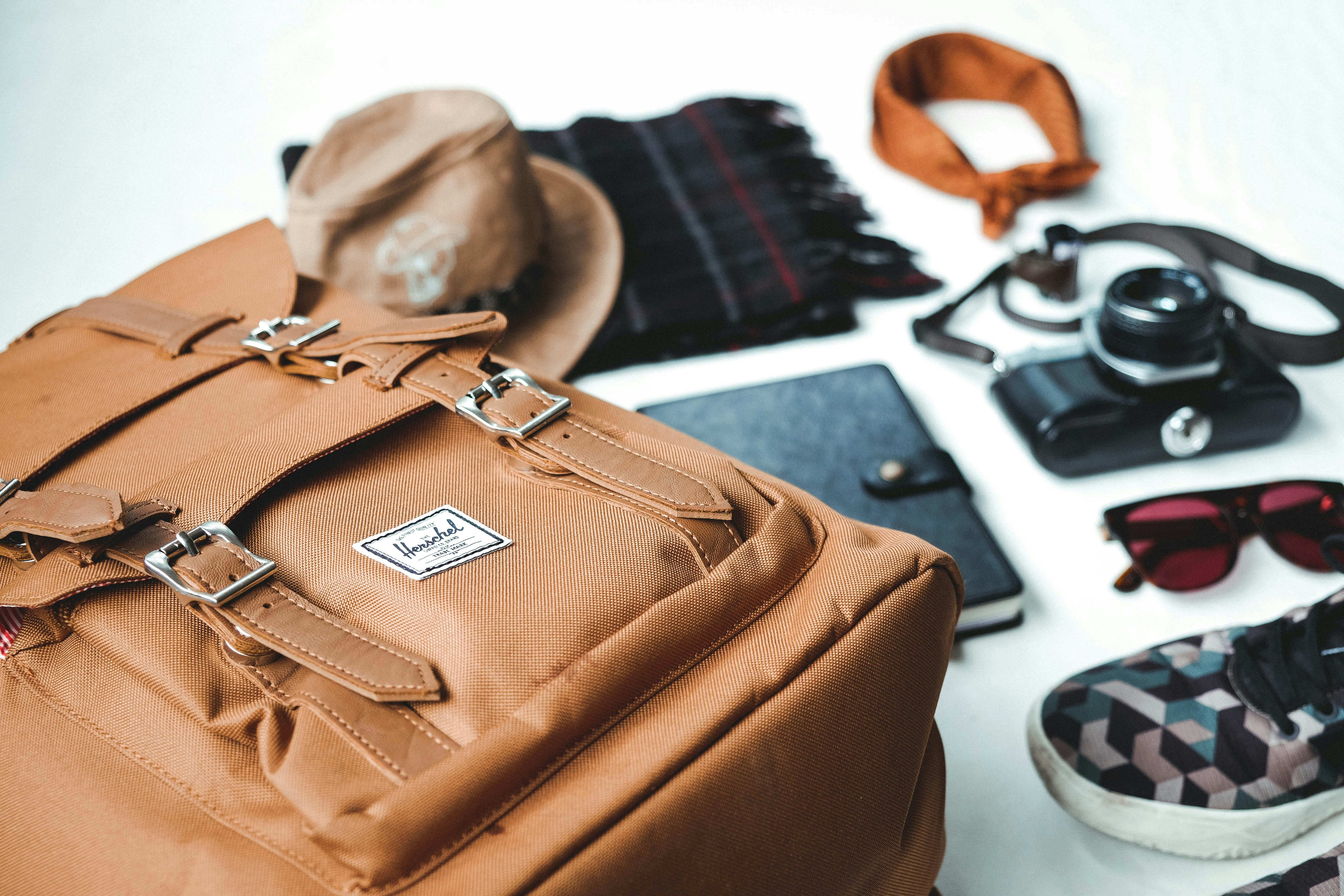
Traveling light is often heralded as an essential practice for modern adventurers seeking to enhance their travel experiences. One of the most significant benefits of packing light is the increased mobility it affords. When travelers carry less weight, they maneuver through bustling airports, crowded train stations, and urban landscapes with greater ease. This enhanced mobility often translates to quicker transfers, allowing more time to explore destinations rather than being bogged down by cumbersome luggage.
Furthermore, traveling with less baggage significantly reduces the stress often associated with travel. The anxiety of managing multiple suitcases, worrying about lost bags, or dealing with airline baggage fees can detract from the joy of the journey. By streamlining possessions to the essentials, travelers can focus on what truly matters—experiencing new places and meeting new people without the burden of excess baggage weighing them down.
In addition to reducing stress, packing light fosters spontaneity during travels. With fewer items to manage, travelers are more inclined to change plans on a whim, whether it’s extending a stay in a delightful city or taking a detour to explore an unplanned destination. This flexibility allows for a more enriching travel experience, filled with unexpected adventures and discoveries that might otherwise be missed if encumbered by heavy luggage.
Lastly, packing light can lead to financial savings, particularly when airlines impose fees for checked baggage. By minimizing what one brings, travelers can often avoid these additional costs, allowing for a more budget-friendly trip. Overall, the benefits of traveling light—ranging from mobility and reduced stress to greater flexibility and potential cost savings—transform a traditional travel experience into one that is not only manageable but also enjoyable and fulfilling.
Understanding Your Packing Needs
Packing effectively for a trip begins with a thorough understanding of your unique travel needs. To streamline the packing process, it is essential to consider three critical factors: the duration of your trip, the activities planned, and the climate of your destination. These elements will help you curate a packing list that is both functional and convenient, ensuring you travel light while still being adequately prepared.

First, evaluate the length of your journey. For short trips, such as weekend getaways, it is possible to pack minimally, often fitting your essentials into a carry-on bag. Conversely, for extended travels, you may need to anticipate various wardrobe needs over an extended period. A well-thought-out selection can significantly reduce bulk, allowing you to choose versatile pieces that serve multiple purposes.
Next, take into account the activities you have planned. Whether you intend to engage in outdoor adventures, attend formal events, or explore local markets, each activity calls for specific items. For instance, hiking necessitates sturdy footwear and breathable clothing, while formal gatherings might require dressier attire. By understanding the required gear or clothing for your planned activities, you can avoid unnecessary packing of items that may never see the light of day.
Additionally, the climate plays a pivotal role in what you should pack. Research the weather for your destination prior to your trip to ensure you include appropriate clothing. Packing layers can be a smart approach, as they enhance flexibility, allowing you to adapt to changing conditions without overburdening your suitcase. As you assess your travel needs, creating a checklist can be advantageous; rank items according to necessity and ensure you only bring essentials.
Choosing the Right Luggage
Selecting appropriate luggage is essential for any traveler aiming to pack smart and travel light. The choice of luggage can significantly influence your packing efficiency and overall travel experience. Lightweight suitcases and foldable travel backpacks have become popular options, each catering to different needs and preferences.
When considering luggage, the size should align with the duration and nature of your trip. Carry-on bags are ideal for short trips, allowing you to bypass check-in lines and avoid baggage fees. A well-structured carry-on bag can hold essentials without compromising on mobility. Many travelers favor suitcases that are both lightweight and durable, as these attributes allow for easy maneuverability through airports and city streets.
Foldable travel backpacks present an excellent alternative for those who prefer versatility. They can be packed away in larger luggage or used as secondary bags for day excursions. For individuals traveling to various destinations, a backpack provides the advantage of hands-free convenience, making it easier to navigate crowded areas.
The style of luggage also plays a crucial role. Hard-shell suitcases offer increased protection for fragile items, while soft-sided options provide flexibility in packing and storing. Additionally, features such as wheels and handles should be closely examined. Spinner wheels enhance maneuverability, reducing the effort required to transport your belongings. A comfortable handle can alleviate strain during longer travels.
In summary, the right luggage choice enhances your packing process and improves your travel experience. By considering factors such as size, weight, style, and functionality, you can select luggage that meets your specific needs. This attention to detail can help you travel light while ensuring that you have everything you need for your journey.
Essential Clothing Tips
Packing efficiently for travel hinges significantly on selecting the right clothing items. Choosing versatile clothing that can be easily mixed and matched allows you to create multiple outfits from a limited selection. Neutral colors and classic patterns serve as an excellent foundation for this strategy, as they can coordinate with various other pieces. Items such as black pants, white blouses, or denim jackets provide a flexible base that can be dressed up or down depending on the occasion.
The weight and material of the clothing you choose are equally essential. Opting for lightweight and wrinkle-resistant fabrics not only reduces the bulk in your suitcase but also ensures that your clothes maintain a tidy appearance throughout your trip. Fabrics such as merino wool, polyester blends, or travel-specific materials are designed to offer comfort while resisting creasing. These components facilitate easy packing and simplify daily outfit shifts, allowing you to focus on enjoying your trip rather than worrying about your appearance.
Additionally, layering techniques are vital when it comes to packing smartly. By selecting clothing items that can be layered, travelers can adjust to varying weather conditions without overpacking. For instance, a lightweight t-shirt combined with a long-sleeve shirt, a sweater, and a water-resistant jacket not only provides warmth but also allows for a stylish look that can adapt to changing climates. Layering also offers the opportunity to mix and match pieces with ease, further expanding your wardrobe on the go.
Incorporating these strategies into your packing routine can enhance your travel experience, helping you remain comfortable and stylish while traveling light. With careful selection of versatile clothing, materials designed for travel, and an emphasis on layering, you can make packing a more efficient and enjoyable process.
Smart Packing Techniques

Packing smart is not merely about fitting more items in your luggage; it is also about optimizing space and ensuring everything required for your journey is readily accessible. One effective method involves rolling your clothes instead of folding them. This technique minimizes wrinkles and maximizes space, allowing you to fit a greater number of garments into your suitcase. To roll your clothes, lay them flat, fold them in half lengthwise, and roll tightly from one end to the other. Place the rolled items vertically in your luggage, as this prevents them from unraveling while utilizing the vertically available space.
Another beneficial strategy is the use of compression packing cubes. These cubes allow you to categorize and compress your clothing using zippers, which saves both space and time when packing and unpacking. Start by selecting the appropriate size cube for various clothing types—such as pants, shirts, and undergarments—and fill them according to your needs. Once filled, zip them shut to compress the contents. Stacking these cubes within your suitcase not only maintains organization but also makes retrieving specific items straightforward.
Additionally, every inch of your luggage can be utilized for maximum efficiency. Take advantage of empty spaces within your shoes—placing socks or small accessories inside them can free up essential space elsewhere. Similarly, consider using the gaps between your packing cubes or rolled clothing for placing smaller items like toiletries or electronics. By employing these smart packing techniques, you can ensure that your luggage is lightweight and organized, making travel more enjoyable and stress-free. Adopting these strategies may require practice but will ultimately lead to a more efficient packing experience, allowing you to travel light without sacrificing necessities.
Travel-sized Toiletry Essentials
When preparing for any journey, one essential aspect is the effective management of personal care items. Utilizing travel-sized toiletry bottles and products can significantly reduce the volume of luggage and streamline the packing process. Not only do smaller containers conserve space in your bag, but they also help ensure compliance with airline security regulations, particularly the restrictions on liquid products. This approach aids in maximizing your carry-on allowance and minimizes the risk of having essential items confiscated at security checkpoints.
To make packing easier, consider the following must-have items for your travel-sized personal care kit. A travel size shampoo and conditioner duo can maintain your hair’s health without taking up excessive space. Additionally, a small bottle of body wash or soap can replace bulky bar soaps, while a compact face wash will keep your skin routine intact during your travels. For skincare, opt for travel-sized moisturizers and sunscreen, as these products are crucial for skin protection and hydration, particularly during long flights or sunny getaways.
Moreover, don’t forget about dental hygiene; mini toothpaste and a compact toothbrush are indispensable items. Additionally, a small deodorant stick or spray ensures you can stay fresh throughout the trip. It is advisable to choose refillable bottles, which not only align with sustainability goals by reducing plastic waste but also allow for the customization of your products according to personal needs.
Ultimately, organizing a practical selection of travel-sized toiletries can enhance your travel experience. By opting for smaller versions of your essential products, you can enjoy the freedom of moving through your journey with ease, all while adhering to travel regulations. Proper planning will lead to a more enjoyable and stress-free travel experience.
Organizing Your Travel Gear
When preparing for a trip, one crucial aspect that can greatly enhance your travel experience is the organization of your travel gear. A well-organized suitcase facilitates easy access to your essentials and minimizes the often-frustrating search for items. One effective method for maintaining order within your luggage is to utilize packing cubes. These dividers allow for a systematic approach to packing, enabling you to categorize your clothes, toiletries, and other belongings. By separating items based on type or outfit, packing cubes not only optimize space but also simplify unpacking when you arrive at your destination.
In addition to packing cubes, consider having a designated bag for dirty laundry. This small but impactful accessory prevents unworn clothes from mixing with soiled ones, keeping your suitcase fresh and inviting. It also provides a clear distinction between clean and dirty items, thus facilitating the overall packing process when you return home. Many travelers find that having a separate compartment or bag for laundry can significantly reduce clutter, allowing for a more efficient organization of travel gear.
Accessibility is another vital component of organizing your travel gear effectively. Always prioritize packing items you are likely to need during your journey at the top of your suitcase or in easily reachable compartments. This includes essentials like toiletries, chargers, and travel documents. By keeping these crucial items within easy reach, you can avoid unnecessary delays and streamline your travel experience. Furthermore, being able to quickly identify and access necessary items can alleviate the stress often associated with traveling.
In conclusion, an organized suitcase not only enhances the overall travel experience but also enables travelers to save time and reduce stress. Utilizing packing cubes, designating a bag for dirty laundry, and ensuring essential items are readily accessible are all vital steps in achieving a well-organized travel gear system. By adopting these practices, you can focus on enjoying your journey rather than fumbling with disorganized packing.
Tips for Avoiding Excess Baggage Fees
Traveling can be an exhilarating experience, but unexpected costs, such as excess baggage fees, can dampen the excitement. To avoid these unavoidable charges, it is crucial to be well-informed about airline baggage policies before you embark on your journey. Different airlines have varying regulations regarding the size and weight of both carry-on and checked luggage. Therefore, always visit the airline’s website or consult customer service to understand their specific baggage guidelines, which can save you from surprises at the airport.
Weighing your luggage at home is another essential step in the packing process. Most households possess a digital scale that can assist in determining the weight of your packed bags. This proactive measure allows you to make necessary adjustments before arriving at the airport. If your suitcase exceeds the weight limit, consider removing non-essential items or redistributing weight between your carry-on and checked bags to avoid additional fees.
Knowing what items can be carried on is also crucial in avoiding excess fees. Each airline stipulates specific regulations about carry-on items, including liquids and prohibited articles. Familiarize yourself with these rules to maximize your carry-on allowance. When packing, prioritize essential items and valuable possessions that you wouldn’t want to risk losing in checked luggage. Additionally, consider wearing bulkier items, such as jackets or boots, while traveling, as this can free up space and weight in your suitcase.
Lastly, adopting versatile packing strategies can also help minimize luggage weight. Packing multi-functional clothing and travel-sized toiletries can streamline your overall packing process. By preparing thoughtfully and remaining aware of your airline’s policies, you can efficiently pack without incurring excess baggage fees, allowing for a more pleasant travel experience.
Post-Trip Reflection and Improvement
After completing a trip, it is beneficial for travelers to engage in a reflective process concerning their packing choices. This exercise not only enhances future packing experiences but also contributes to a more organized and efficient approach to travel. Upon returning home, take some time to evaluate which items were essential during your journey and which remained untouched. Keeping a simple note or journal detailing your packing experience can be extremely helpful in identifying these key items.
Consider categorizing your items based on usage: those that you frequently relied on, those that were occasionally useful, and those that could have been left behind. This method provides clarity on what truly constitutes a packed bag that aligns with your travel needs. Furthermore, reviewing your notes can pinpoint patterns in your packing habits that may warrant adjustments. For example, if you notice that certain clothing items were worn repeatedly, it may be beneficial to prioritize these staples on your next trip, ensuring a versatile wardrobe.
Additionally, think about the specific destination and activities planned for your next journey. Different environments may have distinct requirements. A trip to a tropical location, for instance, may necessitate lighter clothing and swim gear, while a winter getaway will require warm layers and accessories. Adjusting your packing list based on such factors not only streamlines your luggage but also enables you to travel with greater ease.
Lastly, embrace the cumulative knowledge gained from each trip. Over time, consistently reflecting on your packing experience will lead to significant improvements, allowing you to travel light while still being fully prepared for diverse adventures.