
Is It Safe to Travel to the Middle East in 2025? A Country-by-Country Tourist Guide
Introduction: Debunking Safety Myths
The Middle East has often been portrayed in media as a region rife with violence, terrorism, and political instability. These portrayals can establish a pervasive sense of fear and reluctance towards travel in this area. However, it is essential to distinguish between reality and sensationalized narratives. While it is true that certain areas within the Middle East have faced conflict or unrest, many countries in the region are welcoming and safe for tourists.
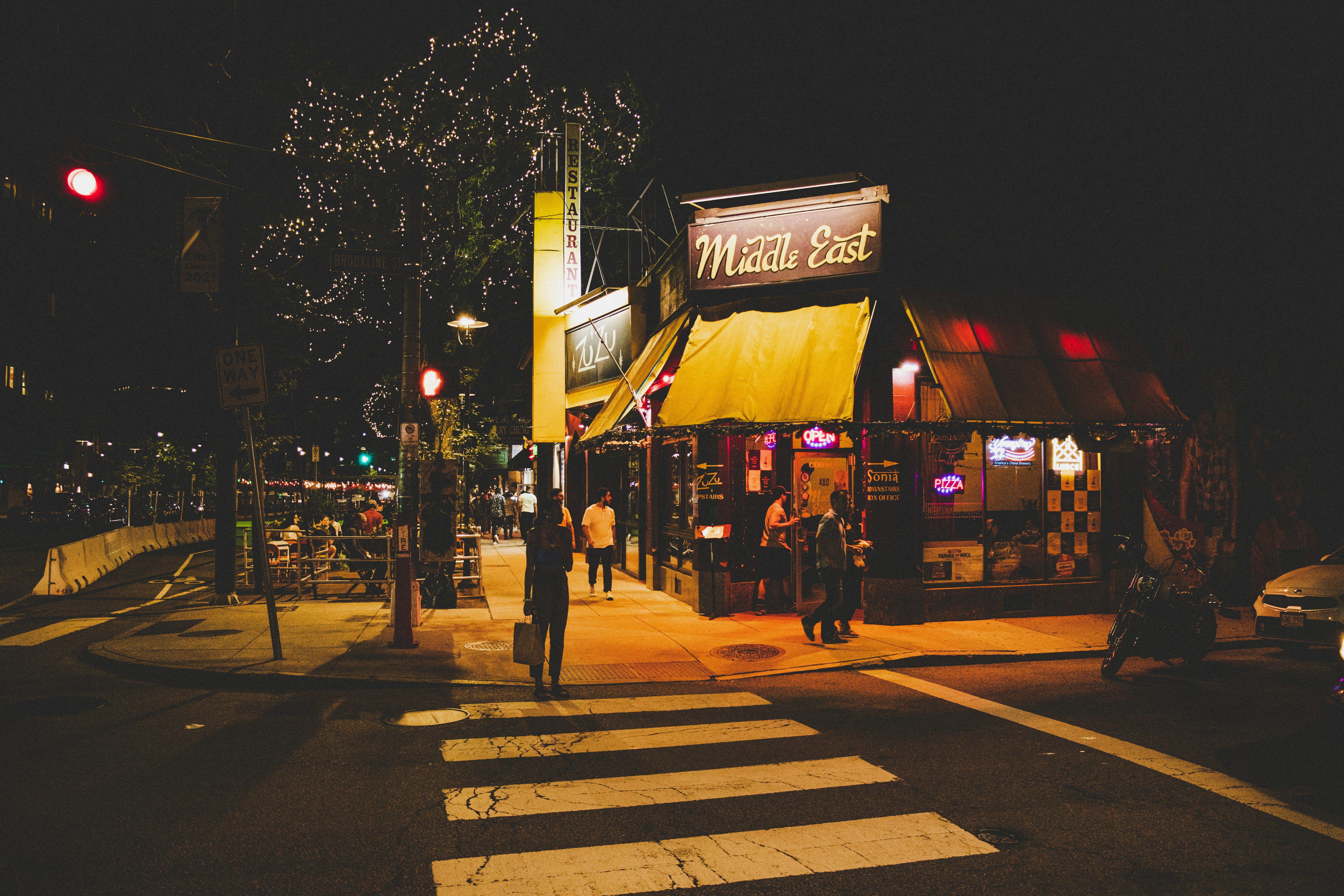
Many travelers have successfully explored the Middle East without encountering danger. Countries such as Jordan, the United Arab Emirates, and Oman are known for their hospitality, rich histories, and breathtaking landscapes. Tourists often experience warm receptions and cultural experiences that contrast starkly with the negative situations reported in the news. For instance, while certain cities may be at the center of geopolitical tensions, large portions of the country may remain unaffected and perfectly safe for visitors.
Moreover, local governments in many Middle Eastern nations have made significant investments in tourism infrastructure, recognizing its importance to their economies. Enhanced security measures, tourist support services, and widespread awareness campaigns focusing on safety contribute to an increasingly secure environment for travelers. This growing commitment to safety signals that these countries aim to promote a positive image and counteract the misconceptions that may deter tourism.
As we approach 2025, it is crucial to re-examine these misconceptions and adopt a more nuanced perspective when considering travel to the Middle East. By looking beyond the headlines, potential tourists can uncover the rich culture, history, and beauty that these countries offer. In the following sections, we will delve deeper into individual countries’ safety considerations, allowing for informed travel choices.
Overview of Updated Travel Safety in 2025
The travel safety landscape in the Middle East for 2025 is markedly evolving, influenced by recent geopolitical developments, security measures, and global perceptions. As of 2025, numerous countries within the region have introduced significant reforms aimed at enhancing tourist safety and bolstering their reputations as viable travel destinations.
According to the most recent safety statistics, there is a notable improvement in overall security across various Middle Eastern nations. For instance, countries like the United Arab Emirates and Qatar consistently report low crime rates and have established stringent safety protocols, making them attractive for travelers. Likewise, nations such as Jordan and Oman have made strides in promoting stability and security, catalyzing a positive shift in tourist confidence.
However, the geopolitical climate remains complex. While certain areas have become more secure, others still pose risks due to ongoing conflicts or political unrest. Countries such as Syria and parts of Iraq continue to be regarded as high-risk zones for tourists. Travelers are advised to remain vigilant and consult travel advisories from their respective governments, which reflect current conditions and offer critical safety recommendations.
Moreover, the rise of eco-tourism and cultural exchanges in several Middle Eastern countries have contributed to a safer travel environment. Local governments are actively engaging international partners to facilitate programs that prioritize tourist welfare, focusing on providing a safe and enjoyable experience. It is essential for travelers to conduct thorough research and stay informed about regional developments, which could impact their safety and travel plans.
Country Spotlight: UAE
The United Arab Emirates (UAE) has emerged as a notable travel destination for those considering their options in 2025. Known for its remarkable architecture, luxurious shopping experiences, and rich cultural heritage, the UAE offers a combination of modernity and tradition. In assessing travel safety in the UAE, it is crucial to recognize that the country has consistently maintained low crime rates. According to official statistics, the UAE often ranks as one of the safest places in the world for both residents and tourists, which can be attributed to strict laws and efficient law enforcement.
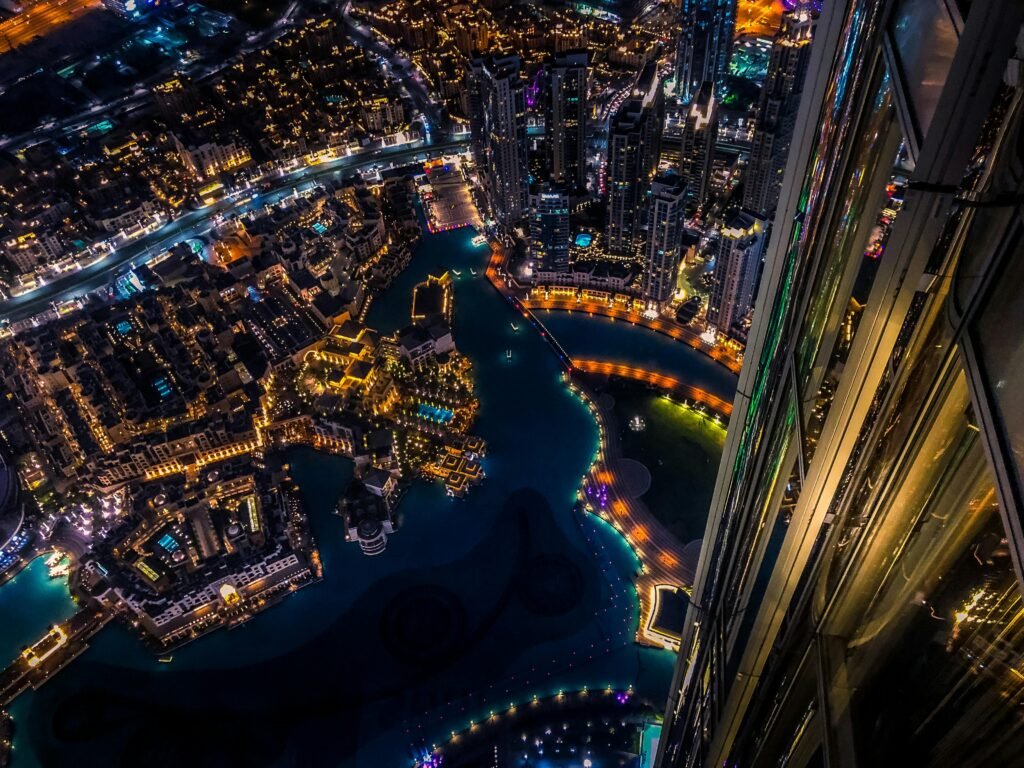
In recent years, the UAE has made considerable advancements in enhancing tourist safety. Security measures at airports, hotels, and attractions have been improved significantly, including the implementation of advanced surveillance systems and the presence of security personnel at notable tourist spots. For instance, attractions such as Burj Khalifa and the Sheikh Zayed Grand Mosque have well-defined safety protocols in place to ensure visitor safety. These measures include crowd control during peak times and emergency response plans in coordination with local authorities.
Travel advice for potential visitors to the UAE remains largely positive. The country promotes a welcoming atmosphere for tourists, with hospitality as a cornerstone of its appeal. However, it is essential for travelers to adhere to local customs and practices, as laws can be different from those in Western countries. Issues surrounding dress code, public behavior, and alcohol consumption are worth considering. Travelers should occasionally check for updated advisories regarding travel safety and health protocols, particularly in light of ongoing global changes.
Country Spotlight: Jordan
As of 2025, Jordan remains an increasingly popular destination for tourists seeking a unique blend of historical, cultural, and natural highlights. Its safety reputation is comparatively strong, particularly when assessed against some of its regional neighbors. Despite ongoing political tensions in the broader Middle East, Jordan has maintained a sense of stability that is reflected in the relatively low rates of violent crime and civil disorder, making it a favorable choice for travelers.
The Jordanian government has invested significantly in tourism infrastructure, emphasizing safety and security for visitors. Major tourist sites such as Petra, the ancient Nabatean city and a UNESCO World Heritage site, have been fortified with police presence and surveillance to ensure visitor security. Travelers can expect a well-coordinated approach from local authorities, which often includes safety briefings and information dissemination at key entry points to major attractions.


However, it is prudent for travelers to remain vigilant and informed. While Jordan is generally safe, there are locations where caution is recommended, especially in less tourist-frequented areas. Travelers should be aware of the regional dynamics that could affect their visit, particularly near the borders of conflict-prone countries. In navigating popular spots like Wadi Rum, known for its breathtaking desert landscape, it is advisable to book guided tours, as these services not only enhance the experience but also provide an added layer of safety.
In conclusion, Jordan stands out as a relatively safe tourist destination for 2025. With its proactive stance on security and robust tourism management, visitors can explore its stunning landscapes and rich history with confidence. As long as standard precautions are taken, a trip to Jordan can be both enjoyable and secure, allowing travelers to focus on the extraordinary experiences awaiting them.
Country Spotlight: Oman
Oman, a gem in the Arabian Peninsula, is rapidly gaining recognition as a safe and welcoming destination for travelers. Renowned for its rich cultural heritage and breathtaking natural landscapes, Oman boasts a low crime rate that contributes to its reputation as a friendly and hospitable country. According to the Global Peace Index, Oman consistently ranks among the safest nations in the region, with its citizens and authorities prioritizing public safety and security.
The Omani culture is characterized by its generosity, with locals often eager to share their traditions with visitors. Tourists will find that interactions with locals usually take place in a respectful and amicable environment, making Oman an excellent choice for those seeking an authentic travel experience. Significant improvements in infrastructure and heightened emphasis on tourist safety further bolster its attractiveness. Recent initiatives by the Omani government have focused on enhancing tourist services and ensuring that travelers can enjoy their visits without concerns about their safety.
For those planning a trip to Oman, there are several tips to ensure a secure travel experience. It is advisable to stay informed about local customs and traditions, as this promotes respectful interactions with residents. Tourists should also make an effort to avoid isolated areas, particularly when exploring natural wonders. Popular tourist spots, such as Muscat’s vibrant souks, the stunning dunes of Wahiba Sands, and the picturesque coastal towns, typically offer a safe environment and are well-monitored by local authorities.
In conclusion, Oman presents a compelling case for safe travel in the region. With its welcoming culture, low crime rates, and a focus on tourist safety, visitors can confidently explore the many wonders that this magnificent country has to offer.
Saudi Arabia: A Growing Travel Destination
Saudi Arabia is rapidly emerging as a popular travel destination, especially in light of recent reforms aimed at enhancing its tourism sector. Historically recognized for its religious significance to Islam, the country is expanding its appeal to a wider audience through initiatives such as the introduction of tourist visas and significant investment in infrastructure. As a prospective traveler in 2025, understanding the evolving landscape of tourism in Saudi Arabia is paramount.
Recent governmental reforms have heralded a new age for tourism in Saudi Arabia. The Saudi Vision 2030 program emphasizes the importance of tourism as a means to diversify the economy, reduce dependency on oil revenues, and promote cultural exchange. Visitors can expect to experience a myriad of attractions, from the historical sites of Al-Ula and the stunning landscapes of the Red Sea to the modern marvels of Riyadh. The country has embraced multiculturalism by hosting numerous international events and festivals that highlight its rich cultural tapestry.
Despite these advancements, safety remains a primary concern for travelers. The current state of safety in Saudi Arabia is relatively stable, with a noticeable decline in violent crime and an increasing presence of security measures aimed at protecting tourists. Nevertheless, it is essential for visitors to remain vigilant and informed about local laws and customs. Understanding the local culture is vital; Saudi Arabia has stringent rules regarding dress codes, public behavior, and the consumption of alcohol. Though the government is promoting a more open society, adherence to these laws is critical for a smooth travel experience.
In sum, travel to Saudi Arabia in 2025 offers exciting opportunities; however, visitors must familiarize themselves with the local customs and societal norms to ensure a respectful and enriching journey. Engaging with the local culture and respecting its traditions will not only enhance the travel experience but also foster mutual understanding and appreciation between travelers and the Saudi populace.
Country Spotlight: Egypt
As one of the most historically rich countries in the world, Egypt attracts millions of tourists each year, drawn to its ancient monuments, vibrant culture, and unique landscapes. However, safety concerns often surface, overshadowing its appeal. In recent years, the Egyptian government has implemented significant measures to improve safety for both locals and travelers alike, reflecting a commitment to ensuring a secure environment for tourists.
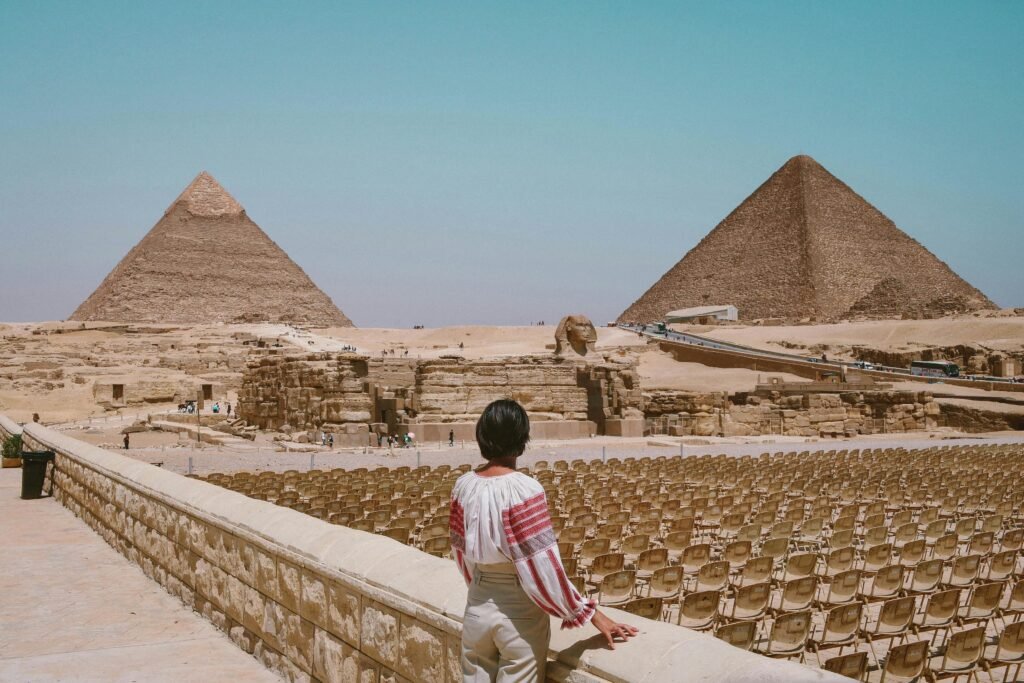
Despite occasional political unrest, it is vital to distinguish between the general political climate and day-to-day reality for tourists. Major urban areas such as Cairo, Luxor, and Giza are generally safe for visitors, especially in areas popular with travelers. Tourists are encouraged to stay in well-established hotels and to book guided tours to ensure a safe and informative experience while visiting iconic sites like the Pyramids of Giza and the Valley of the Kings.
Recent developments in the tourism industry have improved infrastructure, with enhanced security protocols in place at airports and tourist attractions. Local authorities are vigilant in maintaining a safe atmosphere, and many tourist agencies offer support facilities to monitor any evolving situations. Thus, communicating with local guides and staying updated through reliable news sources can further increase safety awareness when traveling in Egypt.
Travelers are advised to adhere to common safety practices: avoid large crowds, remain vigilant, and secure belongings. While Egypt promises an unforgettable experience filled with cultural exploration, it is essential to approach travel with awareness and mindfulness of the surrounding environment. By taking appropriate precautions, visitors will be able to appreciate the enchanting history and vibrant culture without unnecessary worry.
Cultural Etiquette for Travelers in the Middle East
Traveling to the Middle East can be a rich and rewarding experience, however, it is essential for tourists to understand and respect the cultural etiquette prevalent in each country. Being aware of local customs can help foster goodwill and ensure a more enjoyable visit.
One of the foremost aspects of cultural etiquette is dressing appropriately. Women are typically advised to wear long skirts or loose-fitting trousers and cover their arms, while men should avoid shorts and sleeveless shirts. In countries such as Saudi Arabia and Iran, adhering to these dress codes reflects respect for local traditions and avoids unnecessary attention. It is wise to carry a scarf or shawl for women, which can be used to cover the hair in more conservative areas.
In terms of behavior, showing respect is paramount. Greetings usually involve a firm handshake or a nod, but it is advisable to wait for locals to initiate contact, especially between genders. Public displays of affection are frowned upon in many Middle Eastern nations, so maintaining a polite distance is recommended. When conversing, it is customary to engage in small talk before discussing business or personal matters.
Photography can often be sensitive in the Middle East. Travelers should seek permission before photographing individuals, especially women, and be cautious when capturing images of governmental buildings or military installations. Some religious sites may have restrictions on photography, so observing signage and local practices is essential to respect the sensitivities of the communities.
Lastly, understanding the local customs surrounding food and drink can enhance interactions. For example, in many cultures, it is polite to refuse an offer of food or drink multiple times before accepting. Sharing meals is a common way to foster friendship, and it is customary to eat with the right hand only. By adhering to these etiquette guidelines, tourists can navigate social norms more effectively and enjoy the richness of Middle Eastern cultures.
Health, Insurance, and Emergency Tips for Travelers
Traveling to the Middle East can be an enriching experience, but it is imperative to prioritize your health and safety. Before embarking on your journey, it is advisable to consult a healthcare professional to discuss necessary vaccinations. Common vaccinations for travelers to the Middle East may include Hepatitis A and B, Typhoid, and Tetanus, among others, depending on the specific destination.
In addition to vaccinations, acquiring comprehensive health insurance is a crucial step for any traveler. Ideally, your health insurance plan should cover medical expenses, emergencies, and potential evacuation if necessary. When selecting an insurance provider, ensure that it includes coverage specifically tailored for international travel and any activities you plan to partake in, such as desert excursions or diving.
Understanding local healthcare services can also enhance your safety. Familiarize yourself with reputable hospitals and clinics in the areas you plan to visit. Many major cities in the Middle East, like Dubai, Tel Aviv, and Doha, have modern healthcare facilities, but availability may vary in rural areas. It is advisable to keep a list of local emergency contacts, including the nearest hospital and your country’s embassy or consulate, available on your mobile device.
Lastly, solo travelers should take additional precautions. Stay aware of your surroundings, avoid walking alone at night, and keep personal belongings secure. It’s beneficial to inform someone of your travel itinerary and check in regularly. Utilizing local travel apps or joining guided tours can also enhance your safety while providing insightful experiences.