
Light and Composition: Key Techniques for Travel Photography
Introduction to Travel Photography
Travel photography serves as a captivating form of visual storytelling, capturing the essence of diverse cultures, breathtaking landscapes, and the myriad experiences that encompass a journey. This genre of photography transcends mere documentation; it effectively encapsulates the atmosphere and emotions tied to a location, allowing viewers to connect with distant lands and unfamiliar faces. Through the lens of the camera, landscapes transform into experiences, and moments evolve into memories that endure long after the trip has concluded.
The significance of light and composition in travel photography cannot be overstated. Light, often referred to as the photographer’s paintbrush, dramatically influences the mood and tone of each shot. The golden hour, with its soft, warm light, provides an ideal backdrop for capturing stunning images that resonate with warmth and beauty. Understanding the behavior of natural light—how it shifts throughout the day—enables photographers to make informed decisions about when and where to shoot, highlighting essential details within each frame.
Composition, on the other hand, is the art of arranging visual elements within the frame to create balance and harmony. Techniques such as the rule of thirds, leading lines, and framing allow photographers to direct the viewer’s gaze, lending clarity and purpose to each shot. A well-composed photograph not only conveys the photographer’s interpretation of a scene but also invites the audience to engage with the image on a deeper level, immersing them in the traveler’s experience.
As travelers capture their adventures through the art of photography, they not only create stunning visuals but also document the stories that unfold along their journeys. The interplay of light and composition serves as a powerful tool in this artistic endeavor, enhancing the narrative and enabling each image to resonate with authenticity and emotion. The resulting photographs reflect not only the places visited but also the transformative experiences that travel provides.
Understanding Natural Light
Natural light plays a crucial role in travel photography, as its quality can dramatically affect the mood and clarity of images. Throughout the day, the sun’s position and intensity change, creating different lighting conditions that photographers must understand to optimize their work. Notably, the golden hour and blue hour are two distinctive periods that offer exceptional lighting for capturing compelling photos.
The golden hour occurs shortly after sunrise and just before sunset when the sun is low on the horizon. During this time, the light takes on a warm, golden hue that can add a pleasing softness to images. This period is ideal for landscape shots, portrait photography, and any scene where a rich, vibrant atmosphere is desired. The long shadows during golden hour help to emphasize textures and details, creating a three-dimensional feel in the photographs.
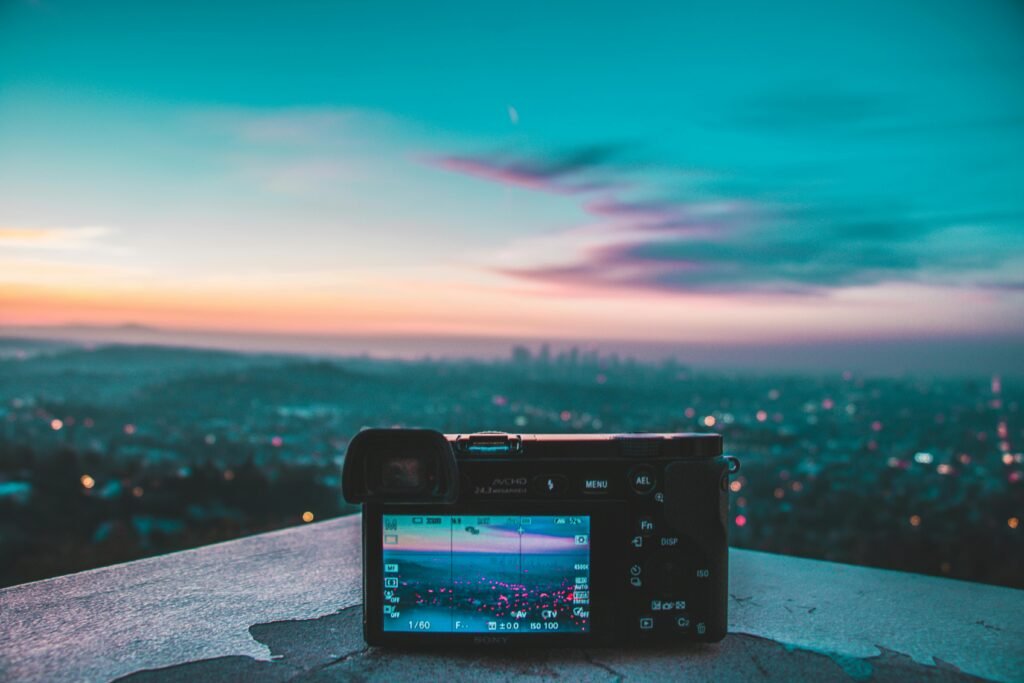
On the other hand, the blue hour happens just before sunrise and after sunset, characterized by a cool, bluish light that can evoke tranquillity and depth. Photographers can utilize this time to capture stunning cityscapes, as artificial lights juxtaposed against the blue sky create a captivating visual contrast. Understanding how to work with the blue hour can lead to unique compositions that showcase a different side of familiar landscapes.
In contrast, midday light is often harsh and unflattering, producing stark shadows and overly bright highlights. While this lighting can be challenging, it is possible to utilize midday light effectively. Photographers can look for shaded areas or capture contrasting elements that benefit from the strong illumination. By finding creative ways to adapt to this lighting, photographers can still achieve aesthetically pleasing results.
Overall, understanding the different qualities of natural light allows travel photographers to enhance their work, adapting techniques to make the most of various lighting conditions throughout the day.
The Golden Hour: Magic of Soft Light
The golden hour, often regarded as one of the most advantageous periods for photography, occurs shortly after sunrise and just before sunset. During this time, the sunlight takes on a warm, golden tone, casting a soft glow that accentuates the textures and colors of the surroundings. Utilizing this natural light can significantly elevate the quality of travel photography, enhancing the emotional impact and overall composition of each image.
Photographers are encouraged to plan their shoots around this enchanting time to maximize the beauty of natural light. One effective strategy is to use photography apps or tools that provide precise sunrise and sunset times for specific locations. This information allows photographers to prepare their gear and arrive at the desired shooting location well in advance, ensuring they are ready to capture the magic as it unfolds. It’s also beneficial to scout locations beforehand to discover optimal vantage points that will best showcase the landscape during the golden hour.
One key technique during this time is to focus on backlighting subjects. When the light sources from behind, it creates a halo effect, adding depth and dimension to travel photographs. Experimenting with different angles can yield unique results, revealing details and rich hues that may otherwise go unnoticed in harsher light conditions. Additionally, the softer shadows during the golden hour can help in reducing contrast, allowing for more balanced exposure across the composition.
Finally, patience is essential; the golden hour lasts only for a brief window each day. Observing the shifts in color and light intensity can lead to extraordinary opportunities for capturing stunning images. With thoughtful planning and a keen eye, travel photographers can harness the magic of the golden hour, producing remarkably beautiful photographs that resonate with viewers.
Using the Rule of Thirds
The rule of thirds is a foundational principle in photography that aids in the creation of visually compelling compositions. This technique divides an image into nine equal parts, using two horizontal and two vertical lines. The strategic placement of subjects along these lines or at their intersections often leads to more dynamic and balanced photographs. This rule encourages photographers to avoid centering their subjects, promoting instead a sense of balance and flow that engages viewers more effectively.
To implement the rule of thirds, begin by visualizing or enabling a grid overlay in your camera settings. When composing your shot, position key elements—such as horizons, trees, or subjects—along these lines. For instance, when capturing a landscape, place the horizon along the upper or lower third line, allowing the foreground to be lush and inviting while emphasizing the sky or vice versa. Similarly, if you are photographing a person, position them along one of the vertical lines, letting the surrounding scenery provide context without overwhelming the main subject.
Exploring Leading Lines
Leading lines are a fundamental compositional technique in photography that guide a viewer’s eye through an image, creating a sense of depth and perspective. By utilizing leading lines effectively, photographers can draw attention to specific elements within a frame, emphasizing the subject matter and enhancing the overall storytelling aspect of travel photography. These lines can be found in both natural and man-made environments, making them versatile tools in various settings.
Natural leading lines often manifest as elements found in landscapes, such as rivers, paths, or mountain ridges. For instance, a winding river can lead the viewer’s gaze toward a distant horizon, imparting a sense of journey and exploration. Similarly, trails or footpaths in a forest may create a natural pathway that encourages viewers to visualize walking through the scene. By identifying and composing with these lines, photographers can evoke a more immersive and captivating experience for their audience.
On the other hand, man-made structures also present abundant opportunities for leading line composition. Roads, bridges, and architectural elements such as railings and fences can serve as effective guides in a photograph. For example, capturing a long, straight road in the frame can lead the eye toward an intriguing destination in the distance, piquing the viewer’s curiosity. When photographing cities, consider using the sharp lines of buildings to create layers and depth, juxtaposing them against more organic shapes found in the environment.
When scouting for leading lines, photographers should remain attentive to their surroundings. Experimenting with different angles and perspectives can help in uncovering hidden opportunities for using these compositional tools. As a practical tip, use a wide-angle lens to enhance the prominence of leading lines, making them more pronounced within the frame. Ultimately, mastering the use of leading lines can dramatically improve the impact of travel photographs, creating a more inviting visual experience for the viewer.
Combining Light and Composition Strategies
In the realm of travel photography, the interplay between light and composition plays a crucial role in capturing breathtaking images. Understanding how to combine these elements can significantly elevate your photographic skills, allowing you to create visuals that resonate with viewers and invoke the essence of a travel experience.
One effective approach is to utilize the rule of thirds, which divides the frame into a 3×3 grid. By positioning key elements along these grid lines or at their intersections, you create a more dynamic and aesthetically pleasing composition. This technique is particularly powerful when combined with natural light, as the position of the sun can dramatically alter the mood and tone of your photograph. For instance, during golden hour—shortly after sunrise or before sunset—the warm light can enhance the subject and create a captivating atmosphere, guiding the viewer’s eye along the lines created by your composition.
Furthermore, leading lines can serve as another tool to harmonize light and composition. These lines could be roads, rivers, or even shadows created by buildings, effectively drawing the viewer’s attention towards the focal point of the image. When combined with soft, diffused light, such as that found on overcast days, these elements work synergistically to produce travel photographs that evoke a sense of wanderlust and adventure. The gentle light softens the edges, allowing the leading lines to gently guide the viewer through the frame.
Ultimately, the fusion of natural light techniques with compositional strategies can lead to more compelling travel photography. By being mindful of both elements, photographers can capture images that are not only visually striking but also tell a story, inviting viewers to share in the journey and the moment captured. Mastering the balance between light and composition is an ongoing process, one that can yield exceptional results and enrich the travel photography experience.
Practical Tips for Travel Photographers
Travel photography presents unique challenges and opportunities, making it essential for photographers to be equipped with practical tips to enhance their skills. One of the primary considerations for any travel photographer is choosing the right equipment. Compact and versatile gear is ideal for capturing diverse environments, so consider using a camera that balances quality and portability. A DSLR or mirrorless camera, combined with a good zoom lens, can serve well across various scenarios—from wide landscapes to intimate street scenes.
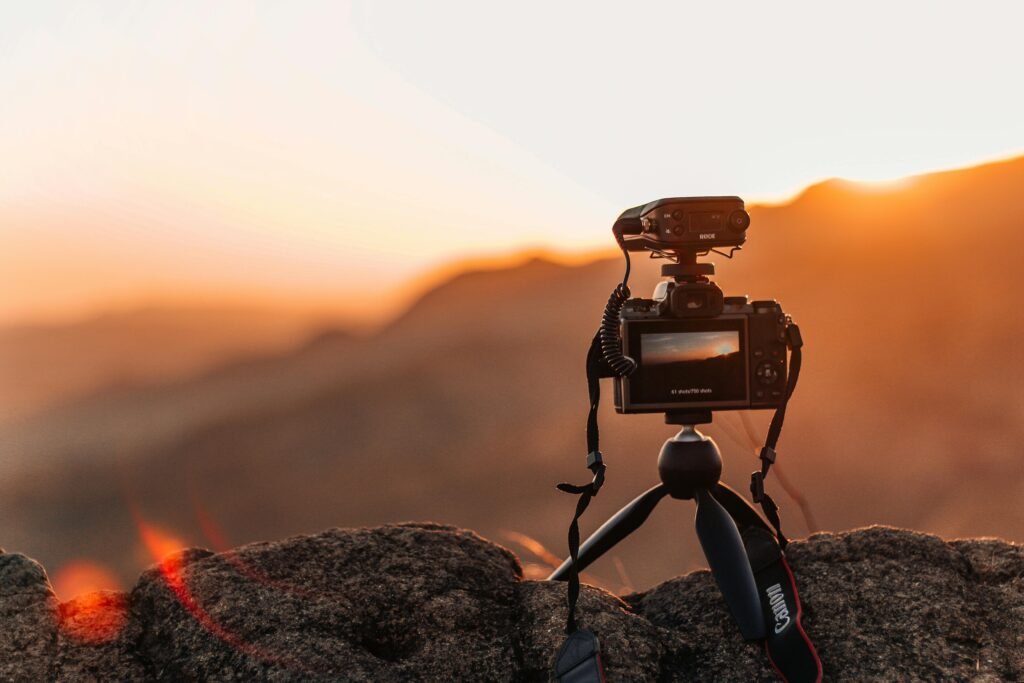
Moreover, invest in a sturdy yet lightweight tripod to stabilize your shots during low-light conditions, such as early mornings or late evenings. These moments often yield the most stunning images, as the golden hour provides a soft, warm light that enhances composition and depth. Understanding when to shoot is crucial; the best times are typically during dawn and dusk. Natural light changes drastically throughout the day, and photographers should learn to adapt their techniques accordingly, utilizing harsh midday light for high-contrast shots or focusing on shadows and reflections during softer hours.
Adapting to different environments is paramount in travel photography. Always be prepared for changing weather conditions. Consider water-resistant gear or weatherproof cases for your equipment, ensuring it remains safe in adverse climates. When shooting in varying landscapes, familiarize yourself with the local culture, which may greatly influence your composition approach. Engage with your surroundings; find interesting angles or viewpoints that highlight the uniqueness of a location.
Lastly, practice patience and flexibility. Oftentimes, the best shots come when least expected. Remain open to altering your plans and allow moments to unfold naturally. This adaptability can lead to capturing compelling stories through your lens, providing a rich narrative of your travel experience while employing effective light and composition techniques.


Common Mistakes to Avoid
Travel photography can be incredibly rewarding, but it is also fraught with common mistakes that can detract from the overall impact of your images. One prevalent issue is overexposure, where bright highlights wash out detail, particularly in high-contrast environments like beaches or urban areas during midday. To avoid overexposed images, it is recommended to utilize your camera’s histogram as a guide, ensuring that the highlights do not reach the right edge of the graph. Additionally, consider using a polarizing filter, which can help control glare and enhance color saturation.
Lack of focus is another pitfall many photographers encounter. This can result from both technical and compositional errors. To mitigate this, one should ensure that the intended subject is sharp and clear. Utilizing techniques like depth of field manipulation can assist in isolating the subject from the background, enhancing the focal point of the image. Always double-check the autofocus settings on your camera, and if necessary, switch to manual focus to enhance precision, particularly in challenging lighting conditions.
Poor composition is an often-overlooked aspect that can lead to rushed and unsatisfactory shots. It is vital to familiarize yourself with composition techniques such as the rule of thirds, leading lines, and framing elements within your scene. These methods can drastically elevate your imagery by guiding the viewer’s eye and creating a more immersive experience. Taking the time to evaluate the scene before capturing an image can lead to thoughtfully composed photographs that resonate more deeply with those who view them.
By being mindful of these common mistakes—overexposed images, lack of focus, and poorly composed shots—you can significantly improve the quality of your travel photography. Elevating your awareness and practicing these strategies will enhance both the aesthetic value of your images and the memories they encapsulate.
Conclusion: Your Travel Photography Journey
As you embark on your travel photography journey, it is crucial to understand the transformative power that light and composition can have on your images. The interplay between these two elements not only shapes the aesthetic quality of your photographs but also influences the narrative you wish to convey. Through thoughtful manipulation of light—whether it’s the golden hour’s warm glow, the dramatic shadows of midday sun, or the soft ambience of overcast skies—you can evoke specific emotions and create more compelling stories within your images.


Conversely, mastering composition aids in guiding the viewer’s eye and establishing a focal point within your frame. Techniques such as the rule of thirds, leading lines, and framing can significantly enhance your photographs, allowing you to present scenes in a more engaging and dynamic manner. By playing with these compositional techniques, you can better illustrate the essence of a destination or the cultural nuances you encounter on your travels.
However, the most effective way to improve your travel photography is through practice and experimentation. Each journey offers a unique opportunity to apply what you have learned about light and composition. Don’t hesitate to challenge yourself by attempting new styles or techniques that may push the boundaries of your usual photography approach. Remember, photography is an art form that thrives on creativity and exploration, so allow yourself the freedom to learn from each shot.
Ultimately, the mastery of light and composition is not just about improving technical skills; it is about enriching your storytelling ability. With time and dedication, you will find that your images not only capture the beauty of the places you visit but also resonate on a deeper level, connecting with viewers in meaningful ways. Embrace this journey, and let each photograph convey your unique perspective of the world.