
The Best Camera Settings for Travel Photography: A Complete Guide on ISO, Shutter Speed, and Aperture
Introduction to Travel Photography
Travel photography is an artistic expression that not only documents journeys but also encapsulates the spirit of exploration. It serves as a bridge between the traveler and the world, allowing one to capture moments that would otherwise fade into memory. The significance of this genre lies in its ability to convey emotions, cultures, landscapes, and experiences through visual storytelling. Whether it’s the bustling streets of a vibrant city, the tranquility of rural landscapes, or the vibrant hues of a market stall, the essence of travel photography is intertwined with a profound appreciation for diverse cultures and environments.
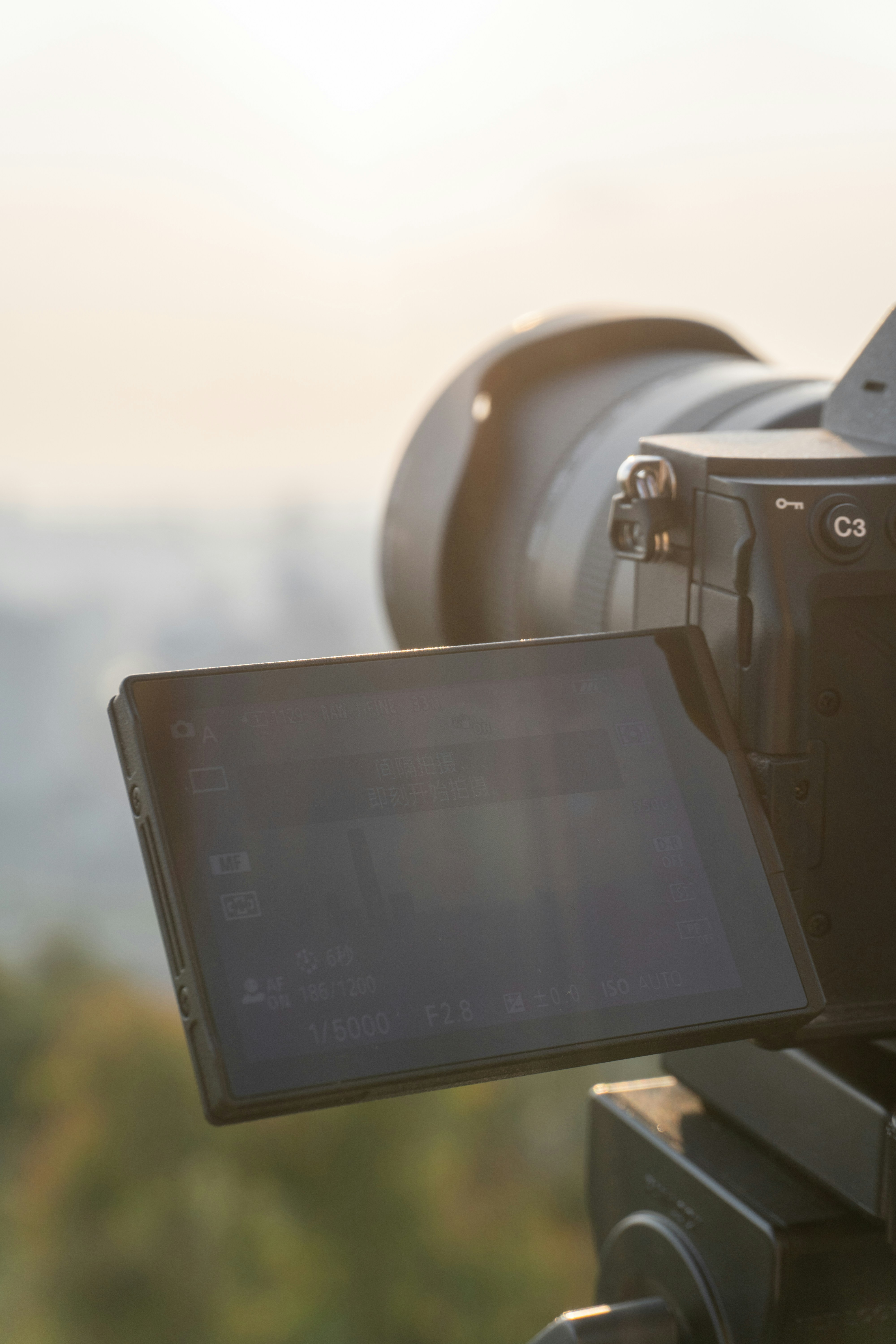
In today’s digital age, stunning imagery holds paramount importance, as it enhances travel experiences by allowing individuals to reminisce about their adventures through visual narratives. High-quality photographs, when shared across social media platforms or with friends and family, can inspire others to embark on their own journeys, making travel photography an integral aspect of modern exploration. Each image has the potential to evoke nostalgia, making it a treasured keepsake that can resurrect memories of joyful adventures.
As travelers, one encounters a multitude of scenarios that arise from exploring new places—these can vary from dynamic urban settings, breathtaking landscapes, to intimate cultural interactions. Each situation presents unique challenges that necessitate a solid understanding of camera settings. Mastering the fundamentals of ISO, shutter speed, and aperture allows individuals to respond to these challenges effectively, ensuring that the resulting images are not only technically sound but also artistically compelling. By grasping these essential settings, travelers can maximize their photographic potential, leading to more rewarding and memorable experiences captured through their lens.
Understanding ISO: Sensitivity to Light
ISO, or International Standards Organization, is a critical setting in photography that determines a camera’s sensitivity to light. The ISO value directly influences how effectively a camera sensor captures light, thus impacting the overall exposure of an image. Understanding ISO is essential for photographers, especially while traveling, as it allows them to adapt to varying lighting conditions and achieve optimal results.
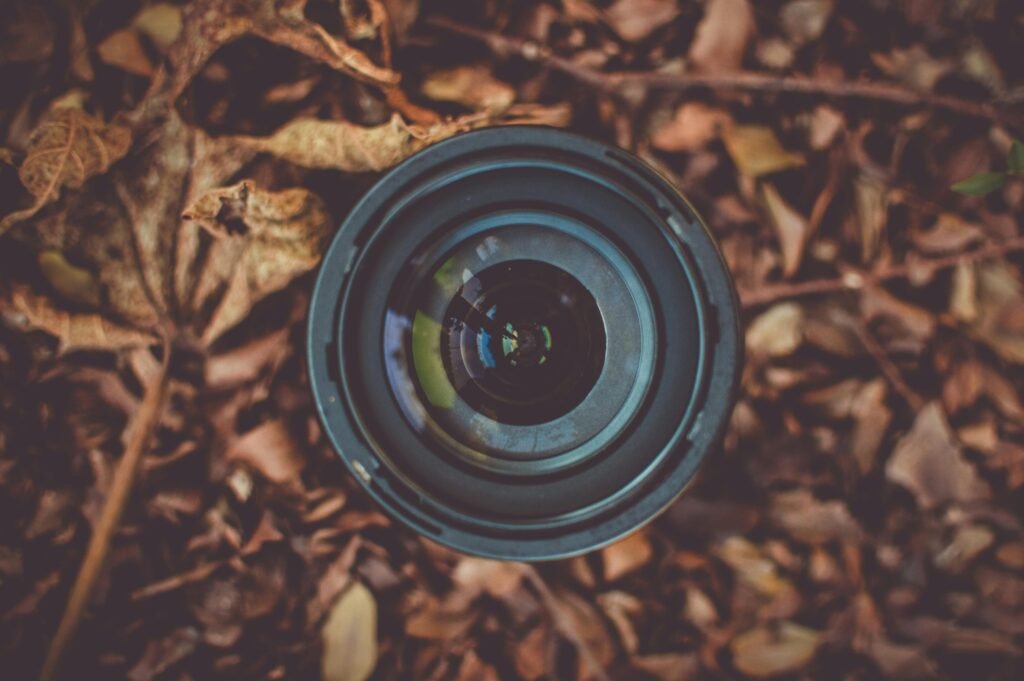
In photography, lower ISO settings, such as 100 or 200, are ideal for shooting in bright environments. These settings yield images with minimal noise and excellent detail, making them perfect for capturing vibrant landscapes or sunny street scenes. However, with lower ISO settings, a camera requires more light for proper exposure, which can be a limitation in dimly lit situations.
Conversely, higher ISO settings, like 1600 or 3200, increase the camera’s sensitivity to light. This adjustment is particularly beneficial in low-light scenarios, such as during twilight or indoors, where natural light may be insufficient. Nevertheless, raising the ISO can introduce noise, characterized by grainy textures in images. Photographers must strike a balance between capturing sufficient light and maintaining image quality.
For example, when photographing a bustling market at dusk, setting the ISO to a higher level enables the photographer to maintain faster shutter speeds, preventing motion blur despite low illumination. In contrast, for a sunrise landscape, a lower ISO setting would be compatible with a stable tripod, allowing for wider apertures and greater depth of field without fearing noise in the final image.
In conclusion, understanding ISO is a fundamental aspect of mastering travel photography, allowing for the flexibility to adjust to different lighting environments while striving to maintain the integrity of image quality.
Mastering Shutter Speed: Freezing or Blurring Motion
Shutter speed is one of the fundamental elements of photography, playing a crucial role in the depiction of motion within an image. It refers to the duration for which the camera’s shutter remains open to expose light onto the camera sensor. Measured in seconds or fractions of a second, shutter speed is represented as numbers like 1/2000 or 1/30. The faster the shutter speed, the shorter the time it captures light, allowing a photographer to freeze fast-moving subjects, resulting in a crisp image. Conversely, slower shutter speeds introduce blur, which can creatively convey motion or speed.
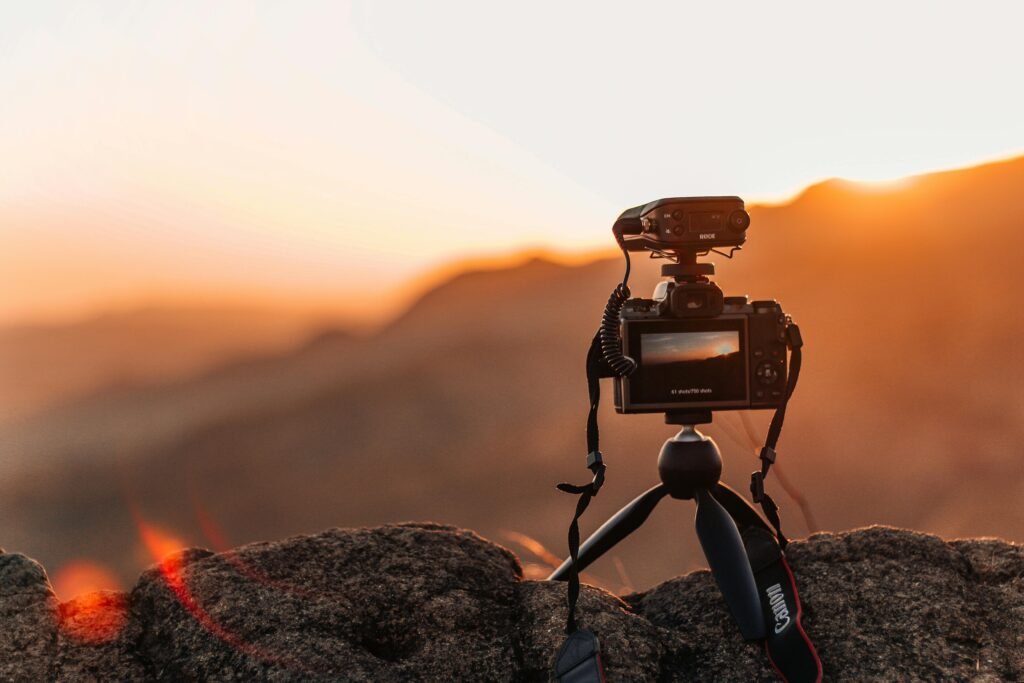
Selecting the appropriate shutter speed is essential for achieving the desired visual impact. For static subjects, such as landscapes, a slower shutter speed (e.g., 1/60 or lower) allows the camera to gather more light, capturing intricate details beautifully. However, when photographing dynamic scenes, such as sports events or wildlife in action, it’s imperative to increase the shutter speed (e.g., 1/500 or higher) to avoid motion blur. This ensures that the subject appears sharp and clear against any background. Additionally, using a tripod can stabilize the camera when opting for slower speeds, reducing the risk of unintended blur caused by camera shake.
Environmental factors also dictate shutter speed choices. In bright daylight, a high shutter speed is manageable without overexposing the image. Conversely, in dimly lit settings, a lower shutter speed may be necessary, though it’s important to maintain the balance between image clarity and exposure. Photographers can be creative by intentionally blurring motion—using slower speeds—when capturing flowing water, bustling city scenes, or artists in motion. Harnessing the characteristics of shutter speed not only elevates the quality of travel photography but also enhances the storytelling aspect by effectively capturing the essence of movement. In conclusion, understanding and mastering shutter speed is paramount for photographers seeking to create breathtaking imagery during their adventures.
Aperture: Controlling Depth of Field
Aperture is a critical component in photography, significantly influencing both depth of field and exposure. It refers to the opening within a lens that controls the amount of light reaching the camera’s sensor. Measured in f-stop values, the aperture allows photographers to manipulate the sharpness of the subject in focus and the blur of the background. A lower f-stop number, such as f/2.8, signifies a wider aperture, resulting in a shallow depth of field that isolates the subject against a beautifully blurred background. This setting is particularly advantageous in portrait photography, where it is essential to emphasize facial features while softening distractions nearby.
Conversely, a higher f-stop value, such as f/16, indicates a narrower aperture that yields a greater depth of field. This is ideal for landscape photography, where capturing sharp details from the foreground to the background is typically desired. When employing a smaller aperture, it’s important to remember that the amount of light entering the camera decreases, often necessitating adjustments to other settings, such as ISO or shutter speed, to maintain proper exposure.
For night photography, a balanced approach is crucial. A wider aperture, such as f/1.8 or f/2.8, can help capture more light in dark conditions, providing a clean image without requiring excessively long exposure times. However, when composing starry sky images or cityscapes, one might opt for a higher f-stop to ensure sharpness across the entire scene. Ultimately, understanding the relationship between aperture, depth of field, and exposure empowers photographers to make informed choices, enhancing the overall quality of their travel photography.
Combining ISO, Shutter Speed, and Aperture: The Exposure Triangle
The exposure triangle is a fundamental concept in photography that encompasses three critical settings: ISO, shutter speed, and aperture. Each of these elements plays a vital role in determining the exposure of an image, affecting both its brightness and overall quality. Understanding the relationship between these settings is essential for photographers, particularly in travel photography, where lighting conditions can change rapidly.
ISO measures the camera sensor’s sensitivity to light. A lower ISO value, such as 100 or 200, is ideal for bright conditions, as it captures finer detail with less noise. Conversely, a higher ISO, such as 1600 or 3200, is necessary in low-light scenarios but may introduce grain. Selecting the appropriate ISO is crucial in travel photography, especially when capturing stunning landscapes at dawn or dusk.
Shutter speed refers to the length of time the camera shutter remains open. It directly influences motion blur in photographs. A fast shutter speed (e.g., 1/1000 second) freezes action, making it ideal for photographing moving subjects, such as wildlife or bustling cityscapes. On the other hand, a slower shutter speed (e.g., 1/30 second) can create a sense of motion and is often utilized in waterfalls or in urban settings with light trails from vehicles.
Aperture, indicated by f-stops, controls the amount of light that enters the lens. A wide aperture (e.g., f/2.8) allows more light, producing a shallow depth of field that effectively isolates the subject from the background. This is particularly useful in portrait photography. In contrast, a narrow aperture (e.g., f/16) permits less light and increases depth of field, ensuring more of the scene is in focus—perfect for expansive vistas or group shots.


When adjusting one component of the exposure triangle, the other settings must often be modified to maintain the desired exposure. For instance, if you opt for a faster shutter speed to capture a moving subject, you may need to increase the ISO or open up the aperture to compensate for the decreased light hitting the sensor. Conversely, lowering the ISO might necessitate a slower shutter speed or a wider aperture to avoid underexposure. Mastering this interplay enables photographers to adapt to various lighting conditions and capture well-exposed images in various travel environments.
Camera Settings for Specific Travel Conditions
Travel photography often presents diverse and challenging conditions, making it essential for photographers to adapt their camera settings accordingly. One critical factor to consider is the availability of light. In bright sunlight, for example, it is advisable to use a higher shutter speed to avoid overexposure. An aperture setting of f/8 to f/11 will help ensure that the photograph captures a wide depth of field, enhancing the sharpness of both foreground and background elements. Furthermore, setting the ISO low (around 100-200) can prevent unwanted noise, particularly in vibrant scenes such as beaches or open landscapes.
Conversely, low-light conditions, such as indoor venues or during twilight hours, require different camera settings. Here, a higher ISO setting (ranging from 800 to 3200) can be beneficial, though one must be cautious of introducing noise. A slower shutter speed is often necessary to allow more light to hit the sensor, but it should be paired with steadiness or a tripod to evade motion blur. Aperture settings can be widened to f/2.8 or lower, allowing additional light to enter and creating a lovely bokeh effect.
Weather conditions also play a significant role in determining the best settings. For example, when photographing scenes in snowy environments, the camera can misinterpret the brightness and underexpose the images. Adjusting exposure compensation to +1 or +2 can help correct this issue. Similarly, for overcast or rainy days, a slight bump in ISO and aperture adjustments may be necessary to capture the mood and nuances of the landscape effectively. Urban landscapes, with their dynamic lighting and fast-paced movements, often require a careful balance of shutter speed and ISO—balancing creativity with technical considerations is key to optimizing one’s travel photography.
Post-Processing Tips for Travel Photos
Post-processing plays a critical role in enhancing travel photographs taken with different camera settings, allowing photographers to refine their images and bring out the best in their captures. Utilizing editing software effectively can transform an ordinary photo into an extraordinary visual story. One of the primary concerns in this realm is managing ISO noise, which often arises when shooting in low-light conditions. A common technique to reduce noise is by using noise reduction tools available in software like Adobe Lightroom or Photoshop. Applying a subtle reduction can clear up graininess without compromising the overall image quality.
Additionally, exposure adjustments can significantly improve the look of a photograph. It’s not uncommon for images to appear too dark or overly bright, especially when relying on automated camera settings. To adjust exposure, one can use the exposure slider to increase or decrease light as needed. It is crucial to keep in mind the histogram feature, which will help to ensure that the highlights and shadows are balanced, ultimately enhancing the photograph’s dynamic range and richness.
When it comes to refining depth of field, adjusting it in post-processing can help to focus the viewer’s attention on the subject. Tools that allow for selective blurring can simulate a shallow depth of field, adding that professional touch to travel images. However, it is essential to maintain a natural look during these corrections. Over-editing can lead to unrealistic results, which detracts from the authenticity of the travel experience being portrayed. A balanced application of post-processing techniques—keeping the natural colors and textures intact—is vital to achieving a polished final product while preserving the essence of the moment captured.
Common Mistakes to Avoid in Travel Photography
Travel photography can be incredibly rewarding, yet it is easy to fall into a few common traps that can hinder the quality of your images. One major error is the neglect to adjust camera settings in response to changing light conditions. As you move from one location to another, lighting can vary drastically, rendering previous settings inadequate. It is crucial to constantly evaluate the ISO, shutter speed, and aperture based on the available light in order to capture the scene accurately. A fixed mindset towards prior settings can lead to poorly exposed images, diminishing the beauty of the moment.
Another prevalent mistake is over-relying on automatic modes. While modern cameras offer excellent automatic features, these can sometimes misinterpret scene dynamics. Relying solely on automatic settings can result in missed opportunities for creative effects and poorly captured images, particularly in unique lighting situations. Understanding manual control of ISO, shutter speed, and aperture allows you to exercise more artistic freedom and achieve the desired results.
Misunderstanding composition basics is also a common pitfall. Many photographers, especially beginners, may focus solely on technical settings and overlook how the arrangement of elements within the frame impacts the visual story being told. Utilizing techniques such as the rule of thirds, leading lines, and framing can significantly improve the overall aesthetic of your travel photos. It’s advisable to take a moment to assess potential compositions before capturing an image.
In summary, by being mindful of these common mistakes—neglecting to adapt settings, relying on automatic modes, and misunderstanding composition—you can enhance your travel photography. Taking the time to adjust and refine your approach will allow for more compelling and beautiful images that truly capture the essence of your travels.


Conclusion: Capturing Your Travel Memories
Mastering camera settings plays a critical role in enhancing the quality of travel photography. Understanding the essential components of ISO, shutter speed, and aperture enables photographers to adapt to varied environments and lighting conditions. These skills empower individuals to transform ordinary snapshots into compelling visual narratives, encapsulating the essence of their journeys. When traveling, the opportunity to seize fleeting moments can lead to stunning visual stories that resonate with others and preserve personal memories for years to come.
As you embark on your photography journey, experimenting with your newfound knowledge of camera settings is crucial. Every destination offers unique lighting and cultural contexts that can significantly affect photographic outcomes. Whether you are capturing the vibrant hues of a bustling market or the soft light of a sunrise over a tranquil landscape, adapting your camera settings to these conditions can dramatically enhance your photographs. Embracing trial and error will not only bolster your technical skills but also help develop your creative eye.
Moreover, remember that travel photography is not solely about technical precision; it is also about conveying emotion and telling stories through your images. Using your camera to capture candid moments, local interactions, and breathtaking vistas will yield meaningful photographs that reflect the heart of your travels. Therefore, take the time to enjoy both the journey of photography and the adventure of exploring new places. As you merge your passion for travel with photography, you will find new ways to express your experiences visually, forging deeper connections with the world around you.