
The Ultimate 14-Day Middle East Itinerary: Routes, Visas, and Travel Tips
Introduction to the Middle East Adventure
The Middle East stands as a captivating region, distinguished by its rich history, diverse cultures, and breathtaking landscapes. As a travel destination, it beckons adventurers and history enthusiasts alike, offering an array of experiences that weave together the ancient and the modern. On this journey, you will encounter remarkable historical landmarks, such as the Pyramids of Giza, the ancient city of Petra, and the stunning architecture of Jerusalem, each telling stories that span millennia.
Culturally, the Middle East is a vibrant tapestry composed of various ethnicities, languages, and practices. From the bustling souks of Morocco to the serene oasis towns in Oman, travelers will find that each locale boasts its own unique heritage, traditions, and culinary delights. Engaging with local communities provides deeper insights into the customs that shape daily life in the region, making each interaction a chance to learn and connect.
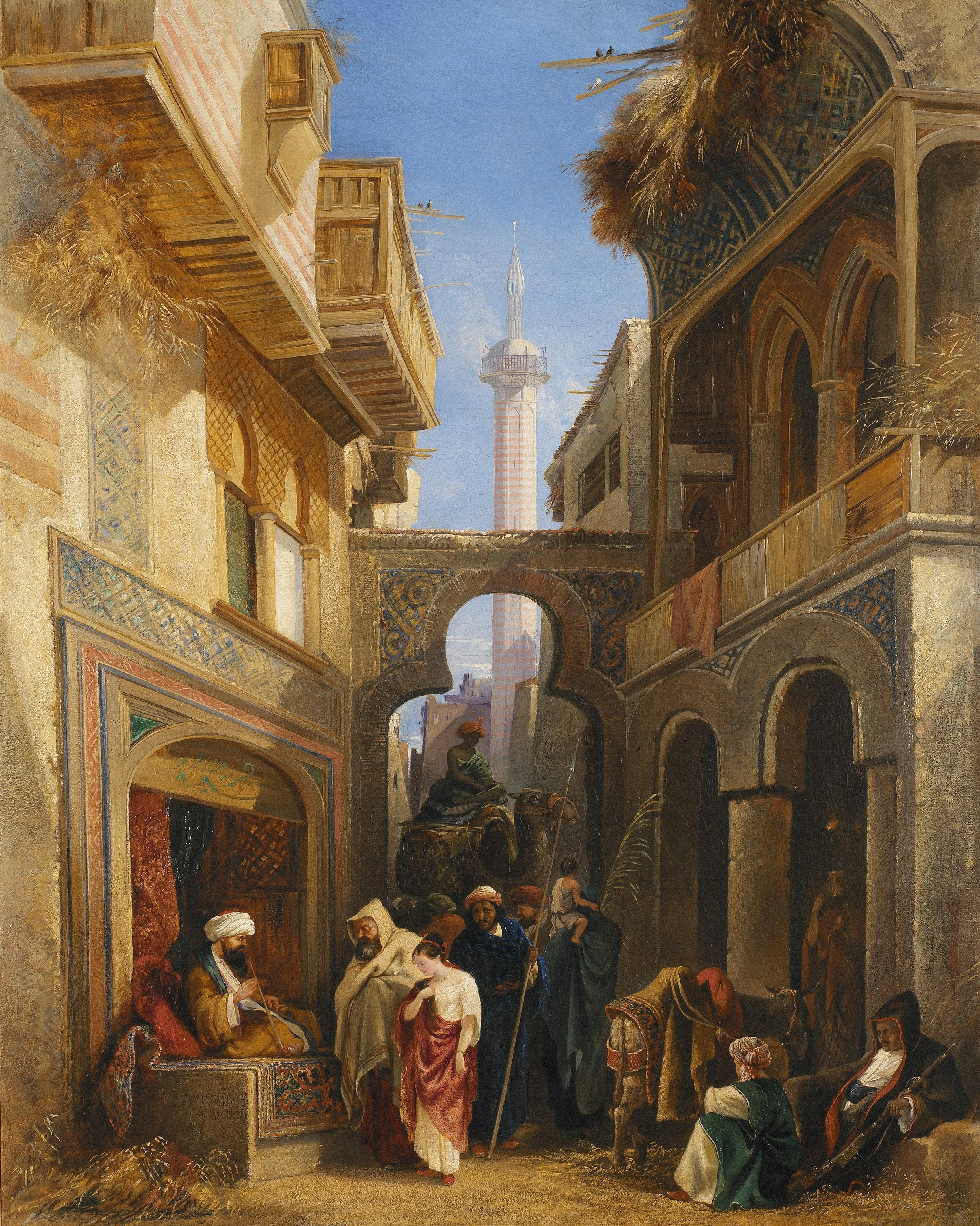
Moreover, the contrast between modernity and tradition adds to the allure of the Middle East. Skyscrapers in cities like Dubai and Doha juxtapose ancient ruins, illustrating the rapid development that these countries have undergone over the past few decades. Visitors will have the opportunity to experience luxurious shopping, fine dining, and vibrant nightlife, all while being just a short distance from the historic settings that offer a glimpse into the past.
Additionally, the natural wonders of the Middle East, from the majestic mountains of Lebanon to the pristine beaches of the Arabian Gulf, create a spectacular backdrop for travelers. Whether trekking in the vast deserts or relaxing on the shores of the Red Sea, the region’s diverse landscapes promise a range of adventures. This 14-day itinerary is designed to guide you through the highlights of this intriguing region, ensuring that you make the most of your Middle Eastern exploration.
Overview of the Route: Jordan → UAE → Oman → Egypt
The selected itinerary through the Middle East offers travelers a diverse array of experiences as they journey across four remarkable countries: Jordan, the United Arab Emirates (UAE), Oman, and Egypt. This route encompasses breathtaking landscapes, rich historical sites, and vibrant cultural experiences that collectively define the essence of the region.
Starting in Jordan, visitors will be captivated by the ancient city of Petra, a UNESCO World Heritage site renowned for its rock-cut architecture and water conduit system. Travelers can also explore the stunning desert landscapes of Wadi Rum, famous for its towering sandstone mountains and dramatic sunsets. Additionally, the Dead Sea provides a unique opportunity to experience buoyancy in its mineral-rich waters while enjoying the serene surroundings.
Next, the itinerary leads to the United Arab Emirates, where travelers can experience the dazzling modernity of cities like Dubai and Abu Dhabi. Iconic landmarks such as the Burj Khalifa and the Sheikh Zayed Grand Mosque showcase the architectural brilliance that characterizes this rapidly developing nation. Cultural experiences, ranging from traditional souks to contemporary art galleries, enrich the visit.
Reaching Oman, visitors are treated to its stunning natural landscapes, including the majestic Hajar Mountains and the picturesque coastline. The capital city, Muscat, offers a blend of rich history with its ancient forts and vibrant markets. Outdoor enthusiasts can enjoy activities such as hiking, trekking, and exploring the serene beaches that line the coastline.

Finally, the journey culminates in Egypt, where the pyramids of Giza and the Sphinx offer a glimpse into the grandeur of ancient civilization. The vibrant atmosphere of Cairo, combined with the serene Nile River cruises, encapsulates the enduring allure of this historic land. As travelers trace this route, they will undoubtedly find a wealth of experiences tailoring to both the adventurous and the culturally curious.
Day-by-Day Itinerary Breakdown
Embarking on a 14-day journey through the Middle East offers travelers an incredible opportunity to explore rich cultures, historical sites, and breathtaking landscapes. This itinerary provides a structured approach, allowing for an immersive experience across multiple destinations.
Day 1: Arrival in Cairo, Egypt
Begin your adventure in Cairo, where ancient history awaits. Visit the iconic Pyramids of Giza and the Sphinx. Take time in the Egyptian Museum to see the treasures of Tutankhamun. Evening activities may include a Nile dinner cruise, offering a spectacular view of the city’s skyline.
Day 2: Explore Cairo
Continue your exploration of Cairo. Visit the Citadel of Saladin, then proceed to the lively bazaar of Khan el-Khalili for local shopping. Enjoy traditional Egyptian cuisine, sampling dishes such as koshari and falafel.
Day 3: Day Trip to Alexandria
Take a day trip to Alexandria, a port city steeped in history. Explore the Alexandria Library and the Catacombs of Kom el Shoqafa. Return to Cairo for the night.
Day 4: Travel to Jordan
Fly to Amman, the capital of Jordan. Explore the ancient ruins of Jerash and the Citadel’s historic sites. Enjoy traditional Jordanian food at a local restaurant.
Day 5: Petra
Travel to Petra, one of the New Seven Wonders of the World. Spend the entire day exploring this archaeological city, carved into rose-red cliffs, culminating in the breathtaking sight of Al-Khazneh.
Day 6: Wadi Rum
Journey to Wadi Rum, known for its stunning desert landscape. Go on a jeep tour, and consider an overnight stay in a Bedouin camp for an authentic experience under the stars.
Day 7: Aqaba
Travel to Aqaba, where you can enjoy beautiful beaches and vibrant coral reefs. Spend the day snorkeling or relaxing by the Red Sea.
Day 8: Fly to Tel Aviv, Israel
On reaching Tel Aviv, explore the vibrant urban setting, including the famous Carmel Market and the historic port city of Jaffa.
Day 9: Visit Jerusalem
Take a day trip to Jerusalem. Visit the Western Wall, the Church of the Holy Sepulchre, and other significant religious sites. Witnessing the city’s diversity will be an enriching experience.
Day 10: Dead Sea
Travel to the Dead Sea, known for its high salinity. Experience floating in the water and apply mineral-rich mud for a unique spa day.
Day 11: Travel to Istanbul, Turkey
Fly to Istanbul, where East meets West. Spend time exploring the bustling bazaars, historic sites like Hagia Sophia, and topping your day with a Bosphorus cruise.
Day 12: Istanbul Highlights
Continue exploring Istanbul, visit the Topkapi Palace, and enjoy the sights of the Blue Mosque. Sample local delicacies and shop for souvenirs.
Day 13: Fly to Dubai, UAE
Arrive in Dubai. Spend the day visiting the Burj Khalifa, shop at the Dubai Mall, and enjoy an evening at the Dubai Fountain show.
Day 14: Departure
Wrap up your adventure with any last-minute shopping or sightseeing before heading to the airport for your departure. Reflect on the diverse experiences that the Middle East has offered throughout your trip.
Accommodation: Where to Stay in Each Destination
Choosing the right accommodation can significantly enhance your travel experience in the Middle East. This itinerary encompasses several cities, each offering a variety of lodging options, catering to diverse budgets and preferences.

In Cairo, an ideal choice for budget travelers is the Downtown Cairo Hotel. This hotel is centrally located, allowing easy access to major attractions such as the Egyptian Museum and the bustling streets of Khan el-Khalili. For those seeking a mid-range option, the Marriott Mena House offers stunning views of the Great Pyramids, exquisite dining options, and a pool surrounded by lush gardens. Luxury seekers can opt for the Four Seasons Hotel Cairo at Nile Plaza, known for its opulent rooms, exceptional service, and proximity to the cultural heart of the city.
Moving to Petra, budget-friendly travelers can find comfort at Petra Guest House, situated at the entrance of the UNESCO site, enabling easy exploration of the ancient city. For mid-range accommodation, Movenpick Resort Petra features a unique architectural style and various amenities, including an outdoor pool and direct access to the archaeological sites. For luxury, the Wadi Rum Night Luxury Camp combines adventure with comfort, offering glamping experiences in the heart of the desert.
In Dubai, consider the Rove Downtown Dubai for affordable yet trendy accommodation featuring modern comforts and proximity to attractions like the Burj Khalifa. The mid-range Hilton Garden Inn Dubai Mall of the Emirates offers a blend of convenience and high-quality service, while the luxurious Burj Al Arab is renowned for its iconic sail-shaped silhouette and exclusive amenities, making it a symbol of extravagant hospitality.
These hotel options across various cities ensure all travelers can find a suitable place that complements their itinerary, providing ease of travel and access to local attractions.
Traveling between countries in the Middle East can be a dynamic experience, with several transportation options available depending on your itinerary and preferences. Understanding these options will enhance your travel experience and help you optimize your time and budget.
Flights: Air travel is often the quickest method to move between countries. The Middle East is serviced by several major airports with frequent flights connecting major cities. For instance, flights from Cairo to Amman typically take about one hour, while a flight from Dubai to Doha is even shorter, around an hour as well. Costs can range from $100 to $300 depending on the airlines and booking time, but prices can be lower when booked in advance.
Bus Services: Buses are a popular and economical way to travel overland. Regional companies offer comfortable services that connect major cities. For instance, a bus from Amman to Jerusalem takes about 2.5 hours, while a trip from Beirut to Damascus may take around three hours depending on border crossing waits. Bus fares are generally affordable, often between $5 to $20, making it a budget-friendly choice.
Rental Cars: Renting a car provides flexibility and the opportunity to explore at your own pace, though it may require navigating through complex road rules and potential border crossings. Rental services are available at major airports, and prices typically range from $40 to $100 per day. However, do consider additional costs such as insurance and fuel.
Ferries: In certain areas, like from Egypt to Jordan or Turkey to Cyprus, ferries can be an enjoyable alternative. Travel time varies, but a ferry ride from Hurghada to Sharm El Sheikh takes around two hours, with prices averaging around $30. Always check schedules in advance as they can be subject to weather conditions.
In conclusion, choosing the right transportation method between Middle Eastern countries depends on time, budget, and personal preference. Ensure to factor in travel times and costs as you plan your itinerary for a smooth journey throughout this magnificent region.
Must-See Attractions: What Not to Skip
The Middle East is a rich tapestry of history, culture, and natural beauty, with a plethora of attractions that are essential for any traveler. In Egypt, the Pyramids of Giza stand as an enduring symbol of ancient civilization, attracting millions each year. Visiting early in the morning can help you avoid the crowds and the heat, enhancing your experience of this UNESCO World Heritage site. Nearby, the Sphinx and the Egyptian Museum add depth to your understanding of this country’s storied past.
Heading east to Jordan, a visit to Petra is non-negotiable. This archaeological marvel, carved into rose-red cliffs, offers a glimpse into the Nabateans’ ingenious engineering and artistry. Consider planning to visit during the evening for the mesmerizing Petra by Night experience, where the site is illuminated by thousands of candles. To prepare for your visit to Petra, ensure you have comfortable footwear, as exploring the vast site involves considerable walking.
In the United Arab Emirates, the Burj Khalifa in Dubai is an iconic landmark that offers breathtaking views from its observation deck. Booking tickets in advance is advisable to avoid long queues. Also, take the time to explore the Dubai Mall, which houses an impressive aquarium and ice rink, among various luxury shops.
Israel’s historical significance is best experienced in Jerusalem, where sites such as the Western Wall and the Dome of the Rock reflect the city’s deep spiritual heritage. Consider joining a guided tour to appreciate the intricate history behind these locations comprehensively. In contrast, the serene landscapes of the Dead Sea are a perfect spot to unwind, known for its therapeutic properties.
Lastly, in Oman, the stunning landscapes of the Wahiba Sands desert and the historical forts in Muscat provide a unique cultural experience. It’s recommended to visit during the cooler months of November to March for a more pleasant climate. Each of these destinations within the Middle East has its unique charm and significance, ensuring that travelers can cherish unforgettable experiences.


Visa Requirements by Nationality
When planning a trip to the Middle East, it is crucial to be aware of the visa requirements that may vary significantly depending on your nationality and the countries you intend to visit. Each nation within the Middle East has its own rules and regulations concerning entry and visa provisions.
For many travelers, understanding whether a visa is required is the first step. For example, citizens from the United States, Canada, and most European countries may enter several Middle Eastern nations, such as Jordan and Israel, without a visa for short stays, often up to 90 days. However, nationals from other regions may need to secure a visa in advance. For these travelers, it is advisable to consult the respective embassies or official government websites to confirm current requirements.
Furthermore, the process for obtaining a visa can differ not only by nationality but also by the type of visa needed—whether for tourism, business, or transit. For instance, many Gulf Cooperation Council (GCC) countries offer electronic visas (eVisas) that can be applied for online, streamlining the process. It is essential to apply in advance and ensure all documents are in order to avoid any last-minute complications.
It is also important to stay informed about specific regulations that may affect entry, such as exit fees, health requirements (vaccination proof), or other local entry conditions that could be enforced at the time of travel. Regular review of travel advisories can provide useful insights for travelers from various nations.
Crossing Borders: Tips and Tricks
Traveling between countries in the Middle East can be an enriching experience, but it also presents a unique set of challenges. Border crossings can vary significantly in their requirements and processes, making it crucial for travelers to prepare adequately. One essential aspect is having the correct documentation. This typically includes a valid passport, visas for the countries you intend to visit, and sometimes additional documents such as health insurance or an invitation letter, depending on the region you are navigating.
It is advisable for travelers to research visa requirements well in advance. Some countries in the Middle East maintain strict entry protocols, and each nation has different policies regarding visas, with some allowing visa-on-arrival, while others necessitate prior arrangements made through embassies or consulates. Ensure that your passport has sufficient validity remaining, often recommended to be at least six months, to avoid complications at checkpoints.
Additionally, understanding the local regulations and customs surrounding border crossings can save time and potential frustration. During peak travel seasons, expect longer waiting times at borders, and thus planning your departure times can be beneficial. It is also helpful to keep all your documents organized and easily accessible to present them swiftly when required by border officials.
Sarcastically, travelers should be ready for eventualities such as luggage checks or questioning that might occur as part of the border control process. Remaining patient and composed will go a long way in ensuring a smoother transition. Communication may also pose challenges; therefore, having vital phrases in the relevant language can be useful.
In summary, careful planning, proper documentation, and being aware of the local norms are key to ease when traversing borders in the Middle East. By following these tips and tricks, travelers can enjoy a seamless journey through this diverse and culturally rich region.
Travel Tips: Essentials for a Smooth Journey
When embarking on a trip to the Middle East, preparation is key to ensuring a smooth and enjoyable journey. Understanding and respecting local customs can significantly enhance your travel experience. Dress modestly, particularly in religious sites; this is an important cultural etiquette in many Middle Eastern countries. Women should consider wearing long dresses or skirts, and men should avoid shorts. Always keep a light scarf or shawl at hand as it can be used for both privacy and warmth in cooler environments.
In addition to clothing, learning basic phrases in the local language can facilitate communication and demonstrate respect towards the local culture. Simple greetings in Arabic, for instance, go a long way in establishing rapport with locals. Furthermore, remain aware of the cultural nuances regarding personal interactions. Public displays of affection are typically frowned upon in many areas.
Safety is paramount while traveling. Ensure that you stay updated on travel advisories and avoid areas that are known for political unrest. It’s wise to register with your embassy before traveling, so they are aware of your presence in the region. Always keep emergency numbers handy, which vary by country; familiarize yourself with them to ensure assistance is quickly accessible if needed.
Packing essentials for your journey should include a universal adapter for your electronics, as plug types vary across different countries. Moreover, consider bringing a refillable water bottle to stay hydrated while reducing plastic waste. Sunscreen and a hat are also essential to protect against the sun, as many regions in the Middle East can experience extreme temperatures.
In conclusion, by incorporating these travel tips into your itinerary, you can enhance the quality of your journey across the Middle East. With the right preparation and a respect for local customs, your adventure is bound to be memorable and enriching.