
The Ultimate Guide to Solo Travel: How to Travel Solo Safely and Confidently in 2025
The Rise of Solo Travel
In recent years, solo travel has experienced remarkable growth, emerging as a popular choice among individuals seeking a unique way to explore the world. This trend reflects a significant shift in the travel landscape, where adventurers prioritize independence, self-discovery, and personal growth. The appeal of traveling alone lies in the freedom to create one’s own itinerary, engage deeply with new cultures, and focus on introspection without the distractions of companionship.
Demographics of solo travelers have diversified, revealing that people of all ages are embracing the experience. Interestingly, the rise of female solo travelers has become particularly noteworthy. More women are venturing out on their own, empowered by the resources available to them that promote safety and travel confidence. This shift challenges traditional perceptions surrounding solo travel and highlights the desire for women to assert their autonomy while exploring geographically and culturally diverse environments.
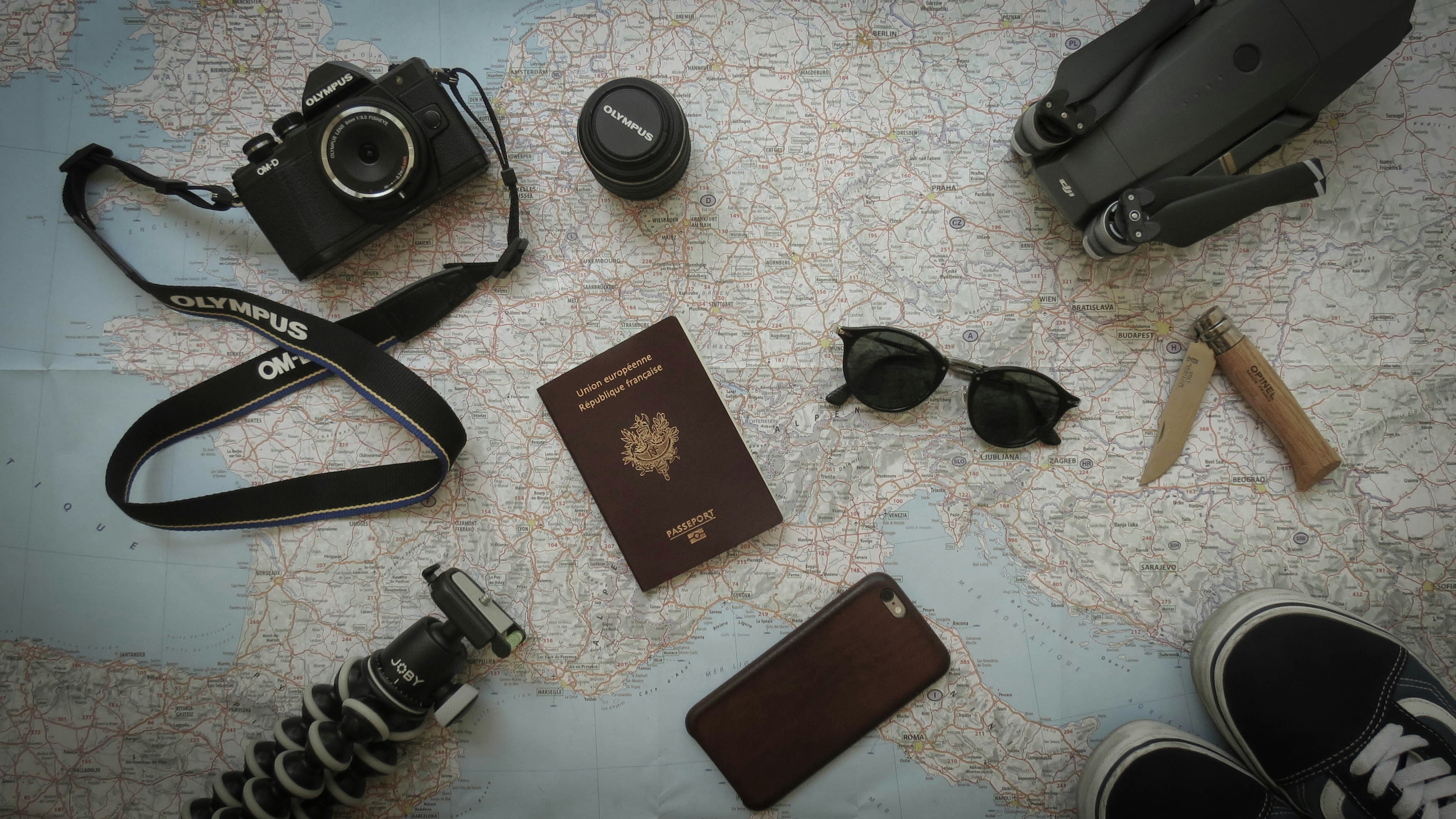
The benefits of solo travel extend beyond adventure. Many travelers find that embarking on journeys alone can lead to profound personal insights and transformative experiences. Advocates of solo travel assert that it encourages individuals to step outside their comfort zones, spurring growth and self-discovery. As travelers navigate unfamiliar surroundings on their own, they develop critical life skills such as decision-making, problem-solving, and adaptability.
As the popularity of solo travel continues to rise, it is essential to prioritize safety and confidence for a successful journey. Understanding how to navigate potential risks and employing strategies that foster both assurance and security will ensure that individuals can embark on their solo adventures with peace of mind. This guide serves to illuminate safe practices and tips to enhance one’s solo travel experience in 2025 and beyond.
Choosing Your Destination Wisely
When considering solo travel, the choice of destination is a pivotal factor that significantly influences one’s experience. Various destinations are notorious for their safety records and welcoming attitudes towards travelers, especially those journeying alone. Consequently, exploration of these locations should entail a thorough evaluation based on certain criteria.
One key criterion is the local crime rate. Researching statistics on theft, violence, and other safety concerns provides insight into the security landscape of a destination. Websites like Numbeo and local government travel advisories are excellent resources for gaining a quantitative understanding of crime in potential destinations.
Another aspect to consider is the cultural attitude toward solo travelers. Countries or cities that exhibit a friendly and supportive environment are preferable. For example, destinations such as Japan and Iceland are renowned for their low crime rates and positive cultural attitudes. In Japan, travelers often find assistance from locals eager to help navigate public transport or recommend restaurants. Iceland, on the other hand, is famed for its hospitality and breathtaking landscapes, making it an exhilarating choice for solo explorers.
Accessibility also plays a crucial role in choosing a destination. Locations with well-developed public transport systems not only facilitate easier navigation but also provide solo travelers with more opportunities to explore independently. Cities like Amsterdam and Copenhagen fit this criterion exceptionally well, encouraging exploration through cycling or efficient tram systems.
Specific activities can further enhance confidence while traveling solo. Engaging in guided tours or workshops affords solo travelers the chance to interact with locals and fellow travelers, which can mitigate feelings of isolation. Ultimately, a well-researched and thoughtfully chosen destination can provide a safe, enjoyable, and enriching experience for anyone embarking on solo adventures.
Booking Accommodations: Safety First
When embarking on a solo travel journey, selecting the right accommodations is crucial for ensuring both safety and comfort. The landscape of travel options has expanded significantly, providing travelers with various choices such as hotels, hostels, and homestays. Each type of accommodation offers unique benefits that cater to different needs, but prioritizing safety is fundamental regardless of the choice made.

Hotels are often equipped with security features such as 24-hour reception and in-room safes, making them a popular option for solo travelers. When booking a hotel, opt for establishments in well-lit areas and favorable neighborhoods. It’s advisable to check for security protocols, including surveillance cameras and secure entry points. Reading reviews on platforms such as TripAdvisor or Booking.com can provide insights into the safety reputation of specific hotels. Look for feedback regarding staff behavior, cleanliness, and guest experiences, especially those from travelers similar to you.
Hostels provide a more communal atmosphere, encouraging social interaction among guests. For solo travelers, this can be a great way to meet fellow adventurers. However, it is essential to choose hostels with positive reviews highlighting their safety measures. Look for facilities offering lockers for personal belongings, courteous staff, and organized social activities. Ensure these hostels have a good reputation in terms of cleanliness and security features that foster a safe environment for all guests.
Homestays can offer a unique travel experience, often providing cultural immersion. When selecting a homestay, diligence in researching the hosts is paramount. Engage with previous guests by reading reviews to better understand the experience and the safety measures in place. Ensure you choose hosts with documented positive experiences and who exhibit friendly yet respectful communication styles. This will not only enhance your safety but also foster trustworthy connections during your stay.
Navigating Transportation Alone
When embarking on a solo travel journey, understanding the available transportation options and their safety implications is crucial. Public transport offers an economical and often efficient means of getting around. Many cities boast extensive bus and train networks, allowing solo travelers to navigate urban landscapes confidently. It is advisable to familiarize oneself with the local scheduling and routes ahead of time, utilizing apps that track real-time schedules for public transport. Such tools enhance the overall travel experience and promote a sense of security.
Ridesharing services present another convenient option for solo travelers seeking flexibility in transportation. Utilizing well-known apps like Uber or Lyft can greatly simplify the process of hailing a ride, though it is essential to verify the driver’s credentials before entering the vehicle. Always opt for a licensed vehicle and share ride details with friends or family when possible. This practice not only keeps informants updated but also adds an extra layer of safety.

Car rentals cater to those who prefer independence during their travels. This option provides the advantage of exploring more remote areas at one’s convenience. However, it comes with responsibilities, such as navigating unfamiliar traffic laws and ensuring the vehicle’s security. Familiarizing oneself with GPS technology can significantly ease navigation challenges; many smartphones come equipped with maps that work offline, a helpful feature for international travelers without local data.
In conclusion, navigating transportation as a solo traveler requires careful consideration of various methods available, each with its distinctive safety implications. By utilizing technology and remaining vigilant, travelers can enhance their confidence while effectively moving from one destination to the next. Thus, a successful travel experience is achievable through informed and mindful choices regarding transportation methods.
Connecting with Others: Socializing While Traveling Solo
Traveling solo presents unique opportunities for personal growth and exploration, but it can also lead to feelings of isolation. Therefore, fostering social interactions while on the road is essential for creating meaningful memories and enriching your travel experience. Engaging with both fellow travelers and locals can be a wonderful way to gain insights into different cultures and make the journey more enjoyable.
There are various platforms available today that cater specifically to solo travelers looking to connect. Online travel groups, such as those found on Facebook or specific travel forums like Couchsurfing, provide spaces where you can meet like-minded individuals who share your passion for exploration. These communities often organize events, meetups, or excursions that can facilitate face-to-face interactions in a secure environment.
Social media also plays a significant role in modern travel socialization. Utilizing hashtags related to your destination on platforms like Instagram or Twitter can lead to exciting encounters with other travelers. Engaging with posts and comments can serve as an icebreaker, potentially leading to new friendships.
When attending local events, such as festivals or workshops, be open to initiating conversations. Simple greetings or compliments can break the ice and pave the way for deeper discussions. Carrying a friendly smile and practicing active listening will make you approachable, increasing the chances of building connections.
It is important, however, to balance socializing with caution. Always prioritize your safety by sharing your whereabouts with a trusted friend and avoiding situations that feel uncomfortable. In summary, establishing connections during solo travel can greatly enhance your experience, making it more vibrant and memorable while maintaining a focus on safety.
Personal Safety Measures for Solo Travelers
The importance of personal safety cannot be overstated when it comes to solo travel. Travelers must remain vigilant, adopting precautionary measures to ensure their well-being while exploring new destinations. One key aspect is situational awareness; remaining alert to one’s surroundings helps detect potential threats. This could mean being cautious when approached by strangers in less populated areas or keeping track of one’s belongings in crowded places.
Avoiding risky areas is another essential strategy. Researching neighborhoods before arrival can help solo travelers pinpoint safe zones while steering clear of areas known for higher crime rates. Utilizing resources such as local travel blogs or forums can provide insights from those who have firsthand experience in the region. For instance, a traveler shared a story about how they avoided a confrontational situation by simply taking a different route based on advice from a fellow globetrotter.
The advent of technology has also revolutionized personal safety for solo travelers. Smart devices can be invaluable in emergencies; for instance, continuously sharing your location with trusted family or friends enables them to track your whereabouts. Mobile applications specifically designed for safety can offer features such as emergency contacts and real-time location tracking. A traveler recounted a time when their mobile alert system successfully notified their contacts after they felt threatened by an individual nearby, prompting timely assistance.
Furthermore, practicing simple but effective self-defense techniques can empower solo travelers, ensuring that they are equipped to respond appropriately in unexpected situations. Engaging in a self-defense class prior to traveling can instill confidence and provide valuable skills.
Ultimately, a combination of situational awareness, avoiding risky areas, and leveraging technology can greatly enhance personal safety for solo travelers. By implementing these measures, individuals can embark on their adventures with greater confidence and security.
Building Confidence Before You Go
When preparing for a solo travel experience, cultivating mental and emotional confidence is crucial. Self-assurance begins with a mindset shift that encourages you to confront and overcome your fears. Recognizing that uncertainty is part of the adventure can empower you to embrace the unknown rather than shy away from it. One effective strategy for enhancing confidence is visualization; envisioning a successful trip allows your mind to familiarize itself with potential experiences, reducing anxiety about what lies ahead.
Setting personal challenges is another way to build resilience before your journey. These challenges can be small, such as navigating a new neighborhood or trying a local dish on your own, which helps foster a sense of independence and capability. As you conquer these minor challenges, your self-esteem will grow, equipping you with the belief that you can handle more significant hurdles during your travels.
Preparation for the unexpected is equally vital in creating a sense of confidence. Researching your destination, understanding cultural norms, and having contingency plans can diminish feelings of vulnerability. Familiarize yourself with safe neighborhoods, local emergency contacts, and essential phrases in the local language, as this knowledge breeds security and self-reliance. Moreover, packing a ‘safety kit’ containing items that make you feel comfortable, such as favorite snacks or a comforting book, will serve as reassurance during your travels.
Lastly, practice mindfulness techniques to center yourself, allowing you to maintain composure when faced with challenging situations. Regular meditation, journaling, or even mindful breathing can assist you in staying grounded and confident. By integrating these strategies into your pre-trip routine, you will bolster your mental and emotional readiness, paving the way for a fulfilling solo travel experience.
Mindfulness and Enjoying the Journey Alone
When embarking on a solo travel adventure, the practice of mindfulness can greatly enhance one’s experience. Embracing solitude allows travelers to connect with their surroundings on a deeper level, discovering not just new places but also their own thoughts and feelings. Mindfulness encourages individuals to immerse themselves fully in the present moment, making them more aware of their environment and the journey they are undertaking.
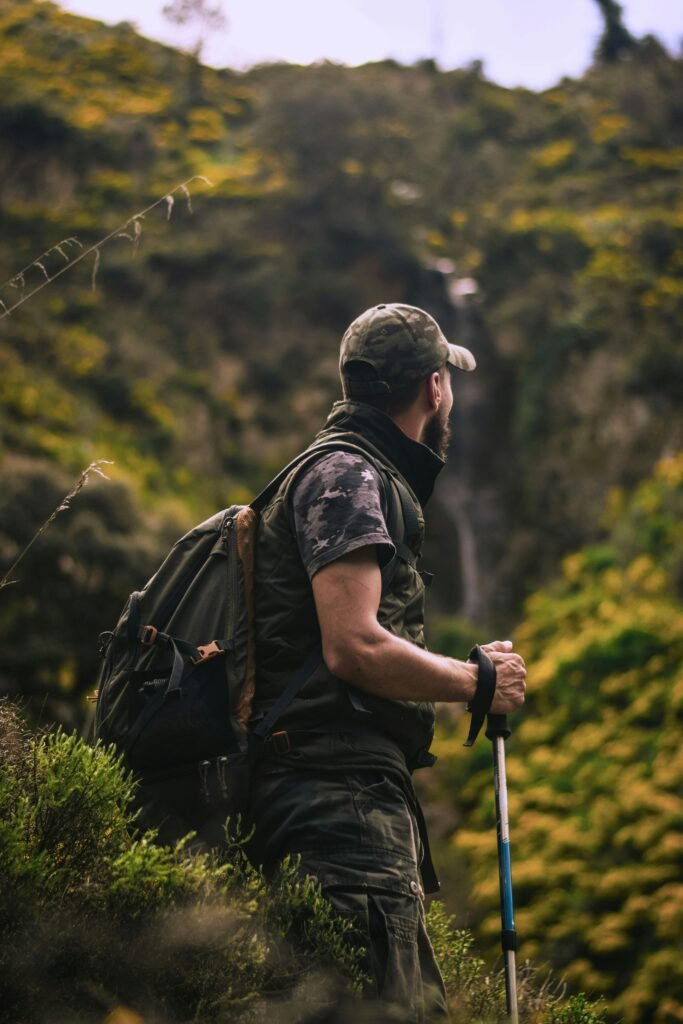
Travelers can practice mindfulness through various activities. Journaling is a powerful method to reflect on daily experiences, capturing thoughts and emotions while taking in the sights and sounds of a new destination. Writing about encounters, challenges, or moments of joy can bring clarity and deepen the appreciation of the journey. Additionally, dedicating time for quiet reflection by journaling can also promote mental well-being.
Photography serves as another means of engaging with the world mindfully. By consciously observing and framing moments through a camera lens, solo travelers can cultivate an appreciation for the beauty and intricacies of their surroundings. This practice not only preserves memories but also encourages one to slow down and notice details that might otherwise be overlooked. Each photo taken embodies a unique memory and narrative of one’s solo journey.
Meditation is yet another avenue for enhancing mindfulness while traveling alone. Taking a few moments each day to focus on breath or engage in guided meditations can foster a sense of calm and centeredness. Whether practiced in a serene park or within the comfort of one’s lodging, meditation helps to clear the mind and promote a positive mindset, making for a richer travel experience.
Ultimately, embracing mindfulness allows solo travelers to savor experiences without the distractions of everyday life, leading to greater personal enrichment and an empowered approach to exploration. By engaging in these practices, one can transform the solitary journey into a profound opportunity for growth and connection with the self.
Embrace the Freedom of Solo Travel
As we conclude this comprehensive guide on solo travel, it is essential to recognize and embrace the multifaceted nature of this experience. Traveling alone not only offers the freedom to embark on adventures at your own pace but also serves as a transformative journey towards personal growth, self-discovery, and a deeper understanding of the world around you. Conquering the challenges of solo travel can indeed bolster your confidence and enrich your life in ways you may not have imagined.
Throughout this guide, key principles of safety, confidence, and enjoyment have emerged as paramount. Prioritizing safety allows you to explore new environments without trepidation, empowering you to make informed choices that enhance your travel experience. Establishing a sense of confidence can be achieved through thorough preparation, fostering a mindset open to new experiences, and an understanding of cultural nuances, which collectively contribute to more enjoyable travels.
Moreover, enjoyment in solo travel often stems from actively engaging with your surroundings and connecting with fellow travelers. Whether through local cuisine, arts, or cultural experiences, the potential for forming meaningful relationships is abundant. By sharing your travel experience, you not only create lasting memories but also inspire others to embrace the concept of solo travel, building a vibrant community of like-minded explorers.
We encourage you to take the plunge and embark on your own solo travel journey, cultivating the independence that comes with it. Engage with your unique adventures, document your memories, and share your insights. As you navigate the joys and challenges of solo exploration, remember that your experiences can motivate other individuals to step beyond their comfort zones. Harness this opportunity not just for personal growth, but to contribute to a wider narrative of empowerment in the solo travel community.