
The Ultimate Guide to Traveling India by Train
Introduction to Train Travel in India
Traveling by train in India offers a unique and vibrant experience, connecting travelers not just to various destinations but also to the heart of Indian culture. The Indian Railways boasts one of the largest railway networks in the world, spanning over 67,000 kilometers and comprising more than 7,000 stations. This extensive network positions train travel as a crucial component of transportation across the diverse landscapes of the country, catering to millions of passengers daily. From the bustling metropolises of Mumbai and Delhi to the tranquil cities of Varanasi and Udaipur, trains make it easy to traverse the nation’s vast geography.
The cultural significance of trains in India cannot be overstated. Rail journeys provide travelers with the opportunity to interact with locals, indulge in regional cuisine offered by onboard vendors, and witness the stunning vistas that unfold outside the window. Each train ride offers a window into the everyday lives of the people, showcasing everything from rural scenes to cityscapes, making train travel a visual and cultural experience. In addition, trains in India range from luxury options, such as the Palace on Wheels, to budget-friendly alternatives, ensuring there is something for everyone.
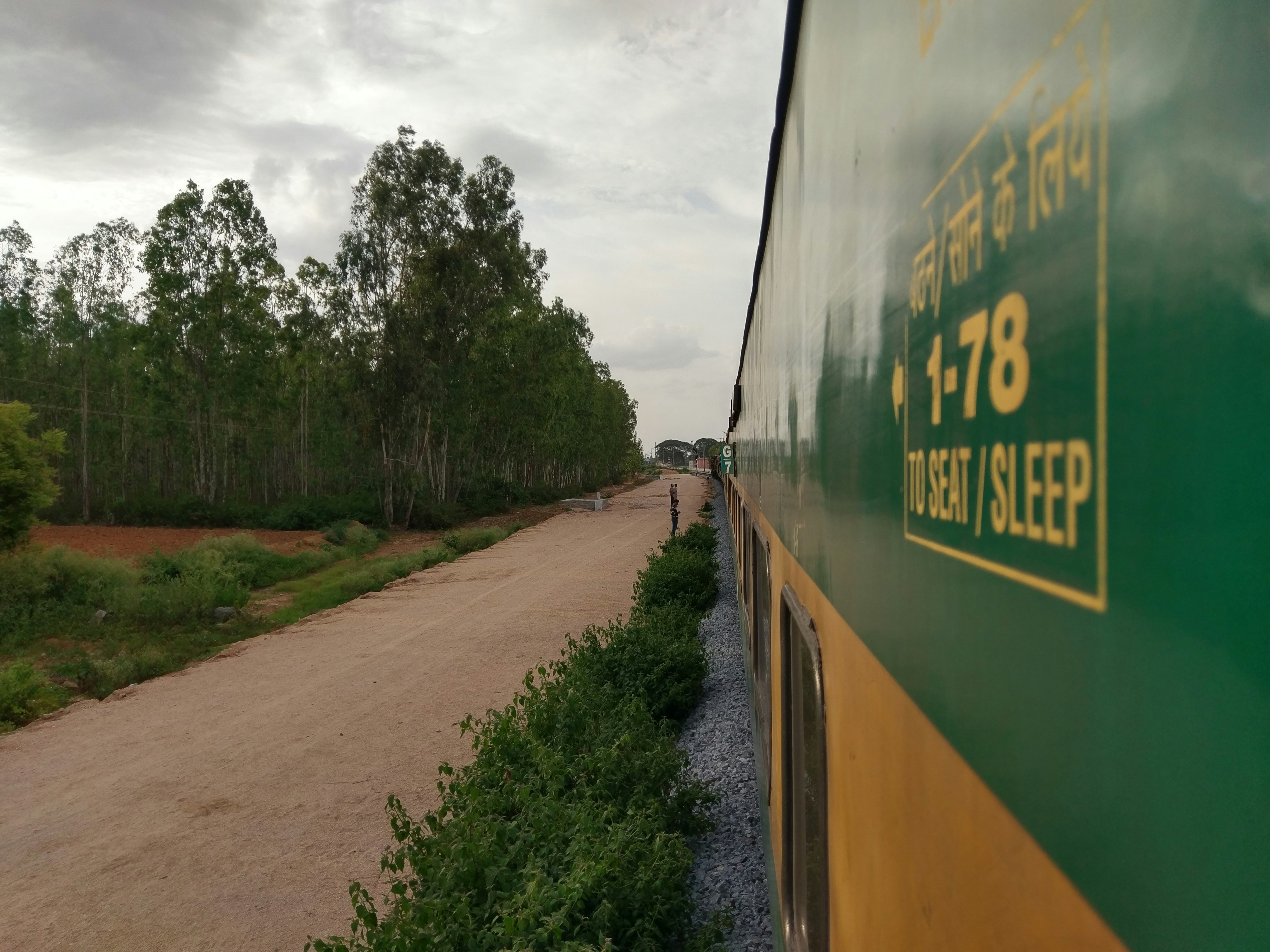
One of the standout features of Indian train travel is the sense of adventure it imparts. The rhythmic motion of the train coupled with the scenic views creates a distinct ambiance that cannot be replicated. Additionally, travelers can enjoy various classes of travel, from air-conditioned sleepers to chair cars, accommodating different preferences and budgets. The convenience of booking tickets online further enhances the experience, as travelers can plan their journeys with ease. This guide aims to delve deeper into the many facets of traveling by train in India, providing insights and tips for a memorable journey across this incredible nation.
Understanding Train Classes and Ticket Options
Traveling by train in India offers a unique experience that varies significantly based on the class of service chosen. Indian Railways provides several train classes, each designed to cater to different budgets and preferences. The primary classifications include Sleeper Class, AC Class, and General Class, with each offering distinct features.
Sleeper Class is among the most economical choices for passengers. It provides basic facilities with unreserved and reserved accommodation options, allowing travelers to choose their comfort level. The availability of linens and pillows enhances the experience for overnight journeys, although the ambiance can sometimes be noisy due to the diverse crowd.
AC Class, which stands for Air Conditioned Class, is popular among those seeking a more comfortable environment. Within this category, there are three tiers: 1AC, 2AC, and 3AC. 1AC offers luxurious private cabins with bedding, while 2AC and 3AC include more extensive seating with air conditioning, at varying price points. These options often ensure a quieter environment, ideal for long-distance travel, making them suitable for families or solo travelers alike.
General Class is the most budget-friendly option available. However, it comes with its own set of challenges, including a lack of reserved seating and potentially overcrowded conditions. This class is highly frequented by local commuters and can be a cultural immersion experience for those adventurous enough to try it.
When it comes to ticket options, travelers have the choice between reserved and unreserved tickets. Reserved tickets guarantee specific seats or berths, whereas unreserved tickets require passengers to find available seating upon boarding. It is advisable for travelers to book reserved tickets during peak travel seasons to avoid inconvenience. By carefully considering personal preferences and budget, travelers can select the most suitable class and ticket type, ensuring a memorable journey across India’s vast and diverse landscapes.
How to Book Train Tickets in India
Booking train tickets in India has become a straightforward process, with multiple options available to travelers. The official Indian Railways website is one of the most reliable platforms for securing your train travel plans. To begin, visit IRCTC, the Indian Railway Catering and Tourism Corporation, which offers a user-friendly interface for ticket booking. You will need to create an account to access all functions, including booking, viewing your itinerary, and making cancellations. Once logged in, simply enter your journey details, such as the departure and arrival stations, travel dates, and class of service. The website will display available trains and seats, allowing you to choose according to your preferences.

In addition to the official website, there are mobile applications such as the IRCTC Rail Connect app that provide a convenient alternative for booking on the go. This app covers all functionalities of the website, including e-ticket cancellations, inquiries, and real-time status checks. Alternate platforms such as Cleartrip and MakeMyTrip are also popular for booking train tickets, often providing additional offers and discounts.
It is advisable to book your tickets in advance, especially during peak travel seasons or holidays, as train travel in India can experience high demand. If you find yourself without confirmed seats, Indian Railways offers waitlisted tickets, which allow you to travel if seats become available. However, be aware that these tickets can automatically get canceled if not confirmed before the journey date. Lastly, should plans change, familiarize yourself with the cancellation policies of your chosen booking platform to avoid any inconveniences.
Choosing the Right Train Routes
Traveling across India by train is not merely about reaching a destination; it’s a journey that unfolds a tapestry of diverse landscapes, cultures, and experiences. When selecting train routes in India, it is essential to consider several factors, including travel time, train frequency, and the picturesque views along the way.
For those seeking popular routes, the journey from Delhi to Jaipur is highly recommended. This route is well-frequented, ensuring numerous trains operate daily, which offers flexibility in scheduling. The journey takes approximately 5 hours and provides travelers with a glimpse of the captivating Rajasthani architecture as they approach Jaipur. Similarly, the route from Mumbai to Goa presents a scenic voyage along the Western Ghats, with lush greenery and breathtaking coastal views. This journey is not only about reaching Goa but also about enjoying the beauty of the landscape that unfolds during the travel.
For those interested in lesser-known journeys, consider the train route from Jaisalmer to Jodhpur. This stretch takes travelers through the heart of the Thar Desert, offering unique vistas of sand dunes and rural Rajasthan. Additionally, the train between Varanasi and Bodh Gaya provides a deeply cultural experience; travelers can immerse themselves in the spiritual significance of these destinations. Planning routes based on destination highlights can enhance your travel experience tremendously, allowing for the discovery of local traditions and communities.
When determining train routes, it is also worthwhile to check the schedule and frequency of trains. While some routes are well-serviced, others may have limited options. Utilizing resources such as online train schedules can assist in mapping out your journey effectively. By considering all these factors and integrating them thoughtfully into your travel plans, selecting the right train routes in India can lead to memorable experiences enriched with scenic beauty and cultural immersion.
Safety Tips for Train Travel in India
Traveling by train in India can be a rewarding experience, but it also requires careful attention to safety. To ensure a secure journey, travelers must take proactive measures throughout their trip. One of the primary considerations is the security of belongings. Keeping personal items, such as wallets, mobile phones, and bags, in close proximity and securely fastened is crucial. Travelers should consider using bags that can be locked and keep their valuables out of sight to deter potential thieves.

When it comes to boarding and disembarking from the train, caution is key. Passengers should stay alert and ready as they approach the train, especially during peak travel times when the platforms can become crowded. It is advisable to wait for the train to come to a complete stop before attempting to board or leave. Upon entering the carriage, identifying your seat promptly can help minimize the time spent on the platform while the train is stationary.
Maintaining situational awareness in crowded environments is essential for safety. Travelers should be attentive to their surroundings and wary of anyone displaying suspicious behavior. It is wise to travel with a companion, if possible, to enhance safety when navigating busy train stations or compartments.
Choosing the right train compartment also plays an integral role in ensuring a safer journey. Opting for air-conditioned coaches can often provide a more secure and comfortable experience, as they are typically less crowded and have reserved seating. Moreover, passengers may consider traveling during daylight hours, when visibility is better, and circumstances may feel less risky compared to nighttime travel.
By implementing these safety tips, travelers can enjoy the vibrant scenery and rich culture of India while ensuring their personal security on the railways.
What to Expect on Your Train Journey
Traveling by train in India offers a unique experience that combines comfort, culture, and breathtaking views. One of the key aspects of your journey will be the on-board amenities provided across various classes of service. In the higher classes, such as AC First Class and AC Sleeper, you will find clean linens, air-conditioning, and even the convenience of attached bathrooms. Conversely, Sleeper Class facilities may be more basic, yet they still provide essential comforts for travelers. Regardless of the class you choose, you can expect the train coaches to be well-maintained, allowing for a pleasant ambiance during your journey.
Food options on Indian trains can be quite diverse, reflecting the rich culinary traditions of the country. Most trains will offer meals that can be pre-ordered while booking your tickets. However, there are also food vendors who board at various stations, providing an opportunity to taste local delicacies, snacks, and beverages. Engaging with these vendors not only enhances your traveling experience but also gives you a taste of regional flavors that you may not have encountered otherwise. It is advisable to keep some cash on hand for such occasions, as many vendors operate on a cash basis.
The train journeys in India are also deeply communal experiences. It is common for travelers to strike up conversations with fellow passengers, sharing stories and travel tips. This interaction can enrich your journey further and forge connections with people from diverse backgrounds. Meanwhile, be sure to keep your camera handy, as many train routes pass through scenic landscapes, offering picturesque views of rural life, mountains, and rivers along the way. Adjusting to the train schedule will be essential, as trains may arrive or depart at odd hours. Familiarizing yourself with the timetable and planned stops will enhance your travel experience, helping you arrive at your destination without unnecessary stress.
First-Timer Mistakes to Avoid
Traveling across India by train is an experience that many cherish, but first-timers often encounter various challenges that can detract from the overall experience. One common mistake is failing to book train tickets in advance. Indian trains can get fully booked, especially during peak travel seasons and holidays. By securing tickets early, travelers can avoid last-minute hassles and ensure they have a guaranteed seat or berth. It is advisable to utilize online booking platforms that allow for early reservations and waitlist options.
Another frequent misstep is underestimating travel times. Train schedules in India can be unpredictable due to various factors such as delays, maintenance work, or weather conditions. First-time travelers should research the average travel duration for their chosen route and consider adding extra time to their itinerary. This adjustment will accommodate unforeseen circumstances and help avoid tight connections or missed attractions once they arrive at their destination.
Neglecting personal safety remains a critical concern for first-time train travelers. It is essential to remain vigilant, particularly in crowded stations and compartments. Keeping valuables close and being aware of one’s surroundings can enhance safety. Additionally, avoiding travel during late night hours may reduce exposure to potential risks. Lastly, not researching the different classes available on Indian trains can lead to discomfort. Each class offers varying levels of comfort and amenities, so understanding these options can help choose the right travel experience based on budget and preferences.

By being proactive about booking in advance, accurately estimating travel times, prioritizing personal safety, and researching train classes, first-time travelers can significantly enhance their journey across India. Taking these measures will contribute to a smoother, more enjoyable experience as they explore this diverse and vibrant country by train.
Cultural Considerations While Traveling by Train
Traveling through India by train is an enriching experience that extends beyond mere transportation. It is a journey deeply woven into the cultural fabric of the country, characterized by a diverse array of fellow travelers and unique social customs. As one embarks on this transit adventure, patience becomes a key virtue. Indian trains often operate on flexible schedules, which can lead to delays. Embracing this aspect fosters a sense of tranquility and allows travelers to relish the moment, engaging with the surrounding environment and those sharing the journey.
The diversity of passengers aboard Indian trains is remarkable, representing various cultures, languages, and backgrounds. These shared spaces create an opportunity for social interactions, where stories and experiences can be exchanged. It is common for passengers to engage in conversations, share meals, or even offer assistance to one another. Such interactions not only enhance the travel experience but also facilitate a deeper understanding of India’s multifaceted societal dynamics. Therefore, one should approach these engagements with an open mind and a respectful demeanor.
Observing proper etiquette while traveling is essential to ensuring a harmonious environment within the confines of the train. Passengers should be mindful of noise levels, keeping conversations at a moderate volume, particularly during nighttime journeys. Additionally, respecting personal space and being considerate of fellow travelers is paramount. When utilizing shared compartments, keeping personal belongings organized and adhering to cleanliness contributes to a more pleasant atmosphere for all. Embracing local customs, such as polite greetings or sharing light snacks, allows travelers to connect on a more personal level and appreciate the cultural richness of India.
Conclusion: Embracing the Journey
In this guide, we have explored the multifaceted experience of traveling across India by train. With a vast network connecting major cities and rural areas alike, the Indian railway system offers a unique glimpse into the diverse cultural tapestry of the nation. Whether you are journeying through the majestic landscapes of the Himalayas, the serene backwaters of Kerala, or the bustling streets of Mumbai, train travel allows for an immersive experience unlike any other.
We have discussed essential tips for choosing the right class of travel, booking tickets well in advance, and understanding the importance of local etiquette on board. Acknowledging local customs and traditions not only enhances the travel experience but also fosters a deeper connection with fellow passengers and the regions visited. The onboard food options, vibrant interactions with locals, and the breathtaking views from the window all contribute to the rich narrative of train journeys in India.
Embracing the joys of traveling by train means appreciating the unexpected and savoring the moments in between destinations. It encourages travelers to engage with the beauty of the landscapes and the stories of the people they encounter along the way. As trains chug through the countryside, they offer a slow-paced alternative to modern travel that invites reflection and discovery.
As you prepare for your own adventure across India, take the time to plan your itinerary, considering the scenic routes and unique experiences each journey offers. Embrace the opportunity to immerse yourself in the vibrant culture, varied cuisines, and the warm hospitality of the Indian people. By choosing to travel by train, you not only embark on a journey through stunning landscapes, but you also become part of a larger narrative that stretches across the diverse fabric of India.