
The Ultimate Packing Guide for India: Essentials and Tips
Introduction to Packing for India
Packing for a journey to India requires thoughtful preparation, as the country’s diverse climates and rich cultural landscape pose unique challenges and opportunities for travelers. The purpose of this packing guide is to equip you with essential tips and insights to ensure that your experience in India is both enjoyable and comfortable. With its various terrains—from the frosty mountains of the Himalayas to the balmy beaches of Goa—India presents an array of weather conditions that necessitate astute packing decisions.
Moreover, the cultural richness of India means that understanding local customs and traditions can significantly enhance one’s travel experience. For instance, modest attire is often encouraged in many regions, especially in religious sites. Therefore, it is vital to consider culturally appropriate clothing that not only respects local sensibilities but also caters to the varying climates across the country. Packing versatile garments that can be layered is a practical approach, allowing travelers to adapt to different settings and temperatures.
Additionally, logistical factors such as transportation modes and accommodation types can further influence your packing choices. India offers a range of travel options—from trains and buses to rickshaws and flights—each of which may require different gear and essentials. Considering what items to carry on your person during long journeys, as well as packing lighter for easier mobility, can contribute to a smoother travel experience.
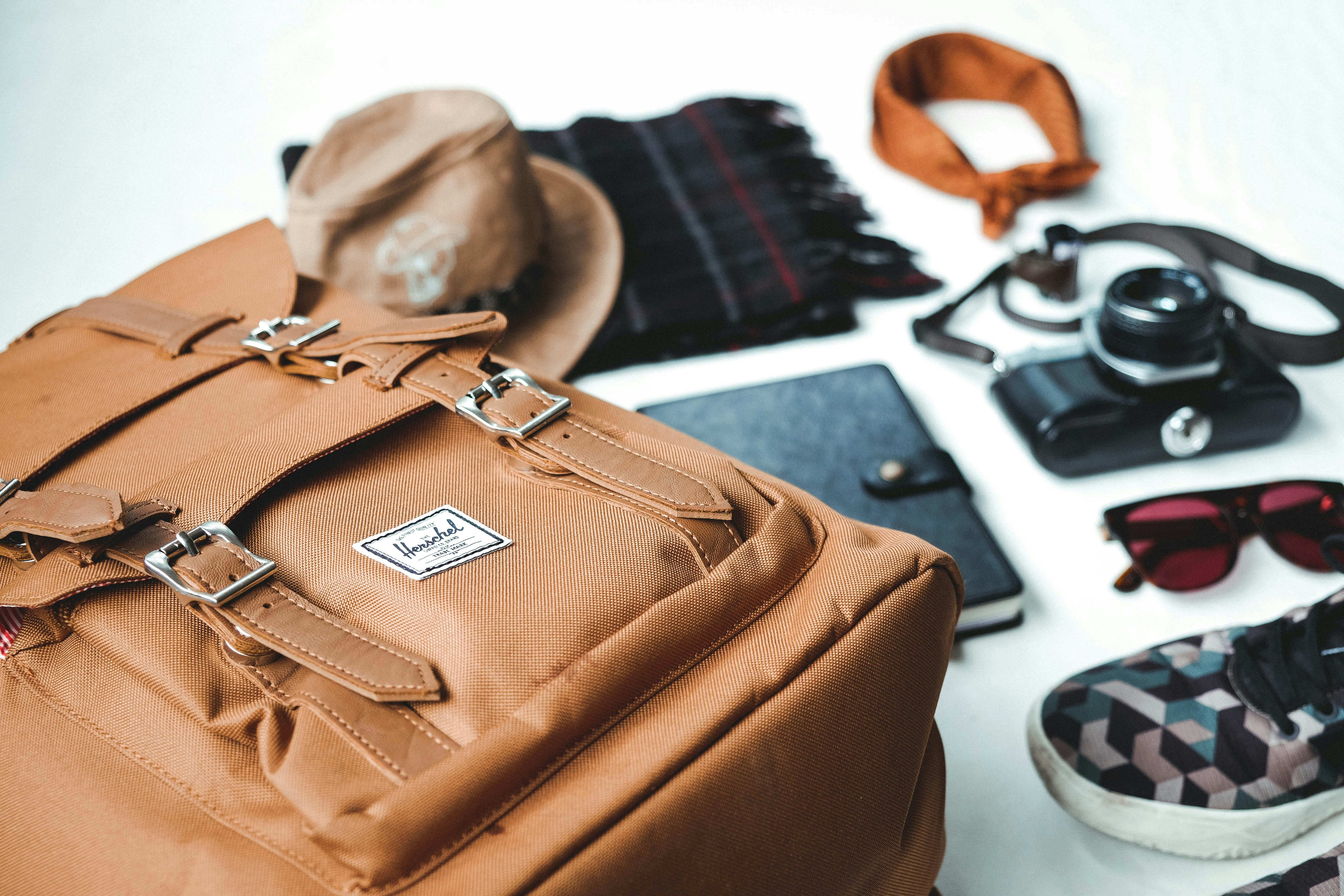
In conclusion, being adequately prepared for your travels in India not only involves packing the right clothing but also understanding the cultural nuances and logistical aspects of your journey. By embracing these considerations, you enhance your ability to enjoy and immerse yourself in the vibrant tapestry that is India.
Essential Clothing for India’s Climate
When preparing for a trip to India, understanding the diverse climate zones is crucial for effective packing. India encompasses a wide range of weather conditions, from the tropical climate in the south to the cooler, mountainous regions in the north. Proper clothing choices are essential to ensure comfort throughout your journey.
For the southern parts of India, where the weather is typically hot and humid, it is recommended to pack lightweight and breathable fabrics. Natural fibers such as cotton and linen are ideal, as they allow for better air circulation and help in keeping cool. Loose-fitting clothing not only provides comfort but also accommodates the high temperatures experienced during the day. Additionally, consider packing light shawls or scarves to protect yourself from the sun, as well as for occasional visits to religious sites where modesty is required.
When traveling to central and northern regions, especially during the cooler months, layering becomes essential. Packing long-sleeved shirts, lightweight jackets, and warmer layers will prepare you for fluctuating temperatures. Fleece or thermals can give you that extra warmth in colder areas, especially if you plan to visit hill stations or the Himalayas.
Footwear is another important aspect to consider. Comfortable walking shoes or sandals are recommended for navigating bustling markets, historical sites, and uneven terrains. If you plan on engaging in outdoor activities, sturdy shoes or hiking boots are advisable. It may also be beneficial to bring along flip-flops or water shoes for casual wear or beach outings.
Considering the climate and cultural norms, packing appropriately can enhance your travel experience. For quality options, be sure to check affiliate links to reputable clothing brands that offer suitable attire for your journey. By taking these factors into account, travelers can navigate India’s varied climates with ease and comfort.
Electronics to Pack for Your Trip
When preparing for a trip to India, selecting the right electronics is crucial for ensuring a smooth and enjoyable experience. Among the most essential devices to consider bringing are smartphones, which not only serve as communication tools but also provide access to travel apps, maps, and local information. In a country as vibrant and diverse as India, a reliable smartphone can be invaluable for navigating cities and staying connected.
In addition to smartphones, travelers should consider packing a camera. India’s stunning landscapes, rich cultural heritage, and colorful festivals present numerous photography opportunities. A good quality camera, whether it’s a digital single-lens reflex (DSLR) or a compact mirrorless model, will enable you to capture beautiful moments throughout your travels. For those who prioritize convenience, even a high-quality smartphone camera can suffice, depending on personal preferences.
Portable power sources, such as power banks, are also essential for keeping your devices charged while on the go. An efficient power bank ensures that your smartphone and cameras remain operational during long travel days or when exploring remote areas where charging opportunities may be limited. It is advisable to opt for a power bank with sufficient capacity to accommodate multiple charges, which can be particularly useful during extensive outings.
Furthermore, it is essential to be aware of India’s specific electrical standards. Travelers will need to pack appropriate adapters and voltage converters to ensure that their electronics can be used safely. India’s electricity supply operates on a voltage of 230V and 50Hz, and plug types C, D, and M are commonly used. By preparing these adapters beforehand, travelers can avoid potential issues when trying to charge their electronics at hotels or other locations.
Lastly, given that India can be bustling and crowded, securing your electronics becomes paramount. Using anti-theft bags and ensuring that all devices are monitored when in public spaces can significantly reduce the risk of loss or theft.
Must-Have Travel Accessories
When preparing for a trip to India, the selection of the right travel accessories can significantly enhance the comfort and organization of your journey. Among the essential items, travel organizers stand out for their ability to keep your belongings neatly arranged. These organizers can help you categorize clothing, toiletries, and documents, ensuring that everything is easily accessible, thereby saving you time during your travels.
Investing in a quality neck pillow is also advisable for those long hours on the road or in the air. A good neck pillow provides essential support, helping to alleviate discomfort and fatigue, allowing you to arrive at your destination feeling more refreshed. Look for features such as memory foam or adjustable designs to cater to your personal comfort preferences.
Staying hydrated is crucial, especially in India’s varied climate. Reusable water bottles not only support your hydration needs but also contribute to reducing plastic waste. Opt for insulated bottles that keep your drinks cold or hot, depending on your preference. Many modern designs also come with built-in filters, ensuring you have access to safe drinking water throughout your travels.


Finally, a packable backpack can serve as one of the most versatile accessories. Ideal for day trips or beach outings, a lightweight, foldable backpack can easily fit into your luggage. When not in use, these packs can be compressed into a compact size, making them a convenient option for travelers with limited packing space. With multiple compartments, they are perfect for organizing essentials while providing easy access.
These travel accessories are designed to enhance your experience, making your trip to India more comfortable and organized. By carefully selecting the right items, you can focus more on enjoying your adventure and less on the logistics of travel.
Health and Safety Items to Include
Traveling in India can be an exhilarating experience, offering a rich tapestry of culture, history, and natural beauty. However, precautionary measures must be taken to ensure one’s health and safety throughout the journey. One of the most critical items to pack is a comprehensive first aid kit. This kit should include essentials such as antiseptics, bandaids, gauze, and pain relief medication. Having basic medical supplies on hand can make a significant difference in addressing minor injuries and discomfort promptly.
In addition to a first aid kit, it is wise to carry personal medications, particularly those required for chronic conditions. It is advisable to bring a sufficient supply of these medications, as sourcing them locally may not be feasible. Furthermore, travelers are often at risk of insect-borne diseases; thus, an effective insect repellent containing DEET or other proven ingredients is essential. Apply this repellent before heading outdoors, especially in areas known for mosquitoes and other pests.
Water safety is another important consideration when packing for a trip to India. Contaminated water sources are prevalent, so travelers should invest in portable water purification options, such as purification tablets or a quality water filter. These tools can help ensure access to safe drinking water, helping to avoid gastrointestinal issues often associated with travel in the region.
In addition to these health items, it is vital to practice safe eating habits. Opting for freshly cooked foods and avoiding street food can minimize the risk of foodborne illnesses. Staying hydrated is equally important; drinking plenty of bottled or purified water will contribute to maintaining health during the travels. By incorporating these health and safety items into your packing list, you can embark on your journey through India with confidence and peace of mind.
Documents and Travel Essentials
When planning a trip to India, having the appropriate travel documents is paramount. The first step is ensuring that you possess a valid passport. Verify that your passport has at least six months of validity remaining from your intended departure date. In addition to your passport, travelers typically require a visa to enter India. Depending on the purpose of your visit—whether for tourism, business, or medical purposes—different visa types may be applicable. It is essential to apply for your visa ahead of time and check for any specific entry requirements related to COVID-19 or other regulations that may be in place.
Another critical aspect of your travel preparations should include obtaining travel insurance. This not only covers unforeseen medical expenses but also provides support in case of trip cancellations or lost luggage. Make sure to print out your insurance policy documents and keep them in a secure location, ideally within your travel wallet.
Preparedness extends beyond mere paperwork; it’s advisable to create a list of local emergency contacts. This can include the contact details of your country’s embassy or consulate in India, as well as local emergency numbers, such as those for hospitals or police services. Storing these details in an easily accessible part of your travel documents will prove invaluable should an urgent situation arise.
To help you seamlessly organize all important paperwork, consider using travel wallets or document organizers. These tools not only keep your documents secure but also allow you to quickly locate essential items when needed. A well-organized travel wallet can separate your passport, visa, insurance information, and other crucial documents, reducing stress during your travels. Proper attention to these details ensures that you can enjoy your journey through India without worrying about lost or inaccessible documents.
Cultural Considerations for Packing
Packing for a trip to India requires an understanding of the rich and diverse cultural norms that characterize the subcontinent. Cultural sensitivity is vital, especially regarding attire and behaviors in different settings. For example, when visiting religious sites such as temples or mosques, modest dress is not just recommended but is often a requirement. Travelers should consider wearing clothing that covers the shoulders and knees; women might find long skirts or loose-fitting pants and blouses appropriate, while men should avoid shorts and tank tops. This adherence to modesty not only shows respect but also enhances the travel experience by allowing a better connection with local practices.
In rural areas, the expectations can be even more traditional. Simple attire that is practical and unassuming helps travelers integrate better with local communities. Lightweight, breathable fabrics are ideal given India’s warm climate, and opting for natural colors might be preferable to bright, flashy attire that could draw attention. It’s advisable to avoid clothing with offensive graphics or slogans that may not be well-received.
Moreover, accessories such as scarves or shawls can serve dual purposes: they can protect against the sun and act as a means of respecting local customs when entering sacred spaces. Footwear also plays a role; travelers should consider shoes that are easy to remove, as it is common to do so before entering homes and places of worship.
Understanding and respecting local customs is key to navigating interactions while traveling in India. Listening to locals, engaging in traditional greetings, and being mindful of personal space can foster positive exchanges. Overall, utilizing thoughtful packing strategies that align with cultural norms will enrich the travel experience significantly.
Tech Tips: Staying Connected While Traveling
Traveling in India can be an enriching experience, but staying connected is essential for both safety and convenience. One of the first things travelers should consider is acquiring a local SIM card. Several telecom providers offer prepaid SIM options, allowing visitors to access affordable data plans. Airtel and Jio are popular choices, with extensive coverage across urban and rural areas. To purchase a SIM card, travelers need to provide a copy of their passport, visa, and a passport-sized photograph, making it crucial to keep these documents readily available.
Wi-Fi availability is relatively widespread in India, particularly in major cities and tourist destinations. Hotels, cafes, and restaurants often provide free Wi-Fi, although network speeds can vary significantly. While enjoying a meal or a cup of coffee, taking advantage of these amenities can help travelers stay connected without incurring high data costs. It is advisable to use a Virtual Private Network (VPN) when accessing public Wi-Fi networks to enhance online security and protect sensitive information.
For navigation and communication, various applications can greatly assist travelers. Google Maps stands out as an essential tool for finding directions and nearby attractions. Downloading offline maps prior to traveling can prevent unnecessary data usage in areas with low connectivity. For communication, apps such as WhatsApp and Viber allow users to send messages and make calls over Wi-Fi or mobile data, making it easier to stay in touch with friends and family back home.
To ensure a seamless experience, it is vital to check device compatibility with local networks. Most smartphones should work without issue, but travelers using dual SIM phones should ensure that the secondary SIM slot supports 4G/LTE. By planning ahead and utilizing the right tech tools, travelers can navigate India with ease while remaining connected to the world.
Final Packing Tips and Tricks
As your journey to India approaches, ensuring you are well-prepared is crucial for a smooth experience. One of the most vital final packing tips is to check the weather forecast for your intended destinations in India. The weather can vary significantly across regions and seasons. Being aware of climate conditions will assist in selecting suitable clothing and accessories, making your packing process more efficient and targeted.

Creating a personal checklist is another essential step that can streamline your packing. A checklist allows you to keep track of items you have already packed and helps prevent you from forgetting important essentials. Consider categorizing items, such as clothing, toiletries, and electronics. This organized approach not only enhances efficiency but also helps alleviate packing anxiety, ensuring you leave your home with everything you need.
When it comes to packing clothes, rolling them instead of folding can save valuable space in your luggage. Rolling minimizes creases and enhances the organization, making it easier to fit more items into your suitcase. Additionally, this method allows you to quickly view your clothes and identify what you want to wear without uprooting your entire bag.
Using packing cubes is another effective packing strategy. These small, fabric containers can compartmentalize your belongings, making it easier to find specific items when needed. Packing cubes also promote better organization within your suitcase, as each cube can be designated for a particular type of clothing or accessory. By utilizing these cubes, you can maximize space and maintain a clutter-free packing experience.
In conclusion, adopting these final packing tips, such as checking the weather, creating a checklist, rolling clothes, and using packing cubes, can greatly enhance your travel experience. These strategies ensure that you are prepared, organized, and ready to enjoy your adventure in India with ease.