
Top 10 Hidden Gems in Asia 2025: Off-the-Beaten-Path Destinations
Introduction: The Allure of Hidden Gems in Asia
The concept of hidden gems in Asia encompasses a diverse array of destinations that, while lesser-known, possess unique charm and cultural significance. These locations often offer an authentic glimpse into the local way of life, distinct from the bustle of conventional tourist spots. As travelers become increasingly adventurous, the allure of discovering off-the-beaten-path destinations has grown, particularly in the context of travel trends for 2025.
In recent years, there has been a noticeable shift towards offbeat travel experiences, where individuals seek authenticity and novelty over familiar landmarks. This approach is marked by a desire to forge deeper connections with the places visited, embracing local customs, and exploring unspoiled landscapes. Travelers are finding joy in unearthing secluded beaches, quiet temples, and charming villages that tell rich stories of heritage without the interference of mass tourism.
The demand for unique experiences has led many to rethink their travel plans and seek out locations that may not yet be overwhelmed by visitors. This growing trend is evident in the increasing number of travel blogs, forums, and social media platforms highlighting hidden gems across Asia. These sites serve as invaluable resources for those yearning to discover breathtaking scenery and cultural richness, often leading to a more personalized and fulfilling travel experience.
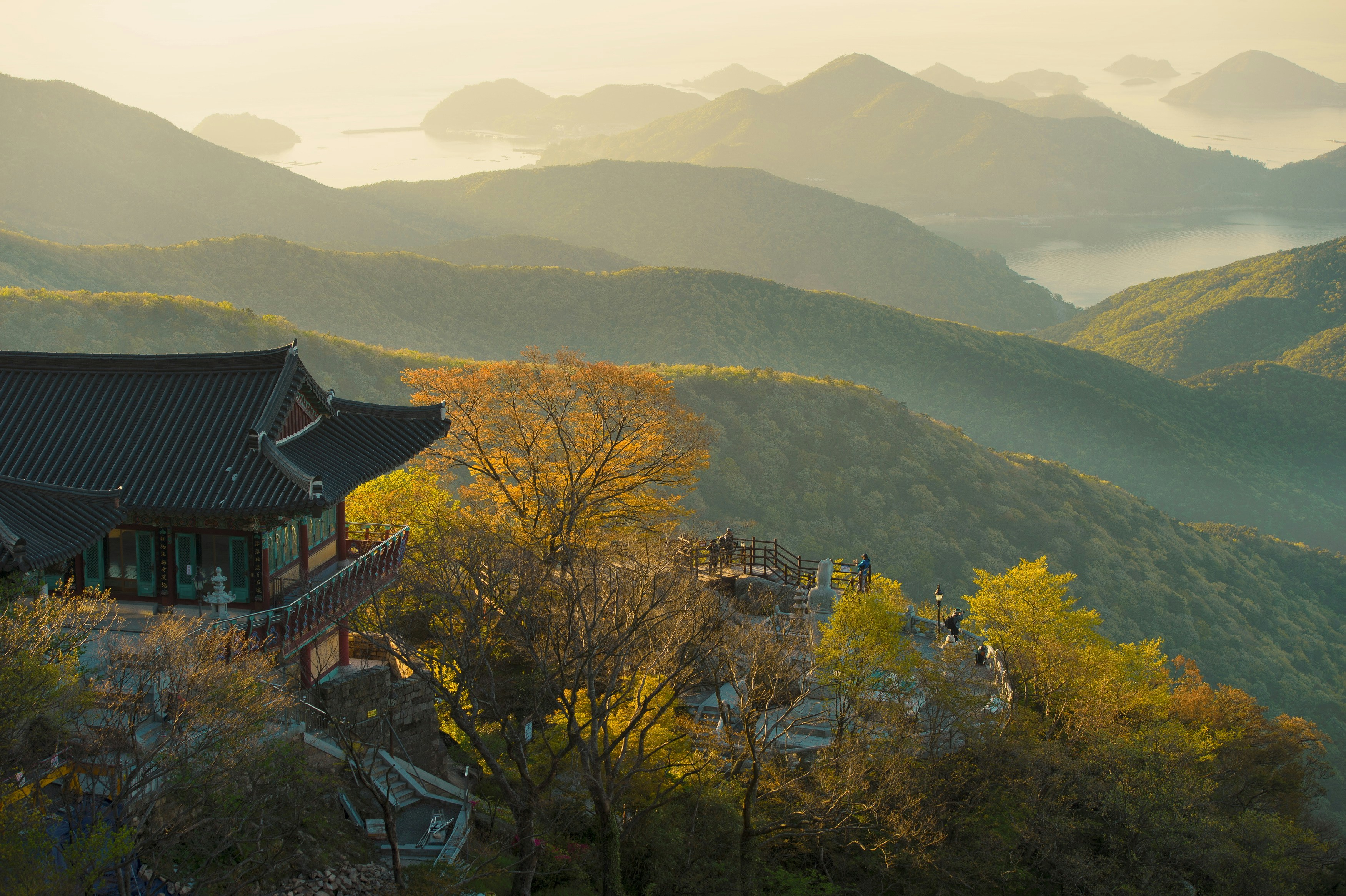
As we progress into 2025, the desire for sustainable and meaningful travel experiences is expected to shape the choices of travelers. Hidden gems present an opportunity to connect with Asia beyond its well-known attractions, offering the chance to immerse oneself in diverse cultures and stunning natural beauty—making these enchanting locations well worth exploring.
Tangkuban Perahu, Indonesia
Nestled in the lush landscapes of West Java, Tangkuban Perahu is a spectacular stratovolcano renowned for its stunning crater and unique geological features. The name translates to “upturned boat,” a nod to its distinctive shape that resembles an inverted vessel. Visitors to Tangkuban Perahu are treated to breathtaking views of the expansive crater, which is filled with sulfuric hot springs that emit otherworldly steam. The volcano’s last major eruption occurred in 1969, yet it remains an accessible and safe destination for travelers seeking a glimpse of Indonesia’s natural beauty.
Reaching Tangkuban Perahu is quite straightforward. The most common route is via Bandung, located approximately 30 kilometers away. Public transport options such as angkot (local minivans) and taxis are readily available and offer a convenient means of transportation. Alternatively, visitors renting a vehicle can take the scenic Lembang route, which enhances the travel experience with picturesque views of the surrounding countryside. The best time to visit Tangkuban Perahu is during the dry season, from May to September, when the weather is pleasantly mild and visibility is at its peak.
A visit to Tangkuban Perahu offers not only a feast for the eyes but also a rich tapestry of cultural experiences. The area is famed for its traditional Sundanese cuisine, featuring dishes like nasi timbel (rice wrapped in banana leaves) and grilled chicken marinated in fragrant spices. After enjoying a local meal, tourists can immerse themselves in the vibrant culture through performances showcasing Sundanese music and dance. These cultural exhibitions often occur in nearby villages, providing a comprehensive and enriching experience that complements the stunning natural backdrop of Tangkuban Perahu.
Sapa, Vietnam
Sapa, nestled in the northern highlands of Vietnam, is celebrated for its stunning rice terraces and breathtaking mountain views. This picturesque town provides a perfect retreat for travelers seeking to immerse themselves in nature, while also engaging with the rich cultural tapestry of local ethnic minorities. The terraced fields, outlined against the backdrop of the majestic Hoang Lien Son mountain range, offer an awe-inspiring sight that captivates visitors year-round.
Reaching Sapa from Hanoi is relatively straightforward. Travelers have the option of taking a sleeper train or a bus, both of which provide a scenic journey. The sleeper train, departing from Hanoi’s historic railway station, is a popular choice that takes around eight hours, offering comfortable accommodations. Alternatively, the bus journey is slightly shorter, taking about five to six hours, and allows for more flexibility in departure times. Regardless of the mode of transportation chosen, both routes unveil the lush landscapes of northern Vietnam.



The best time to explore Sapa is during the dry months from September to November or March to May; these periods typically boast clearer skies and more stable weather conditions, enhancing the experience of trekking and sightseeing. During these months, the rice terraces are vibrant green, and the views from various trekking routes are particularly striking, making it an ideal time to visit this hidden gem.
Culturally, Sapa is a melting pot of ethnic minority groups, including the Hmong, Dao, and Tay peoples. Visitors can engage in authentic cultural experiences by visiting traditional markets, where local handicrafts, textiles, and produce are showcased. Trekking through the surrounding villages not only allows travelers to enjoy the natural beauty of the area but also provides opportunities to learn about the customs and lifestyles of these communities, enriching the overall travel experience.
Hpa-An, Myanmar
Nestled amid the stunning limestone mountains of Myanmar, Hpa-An is a lesser-known gem that captivates visitors with its serene beauty and rich cultural heritage. The town serves as a gateway to a variety of natural wonders, including picturesque caves and lush landscapes, making it an ideal destination for travelers seeking tranquility away from the bustling cities.
To reach Hpa-An from Yangon, one can opt for a bus or train, both offering scenic views that showcase the changing landscapes of Myanmar. Buses depart regularly from Yangon, with the trip taking approximately 7 to 8 hours. Alternatively, taking the train is a unique experience, allowing you to enjoy the vibrant scenery at a leisurely pace as it takes around 10 to 12 hours. For a more adventurous option, a domestic flight to Kayin State followed by a taxi ride can reduce travel time significantly.
The best time to visit Hpa-An is during the dry season, from November to March, when the weather is cool and pleasant. This period allows for optimal exploration of the area’s outdoor attractions, including hikes to the iconic Mount Zwegabin and excursions to the nearby limestone caves, such as Sadan Cave and Kawthung Cave, where stunning stalactites and local flora can be admired.
The cultural richness of Hpa-An adds to its allure. Visitors can immerse themselves in the local way of life by visiting several monasteries, where one can observe monks going about their daily routines. Additionally, a boat ride along the Thanlwin River provides a unique perspective of the surroundings, showcasing the beauty of both the waterway and the towering karst formations that flank the area.
Overall, Hpa-An is a destination that beautifully blends nature and culture, making it a must-visit on any journey through Myanmar.
Kota Kinabalu, Malaysia
Kota Kinabalu, the splendid capital of the Malaysian state of Sabah, is a hidden gem that artfully blends breathtaking natural landscapes with rich cultural diversity. Nestled at the tip of Borneo, this vibrant city is known for its stunning beaches, most notably Tanjung Aru Beach, where soft sands meet the azure waters of the South China Sea. The iconic silhouette of Mount Kinabalu looms majestically over the city, attracting adventurers and nature enthusiasts eager to engage in hiking or simply enjoy the spectacular scenery.



For travelers venturing from Kuala Lumpur, reaching Kota Kinabalu is relatively straightforward. Direct flights connect the two cities, making the journey approximately 2.5 hours long. This accessibility allows visitors to plan their trips with ease. The best time to explore Kota Kinabalu is during the dry season, which typically spans from March to October, providing optimal weather conditions for outdoor activities such as hiking, diving, and beach relaxation.
In addition to its natural allure, Kota Kinabalu offers rich cultural experiences. The local seafood market is a must-visit, where fresh catch is displayed daily, allowing both locals and tourists to indulge in the region’s culinary treasures. Here, visitors can enjoy a variety of seafood delicacies while engaging with the vibrant marketplace atmosphere. Furthermore, Kota Kinabalu serves as a melting pot of indigenous cultures, particularly the Kadazan-Dusun people. Interactions with the locals provide insights into traditional customs, music, and the unique lifestyle of the indigenous communities that add to the city’s cultural tapestry.
Gjirokastër, Albania
Gjirokastër, a UNESCO World Heritage site, is a remarkable destination in Albania known for its well-preserved Ottoman architecture and rich cultural heritage. Nestled in the Drino Valley, this charming city is often overlooked by travelers in favor of more popular European destinations. However, its cobblestone streets, stone houses with distinctive grey roofs, and fascinating history make it a hidden gem waiting to be explored.
The best way to reach Gjirokastër from Tirana is by car, taking approximately three hours. The route includes stunning views of Albania’s lush landscapes, and travelers can also opt for a bus service, which is a budget-friendly choice. Whether you travel by car or bus, the journey offers glimpses of the countryside, dotted with charming villages and local farms.
When visiting Gjirokastër, the ideal seasons are spring (April to June) and autumn (September to October) when the weather is mild and the tourist crowds are thinner. During these times, visitors can engage in various cultural experiences that enrich their understanding of Albanian heritage. One must-try experience is indulging in the local cuisine, which features dishes such as “qofte” (meatballs) and “byrek” (savory pastry) along with the renowned “raki” (grape brandy), often produced in small local distilleries.
Additionally, Gjirokastër hosts several traditional music festivals throughout the year, showcasing its vibrant cultural scene. The city is famous for its traditional folk music, which has been passed down through generations. Visiting during one of these festivals allows travelers to experience the enchanting rhythms and melodies that characterize Albanian culture, making Gjirokastër not just a destination, but a memorable journey into the heart of Albanian traditions.
Kanchanaburi, Thailand
Kanchanaburi, located in western Thailand, is a treasure trove of rich history and stunning natural landscapes. This charming province is best known for the River Kwai, which is not only picturesque but also harbors significant historical importance. The infamous Bridge over the River Kwai, built by prisoners during World War II, serves as a poignant reminder of the past. Visitors can explore various memorials and museums dedicated to this era, such as the Thailand-Burma Railway Centre, which provides insight into the harsh conditions endured during the railway’s construction.

In addition to its historical allure, Kanchanaburi offers breathtaking natural beauty, especially at Erawan National Park. Home to the stunning Erawan Falls, the park features a series of emerald green ponds that cascade through lush rainforest. It is an ideal spot for nature lovers and those seeking adventure, as the area provides opportunities for hiking, swimming, and exploring wildlife. The best time to visit Kanchanaburi is during the cooler, dry season from November to February, ensuring comfortable temperatures for outdoor activities.
Traveling to Kanchanaburi from Bangkok is relatively simple, with options including bus services, which typically take around two to three hours, or private taxi for a more personalized experience. Once in Kanchanaburi, visitors can indulge in local cuisine, which features captivating flavors. Dishes such as “Khao Soi” (coconut curry noodle soup) and grilled river fish are popular choices and reflect the region’s culinary heritage.
Understanding the local culture is vital for an enriching experience; thus, participating in traditional celebrations or visiting local markets can provide insights into the community’s lifestyle. Overall, Kanchanaburi is a remarkable destination that seamlessly combines history, culture, and nature, making it an essential stop for travelers seeking hidden gems in Asia.
Sikkim, India
Nestled in the northeastern region of India, Sikkim is renowned for its breathtaking landscapes and rich biodiversity. A small yet captivating state, it offers stunning views of the Himalayas, including the majestic Kanchenjunga, the third highest mountain in the world. The region boasts a variety of ecosystems ranging from lush subtropical forests to alpine meadows, making it an ideal location for nature enthusiasts and adventure seekers.
Traveling to Sikkim is relatively straightforward, starting from Kolkata. The most efficient route is to take a flight from Kolkata to Bagdogra Airport, which serves as the gateway to Sikkim. From Bagdogra, you can opt for a scenic drive to Gangtok, the capital city of Sikkim, which takes approximately four hours. Alternatively, you may choose to travel by train to New Jalpaiguri, followed by a road transfer to Gangtok. This journey showcases the stunning landscapes of West Bengal and ultimately leads you into the enchanting hills of Sikkim.
The best times to visit Sikkim are during the spring (March to June) and autumn (September to November) months. These seasons offer pleasant weather, allowing travelers to explore the beauty of the region comfortably. Spring is particularly popular for witnessing vibrant rhododendron blooms, while autumn offers clear skies perfect for mountain views.
Sikkim is rich in cultural elements that enhance its allure. The state is dotted with ancient monasteries such as the Rumtek Monastery and Pemayangtse Monastery, which are key sites for Buddhist pilgrims. Additionally, Sikkim hosts vibrant festivals like Losar, the Tibetan New Year, celebrated with colorful traditions and rituals. For a truly authentic experience, visitors can engage with local communities, taste traditional cuisine, and explore the lush tea gardens, adding depth to their travel adventure.
Luang Prabang, Laos
Situated at the confluence of the Mekong and Nam Khan rivers, Luang Prabang is a captivating destination often overshadowed by more popular cities in Asia. This UNESCO World Heritage site is renowned for its unique blend of traditional Lao culture and French colonial influences, evident in the beautifully preserved architecture that adorns its streets. Visitors to this charming town will find themselves immersed in a rich tapestry of history and spirituality, as the city is dotted with numerous temples and monasteries, each telling its own story.
Travelers can reach Luang Prabang from Vientiane, the capital of Laos, through various means. A scenic flight takes approximately 50 minutes, showcasing the stunning landscape from above. Alternatively, one can opt for a bus ride, which takes around 10-12 hours, offering a more budget-friendly option along with the opportunity to absorb the picturesque scenery along the way. For those seeking a more adventurous approach, a riverboat journey on the Mekong can also be an exciting choice, allowing for a unique expedition experience.
The best time to visit Luang Prabang is during the dry season, which spans from November to March. During this period, the weather is pleasantly cool, making it ideal for exploring the city and participating in outdoor activities. Furthermore, visitors should not miss the cultural experiences that Luang Prabang has to offer. The daily alms-giving ceremony at dawn provides an intimate glimpse into local spirituality and tradition, where monks, dressed in saffron robes, collect offerings from devotees. In the evening, the vibrant night markets come alive, offering an array of handicrafts, local delicacies, and unique souvenirs, ensuring a memorable stay in this hidden gem of Asia.
Ubud, Bali, Indonesia
Ubud, located in the heart of Bali, Indonesia, is an oasis of cultural richness and natural beauty. Famous for its lush terraced landscapes and vibrant arts scene, Ubud serves as a perfect getaway for travelers seeking an authentic Balinese experience. The town is renowned for its art galleries, where local artists showcase their creations, and visitors can engage in workshops to learn traditional techniques such as painting and wood carving. This emphasis on artistic expression makes Ubud a fascinating destination for art enthusiasts.
The cultural landscape of Ubud is also enriched by its traditional dances and ceremonies. Events like the Kecak Dance occur regularly, allowing tourists to witness the captivating performances that draw heavily from Hindu epics. Attending these performances not only immerses tourists in the local culture but also provides insight into the spiritual life of the Balinese people.
Traveling to Ubud from Denpasar is relatively convenient, taking approximately an hour by car. To maximize the experience in Ubud, the best time to visit is during the dry season, which runs from April to October. This period is ideal for exploring the numerous wellness retreats available in the area, many offering yoga classes, meditation, and spa treatments set amidst tranquil rice fields. Furthermore, experiencing a traditional Balinese ceremony can greatly enhance one’s understanding of local customs and practices.
In conclusion, Ubud represents a remarkable blend of natural beauty, cultural depth, and artistic creativity. It provides travelers with unique opportunities for personal growth through wellness retreats and cultural immersion, making it one of the top hidden gems in Asia. Whether participating in an art workshop or enjoying a traditional dance performance, Ubud offers an unforgettable experience for all who visit.
Conclusion: Plan Your Adventure to Asia’s Hidden Gems
As we explore the myriad of destinations across Asia, it becomes increasingly clear that some of the most rewarding travel experiences lie off the well-trodden paths. The hidden gems outlined in this blog post showcase the diverse culture, stunning natural landscapes, and rich history that can be discovered beyond popular tourist spots. From the tranquil beaches of lesser-known islands to the bustling streets of quaint towns, each location offers a unique glimpse into the authentic life of its surrounding community.
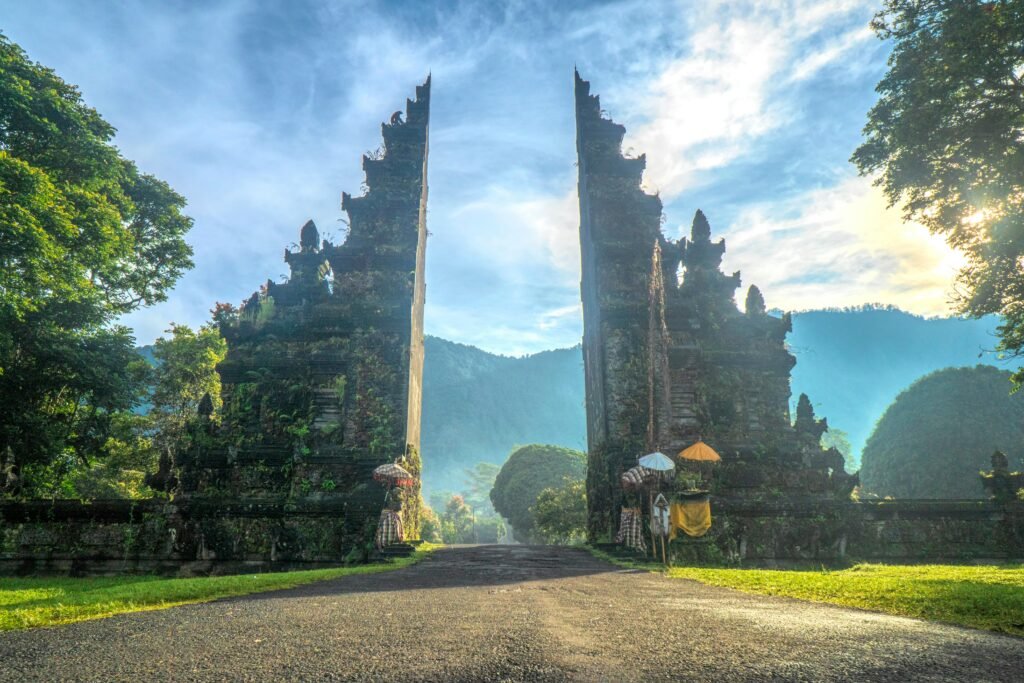
As you plan your travels for 2025, consider prioritizing these hidden gems in Asia. Research is paramount; learning about the traditions and customs of these areas not only enhances your travel experience but also respects the cultures you are visiting. Engaging with local guides can provide invaluable insights and make your journey more enriching.
Moreover, relying on sustainable travel practices when visiting these destinations will help preserve their beauty for future generations. By venturing into lesser-known areas, you also contribute to their economies, ensuring that the benefits of tourism reach these communities directly.
It is time to step away from the conventional tourist routes and discover the authentic experiences that await you in Asia’s hidden landscapes. Pack your bags, do your research, and get ready to embark on an adventure that will not only satisfy your wanderlust but also deepen your appreciation of the world. As you design your travel itinerary for 2025, include these remarkable spots and prepare to create lasting memories that transcend ordinary travel experiences.