
Top Must-Visit Destinations in Sub-Saharan Africa: Wildlife, Culture, and Hidden Gems
Introduction to Sub-Saharan Africa Travel
Sub-Saharan Africa encompasses a vast region characterized by its remarkable diversity in cultures, languages, and traditions. Stretching from the southern slope of the Sahara Desert to the southernmost tip of the continent, this area is rich in history, wildlife, and breathtaking landscapes. The juxtaposition of modernity and tradition creates a unique travel experience for visitors eager to explore varied destinations.
One of the most captivating aspects of Sub-Saharan Africa is its wildlife. The region is home to some of the world’s most iconic species, including the Big Five: lions, elephants, buffalo, leopards, and rhinos, making it a paradise for wildlife enthusiasts. National parks and reserves such as Serengeti National Park in Tanzania and Kruger National Park in South Africa provide optimal viewing opportunities while promoting wildlife conservation efforts. This natural wealth presents travelers with unforgettable experiences, such as safaris that showcase the majestic flora and fauna.
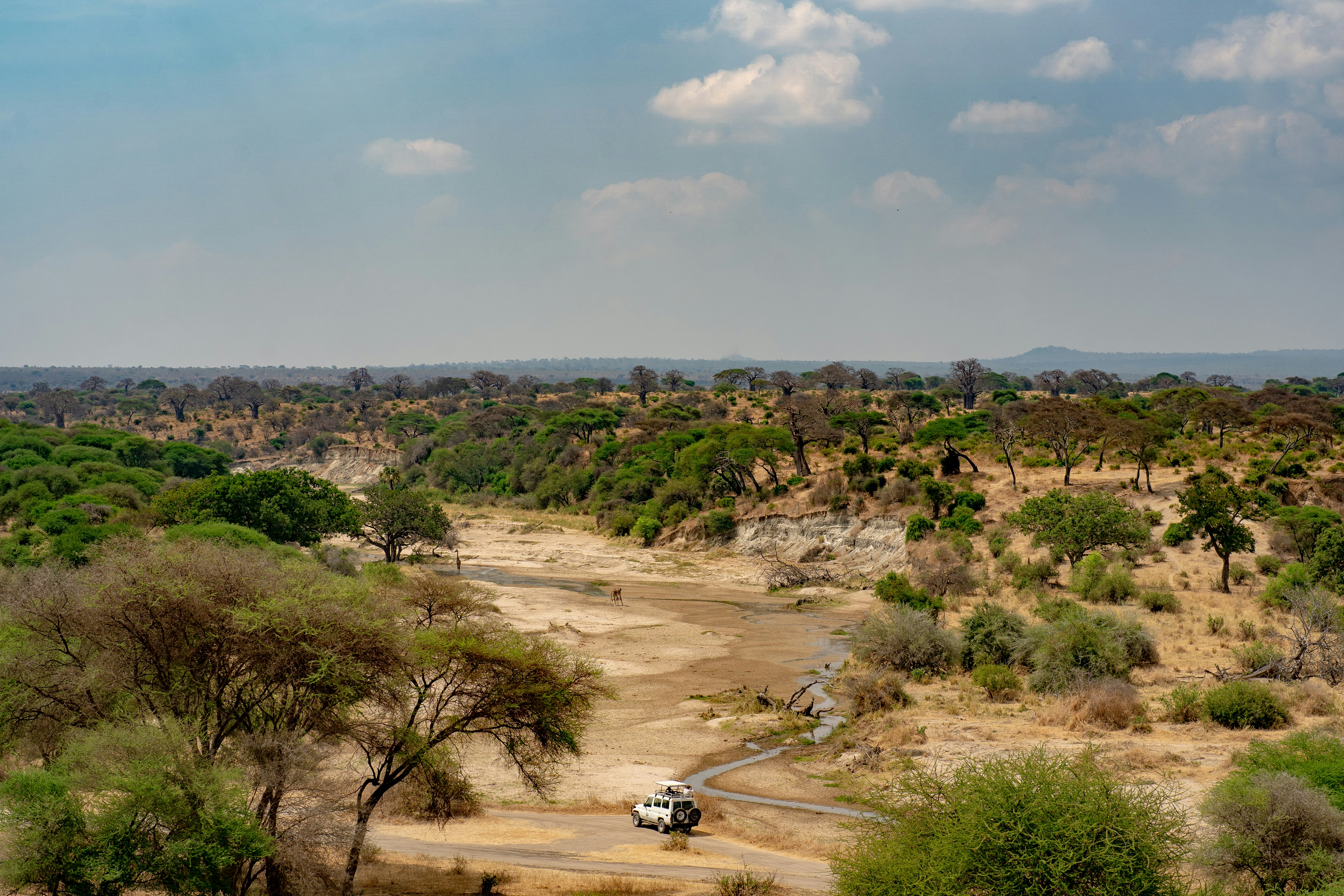
Culturally, Sub-Saharan Africa is equally rich. With over 1,500 distinct languages and an array of ethnic groups, visitors can immerse themselves in diverse customs, art forms, and community lifestyles. Engaging with local communities offers invaluable insights into their traditions and ways of life. Markets, festivals, and traditional ceremonies serve as vibrant gateways to understanding the local culture.
Additionally, the region is adorned with stunning landscapes ranging from the lush rainforests of Central Africa to the arid deserts of Namibia and the captivating coastlines along the Indian and Atlantic Oceans. This geographical diversity not only provides a backdrop for various outdoor activities but also enhances the overall travel experience by inviting exploration.
In conclusion, Sub-Saharan Africa stands as a premier travel destination where wildlife, culture, and stunning landscapes coexist harmoniously, offering unique opportunities for adventure and discovery. Recognizing the importance of local cultures while savoring the beauty of the region will undoubtedly enrich travelers’ journeys.
Iconic Safari Destinations
Sub-Saharan Africa is renowned for its iconic safari destinations that offer rich wildlife experiences and breathtaking landscapes. Among these, the Serengeti National Park in Tanzania stands out as a premier location for wildlife viewing. Famous for the Great Migration, which sees millions of wildebeest and zebra traverse the plains from Tanzania to Kenya, the park provides unparalleled opportunities for observation. The best time to visit is typically from June to October when the migration is in full swing, resulting in spectacular vistas and heightened predator activity.

In South Africa, Kruger National Park represents one of the largest game reserves, home to the “Big Five”—lion, leopard, elephant, buffalo, and rhinoceros. The park is accessible throughout the year, but the dry season from May to September offers the best chance for sightings as animals congregate around water sources. Kruger’s diverse ecosystems and well-maintained roads make it an ideal destination for both seasoned safari-goers and first-time visitors.
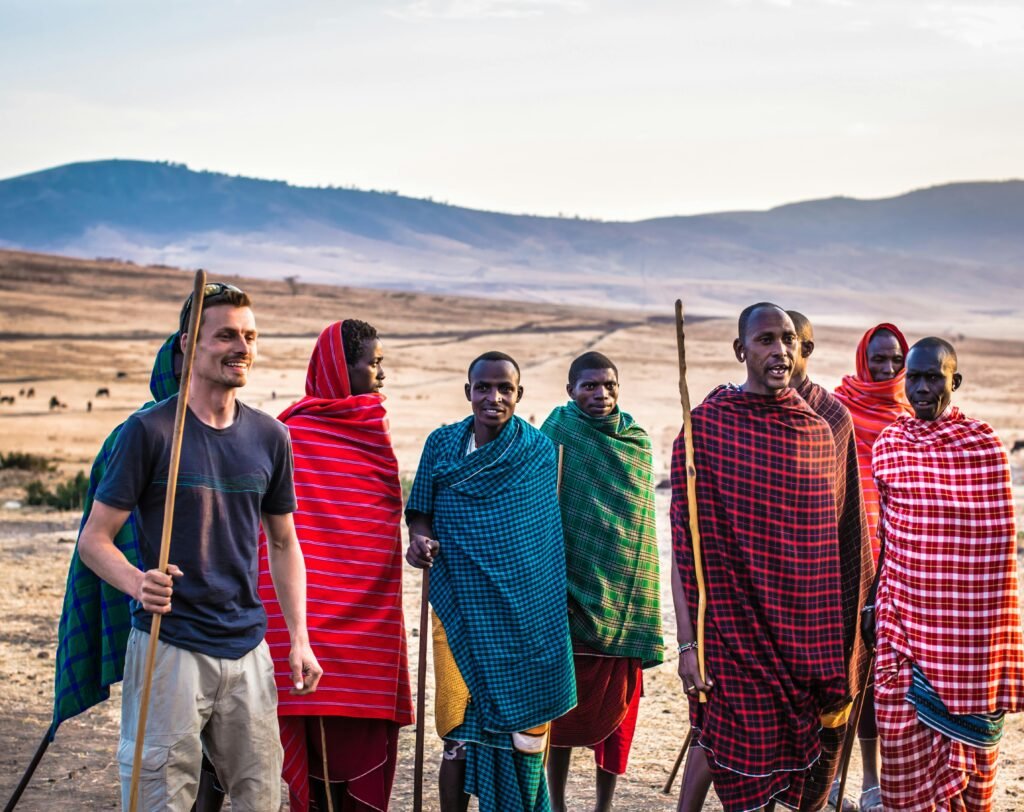
The Maasai Mara in Kenya is another iconic destination, celebrated for its dramatic landscapes and vibrant Maasai culture. This park is perhaps best known for its high concentration of wildlife and the annual wildebeest migration that crosses the Mara River, typically peaking between July and September. Visitors can enjoy not only traditional safari vehicles but also hot air balloon rides offering aerial views of the sweeping savannahs. The Maasai Mara offers a unique opportunity to observe animals up close and learn about the rich cultural heritage of the Maasai community.
With each iconic safari destination offering something unique, travelers to Sub-Saharan Africa can enjoy an unforgettable wildlife experience while taking in the distinct features of the region’s natural beauty and vibrant cultures.
Cultural Experiences in Africa
Sub-Saharan Africa is a region rich in cultural diversity and heritage, offering travelers an array of unique experiences that deepen their understanding and appreciation of local traditions and lifestyles. Engaging with local tribes is one of the most profound ways to connect with the culture. Tribes such as the Maasai in Kenya and Tanzania, the Himba in Namibia, and the San people in Botswana provide visitors with an insight into their traditional ways of life. Travelers can witness and participate in age-old customs, which includes storytelling, craftsmanship, and dance performances, thereby fostering a genuine connection with the culture.

Participating in local festivals presents another vibrant avenue for cultural exploration. These celebrations often commemorate historical events, agricultural cycles, or religious ceremonies and are marked by colorful displays of music, dance, and traditional attire. The Harare International Festival of the Arts in Zimbabwe, the Fes Festival of World Sacred Music in Morocco, and the Durban International Film Festival in South Africa are just a few examples where visitors are encouraged to join in and experience the festivities alongside local communities. Such events not only enhance the travel experience but also promote a greater understanding between cultures.
Traditional ceremonies, such as weddings or initiation rites, offer yet another layer of cultural experiences for those wishing to delve deeper into local customs. Attending these ceremonies, often by invitation from local community members, allows travelers to witness the significance of rituals that have been passed down through generations. It is essential, however, to approach these experiences with respect and an openness to learning, as these rituals hold deep social and spiritual significance for the communities involved. Cultural experiences in Sub-Saharan Africa not only enrich one’s travel itinerary but also contribute to a broader understanding of the continent’s diverse traditions.
Hidden Gems of Africa
Sub-Saharan Africa is renowned for its iconic landmarks and breathtaking wildlife; however, it is also home to a variety of lesser-known destinations that promise unforgettable experiences. One such destination is Gambia, often referred to as the ‘Smiling Coast of Africa.’ This small West African country boasts stunning beaches, lush mangroves, and a rich cultural heritage that invites visitors to explore its vibrant markets and engaging festivals. The Gambia River, a fundamental aspect of its identity, offers opportunities for bird watching, fishing, and mingling with local communities.
Moving southeast, Madagascar stands out as one of the world’s most biodiverse islands. Approximately 90% of its wildlife is endemic, making it a paradise for nature lovers. Travellers can witness the unique ecosystems, such as the otherworldly baobab trees and the varied lemur species. Beyond its acclaimed national parks, Madagascar offers cultural richness evident in its tribal traditions, music, and culinary experiences that showcase the island’s history and ethnic diversity.



Another remarkable hidden gem is the Democratic Republic of Congo (DRC), a country often overshadowed by its tumultuous past yet brimming with natural beauty. The DRC is home to Virunga National Park, a UNESCO World Heritage site known for its mountainous terrain and population of endangered mountain gorillas. Travellers seeking authentic encounters can engage with local communities and learn about their customs while exploring the breathtaking landscapes. Additionally, the Congo River, one of Africa’s longest rivers, provides serene vistas and thrilling adventures, including boat tours that reveal the lush rainforest and wildlife.
These undiscovered treasures of Gambia, Madagascar, and the Democratic Republic of Congo highlight the diversity and allure of Sub-Saharan Africa. Each location offers a distinct experience that captures the essence of its culture and natural wonders, providing a refreshing alternative to the more conventional tourist routes.
Wildlife Experiences Beyond Safaris
While traditional safaris are immensely popular in Sub-Saharan Africa, the region offers a myriad of wildlife experiences that extend beyond these conventional excursions. One enriching opportunity is volunteering for wildlife conservation projects, which allows individuals to contribute directly to the preservation of local ecosystems and endangered species. These initiatives can vary from monitoring wildlife populations to rehabilitation efforts for injured animals, providing volunteers with a unique hands-on experience while promoting awareness about conservation challenges.
In addition to volunteering, visiting wildlife sanctuaries and rehabilitation centers presents another dimension of wildlife interactions. Many organizations in Sub-Saharan Africa focus on rescuing and rehabilitating orphaned or injured animals. For example, the David Sheldrick Wildlife Trust in Kenya is renowned for its elephant orphanage, where visitors can learn about the challenges elephants face from poaching and habitat destruction while supporting their rehabilitation. Such sanctuaries not only foster a deeper appreciation for wildlife but also raise critical funds for ongoing conservation efforts.
Another lesser-known treasure lies along the coastlines of Sub-Saharan Africa, where opportunities to explore marine life abound. Snorkeling and diving in regions like Mozambique, the Seychelles, or the waters off Zanzibar reveal vibrant coral reefs teeming with diverse marine species. Engage in responsible marine tourism to witness the majesty of dolphins, sea turtles, and an array of tropical fish in their natural habitats. Additionally, many coastal areas focus on preserving marine ecosystems, offering educational programs that highlight the importance of marine conservation amid changing climates and rising sea levels.
Through these various wildlife experiences—volunteering, visiting sanctuaries, and exploring marine ecosystems—travelers can engage with the rich biodiversity of Sub-Saharan Africa, fostering a deeper understanding of wildlife conservation and contributing to the protection of these invaluable natural resources.
Adventurous Activities in Sub-Saharan Africa
Sub-Saharan Africa is known for its breathtaking landscapes and thrilling activities that appeal to adventure seekers from around the globe. One of the top destinations for hiking enthusiasts is the Drakensberg Mountains, a UNESCO World Heritage site in South Africa. This mountain range offers a variety of hiking trails, with options ranging from leisurely walks to challenging treks that lead to stunning views of the rugged peaks and unique rock formations. Adventurers should remember to carry ample water, appropriate gear, and a map, as the weather can change rapidly in high altitudes.
Another exciting activity that draws thrill-seekers is white-water rafting on the Zambezi River in Zambia. Known for its class V rapids, the Zambezi provides an adrenaline-pumping experience through scenic gorges and vibrant landscapes. Participants should be aware of their safety and choose reputable rafting companies that follow strict safety measures. It is also advisable to undergo a safety briefing before embarking on such a challenging adventure. For those seeking a mix of nature and excitement, the Zambezi River offers not only rafting but also opportunities to spot wildlife along the riverbanks.
Trekking through the Virunga Volcanoes, which span the borders of Rwanda, Uganda, and the Democratic Republic of Congo, is another unforgettable experience for adventure lovers. This region is home to the renowned mountain gorillas, and trekking to see these magnificent creatures in their natural habitat can be life-changing. Permits are required, and it’s essential to book in advance with authorized tour operators. Travelers should also prepare for varying weather conditions and ensure they have appropriate footwear and clothing for the trek.
Engaging in these adventurous activities in Sub-Saharan Africa offers not only an adrenaline rush but also an opportunity to connect with the continent’s rich natural beauty and wildlife. Smart planning and safety precautions can significantly enhance the overall experience, making these adventures memorable highlights of any travel itinerary.
Practical Travel Tips for Sub-Saharan Africa
Traveling to Sub-Saharan Africa can be an enriching experience, but it requires careful planning and preparation to ensure a safe and enjoyable journey. One crucial step is to understand health precautions. Depending on the region you plan to visit, vaccinations—such as yellow fever, hepatitis, and malaria prophylaxis—may be necessary. It is advised to consult with a healthcare provider well before your trip to receive recommendations tailored to your travel itinerary.
Additionally, comprehending visa requirements is essential for a smooth entry into Sub-Saharan countries. Various nations have differing policies; some may offer visas on arrival, while others may require advance application. Checking the specific requirements online or contacting respective embassies can save travelers from unnecessary complications.
Transportation options vary significantly between urban and rural areas in Sub-Saharan Africa. While major cities often have reliable public transport systems, travelers might consider hiring a car or using ride-sharing apps for convenience. In more remote areas, local taxis or organized tours may be the best way to explore. Always verify the safety and reliability of transportation services beforehand, especially when navigating unfamiliar regions.
Safety is a paramount concern when visiting any new destination. It’s prudent to remain vigilant and aware of your surroundings. Travelers should avoid displaying valuables, opt for recognized accommodations, and adhere to local laws and customs. Researching regions that may have higher risks is advisable before travel. It may also be beneficial to stay informed of local advisories and guidelines throughout the journey.
By embracing these practical travel tips, visitors can enhance their experiences in Sub-Saharan Africa while ensuring their health and safety during this unforgettable journey.
Food Adventures: Sampling Local Cuisine
Sub-Saharan Africa is a treasure trove of culinary delights, offering visitors an opportunity to immerse themselves in the rich tapestry of flavors and traditions. Each region boasts its own unique dishes that reflect local ingredients, cultural influences, and historical experiences. Travelers are encouraged to partake in food adventures, sampling local cuisine that not only satisfies the palate but also narrates the stories of the people who create it.
Street food is a quintessential aspect of the culinary landscape across Sub-Saharan Africa. From spicy, grilled meat skewers known as braai in South Africa to the tantalizing jollof rice found in West African coastal countries, street cuisine offers an authentic glimpse into local life. Vendors often serve their dishes with a side of hospitality, providing an engaging experience as travelers interact with the locals. Each bite reveals the region’s spices and cooking techniques, making it an adventure worth indulging in.
In addition to street food, traditional dining customs play a significant role in the culinary scene. Meals are often communal, with dishes served in large bowls for everyone to share. This communal approach not only enhances the dining experience but also fosters a sense of togetherness and community. In many cultures, meals are accompanied by rituals that vary significantly; for instance, washing hands before sharing food is commonplace in several communities, emphasizing the importance of hygiene and respect.
Exploring local cuisine provides a deeper understanding of Sub-Saharan culture and heritage. Engaging with food through cooking classes, market visits, or dinner invitations in local homes can further enhance the travel experience. By sampling local dishes and understanding dining customs, travelers create lasting memories and connections that transcend mere tourism.
Conclusion and Next Steps for Travelers
Sub-Saharan Africa offers an exquisite blend of wildlife, rich culture, and stunning landscapes that make it a must-visit destination for travelers. From the iconic safaris in the Serengeti to the vibrant street life of cities like Accra and Addis Ababa, the region invites exploration and discovery. The multifaceted nature of Sub-Saharan Africa also includes hidden gems that provide visitors with unique experiences beyond the well-trodden tourist paths. These elements together create a captivating allure that travelers find irresistible.
As you consider planning your journey through Sub-Saharan Africa, take time to reflect on the destinations highlighted throughout this post. Each location has its own story to tell, and familiarity with the culture and history enriches the travel experience significantly. Travelers are encouraged to engage with local communities, respect traditions, and contribute to sustainable practices, ensuring that their exploration does not detract from the richness of the environmental and cultural fabric of the region.
To get started, conduct thorough research on the countries and specific attractions that piqued your interest. Consider factors such as the best time to visit, necessary travel vaccinations, and logistical preparations, including accommodations and travel insurance. Additionally, it can be beneficial to connect with fellow travelers or guides who can offer insights and advice tailored to your interests.
As you embark on this exciting adventure, remember that responsible tourism plays a vital role in preserving the breathtaking landscapes and vibrant cultures of Sub-Saharan Africa. By supporting local businesses and minimizing your ecological footprint, you can contribute positively to the destinations you visit. Explore further, embrace the diversity, and get ready for an unforgettable experience that will surely enrich your perspectives on this dynamic region.