
Traveling India on a Budget: Your Ultimate Guide
Introduction to Budget Travel in India
Traveling in India on a budget is not only feasible but also enriches the overall experience of exploring this vibrant nation. Known for its diverse culture, unparalleled heritage, and scenic landscapes, India has something to offer every traveler. From the bustling streets of Delhi to the serene backwaters of Kerala, each region boasts unique attractions and experiences that cater to a variety of interests and budgets.
Budget travel in India can be a rewarding venture, particularly if planned thoughtfully. By embracing a frugal approach, travelers can immerse themselves in the local culture without overspending. The country’s extensive public transport system, including trains and buses, provides affordable options to traverse the vast geography. Furthermore, street food and local markets present opportunities to enjoy authentic cuisine at a fraction of restaurant prices. This lifestyle promotes not only cost savings but also enriches one’s understanding of communities and traditions throughout the country.
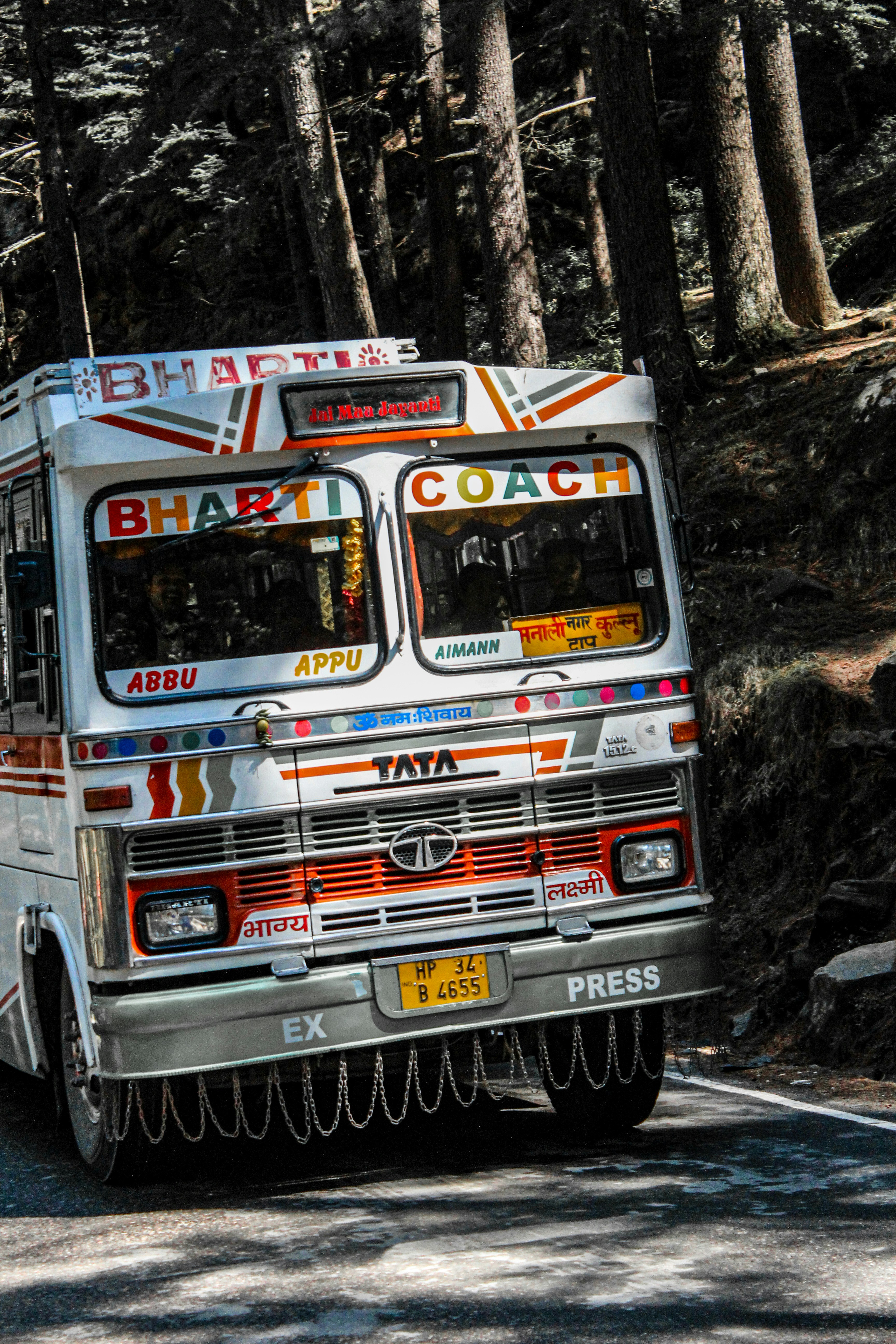
Visiting India on a budget allows travelers to appreciate its complexity and beauty. The colorful festivals, historical monuments, and diverse communities can be explored without straining financial resources. Many accommodations, such as guesthouses and hostels, offer comfortable stays at pocket-friendly rates, enabling travelers to allocate their funds toward memorable experiences rather than luxury stays. Additionally, several free or low-cost attractions, including temples, parks, and open-air markets, give travelers insight into India’s rich heritage and culture.
In summary, budget travel in India opens a path to discover the country’s heart and soul. With an open mind and a flexible itinerary, adventurous souls can uncover remarkable experiences that align with their financial constraints while enjoying everything this extraordinary nation has to offer.
Estimated Costs for Traveling in India
Traveling in India offers a unique opportunity to experience a rich culture, vibrant landscapes, and diverse traditions, all while being budget-friendly. To assist travelers in planning their journey, it is essential to have a clear understanding of the estimated daily expenses during their stay. This analysis breaks down costs into several fundamental categories: accommodation, food, transport, and activities.

On average, depending on the traveler’s preferences and chosen destinations, daily costs can vary significantly. Accommodation options range from budget hostels and guesthouses costing as little as $10 to mid-range hotels averaging between $30 to $60. For those seeking luxury, the price can climb to $100 or more per night. The following table outlines the general cost ranges for each category to aid in budgeting:
For meals, street food is an economical choice, averaging around $2 to $5 for a hearty dish. Dining in local restaurants may cost approximately $10 to $25, while international cuisine at upscale restaurants can exceed $30. Transportation options are varied, from budget trains and buses to private taxis, which can lead to diverse pricing depending on mode and distance traveled. Activities, such as guided tours or entrance fees, can also impact the overall daily budget.
In summary, understanding these estimated costs is crucial for effectively budgeting your trip to India, allowing travelers to optimize their experiences while enjoying the rich offerings of the country without overspending.
Accommodation Hacks: Finding Affordable Stays
When it comes to traveling India on a budget, securing budget-friendly accommodations is fundamental to managing overall expenses. Various options exist for travelers seeking to find affordable stays, from hostels and guesthouses to homestays. Each of these alternatives presents unique benefits and caters to different preferences, making them suitable choices for those looking to explore India’s diverse landscapes without overspending.
Hostels are increasingly popular among budget travelers, particularly in major cities like Delhi, Mumbai, and Jaipur. They usually offer dormitory-style rooms, which can significantly reduce nightly costs. Many hostels also provide communal areas where guests can socialize, share experiences, and even participate in guided tours. Websites like Hostelworld and Booking.com are excellent platforms for finding best-priced hostels, along with reviews for informed decision-making.
Guesthouses present another value-rich option, often run by local families. These establishments tend to offer personalized hospitality and a more intimate experience of local culture. In smaller towns and rural areas, guesthouses may be the most accessible forms of accommodation. Travel platforms like Airbnb and regional services can provide numerous choices when searching for guesthouses, often at competitive rates.
Homestays are a growing trend in India, allowing travelers to reside with families in their homes. This approach not only offers economical lodging but also provides insights into traditional Indian lifestyles. Websites such as Homestay.com or local tourism websites can help identify reputable homestay options. Additionally, potential guests should negotiate prices when engaging directly with hosts, as many are open to providing discounts, especially for longer stays.
By leveraging these accommodation options and utilizing reputable booking platforms, travelers can uncover a wealth of affordable stays throughout India. A strategic approach to securing budget-friendly lodging will enhance the travel experience and allow for more exploration within the country. In conclusion, embracing various accommodation avenues can facilitate an enriching journey without straining your budget.
Transport Options: Getting Around India on a Budget
Traveling across India offers a plethora of transport options that cater to different budgets, preferences, and travel itineraries. Among the myriad of choices, trains, buses, and rickshaws are the most commonly used modes of transport, each presenting unique advantages and disadvantages that travelers should consider.
Indian Railways is one of the most cost-effective ways to journey between cities. With a vast network stretching across the country, this option allows for scenic routes and comfortable seating, including sleeper classes for long travels. However, during peak seasons, trains can be heavily booked, necessitating advance reservations, which can often lead to less flexibility in travel plans. Booking tickets via the official website or mobile app can help even further minimize costs while ensuring seats are secured ahead of time.



Buses serve as another viable alternative, with a range of options from local city services to inter-state luxury coaches. State-run buses are generally the most economical, providing extensive coverage of cities and towns. The downside, however, is that bus journeys can be less comfortable and may require longer travel times due to numerous stops. For booking, apps and websites often provide the best prices and schedules, making it easy to plan accordingly.
Rickshaws, whether cycle or auto, represent a popular choice for short distances within cities. They are typically cheap and can navigate congested streets more easily than larger vehicles. However, it’s crucial to negotiate fares beforehand or ensure the meter is running to avoid inflated prices. Using ride-sharing apps can also provide added convenience and transparency in pricing.
In conclusion, understanding the various transport options available is essential for traveling around India on a budget. Each method offers distinct experiences and price points, allowing travelers to select the most suitable means of transport for their journeys. With thoughtful planning and strategic bookings, it is feasible to explore India affordably and efficiently.
Savoring Cheap Eats: Budget-Friendly Food Options
Traveling through India offers an unparalleled opportunity to experience diverse culinary delights without straining your budget. The street food culture is vibrant and varied, showcasing flavors from every region. Popular items such as chaat, samosas, and vada pav are not only delicious but also cost-effective, typically costing less than a dollar each. Street vendors can often be found near bustling markets, temples, and railway stations, providing travelers with convenient access to these delights.
For those seeking a sit-down meal, budget restaurants, often referred to as ‘dhabas’, serve hearty and authentic Indian cuisine at very reasonable prices. These establishments focus on local dishes and provide a cozy dining experience. Meals at these eateries can range from 100 to 300 INR ($1.50 to $4.50), making them an excellent option for budget-conscious travelers. Look out for daily specials, which are usually more affordable and reflect the region’s culinary influences.
Markets across India also present an ideal opportunity to explore cheap eats. From fresh fruit stalls to stalls selling snacks like pani puri and bhaji, these markets offer both variety and freshness. Visiting local markets not only allows you to enjoy inexpensive meals but also provides insight into the community’s culture and lifestyle. Make sure to try regional delicacies such as dosas in South India or dhoklas in Gujarat, both of which are delicious and wallet-friendly.
When searching for budget-friendly food options, consider asking locals for recommendations or using mobile apps dedicated to food reviews. This can lead you to hidden gems where authentic dishes await without the tourist mark-up. Traveling on a budget does not mean sacrificing flavor; rather, it opens doors to some of the best culinary experiences India has to offer. Choices abound for those willing to explore and savor delicious, affordable meals at every turn.
Best Budget Cities to Explore in India
India is renowned for its rich culture, vibrant history, and diverse landscapes, making it a popular destination for travelers. For budget-conscious explorers, several cities offer a myriad of attractions without straining the wallet. These cities not only provide affordable accommodation and dining options but also a unique blend of experiences that cater to various interests.
Jaipur, the Pink City of Rajasthan, is a perfect starting point for budget travelers. Its majestic forts, such as Nahargarh and Amer, are accessible at nominal entry fees. The local markets brim with handicrafts and textiles, allowing visitors to embrace the city’s artistic heritage without overspending. Daily costs here can start as low as INR 1,500, including meals, transport, and entry fees.
Varanasi is another fascinating city for those traveling on a budget. It is one of the oldest cities in the world, known for its spiritual significance and vibrant ghats along the Ganges River. Visitors can explore temples and enjoy local cuisine for minimal expenses. Average daily costs are around INR 1,800, making it a valuable experience for culture seekers.
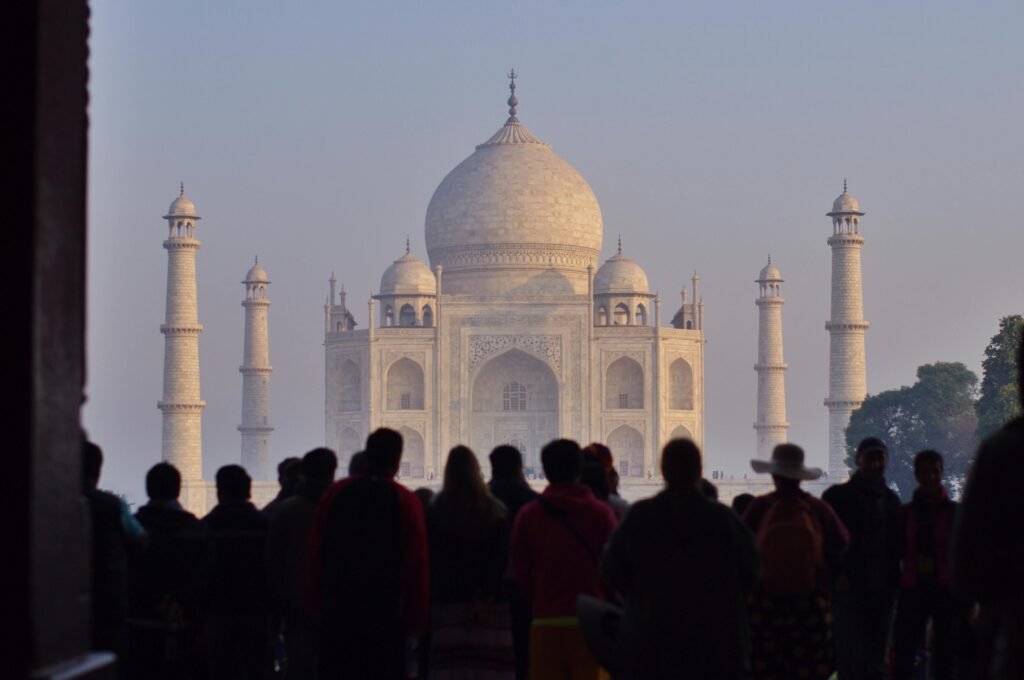
Pondicherry, with its French colonial architecture and serene beaches, is ideal for budget-conscious travelers seeking tranquility. The local eateries serve delicious meals at reasonable prices, and exploring Auroville is both enriching and inexpensive. Daily expenses can be managed within INR 1,500 when travelers prioritize local experiences.
Lastly, Udaipur, often referred to as the “City of Lakes,” provides stunning views and a rich historical ambiance. The city is dotted with majestic palaces and colorful markets that allow for budget-friendly exploration. The average daily cost approaches INR 1,700, with many free attractions and affordable dining options.
These cities showcase the diverse experiences India has to offer while assuring travelers that a remarkable journey doesn’t have to come with a hefty price tag.
Daily Cost Breakdown: Plan Your Budget
Traveling in India can be a remarkable experience, and efficiently planning your budget plays a crucial role in maximizing enjoyment while minimizing financial strain. Understanding the daily expenses incurred during your travels is essential for a successful journey. Below is a breakdown of potential costs that travelers might encounter in a day.
When planning your daily budget, consider your travel style, which significantly influences expenses. Here is a general outline of daily costs based on different travel styles:
For budget travelers, a daily total may range from $25 to $45, often providing ample opportunities to enjoy street food, local attractions, and public transportation. Mid-range travelers might expect daily costs of approximately $75 to $170, allowing for better accommodations and more dining options. Finally, luxury travelers might focus on experiences and amenities, with a daily budget exceeding $200.
By understanding these expenses, you can better strategize and allocate your daily budget while traveling through India. With a clear financial plan, you can fully immerse yourself in the culture, sights, and sounds of this vibrant country without overspending.
Money-Saving Tips for Traveling in India
Traveling in India can be a rewarding experience, particularly for budget-conscious travelers. To help you make the most of your journey without overspending, here are several practical money-saving tips. One of the most effective ways to cut costs is by using local transportation services. Opt for buses and local trains rather than taxis or private car hires, as they are significantly cheaper and provide a more authentic experience of city life.
Additionally, consider purchasing a local SIM card upon arrival. This will enable you to use data for navigation and communication without incurring hefty international roaming fees. Always compare mobile plans to find the most suitable option for your needs. When it comes to dining, street food is both delicious and economical; however, ensure that you choose reputable vendors to avoid any health issues.
Booking tickets for trains and flights well in advance is also a wise strategy. Train travel, in particular, can be more economical when booked early through dedicated online platforms. Furthermore, many Indian railways offer discounted fares for various categories, including students and senior citizens, which can also contribute to savings. Always check current deals and offers available on these platforms before making purchases.
Be cautious of tourist traps, as they can inflate costs significantly. Research local attractions and read reviews to identify places that will deliver value for your money. Many destinations offer free or low-cost entry to cultural sites and parks that provide an enriching experience. Establishing a daily budget and adhering to it can also prevent overspending, allowing you to enjoy the trip with peace of mind while experiencing the rich culture India has to offer.
Conclusion
Traveling India on a budget is not only feasible but also an enriching experience that allows one to delve into the heart of its diverse culture, history, and stunning landscapes. This journey offers travelers an opportunity to explore the rustic charm of countryside villages, vibrant cities, and breathtaking natural scenery without the constraints of high expenses. By adopting budget travel strategies, such as utilizing public transportation, seeking affordable accommodations, and dining at local eateries, travelers can maximize their experiences while minimizing their costs.
Embracing budget travel in India presents a unique chance to connect with the locals and gain authentic insights that often remain hidden from conventional tourism. Engaging with the community can lead to delightful interactions, cultural exchanges, and a deeper understanding of India’s rich heritage. Furthermore, participating in local festivals or events can enhance your travel experience, making it more memorable and enjoyable.
Another crucial aspect is the flexibility that comes with budget-friendly travel. With careful planning, one can navigate the various regions of India with ease, even on a restricted budget. Exploring off-the-beaten-path destinations often leads to unexpected adventures and encounters that can be far more rewarding than visiting tourist hotspots. Whether it’s trekking in the Himalayas, wandering through ancient temples, or savoring street food in bustling markets, budget travel opens the door to myriad experiences that contribute to personal growth and satisfaction.
In conclusion, budget travel in India invites travelers to immerse themselves in the country’s vibrant tapestry of culture and traditions. By prioritizing genuine experiences over extravagant expenditures, adventure seekers can discover the true essence of India, ensuring that their journey is not only economical but also profoundly impactful.