
Ultimate Guide to Budget Travel in Europe 2025: See More, Spend Less
Introduction to Budget Travel in Europe
Budget travel has become an increasingly popular way for individuals to explore Europe without incurring exorbitant expenses. Traveling on a budget allows one to experience the rich tapestry of cultures, histories, and landscapes that the continent has to offer, all while keeping financial constraints in check. The appeal of this approach lies not only in the affordability of accommodations, transportation, and meals but also in the accessibility of unique experiences and off-the-beaten-path destinations that often go unnoticed by traditional tourists.
In a world where travel costs can skyrocket, particularly in popular European cities, adopting a budget-friendly mindset is essential for maximizing one’s adventure. By prioritizing budget travel, one can enjoy a variety of activities—from savoring local cuisine to visiting renowned landmarks—without the worry of overspending. Additionally, immersing oneself in diverse cultures often leads to a deeper understanding and appreciation of the local community, fostering connections that enhance the overall travel experience.
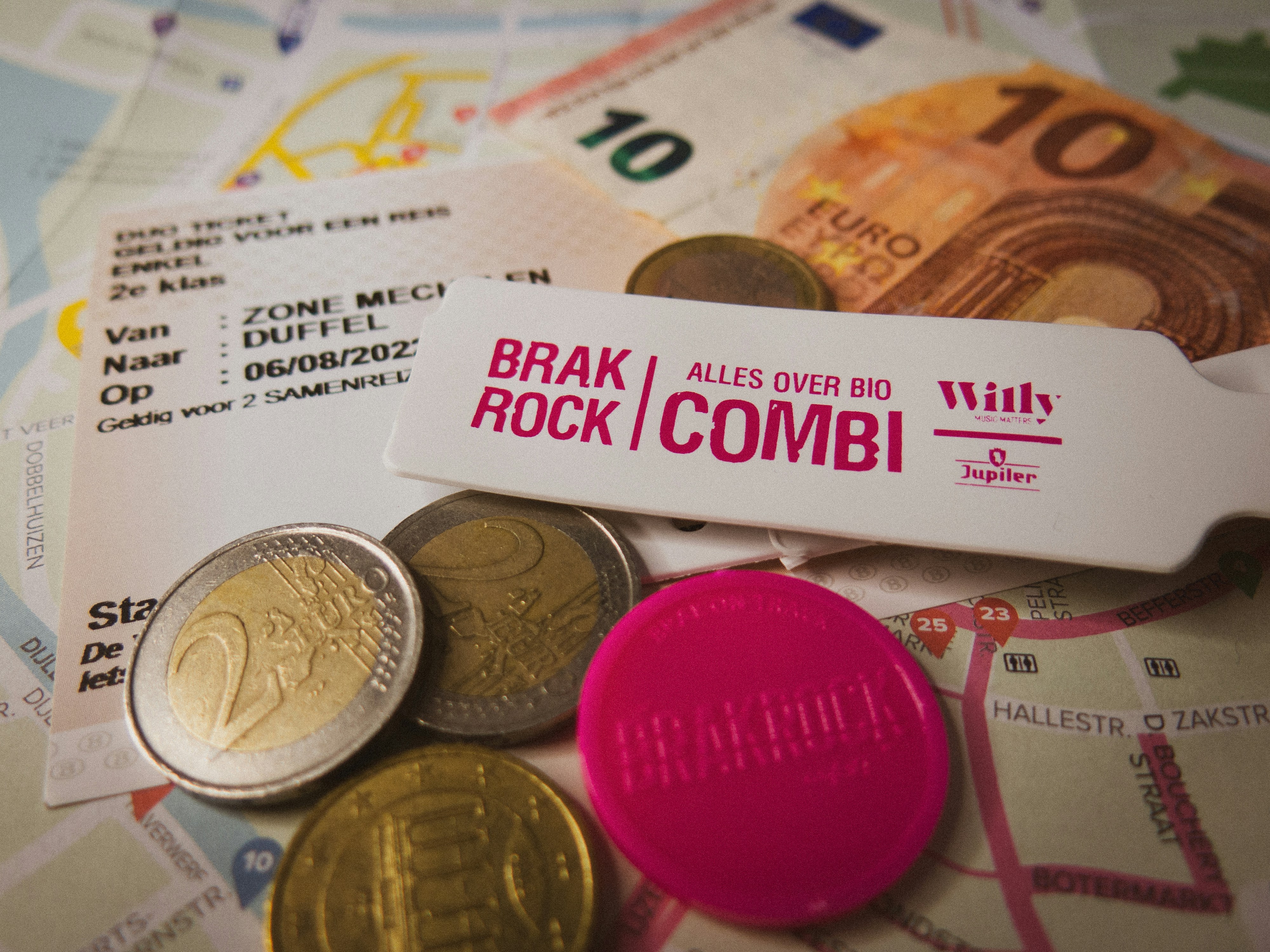
This blog post aims to provide comprehensive guidance for those interested in exploring Europe affordably. We will delve into various tips and tricks that empower readers to make informed choices when planning their trips. By sharing personal anecdotes intertwined with practical insights, we aim to inspire travelers to consider creative solutions such as leveraging budget airlines, utilizing public transportation, or opting for shared accommodations. This multifaceted approach not only caters to the financial aspects of travel but also encourages genuine engagement with the diverse cultures that exist within Europe.
Join us as we navigate the world of budget travel in Europe, revealing how one can see more while spending less. By the end of this journey, readers will be equipped with the knowledge and tools needed to embark on their own memorable adventures across this enchanting continent.
Finding Cheap Flights to Europe
Traveling to Europe on a budget begins with securing affordable flights, and there are numerous strategies you can employ to achieve this. One of the most effective techniques is utilizing flight comparison websites such as Skyscanner, Google Flights, or Expedia. These platforms allow travelers to compare fares across multiple airlines and identify the best deals available. By inputting your desired destination and travel dates, these tools generate a comprehensive overview of flight options, including low-cost carriers.

Booking flights well in advance is another proven method to save money. Generally, the earlier you book, the more likely you are to find competitive prices. Aim to purchase your tickets at least two to three months ahead of your planned departure date. Additionally, keep an eye out for airline sales, which often occur during specific times of the year, such as Black Friday or New Year promotions. Signing up for newsletters from airlines can also keep you in the loop about upcoming discounts.
Flexibility with your travel dates is crucial when trying to find cheap flights to Europe. If possible, plan your trip during the off-peak season, typically from late fall to early spring, when prices tend to dip. Moreover, consider varying your travel dates; flying mid-week rather than on weekends can significantly lower costs. Furthermore, being open to different routes can open up more budget-friendly options. For instance, flying into a less popular airport and then taking a train or bus to your final destination may result in substantial savings.
Several airlines are renowned for their budget flights across Europe, including Ryanair, easyJet, and Wizz Air. These carriers frequently launch promotional fares that can lower your travel costs even further. Tools like fare alerts can also notify you when prices drop on specific routes, allowing you to monitor and book flights at the optimal moment. Lastly, using incognito mode while searching for flights can prevent pricing from increasing based on your search history, ensuring that you consistently see the best available prices.
Affordable Accommodations: Where to Stay
When traveling on a budget, finding affordable accommodations is essential to stretching your finances. Traditional hotels can be pricey, but there are various alternative options that cater to budget-conscious travelers. Hostels, for instance, offer both shared and private rooms at significantly lower rates compared to hotels. They not only provide affordable lodging but also foster a communal atmosphere where travelers can meet and connect with others from around the world.
Guesthouses are another excellent option for budget travelers. These often family-run establishments usually provide a homely feel and can be more affordable than hotels while offering a local experience. Similar to guesthouses, vacation rentals through platforms like Airbnb and Booking.com have become popular among budget-conscious adventurers. You can find entire homes, apartments, or shared spaces at reasonable rates, especially if you book in advance.

When searching for deals on these platforms, it is advisable to be flexible with your travel dates, as prices can vary dramatically depending on the season. Additionally, consider staying in less touristy areas; not only can accommodation costs be lower, but you also get a taste of local culture away from the crowded tourist spots. Public transport options can often easily connect you back to the major attractions.
To get the best value for your money, ensure to read reviews from previous guests and check for amenities that could save you extra costs, such as cooking facilities. This allows you to prepare some meals instead of dining out for every meal, further enhancing your travel budget. Overall, exploring various forms of accommodations can lead to significant savings and a richer travel experience in Europe.
Budget-Friendly Cities in Europe
Europe is rich in culture, history, and scenery, yet there are numerous cities where you can enjoy an incredible experience without breaking the bank. One such city is Budapest, the capital of Hungary, known for its stunning architecture and thermal baths. In Budapest, you can find a plethora of affordable dining options, particularly in the Jewish Quarter, which offers traditional Hungarian dishes at reasonable prices. Additionally, many attractions such as the Fisherman’s Bastion and the Buda Castle are either free or have minimal entrance fees, making this city a steal for budget travelers.
Lisbon, the hilly capital of Portugal, is another excellent choice for those looking to save. This vibrant city boasts a rich history, colorful neighborhoods, and delectable cuisine. Many of Lisbon’s most famous sights, including the Belém Tower and the Jerónimos Monastery, are free on Sundays. The cost of public transportation is also affordable, making it easy to explore the city and discover hidden gems without incurring significant expenses.
Prague, the capital of the Czech Republic, is renowned for its enchanting streets and historical landmarks. The city is exceptionally friendly to those on a budget, with a wide array of inexpensive eateries serving traditional Czech fare. Many of Prague’s attractions, such as the Old Town Square and Charles Bridge, are free to explore, allowing travelers to immerse themselves in the city’s rich history without additional costs. Furthermore, the overall affordability of accommodation options ensures that both luxury and budget travelers can find suitable options.
Other notable mentions include Budapest, Sofia, and Krakow, all of which offer a unique blend of affordable lodging, efficient public transport systems, and numerous free attractions. For travelers looking to explore Europe without overspending, these cities provide an excellent starting point to experience diverse cultures and breathtaking sights while remaining budget-conscious.

Daily Budgeting: Realistic Expenses
Traveling in Europe can be a fulfilling experience, but it involves careful budgeting to make the most of your trip while managing expenses. Daily expenses typically vary based on the type of traveler. Here is a breakdown of potential costs associated with food, transportation, attractions, and accommodation.
Food: On average, budget travelers can expect to spend between €15 to €30 per day on meals. For backpackers, eating at local markets and street food stalls can keep costs down. A modest meal in a restaurant may cost around €10 to €15. Families may spend around €60 to €80 per day, factoring in children’s meals and dining at more family-friendly establishments.
Transportation: Navigating Europe is often facilitated by its efficient public transport systems. A daily transportation budget can range from €5 to €15, depending on the city. For backpackers, walking and using budget bus services might suffice. Families may consider day passes for public transport, which can range from €20 to €35 in larger cities.
Attractions: Entrance fees for popular attractions can vary considerably; expect to spend approximately €10 to €25 for most sites. Couples may find value in purchasing city tourism cards, which often offer discounts or free entry to numerous attractions. A daily budget of €20 can be a reasonable expectation for sightseeing.
Accommodation: This aspect of budgeting significantly influences your overall expenses. Backpackers may find dormitory beds for about €20 to €40 per night, while families may look for mid-range hotels averaging €100 to €150. Couples might find reasonably priced private rooms starting from €50, depending on the location.
Considering these various factors, a daily budget for backpackers might range from €50 to €100, while families could expect around €150 to €250 daily. Integrated with realistic travel expenses, budgeting plays a key role in enjoying Europe without overspending.
Sample Itineraries for Budget Travelers
Traveling in Europe on a budget can be a rewarding experience, allowing you to explore diverse cultures without breaking the bank. Below are sample itineraries tailored for budget-conscious travelers, focusing on passionate themes such as historic sites, nature retreats, and urban adventures.

Historic Sites Itinerary: Begin your journey in Rome, where the ancient ruins are free to visit on the first Sunday of every month. From Rome, take a budget-friendly train to Florence, where you can explore the Uffizi Gallery on certain days offering free admission. Finally, conclude your trip in Venice, enjoying a stroll along the canals and visiting St. Mark’s Square, which costs nothing to access.
Nature Retreats Itinerary: Start in Zurich, known for its beautiful lake. Take advantage of free walks in the nearby Uetliberg mountain, offering stunning views of the Swiss skyline. Next, travel to Interlaken, where you can hike the numerous free trails and soak in breathtaking landscapes. Lastly, visit Lake Bled in Slovenia, a picturesque location perfect for swimming and hiking.
Urban Adventures Itinerary: Kick off your trip in Barcelona, where visiting Park Güell is economical, especially with free entrance at designated times. Next, journey to Berlin, utilizing the city’s extensive public transport to access historical sites like the Berlin Wall, which are free to visit. Finally, wrap up in Amsterdam, cycling through the city and exploring public parks, while many of its museums offer discounted entry on specific days.
For efficient travel, manage your time wisely by utilizing regional transportation passes that offer discounts on multiple trips. Always check for free days or entry hours to maximize your experience without overspending. By strategically planning your itinerary, you can engage with both historical landmarks and nature—all while keeping expenses to a minimum.


Travel Hacks for Saving Money
Traveling across Europe on a budget requires a strategic approach to reduce expenses without compromising on experiences. One of the most effective travel hacks is utilizing public transportation. Cities in Europe generally have extensive and reliable public transport systems, including buses, trams, and trains, which are often much cheaper than taxis or ride-sharing services. Purchasing a multi-day transportation pass can lead to additional savings for frequent travelers.
Another tip is to dine like a local. Instead of indulging in meals at tourist hotspots that come with inflated prices, seek out local eateries, street food vendors, and markets. This not only allows you to enjoy authentic cuisine but also helps stretch your budget further. Websites and apps like Yelp or TripAdvisor can assist in finding highly-rated local options.
Accessing free events and activities is another tactic for saving money while traveling in Europe. Many cities offer free walking tours, museum days, and community events, particularly during the summer months. Researching beforehand on city tourism websites or local forums can reveal a plethora of no-cost entertainment options.
In today’s digital age, various travel apps and discount cards can provide considerable savings. Apps such as Skyscanner, Google Maps and Rome2rio can help in finding the best transport options and routes at competitive rates. Additionally, look into getting city discount cards, which often bundle transport, attractions, and even meals at a discounted price, ultimately maximizing every euro spent.
Ultimately, combining these travel hacks can significantly enhance the budget travel experience in Europe, ensuring that travelers not only save money but also immerse themselves in the local culture and lifestyle.
Personal Anecdotes: Real-Life Budget Travel Stories
Budget travel in Europe can yield extraordinary experiences, as illustrated by countless travelers who have ventured across the continent with limited financial resources. One traveler, Jane from Texas, recounts her journey through Eastern Europe. She decided to visit countries like Hungary and Poland, where the cost of living is significantly lower than in Western Europe. Jane utilized local public transportation, which not only saved her money but also enriched her experience by allowing her to interact with locals. She discovered that the charm of sit-down dinners in family-run eateries was not only authentic but also affordable, a delightful combination of savings and immersion.
Similarly, Mike, an avid backpacker from Australia, shares his story of traveling through the Balkans. He emphasized the importance of flexibility in budget travel, often opting for spontaneous detours based on locals’ recommendations. This approach led him to beautiful, lesser-known spots, such as a quaint village in Montenegro where he enjoyed breathtaking views at minimal cost. Mike’s experience highlights that sometimes the best memories are created outside the traditional tourist hotspots, and using budget accommodations, like hostels or campsites, can foster connections with fellow travelers.
Another inspiring tale comes from Emma, a university student who traveled through Spain and Italy during her summer break. With a solid budget plan in place, she used a mix of budget airlines and overnight buses, which not only cut travel expenses but also maximized her sightseeing time. Emma learned to appreciate street food as an inexpensive yet delicious alternative to dining in restaurants. Her adventures fostered friendships with fellow travelers, showcasing that budget travel is not just about saving money, but also about creating lasting memories and connections.
Conclusion and Final Tips for Budget Travel
Traveling through Europe on a budget is not only possible, but it can also be a rewarding experience that allows you to see and do more without breaking the bank. By implementing the strategies discussed throughout this guide, you’ll be well-equipped to navigate the continent’s vast offerings while keeping your expenses in check.
One of the most important takeaways is to prioritize flexibility, both with your travel dates and destinations. Off-peak travel can significantly reduce accommodation and transportation costs, allowing for better savings. Additionally, utilizing budget airlines and trains provides multiple options for reaching your desired locations efficiently and affordably.
Taking advantage of free attractions, exploring local neighborhoods, and indulging in street food can enhance your travel experience without straining your budget. Many cities across Europe offer free walking tours that give insights into local history and culture, which does not only fill your itinerary but offers a depth of understanding that you might miss otherwise.
Furthermore, it is advisable to keep abreast of online resources dedicated to budget travel. Blogs and forums such as Lonely Planet’s Travel Forum or Reddit’s r/travel are excellent platforms where fellow travelers share tips, itineraries, and even travel deals. Social media groups focused on budget travel in Europe can also provide a wealth of current information and inspiration.
In conclusion, embracing budget travel in Europe provides an unparalleled opportunity to explore diverse cultures, stunning landscapes, and rich histories. Remember to plan, engage with fellow travelers, and remain open to spontaneous adventures. Safe travels!