
Ultimate Travel Guide to South Africa: Explore the Rainbow Nation
Introduction to South Africa
South Africa, often referred to as the Rainbow Nation, is a country that epitomizes a remarkable blend of cultures, languages, and traditions. This diversity is fostered by the coexistence of eleven official languages, which reflect the heritage of the various communities that call this nation home. Travelers seeking a destination that offers a unique tapestry of experiences will find South Africa particularly intriguing.
The geographical landscape of South Africa is equally captivating. From the rugged coastlines of the Western Cape, framed by the majestic Table Mountain, to the lush greenery of the Garden Route, there is a wealth of natural beauty to appreciate. The country’s interior boasts the expansive savannahs of the Kruger National Park, where wildlife enthusiasts can witness the famous Big Five in their natural habitat. Such biodiversity makes South Africa a prime location for outdoor adventures and ecotourism.
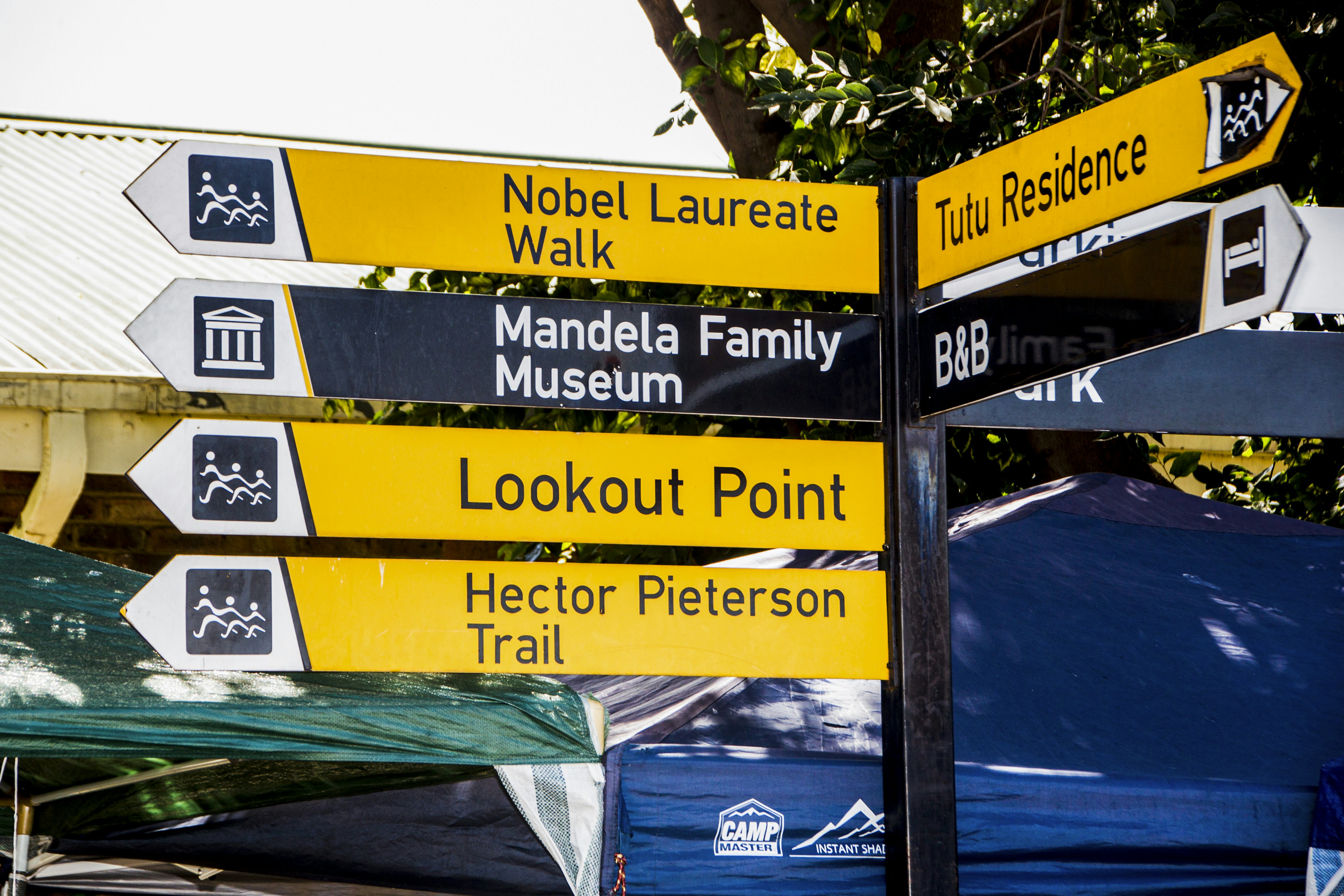
Rich in history, South Africa’s complex past is marked by significant events, including the struggle against apartheid and the legacy of leaders like Nelson Mandela. This journey through time can be explored through numerous historical sites and museums, which detail the nation’s fight for freedom and equality. Destinations such as Robben Island, where Mandela was imprisoned, provide poignant insights into the challenges and triumphs that have shaped modern South African society.
The melting pot of cultures, spectacular landscapes, and profound historical significance make South Africa an enticing choice for travelers from the U.S. and beyond. In addition to cultural and natural attractions, visitors can enjoy a variety of culinary experiences influenced by indigenous traditions and immigrant flavors, further enhancing the country’s appeal. Thus, South Africa stands as a vibrant destination that invites exploration and appreciation, promising unforgettable moments for those who embark on its shores.
Getting to South Africa
Traveling to South Africa can be a straightforward process, especially for travelers from major U.S. cities. Direct flights are available from hubs such as New York, Atlanta, and Los Angeles, with airlines like South African Airways and Delta providing services that connect travelers directly to Johannesburg, Cape Town, and Durban. The flying time generally ranges from approximately 15 to 18 hours, depending on the origin city and chosen route.
The best times to visit South Africa primarily span from May to September, which falls in the southern hemisphere’s winter months. During this period, the weather is dry and cool, making it ideal for wildlife viewing and outdoor activities. Alternatively, the spring months of September to November are also favorable for visitors, as they enjoy pleasant temperatures and the captivating blooming of wildflowers, particularly in the Western Cape region.

Visa regulations should be carefully considered before making travel arrangements. U.S. citizens do not require a visa for stays of 90 days or less for tourism. However, travelers should ensure their passports are valid for at least 30 days beyond their intended departure date from South Africa and contain at least two blank pages for entry stamps. It is also recommended to check for any changes in visa policies closer to the travel date to avoid any unexpected complications.
Additionally, travelers may find certain tips beneficial for a smoother journey. Packing for various climates is advisable, as South Africa has diverse weather patterns across its regions. Bringing layers can accommodate fluctuating temperatures. Also, obtaining travel insurance is highly recommended, providing peace of mind against potential disruptions. Familiarizing oneself with local customs and safety guidelines can enhance the travel experience.
Top Destinations to Visit
South Africa, renowned for its diverse landscapes and rich cultural heritage, boasts several must-visit destinations that reflect its unique charm. Cape Town, often regarded as one of the most picturesque cities globally, is highlighted by its iconic Table Mountain. Visitors can engage in various activities, such as cable car rides, hiking, and exploring the vibrant V&A Waterfront, which offers numerous dining and shopping options. Additionally, the nearby Cape Winelands allow travelers to indulge in world-class wine tasting against stunning vineyard backdrops.
Johannesburg, the largest city in South Africa, is a hub of history and culture. The Apartheid Museum offers profound insights into the country’s past, while Soweto provides a glimpse into the nation’s vibrant culture. For those interested in art, the Maboneng Precinct has galleries and street art that showcase local talent, making it a must-see for creatives.
Durban is another essential stop, especially for beach lovers and food enthusiasts. The Golden Mile offers stunning beaches, where sunbathing and water sports abound. Meanwhile, the bustling markets in Durban serve as a paradise for food lovers, featuring the famous bunny chow and an array of local delicacies.
Travelers should not miss the Garden Route, a stretch of coastline offering scenic views, adventure sports, and charming towns like Knysna and Plettenberg Bay. Nature lovers can explore the Tsitsikamma National Park, famous for its hiking trails and breathtaking landscapes.
Lastly, Kruger National Park stands out as one of Africa’s largest game reserves, where visitors can embark on thrilling safari experiences. Here, the opportunity to witness the Big Five—lions, elephants, buffalos, leopards, and rhinos—adds to the allure of this spectacular destination. Each of these locations provides unique adventures and unforgettable experiences, making them essential stops on any travel itinerary in South Africa.
Wildlife and Nature Adventures
South Africa is renowned for its breathtaking wildlife and natural beauty, making it an ideal destination for adventurous travelers. The country is home to an array of national parks and reserves that showcase its rich biodiversity. The Kruger National Park, one of Africa’s largest game reserves, offers unforgettable safari experiences where visitors can encounter the famous Big Five: lions, elephants, leopards, buffalo, and rhinoceros. These majestic animals roam freely in their natural habitat, providing a thrilling interaction with nature.

In addition to the Kruger National Park, South Africa boasts other notable reserves such as Addo Elephant National Park and Pilanesberg, each offering unique landscapes and wildlife sightings. The diverse ecosystems, from savannas to wetlands, cater to an immense variety of flora and fauna, making wildlife photography particularly rewarding. For optimal wildlife encounters, it is advisable to schedule game drives during early morning or late afternoon when animals are most active.
Bird watching is another major draw in South Africa, with more than 850 recorded species. Bird enthusiasts should visit sites like the iSimangaliso Wetland Park and the Cape Peninsula, where they can observe vibrant species such as African penguins, flamingos, and the endangered Cape vulture. South Africa’s unique plant life, including the iconic fynbos and various succulents, further enhances the experience of being immersed in nature.
For a truly immersive adventure, guided tours and eco-friendly lodges allow travelers to engage with the landscape responsibly, ensuring that future generations can also enjoy these natural wonders. Wildlife encounters in South Africa are not merely visual experiences; they offer profound insights into conservation and the importance of preserving the planet’s biodiversity.
Cultural Experiences and Heritage Sites
South Africa, often referred to as the Rainbow Nation, is renowned for its rich tapestry of cultures and traditions which reflect its complex history and diverse population. Tourists seeking authentic cultural experiences can immerse themselves in the local customs, art, and gastronomy that define various regions.
One prominent heritage site is Robben Island, a poignant symbol of the struggle against apartheid. Visitors can explore the prison where Nelson Mandela was held, gaining insight into the nation’s turbulent past. Similarly, the Apartheid Museum in Johannesburg provides a comprehensive narrative of the apartheid era through interactive exhibits, fostering a deeper understanding of South Africa’s journey towards democracy.
Further enriching the cultural landscape are traditional festivals, such as the Cape Town Minstrel Carnival, which celebrates the vibrant history of the Malay community. Participants and spectators alike revel in colorful parades, music, and dance, embodying the spirit of unity amidst diversity. Detours to local craft markets, like those at Arts on Main in Maboneng, allow tourists to support local artisans while witnessing hand-crafted goods that reflect the region’s creative spirit.
Culinary experiences are another significant aspect of South African culture. From the savory dishes of Cape Malay cuisine to the braai (barbecue) traditions prevalent across the country, food serves as a vital part of storytelling and connectivity among communities. Visitors can partake in cooking classes or food tours that introduce traditional recipes and the cultural significance behind them.
Cultural immersion in South Africa is not just about observing; it invites individuals to engage, learn, and appreciate the intricate heritage of its people. Through exploring heritage sites, participating in local festivals, and indulging in authentic cuisines, one gains a nuanced appreciation of the Rainbow Nation’s profound cultural richness.

Culinary Scene: Food and Wine in South Africa
South Africa boasts a vibrant culinary scene that reflects its diverse culture and history. With influences from indigenous peoples, colonial settlers, and more recent immigrant communities, the country’s cuisine is a true fusion of flavors. When exploring South Africa’s culinary delights, one cannot miss its iconic dishes, such as bobotie, a spiced minced meat dish baked with egg, and biltong, a cured meat snack similar to jerky that has become popular worldwide.
Street food is another vibrant aspect of South African cuisine. Vendors across cities like Cape Town and Johannesburg offer a variety of options, including a popular cornmeal porridge called pap, served with a rich tomato sauce, and vetkoek, deep-fried dough filled with meat or jam. Additionally, the beloved boerewors, a traditional sausage, is often enjoyed at festivals and gatherings, representing the hearty flavors of South African cooking.
The wine regions of South Africa are equally impressive, particularly the Cape Winelands, known for its picturesque vineyards and exceptional wine production. Stellenbosch, Franschhoek, and Paarl are among the prime wine-producing areas, where visitors can indulge in wine tastings and vineyard tours. The country’s varied climate allows for the cultivation of diverse grape varieties, resulting in world-renowned wines such as Chenin Blanc and Pinotage.
To savor the local culinary offerings, dining at renowned restaurants is essential. Establishments such as The Test Kitchen in Cape Town and La Colombe in Constantia provide not just exquisite meals but also an authentic taste of South African hospitality. Additionally, local food markets, such as the Neighbourgoods Market, showcase gourmet street food and artisanal products, allowing visitors to experience the nation’s rich culinary heritage in one place.
Adventure Activities and Outdoor Fun
South Africa is renowned for its breathtaking landscapes and diverse ecosystems, making it a paradise for adventure enthusiasts. The country offers a multitude of exhilarating activities for thrill-seekers, ranging from hiking in beautiful national parks to extreme sports such as shark cage diving and bungee jumping.
Hiking is one of the best ways to explore South Africa’s natural beauty. Popular hiking spots include the Drakensberg Mountains, known for their towering peaks and stunning views. The Otter Trail is another must-try, providing a scenic coastal experience along the Garden Route. For those looking for a challenge, the numerous trails in the Table Mountain National Park offer both beautiful scenery and diverse wildlife.
For an adrenaline rush, shark cage diving in Gansbaai is highly recommended. This thrilling experience allows visitors to get up close and personal with great white sharks in their natural habitat. Safety is paramount, and reputable operators ensure that all participants are well-informed about the necessary precautions before diving.
Bungee jumping from the Bloukrans Bridge is one of the most exhilarating experiences in South Africa, being the highest commercial bungee jump in the world. The leap from 216 meters offers breathtaking views and an unforgettable rush. Again, safety measures are strictly adhered to, with experienced professionals guiding participants through the process.
Surfing enthusiasts can find excellent waves on the coast, particularly at Jeffrey’s Bay, famous for its consistent surf breaks. Whether you are a beginner or an experienced surfer, this destination caters to all skill levels. Surf schools and rental facilities are readily available for those in need of equipment or lessons.
Regardless of the adventure you choose, ensuring personal safety by following guidelines provided by professionals will enhance your experience in South Africa’s stunning wilderness.
Travel Tips and Practical Information
When planning a trip to South Africa, it is important to consider several practical aspects to ensure a smooth and enjoyable experience. One of the key elements to prepare for is the currency. The official currency of South Africa is the South African Rand (ZAR). It is advisable to have local currency on hand for small purchases or in case of places that do not accept credit cards. ATMs are widely available, and many establishments accept major credit cards.
Safety is another important consideration when traveling in South Africa. While many areas are safe for tourists, certain regions may present higher risks. It is recommended to stay informed about your surroundings, avoid displaying valuables, and adhere to local advice regarding safe areas. Utilizing reputable transportation services, especially at night, can enhance your safety.
In terms of transportation, South Africa offers a variety of options. Public transport, including buses and minibus taxis, is widely used, though it can be crowded and may not cover all tourist destinations effectively. For greater flexibility, many travelers opt for car rentals, which allow for exploration at one’s own pace. Driving is on the left side of the road, and it is crucial to familiarize yourself with local traffic rules.
English is widely spoken throughout South Africa, making communication relatively easy for international travelers. Other official languages include Afrikaans, isiZulu, and isiXhosa, with various regional dialects enriching the cultural tapestry of the nation.
Health considerations are essential for a safe trip. Travelers are advised to consult with a healthcare provider regarding necessary vaccinations prior to arrival. Malaria is a concern in certain areas, so preventive measures should be taken if traveling to those regions. Carrying a small first aid kit can be beneficial for minor ailments during your stay.
Conclusion: Why South Africa Is a Must-Visit Destination
South Africa stands out as a premier travel destination, offering a rich tapestry of experiences that cater to a diverse array of interests. With its breathtaking landscapes, from the rolling vineyards of Stellenbosch to the rugged cliffs of the Drakensberg mountains, the country is a haven for nature enthusiasts and adventure seekers alike. Moreover, the iconic Table Mountain serves as a striking backdrop to the vibrant city of Cape Town, where visitors can indulge in world-class dining and cultural experiences.
Cultural diversity is one of South Africa’s most appealing attributes. The nation is a melding of traditions and histories, drawing from its 11 official languages and numerous ethnic groups. Travelers can explore this rich heritage through memorable experiences, such as visiting Robben Island, where Nelson Mandela was imprisoned, or participating in local festivals that celebrate South African culture.

For wildlife lovers, South Africa is home to some of the world’s most renowned national parks and game reserves. The Kruger National Park, in particular, offers the opportunity to see the Big Five up close, making it a fundamental stop for anyone looking to experience the country’s natural wonders. In addition to game viewing, the diverse ecosystems found throughout the country provide opportunities for hiking, bird watching, and marine activities along its extensive coastline.
Furthermore, South Africa’s warm hospitality and long-standing traditions surrounding food and wine make it a top choice for culinary tourism. With its delicious local cuisine and award-winning wines, food enthusiasts will find numerous options to satisfy their palates.
In summary, South Africa’s unique blend of natural beauty, cultural richness, adventure, and hospitality makes it an irresistible choice for any traveler. Whether you are looking for relaxation, adventure, or cultural immersion, South Africa promises an unforgettable experience that resonates long after your journey ends.